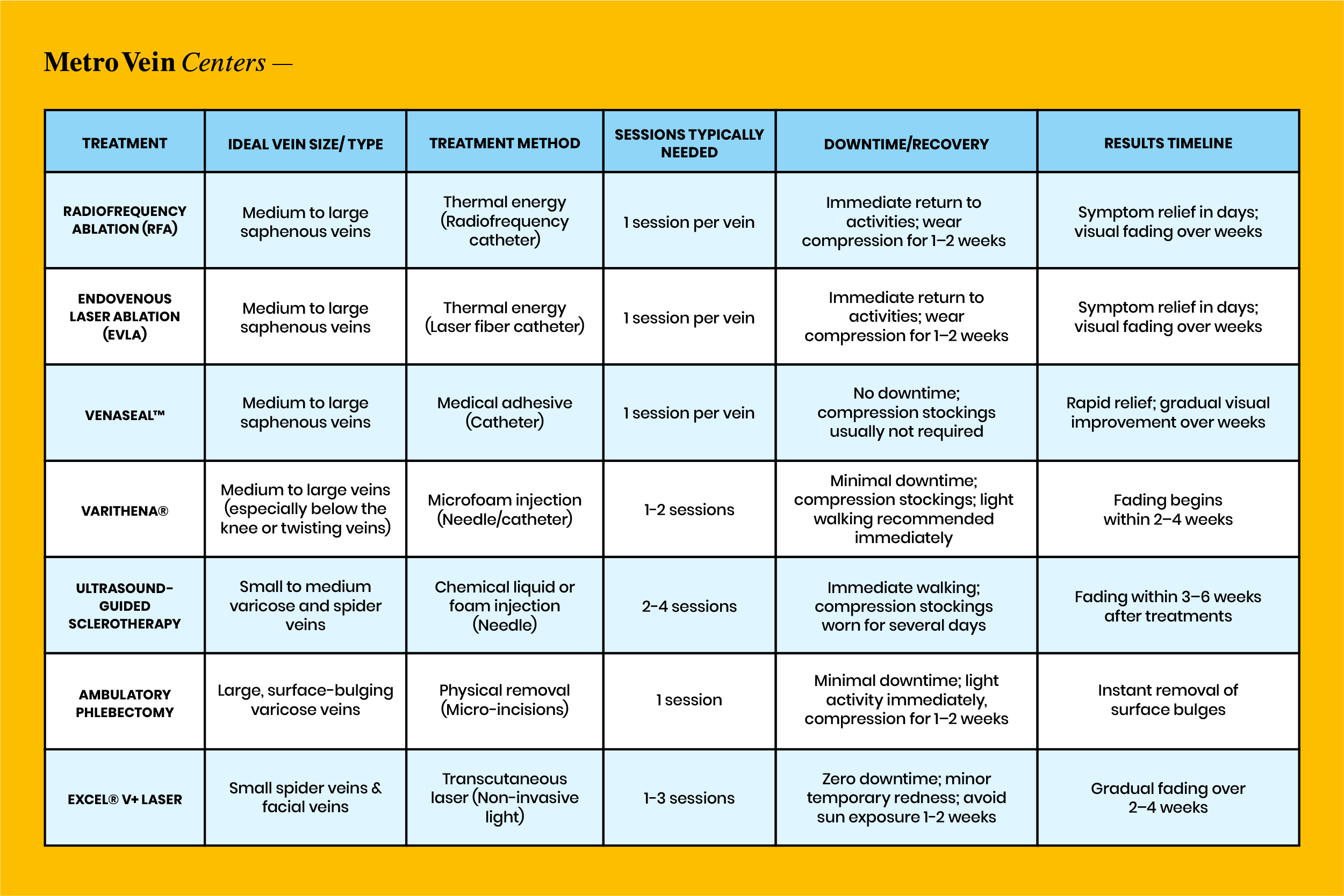
The best treatment options for varicose veins include modern, minimally invasive procedures such as radiofrequency ablation (RFA), endovenous laser ablation (EVLA), VenaSeal, Varithena, ultrasound-guided sclerotherapy, and phlebectomy. Because the ideal approach depends on the size, location, and specific anatomy of your veins, a tailored medical assessment is essential to determine the right procedure for you.
Varicose veins are not only a cosmetic concern, but they can also be painful and potentially dangerous if left untreated. Today’s FDA-approved, state-of-the-art treatments are performed right in our offices with minimal to no downtime, and most medically necessary procedures are covered by major insurance plans, including Medicare. Schedule your free evaluation today to discover the best treatment plan for your legs and take full advantage of your coverage.
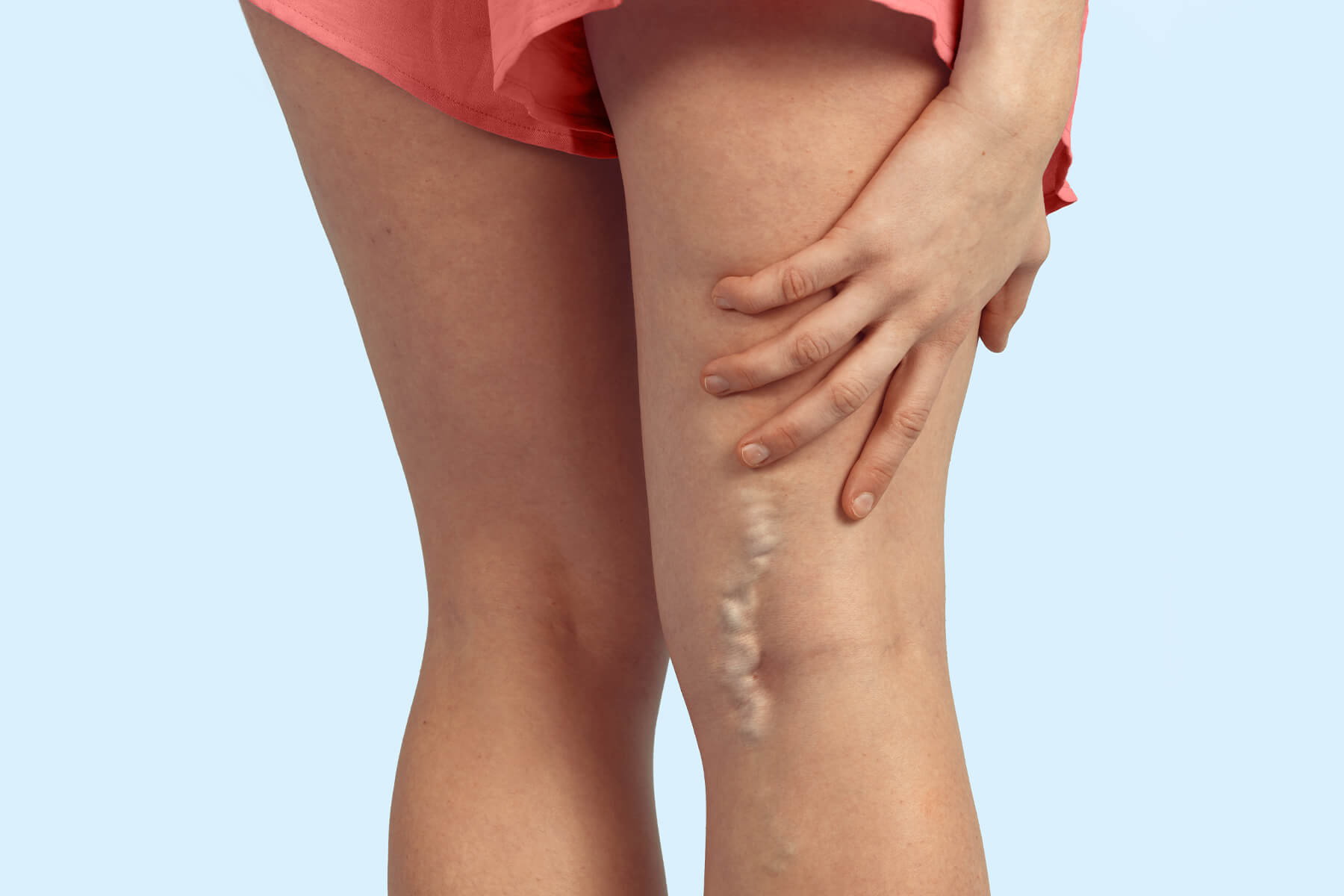
Do You Need Treatment for Varicose Veins?
If you have bulging, itchy, or painful veins on your legs, it’s important to know that varicose veins do not go away on their own. Because varicose veins are a sign of underlying vein disease, leaving them untreated can cause symptoms to progress over time and increase your risk of complications like skin ulcers or blood clots. The good news is that there are several modern varicose vein treatments available allowing you to relieve pain, eliminate visible veins, and restore your leg health safely.
Best Varicose Vein Treatments Compared
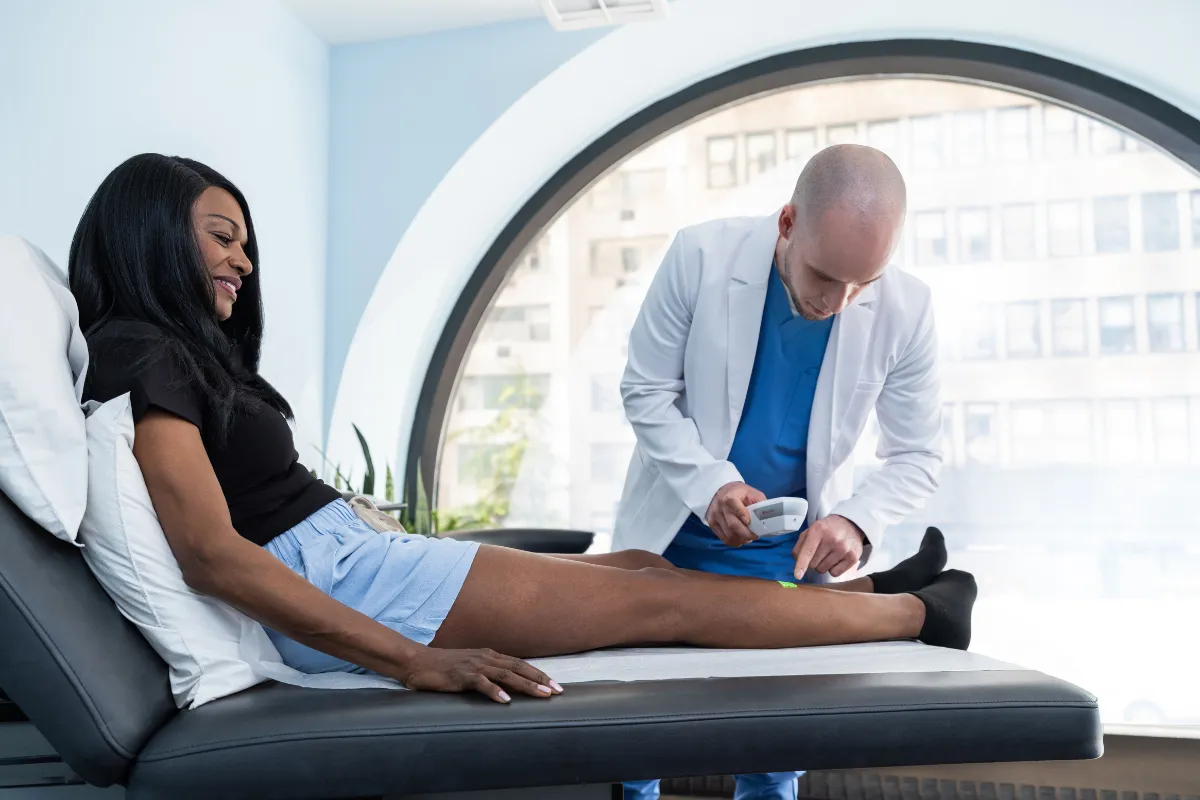
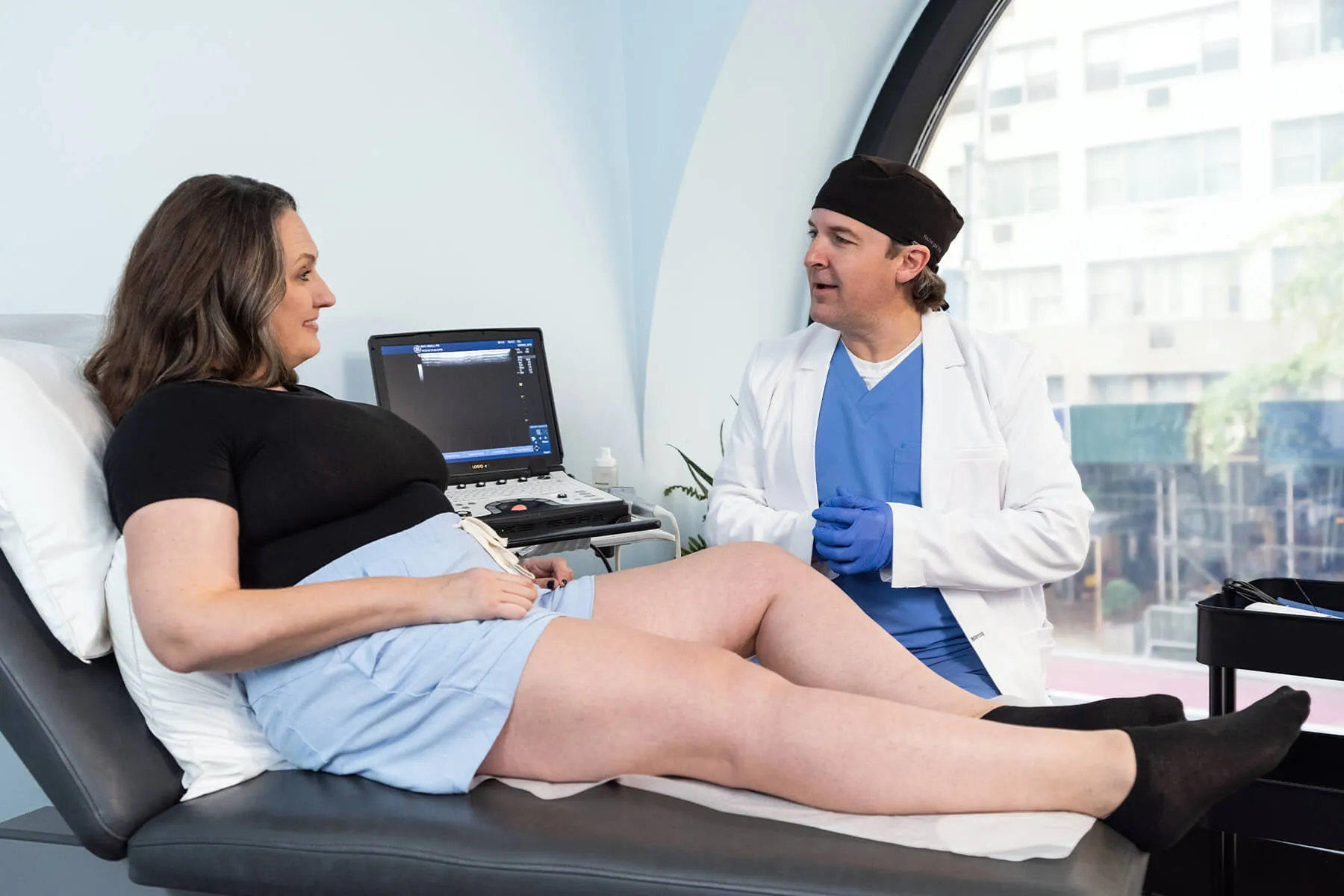
Treatment options for varicose veins vary based on the size, location, and severity of the affected veins. Because problem veins are often deep beneath the skin's surface, a board-certified doctor must evaluate your legs using ultrasound technology to determine the safest and most effective plan.
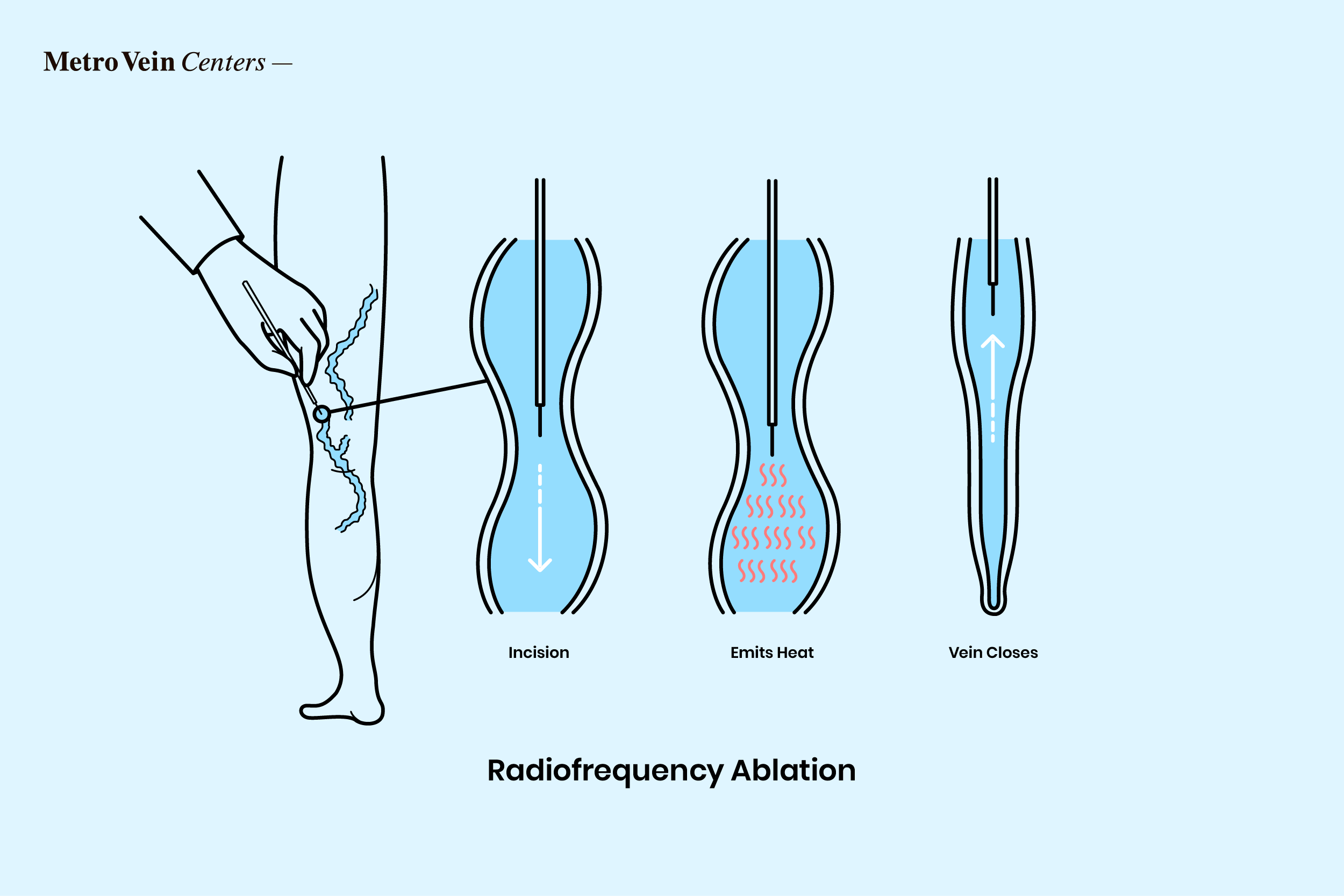
Radiofrequency Ablation (RFA)
Radiofrequency ablation is a popular, minimally invasive procedure used to treat larger, underlying vein disease. Using ultrasound guidance, a physician inserts a tiny catheter into the damaged vein to deliver radiofrequency heat, which safely collapses the vein and reroutes blood flow to healthy pathways. It takes under 15 minutes in the office using local anesthetic, allowing patients to resume normal daily activities almost immediately.
| Radiofrequency Ablation (RFA) | |
|---|---|
| Ideal Vein Size / Type | Medium to large saphenous veins |
| Treatment Method | Thermal energy (Radiofrequency catheter) |
| Sessions Typically Needed | 1 session per vein |
| Downtime / Recovery | Immediate return to activities; wear compression for 1–2 weeks |
| Results Timeline | Symptom relief in days; visual fading over weeks |
Endovenous Laser Ablation (EVLA)
Endovenous laser ablation, also known as Endovenous Laser Therapy (EVLT), is a highly effective thermal treatment designed for saphenous vein insufficiency. During this quick procedure, a specialized laser is guided inside the diseased vein to deliver targeted light energy, sealing it closed so the body can reabsorb it naturally. EVLA delivers dramatic symptom relief with minimal discomfort and negligible downtime.
| Endovenous Laser Ablation (EVLA) | |
|---|---|
| Ideal Vein Size / Type | Medium to large saphenous veins |
| Treatment Method | Thermal energy (Laser fiber catheter) |
| Sessions Typically Needed | 1 session per vein |
| Downtime / Recovery | Immediate return to activities; wear compression for 1–2 weeks |
| Results Timeline | Symptom relief in days; visual fading over weeks |
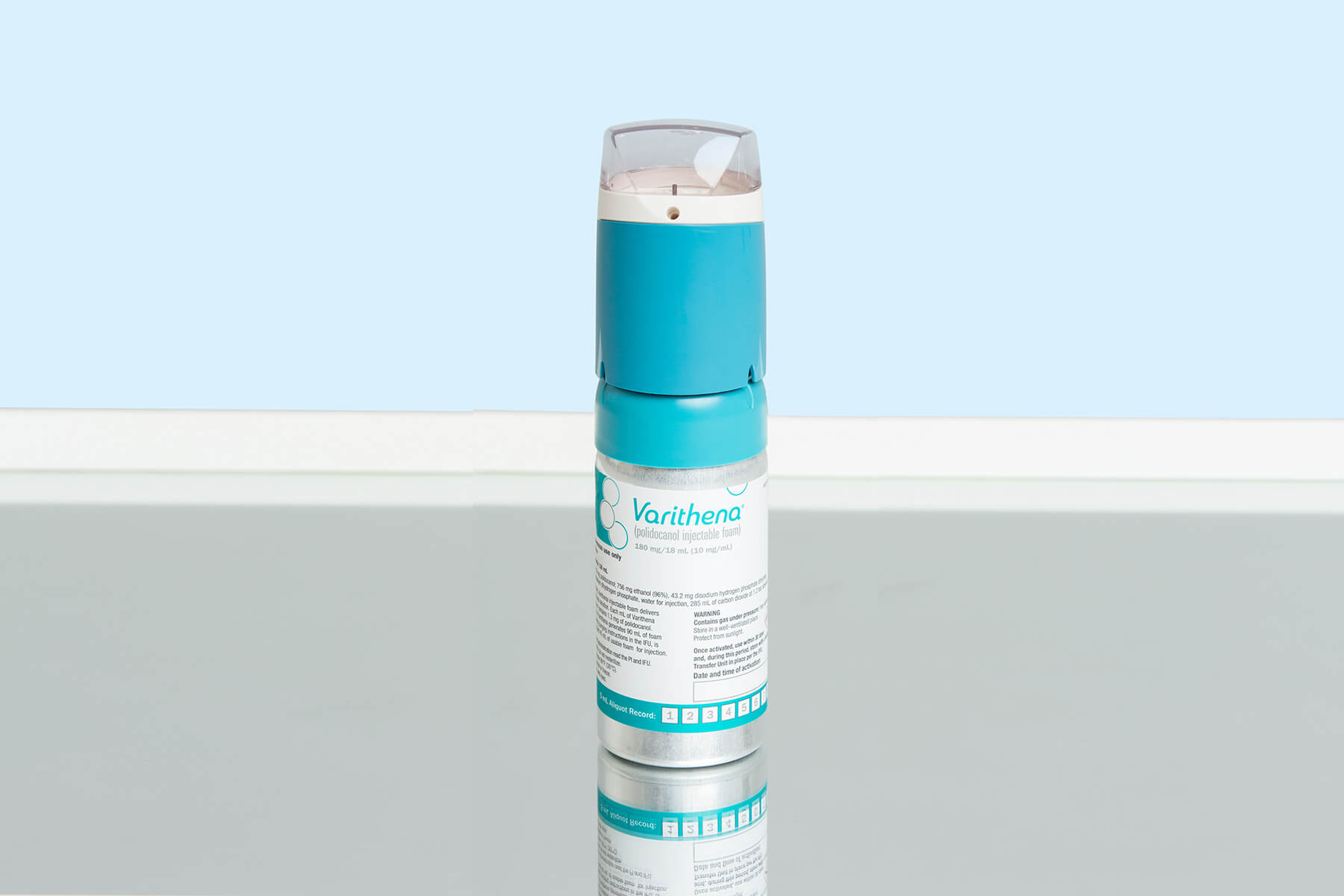
Varithena®
Varithena is an FDA-approved microfoam treatment particularly well-suited for veins farther under the surface. Administered through a few gentle injections under ultrasound guidance, the foam fills and collapses the damaged vein wall, quickly redirecting blood flow into healthier veins. Recovery is fast and straightforward, with most patients returning to light activity immediately after leaving the clinic.
| Varithena® | |
|---|---|
| Ideal Vein Size / Type | Medium to large veins (especially below the knee or twisting veins) |
| Treatment Method | Microfoam injection (Needle/catheter) |
| Sessions Typically Needed | 1–2 sessions |
| Downtime / Recovery | Minimal downtime; compression stockings; light walking recommended immediately |
| Results Timeline | Fading begins within 2–4 weeks |
VenaSeal™
VenaSeal is an advanced, non-thermal procedure that closes diseased veins using a specialized medical adhesive. Because it does not rely on heat energy, VenaSeal requires only a single numbing injection site and typically eliminates the need for post-procedure compression stockings. If you are comparing non-thermal options, read our detailed guide on Varithena vs. VenaSeal to see which approach fits your needs.
| VenaSeal™ | |
|---|---|
| Ideal Vein Size / Type | Medium to large saphenous veins |
| Treatment Method | Medical adhesive (Catheter) |
| Sessions Typically Needed | 1 session per vein |
| Downtime / Recovery | No downtime; compression stockings usually not required |
| Results Timeline | Rapid relief; gradual visual improvement over weeks |
Ultrasound-Guided Sclerotherapy
Sclerotherapy is an effective treatment for both spider and varicose veins, especially small-to-medium-sized veins on the surface of the skin. Your specialist injects an FDA-approved solution directly into the target veins, causing the vessel walls to seal shut and fade over time. While larger veins may require a few sessions spaced several weeks apart, sclerotherapy remains one of the most versatile and popular vein procedures available.
| Ultrasound-Guided Sclerotherapy | |
|---|---|
| Ideal Vein Size / Type | Small to medium varicose and spider veins |
| Treatment Method | Chemical liquid or foam injection (Needle) |
| Sessions Typically Needed | 2–4 sessions |
| Downtime / Recovery | Immediate walking; compression stockings worn for several days |
| Results Timeline | Fading within 3–6 weeks after treatments |
Ambulatory Phlebectomy
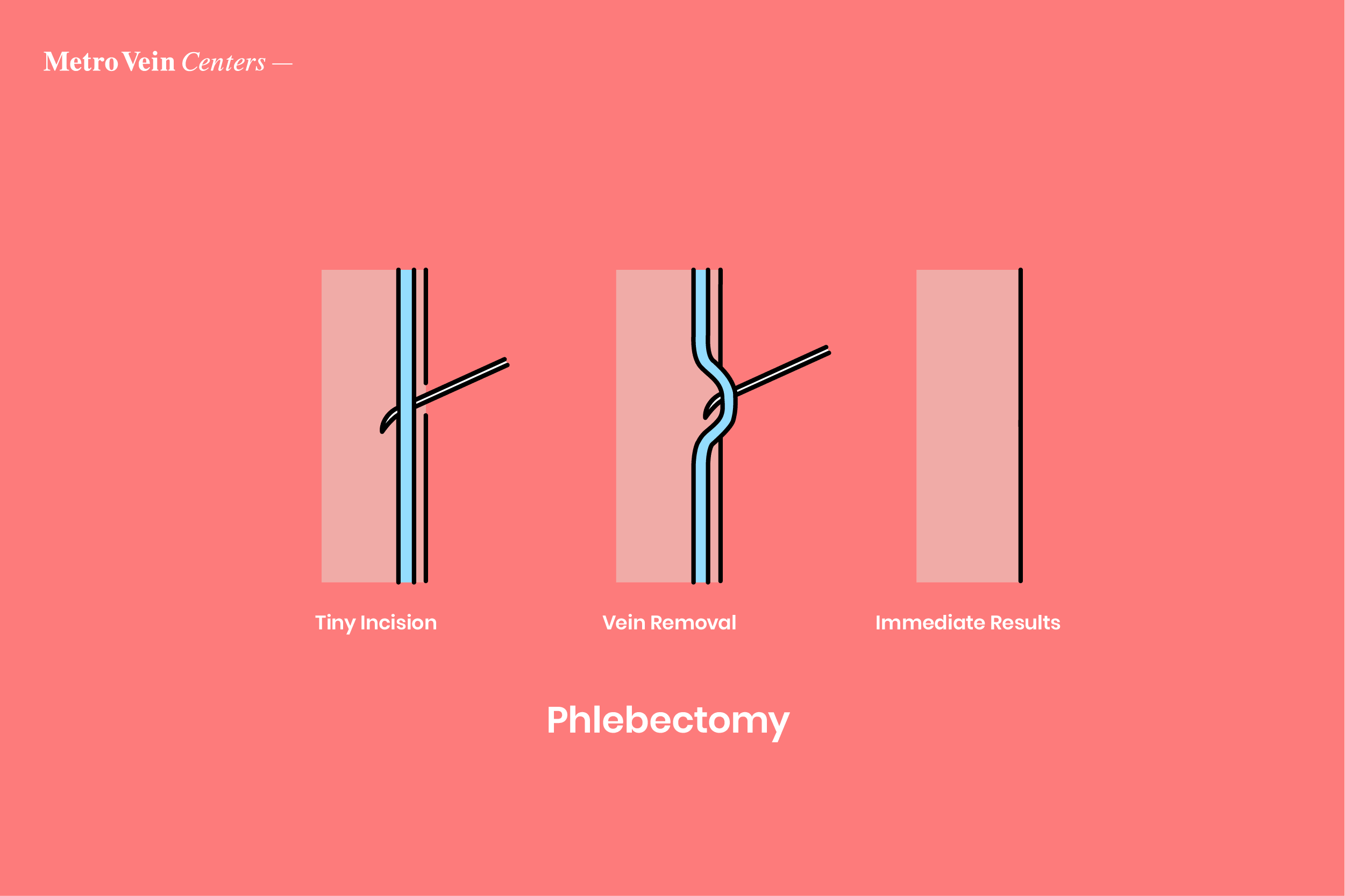
Ambulatory phlebectomy (also known as microphlebectomy) is designed specifically for large, bulging surface veins that are too twisted or prominent for ablation alone. Through tiny micro-incisions that require no stitches, the damaged vein segment is physically removed from the leg. The procedure provides immediate relief from visible bulging and leaves virtually no scarring once healed.
| Ambulatory Phlebectomy | |
|---|---|
| Ideal Vein Size / Type | Large, surface-bulging varicose veins |
| Treatment Method | Physical removal (Micro-incisions) |
| Sessions Typically Needed | 1 session |
| Downtime / Recovery | Minimal downtime; light activity immediately, compression for 1–2 weeks |
| Results Timeline | Instant removal of surface bulges |
excel® V+ Laser
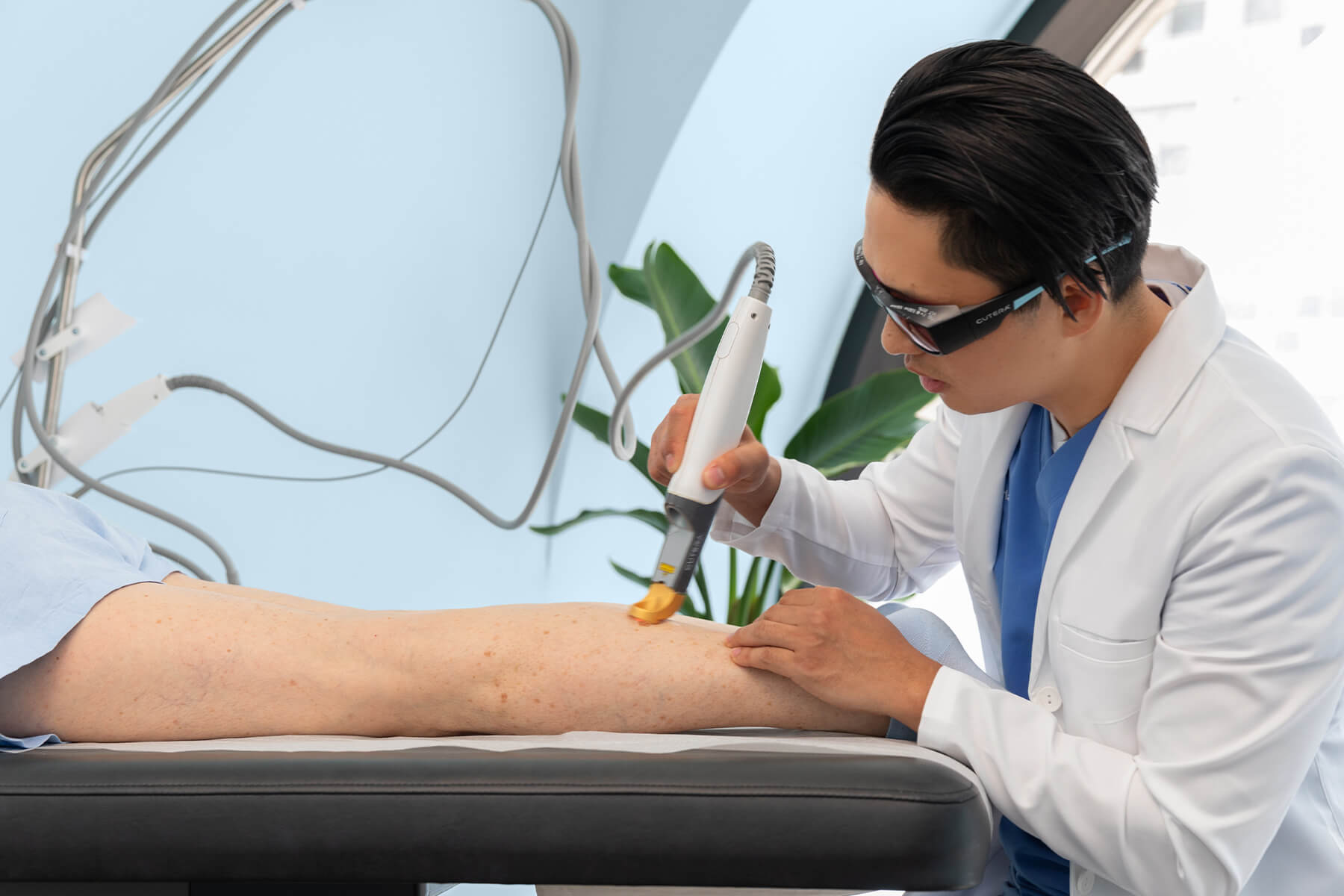
excel® V+ Laser technology uses precise, cooling laser energy delivered directly through the skin surface to zap tiny capillaries and spider veins. While it is primarily used for facial veins and fine spider veins rather than primary varicose vein disease, it is an excellent non-invasive option for superficial skin concerns.
| excel® V+ Laser | |
|---|---|
| Ideal Vein Size / Type | Small spider veins & facial veins |
| Treatment Method | Transcutaneous laser (Non-invasive light) |
| Sessions Typically Needed | 1–3 sessions |
| Downtime / Recovery | Zero downtime; minor temporary redness; avoid sun exposure 1-2 weeks |
| Results Timeline | Gradual fading over 2–4 weeks |
Which Vein Treatment is Right for You?
Choosing the ideal vein treatment depends on several factors, including the size, depth, and shape of your veins, as well as your medical history and lifestyle. Because underlying vein disease is often invisible to the naked eye, a comprehensive evaluation with a vein specialist is the best way to pinpoint the root cause and determine the right treatment plan for you.
At Metro Vein Centers, all of our minimally invasive vein procedures are performed right in our comfortable offices in 15 minutes with no hospital visits required and virtually no downtime. During your one-on-one evaluation, your specialist will examine your legs, review your health history, and build a personalized treatment plan tailored to your health goals and insurance coverage.
Schedule your free vein health evaluation today to take the first step toward lasting leg relief and healthier veins.

Frequently Asked Questions
Yes, it's common to pair treatments (e.g., RFA for the main vein, sclerotherapy for smaller branches) based on what the ultrasound shows.
Not usually. Vein stripping was the traditional surgical approach but has largely been replaced by minimally invasive options like sclerotherapy, RFA, and VenaSeal, which offer less downtime and discomfort.
A vein specialist examines your legs and reviews symptoms, and a duplex ultrasound may be recommended to determine if there is underlying vein disease. Based on your vein health evaluation, a personalized plan is created for you.
Yes, many insurance plans cover varicose vein treatments when considered medically necessary. Metro Vein Centers accepts over 200+ plans. Check out our insurance page for more details and to verify your coverage.
It depends. Results are generally permanent for the treated vein, although new veins may develop over time.
Dr. Philip LoPresti
Meet Dr. Philip LoPresti, DABVLM, FACS, a board-certified surgeon and vein specialist and surgeon with over 20 years of experience. Schedule an appointment with him in Queens, NY today.
Meet Dr. Philip LoPresti
Trusted insight from the nationally accredited, board-certified vein doctors at Metro Vein Centers.