The Quick Answer
No, weightlifting does not directly cause varicose veins, but heavy resistance training can accelerate the progression of vein disease in people who are already genetically predisposed. Certain lifting patterns, specifically heavy loads combined with breath-holding, can increase the pressure placed on leg valves. With simple adjustments, however, most athletes can continue to train safely without compromising vein health.
Are Strength Training Athletes at Risk for Varicose Veins?
Yes, varicose veins can develop in anyone, including fit, active, strength-training athletes. Certain lifting techniques can even accelerate the condition in people who are genetically predisposed.
Why Strong Legs Don't Always Mean Healthy Veins
We know that exercise can improve cardiovascular health, but it is a common misconception in the fitness community that if you are active, hit your macros, and have strong legs, you are protected from vein disease. However, muscle strength alone doesn’t always equal vascular health. At Metro Vein Centers, our board-certified specialists often treat highly active patients who are surprised to learn that symptoms they initially attributed to training fatigue or delayed onset muscle soreness (DOMS) may have another underlying cause.
Unlike cardio or low-impact exercise, strength training creates increased pressure on the venous system. While you don’t have to put the barbell down, we do encourage you to lift smarter. Understanding the relationship between heavy lifting and vein health is the key to success in the gym.
What Actually Causes Vein Disease?
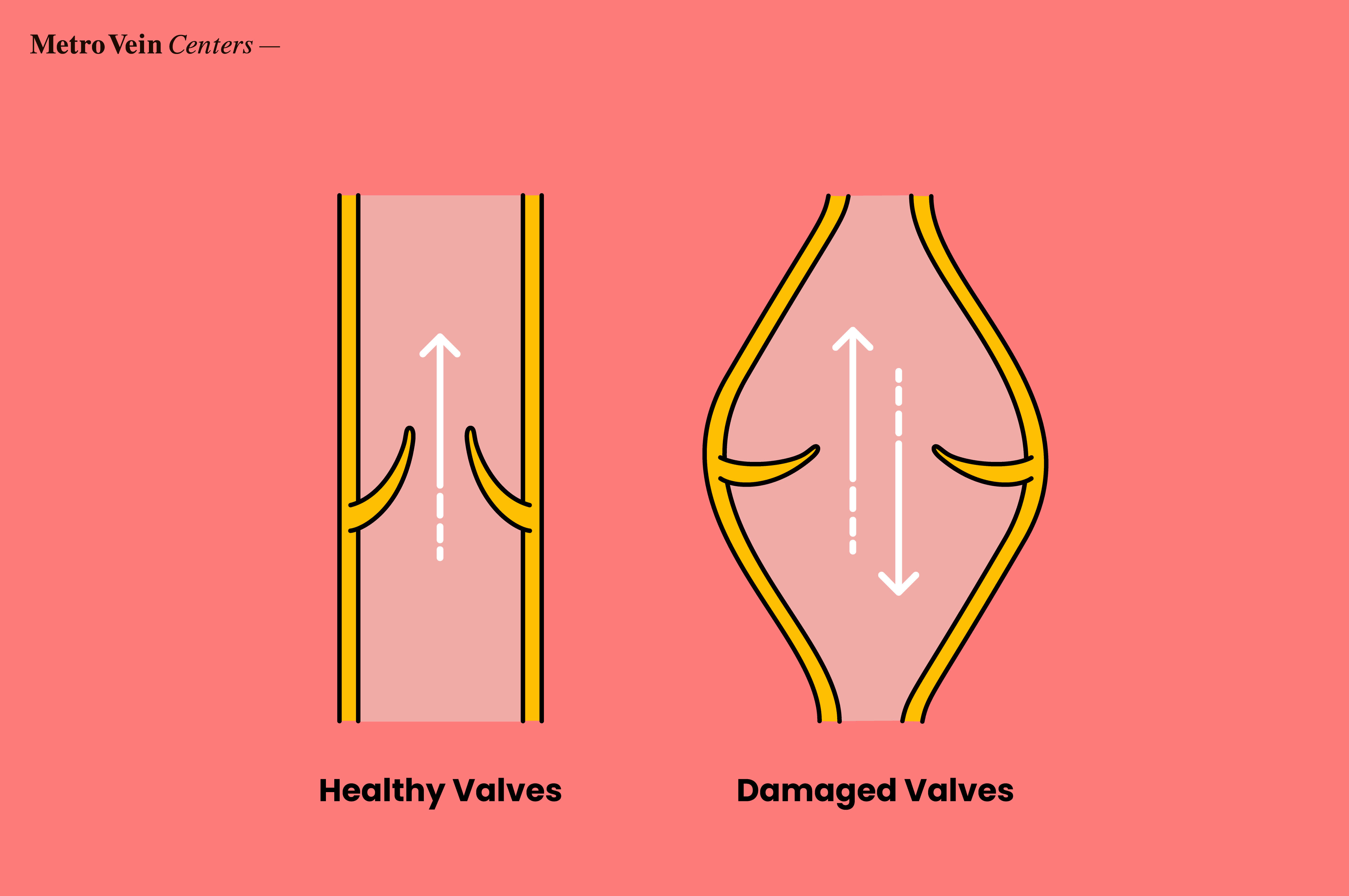
To understand what causes vein disease, let’s look at how blood moves. Your leg veins contain one-way valves designed to push blood upward toward the heart against the pull of gravity. When these venous valves weaken or fail, blood leaks backward and pools in the lower legs, a condition known as venous insufficiency.
A motion that helps these valves is your calf muscle pump. Every time your calf muscle contracts, it squeezes the veins and shoots blood upward. While genetics is the number one risk factor, physical stressors, including certain training habits, can accelerate the stages of vein disease for people who are already at risk.
Can Lifting Weights Cause Varicose Veins?
No, weightlifting itself is not the cause of varicose veins. In fact, for most people, strengthening their legs with exercise improves circulation because their muscles act as a pump, pushing blood back up to their heart. For people who primarily do cardio, our guide on exercise and vein health covers how lower-impact movements affect circulation differently than resistance training does.
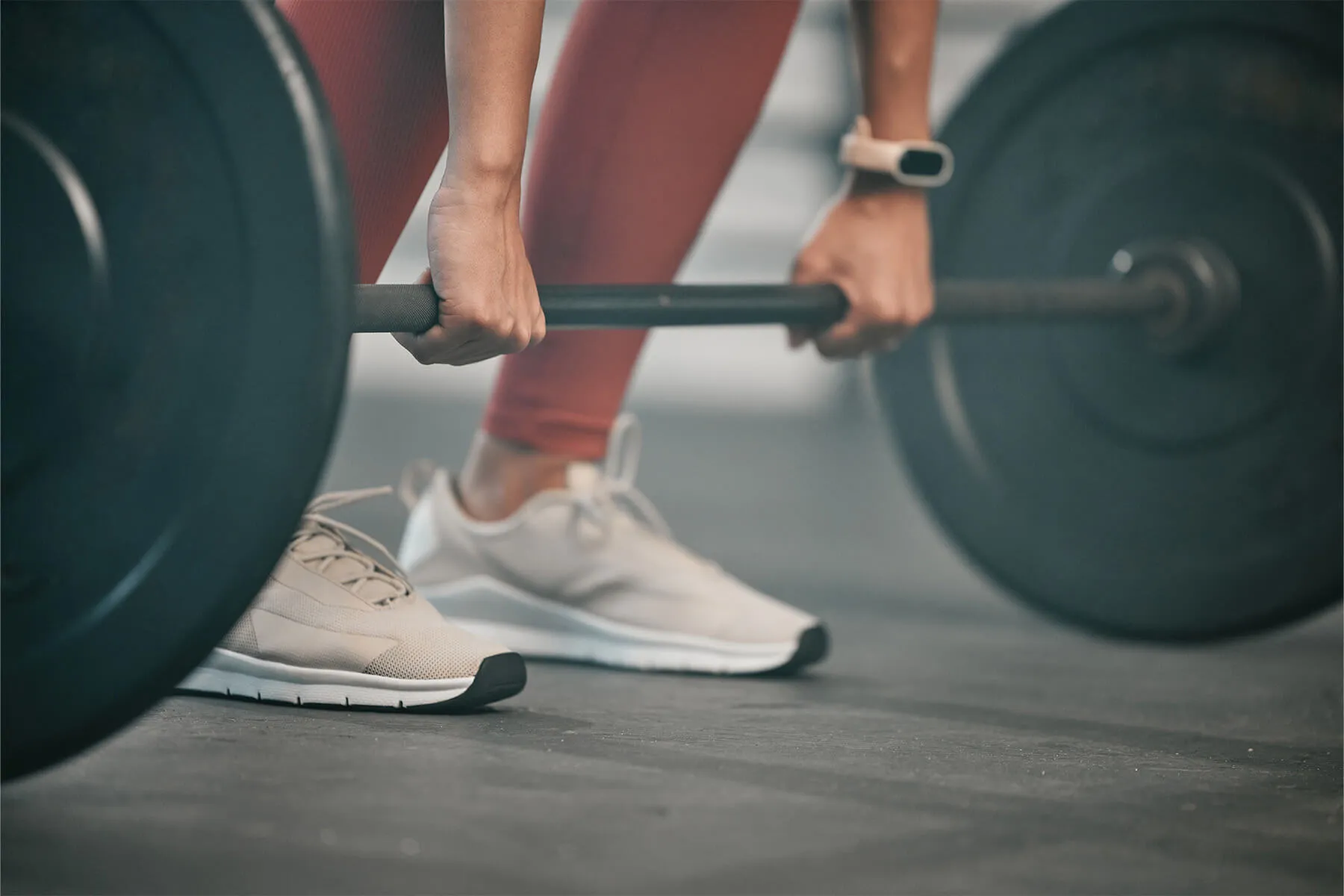
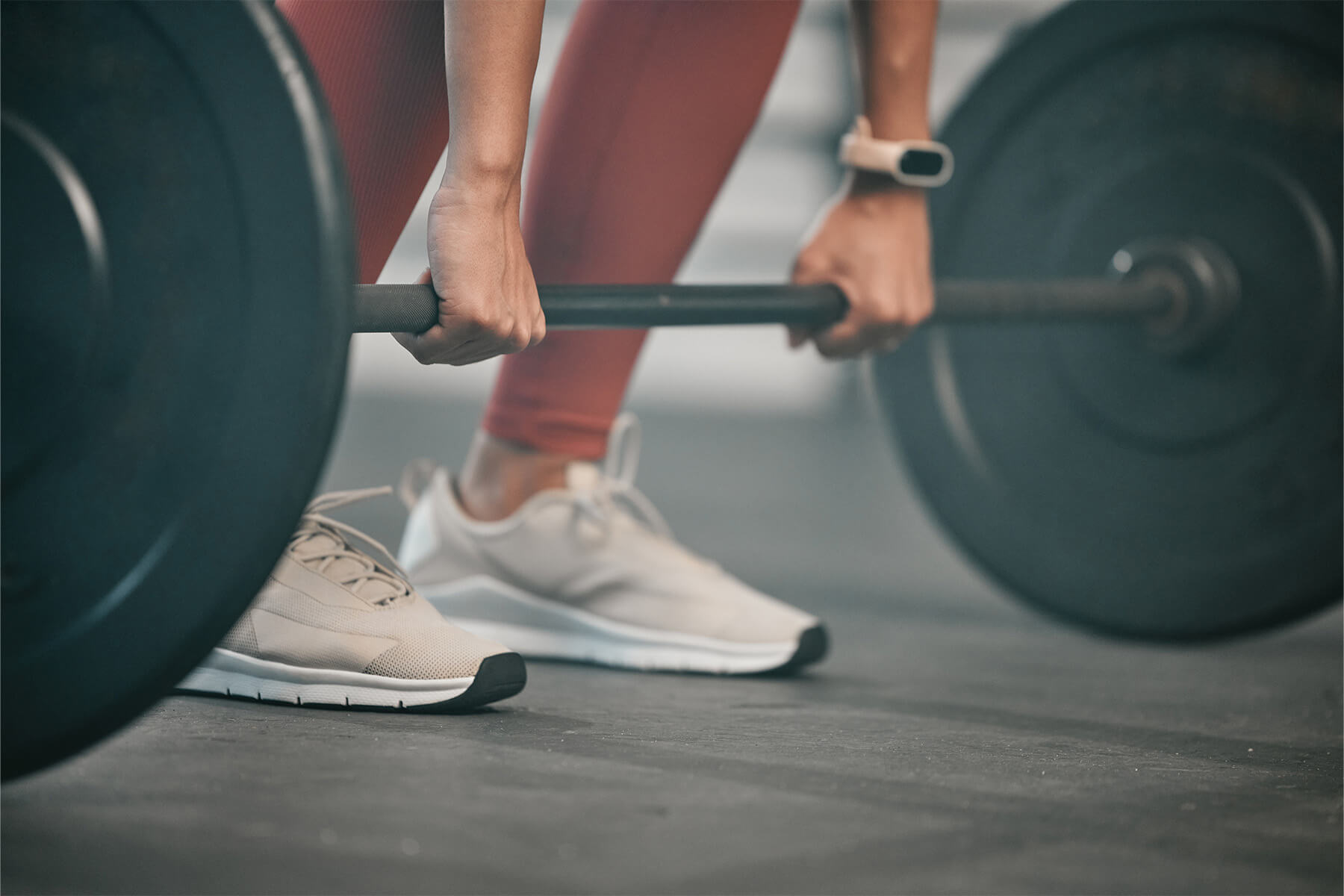
Understanding how heavy lifting affects vein health is essential for long-term success in the gym because it helps you balance performance with prevention. When you lift heavy, especially during compound movements, pressure inside your abdomen and leg veins rises significantly, particularly if you’re using breath-holding techniques. Over time, repeatedly exposing your veins to this elevated pressure can stress the tiny valves responsible for keeping blood flowing in the right direction.
If those valves begin to weaken, especially in individuals with a genetic predisposition, it can lead to symptoms like heaviness, swelling, or visible vein changes that go beyond normal post-workout vascularity. By being aware of this relationship, you can make small but impactful adjustments, such as improving breathing technique, managing load and volume, and incorporating recovery strategies that support circulation.
Ultimately, the goal isn’t to avoid heavy lifting, but to approach it with intention so you can continue progressing in strength and performance without compromising your vascular health over time.
Internal Pressure
When you lift something very heavy, your core muscles tighten significantly, causing intra-abdominal pressure. This creates a temporary traffic jam in your midsection, making it harder for blood to flow back up from your legs.
Breath-Holding
Weight lifters sometimes use a breath-holding technique called the Valsalva maneuver to stabilize their spine during a heavy rep. While great for power, this breath-holding creates even more pressure on the veins. Repeated thousands of times over a lifting career, these pressure spikes can cause sensitive vein valves to wear out more quickly.
Warning Signs Strength Athletes Often Dismiss
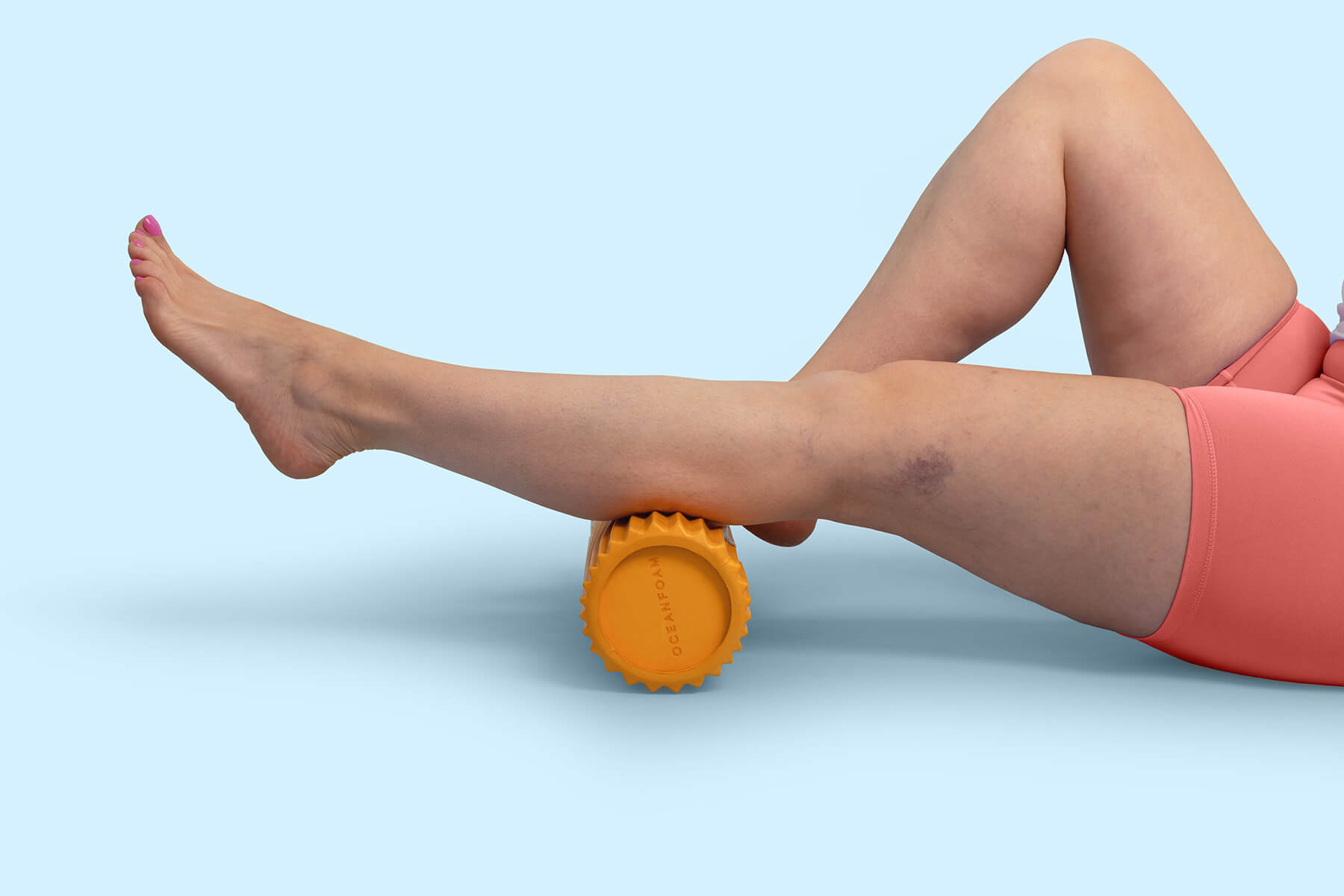
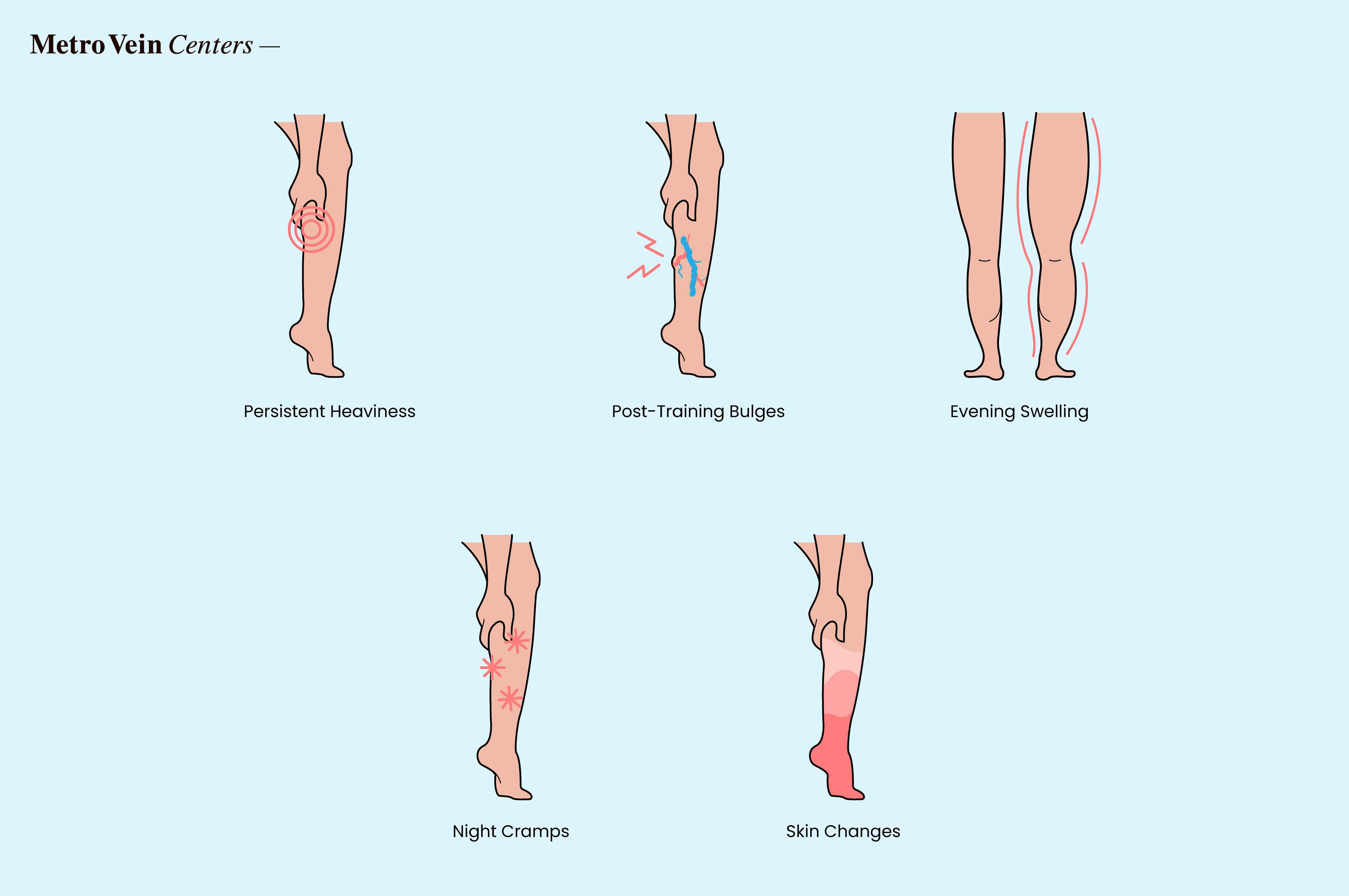
Because lifters are used to pushing through discomfort, they might ignore the early warning signs of vein strain. If your leg discomfort doesn't respond to rest days or foam rolling, pay attention to these warning signs:
- Persistent Heaviness: A deep ache or "leaden" feeling in the legs that lingers long after your workout is over.
- Post-Training Bulges: Ropey or twisted veins that become significantly more prominent, specifically after lower-body sessions.
- Evening Swelling: Ankle or calf swelling that is noticeably worse at the end of the day.
- Night Cramps: Restless legs or painful cramping that disrupts your sleep.
- Skin Changes: Areas around the lower leg that feel warm to the touch or look tighter and more discolored than usual.
How to Protect Your Veins Without Quitting the Gym
As Dr. Hugh Pabarue, board-certified vein specialist at Metro Vein Centers’ Michigan Clinic, notes, "The key takeaway is not to avoid strength training, but to approach it in a vein-healthy way."
Here are 6 ways to keep your gains in the gym while protecting your veins:
Breathe Through the Lift
Avoid prolonged breath-holding. Try to exhale on the exertion phase (the way up) to vent internal pressure.
Move Between Sets
Staying active between sets keeps the blood flowing. Walk around the gym, do ankle circles, or perform a few bodyweight calf raises between sets to keep the calf pump working.
Add Calf Raises to Warm-Ups and Cool-Downs
The calf pump is the engine of venous return from the legs. A few sets of calf raises at low load before and after training can really help support circulation.
Use Compression During and After Lower-Body Sessions
Wear compression socks during and after heavy lower-body sessions. Graduated compression socks support venous return during training and reduce pooling during recovery. This extra support helps your veins fight back against the internal pressure spikes.
Post-Workout Elevation
After training, spend 10–15 minutes with your legs elevated above your heart. This will help reduce venous pressure and assist the circulatory system with recovery.
Be Mindful of Total Lower-Body Load
High-volume, heavy training every single day compounds venous stress. Use smart periodization to give your vascular system time to recover, just like your muscles.
When to Get Your Veins Evaluated
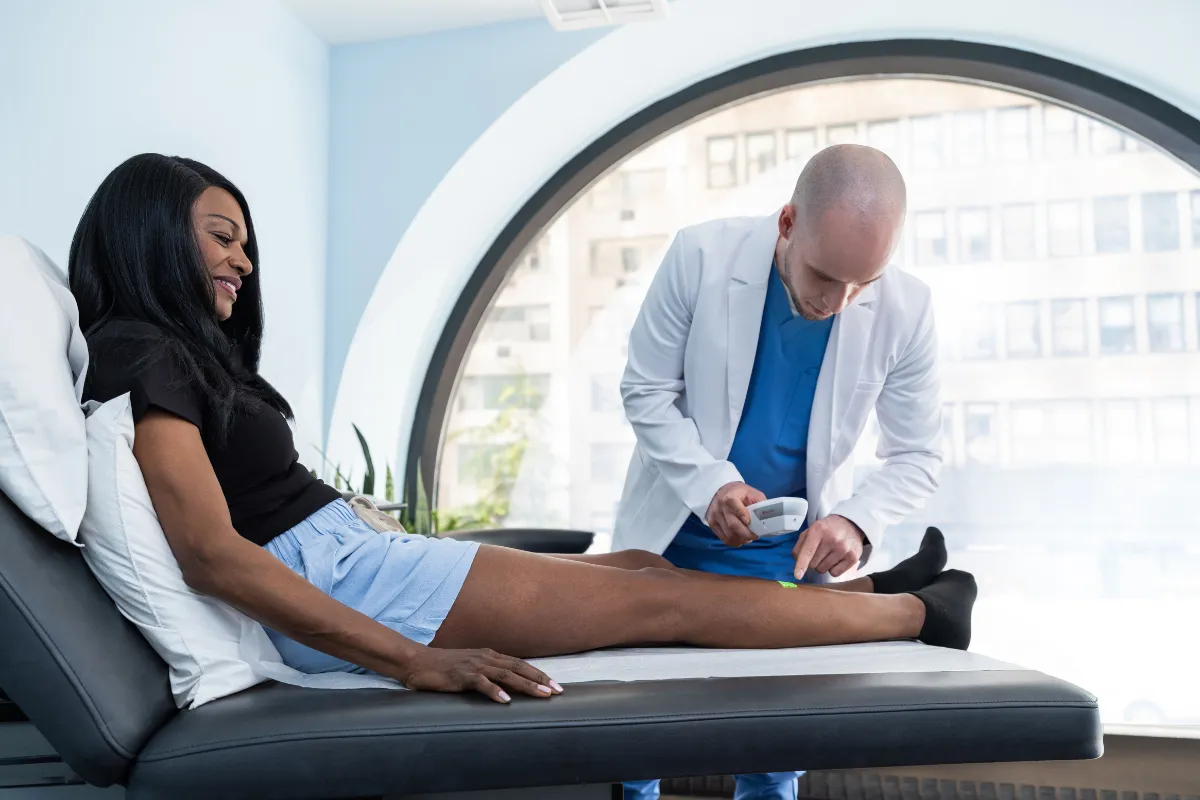
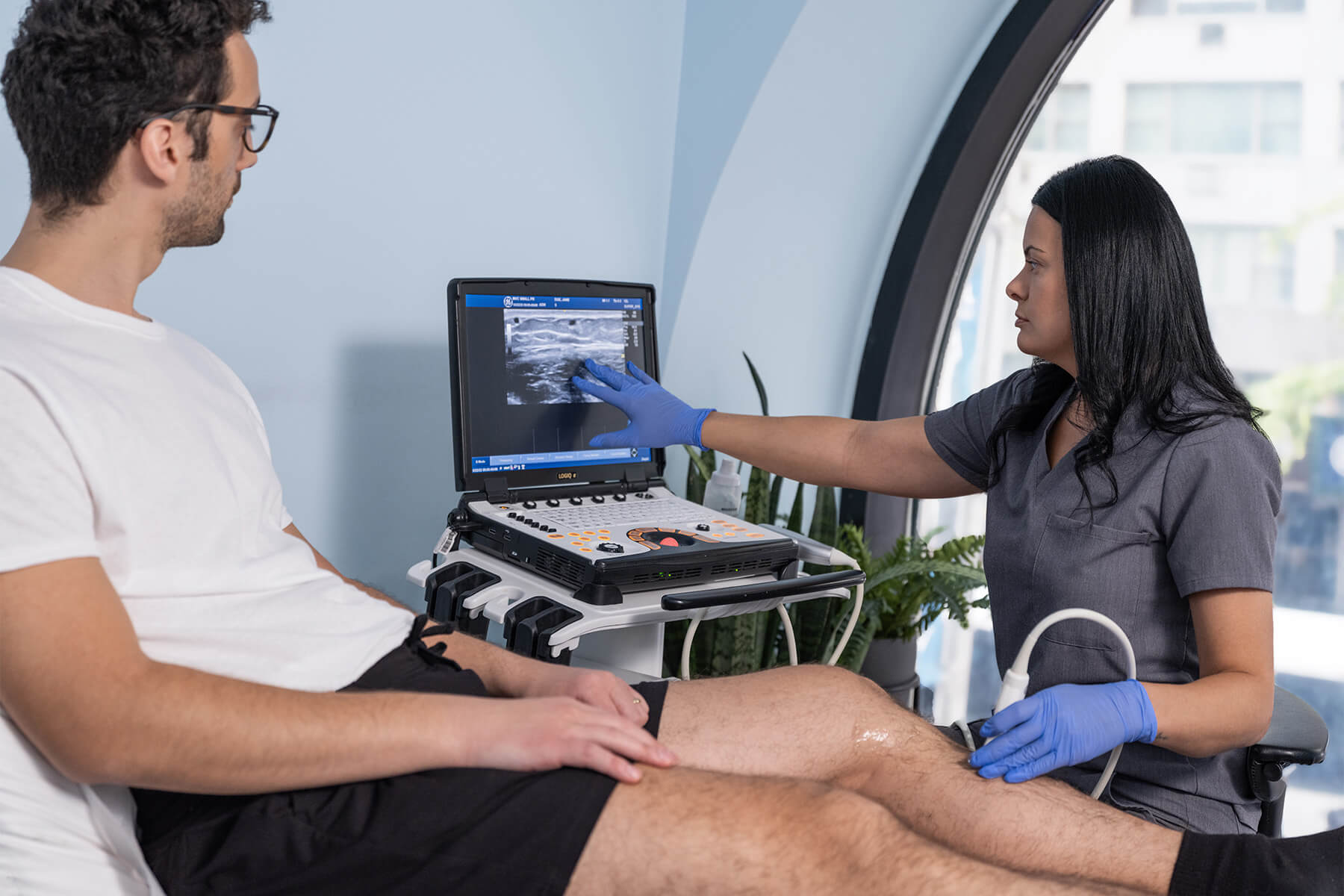
Vein disease is progressive and does not reverse on its own. However, catching it early can make vein treatment easier and more successful. A vein evaluation at Metro Vein Centers is non-invasive, takes under an hour, and is covered by most insurance plans.
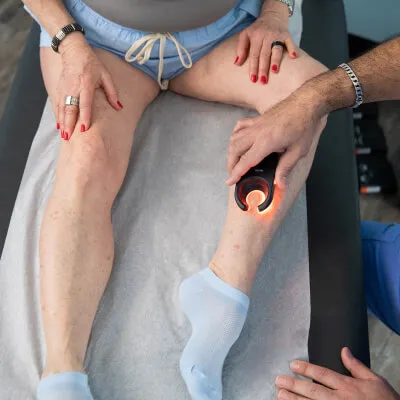
Getting evaluated doesn’t mean you’ll be told to stop lifting. In fact, many of our patients find that modern, minimally invasive treatments, such as VenaSeal™ or Radiofrequency Ablation, have improved their training capacity by reducing the symptoms that have been holding them back. In fact, many patients are back in the gym within days.
Don't let vein disease bench you. Book a free vein health evaluation at a Metro Vein Centers location near you and keep performing at your peak.
Frequently Asked Questions
Yes, you can keep listing weights even if you have varicose veins. In fact, most forms of exercise are beneficial for varicose veins. However, you should incorporate compression wear and focus on proper breathing to prevent the condition from worsening. A vein health evaluation is always a good idea to determine the best wellness plan for you.
While some soreness is normal, persistent heaviness that persists into the evening can indicate that blood is pooling in your legs due to venous reflux, rather than just muscle recovery.
Yes, it is normal for veins to look more visible after a workout, due to increased blood flow. However, if the veins remain bulging, appear twisted, or become painful, they may be varicose veins rather than normal exercise-induced vascularity.
Yes, you can delay or even prevent varicose veins by taking proactive steps, even if they run in your family. You can't change your DNA, but by lifting vein-smart and using compression, you can delay the onset of symptoms and prevent minor issues from becoming major medical concerns.

Dr. Hugh Pabarue
Meet Dr. Hugh Pabarue, a board-certified physician and vein specialist with over 15 years of experience in Metro Detroit. Schedule an appointment with him in Macomb & St. Clair Shores today.
Meet Dr. Hugh Pabarue
Trusted insight from the nationally accredited, board-certified vein doctors at Metro Vein Centers.