Key Takeaway
Austin’s heat and humidity can cause increased circulation challenges, such as blood pooling, swelling, and discomfort in your legs. Metro Vein Centers’ board-certified vein specialist, Dr. Jendy Amelio shares 8 proven tips to protect your vein health in hot weather, even when the Texas sun is at its peak.
Why Austin’s Climate Is Particularly Hard on Your Veins
If you’ve spent a summer in Central Texas, you know that Austin’s heat is more than just a norm, it can be a challenge. Considered a subtropical climate, Austin is known for its warm temperatures with frequent thunderstorms.
In Austin, we don’t just deal with high temperatures; we deal with humidity that makes it harder for the body to cool down efficiently. When your body gets hot, your veins dilate (called vasodilation) to bring blood closer to the skin’s surface to release heat. Whether you’re walking downtown, biking the Veloway, or hiking the Greenbelt, the combination of heat and humidity can be a formula for vein health problems.
How Hot Weather Affects Vein Health
Many patients find their vein symptoms worsen during the peak summer heat. For those dealing with varicose veins or chronic venous insufficiency (CVI), Austin summers can feel oppressive. Heat causes blood vessels to dilate (widen), leading to:
Increased blood pooling
Swelling
Discomfort
If your vein valves are already weakened due to vein issues, like varicose veins, this extra volume causes blood to pool in the lower legs in hot weather. This can lead to heavy feeling, swollen ankles, and increased discomfort.
“I frequently see patients whose legs get hot, heavy, and swollen in the heat. Improving their circulation can relieve these symptoms.”
Dr. Jendy AmelioBoard-Certified Physician and Vein Specialist
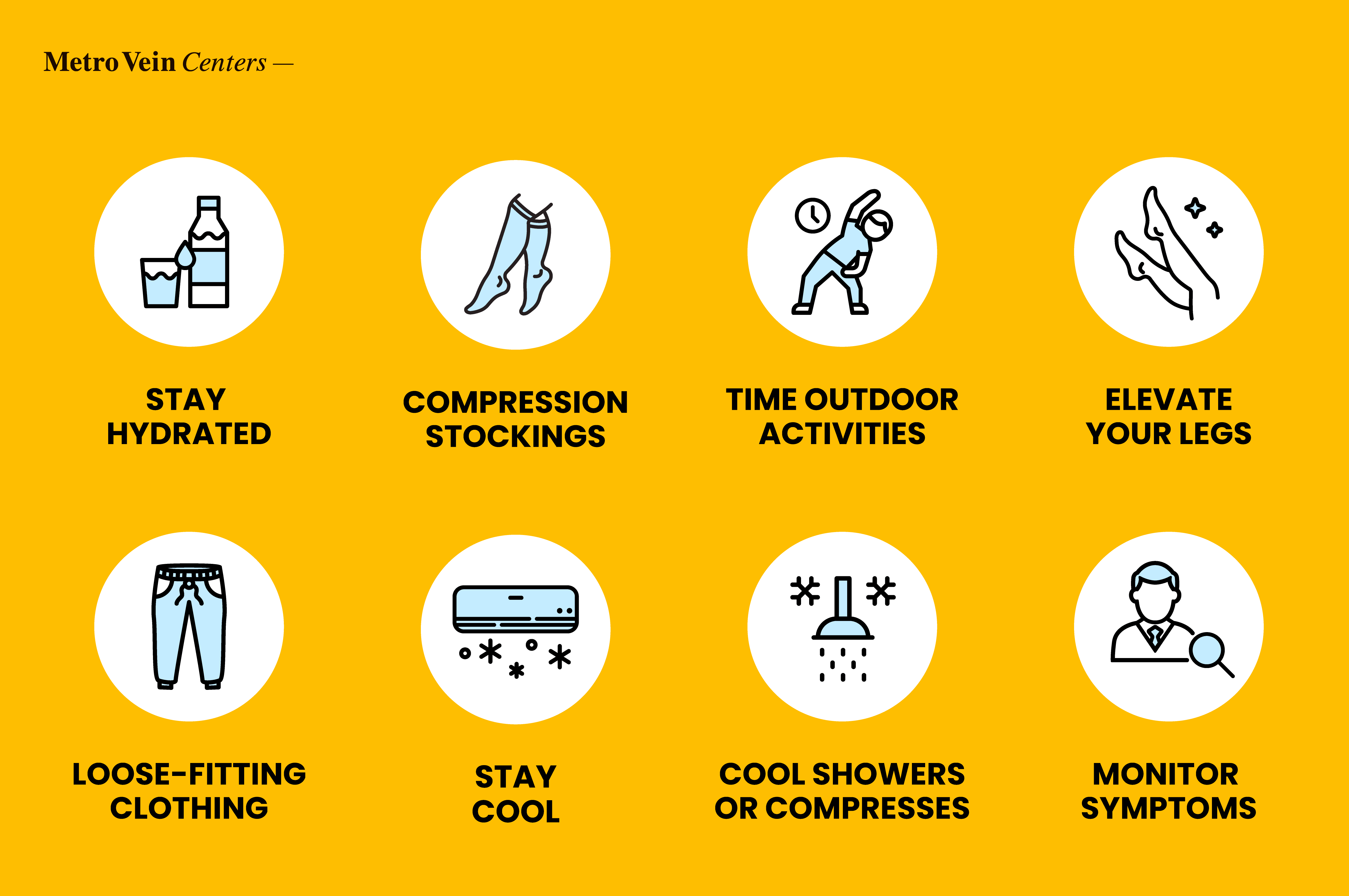
8 Evidence-Based Tips to Protect Your Veins in Austin Heat
In addition to following the CDC’s guidelines for taking care of yourself in extreme heat, here are 8 tips to protect your vein health in hot weather:
Stay Proactively Hydrated
Dehydration can cause your blood to thicken, making it much harder for your veins to push it upward against gravity. In the Austin summer, the standard "8 glasses a day" may not be enough. If you’re active outdoors, aim for significantly more, and start hydrating before you head out to the trail.
Wear Medical-Grade Compression Stockings
It sounds counterintuitive to wear extra layers in hot and humid weather, but compression stockings in summer can be a lifesaver. They provide the external pressure your veins need to keep your circulation moving smoothly. Look for "summer-weight" or moisture-wicking fabrics in the 15-20 mmHg range for daily comfort.
Time Your Outdoor Activities Right
Avoid the “danger zone" between 11:00 AM and 4:00 PM. If you’re a regular on the Austin trails, aim for sunrise or dusk. Follow The Texas Medical Association’s recommendations to avoid heat exhaustion.
Elevate Your Legs After Heat Exposure
After a day of navigating Austin’s hills or standing up at work or a local event, your veins need a break. Elevate your legs above your heart for 15–20 minutes. This uses gravity to drain pooled blood and reduce leg swelling from humidity.
Choose Cooling, Loose-Fitting Clothing
Tight waistbands or skinny jeans can act like a tourniquet, further restricting your circulation. Opt for linen, light cotton, and loose-fitting athletic gear that allows for max blood flow and heat dissipation.
Retreat to the Air Conditioning During Peak Heat
AC isn't just a luxury for those with chronic venous insufficiency, it’s a medical necessity. If it’s too hot for your usual walk, head to an indoor venue like The Domain shopping center or a local museum to get your steps in without the vascular strain of the sun.
Take Cool Showers or Use Cold Compresses
While a hot shower might sound relaxing at the end of the day, it actually dilates your veins further. A cool shower or applying cold compresses to your calves causes vasoconstriction, which helps shrink the veins and can provide immediate relief from heat-related vein pain.
Monitor Your Symptoms and Seek Treatment
If you notice your varicose or spider veins getting worse or your legs cramping more frequently during the summer, don't ignore it. Austin's climate can exacerbate the symptoms of vein disease. Early intervention is key to preventing further progression of vein health issues, like skin changes and ulcers.
“Repeated episodes of swelling can cause the skin in the lower legs to thicken and darken. Varicose veins are harder to treat the bigger they get. Start early.”
Dr. Jendy AmelioBoard-Certified Physician and Vein Specialist
Is Your Favorite Austin Workout Affecting Your Veins?
Austin is one of the fittest cities in the country, but your favorite hobbies might be masking vein issues. Here are some special considerations for Austin’s active lifestyles:
Runners
The repetitive impact of running on the Town Lake trail or Barton Creek Greenbelt is great for exercising the calf pump, but heat can negate these benefits. Combine runs with cooling recovery, or switch to brisk walking.
Cyclists
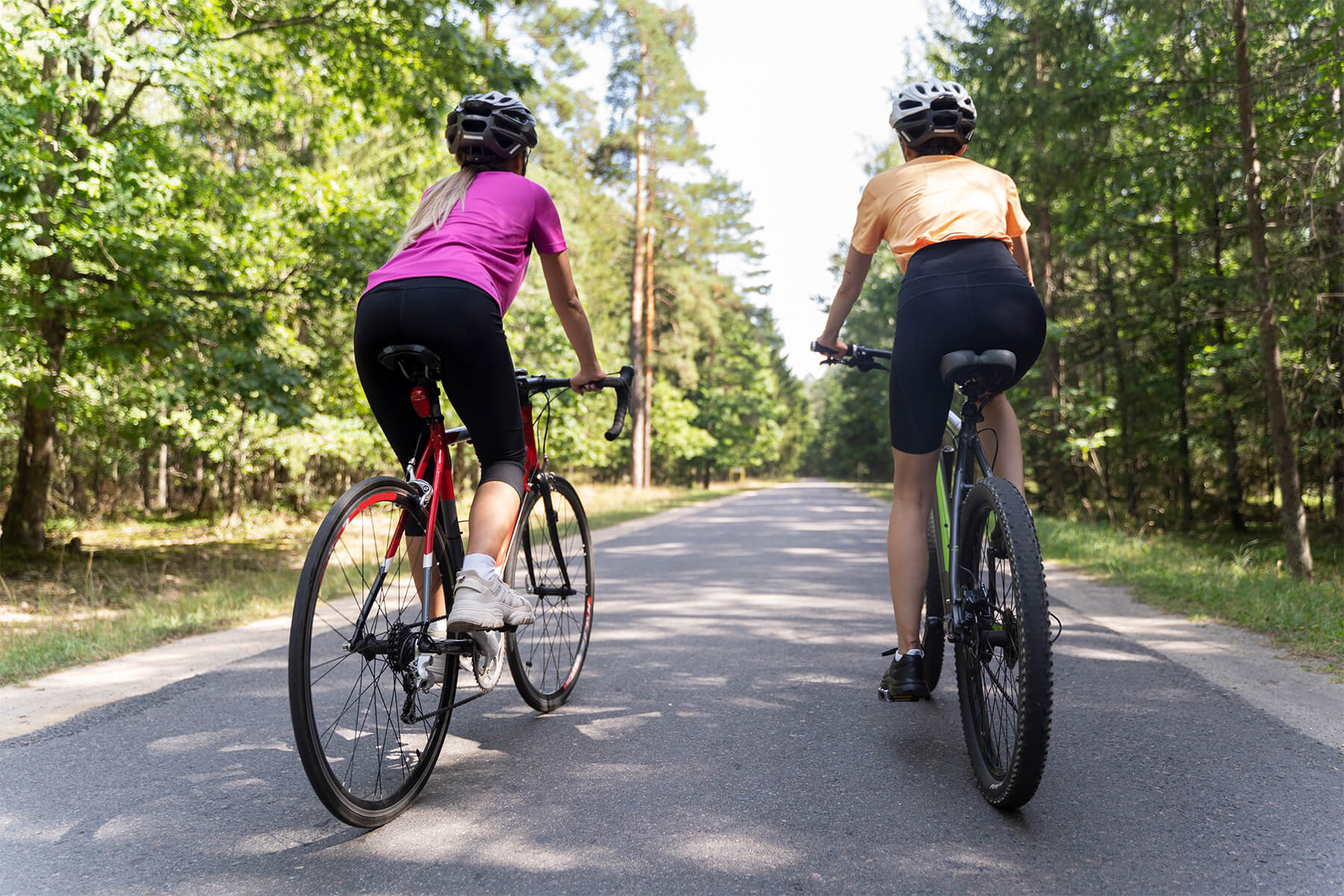
Prolonged sitting on a bike seat can sometimes restrict blood flow in the groin area. Ensure proper bike fit and stay hydrated to prevent leg cramps in the heat.
Water Lovers
While Barton Springs and the Deep Eddy Pool are a comfortable 68 degrees year-round, which is an ideal temperature for your veins, be careful of the long, hot walk to and from your car.
When Austin’s Heat Requires Professional Vein Treatment
If self-care tips aren't providing relief, it’s time to see an Austin vein specialist. Symptoms like persistent swelling, restless legs at night, or visible bulging varicose veins are signs that your veins need medical attention.
Vein Treatment Options in Austin, TX
Don't let the Texas heat keep you off your feet. Book a free vein health evaluation at our Central Austin location today and start your journey toward more comfortable legs. With 98% patient satisfaction and 15,000+ 5-star reviews, we're proud to say your legs are in great hands.
At Metro Vein Centers in Central Austin, we offer modern, minimally invasive treatments like Sclerotherapy, Radiofrequency Ablation, and VenaSeal™. These procedures are performed in-office, typically take less than an hour, and require almost no downtime, meaning you can get back to enjoying your favorite Austin activities quickly. Plus, 97% of our treatments are covered by insurance, including Medicare and most Texas providers.
Heat causes your blood vessels to expand to cool the body. If your vein valves are weak, this extra space allows blood to pool in the lower legs, leading to swelling (edema).
Yes. Heat-induced dilation increases pressure inside the veins, which can irritate nearby nerves and cause a dull ache or throbbing sensation.
Yes, absolutely. In fact, the cool water (68°F) is excellent for your veins, as it helps them constrict and can actually improve circulation. Just be sure to wear sun protection.
Yes, it’s possible. While cramps are often linked to electrolyte loss, they are also a primary symptom of venous insufficiency, which is exacerbated by heat and dehydration.
Dr. Jendy Amelio
Dr. Jendy Amelio is a board-certified physician dedicated to providing patients with meaningful pain relief from the often-uncomfortable symptoms of vein disease.