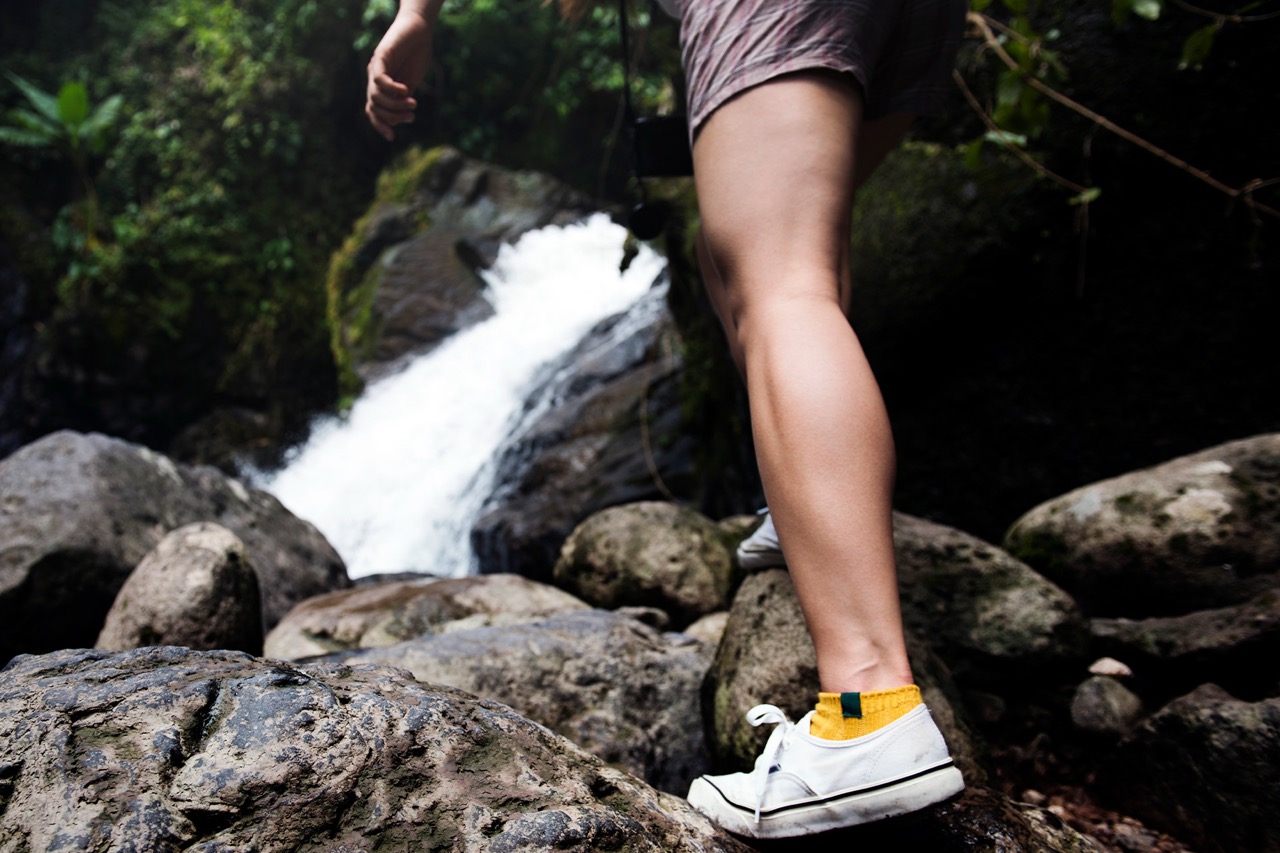
Do you live in a part of the country where humidity is an everyday part of the weather forecast? If so, let’s chat about keeping your legs happy and healthy, especially when you're living in, or acclimating to, a warm, tropical climate.
Humidity can have an impact on how we are feeling, and this includes our legs. Living in a humid climate can present extra challenges to our circulation and vein health. Let’s explore the reasons for this and some tips on how to keep your legs feeling light and comfortable, no matter how sticky it gets.
Understanding Humidity's Effect on Veins
We know that outdoor activities feel harder in humid weather, but humidity can also impact vein health, especially for people with varicose veins or venous insufficiency. Here’s why.
When there is a high humidity level our bodies have a harder time cooling down through sweat evaporation. This can make our blood vessels dilate (widen) to try and release heat, which can exacerbate the symptoms of vein issues like varicose veins, sometimes referred to as “heat veins”.
As a result of this blood vessel dilation, symptoms of venous insufficiency and varicose veins may worsen as temperatures and humidity rise.
These symptoms include:
- Leg discomfort or pain
- Heaviness
- Swelling
- Cramping
- Itching
Common Vein Disease Problems Exacerbated by Humidity
In addition to varicose veins, high humidity can also have a negative impact on some other common vein issues:
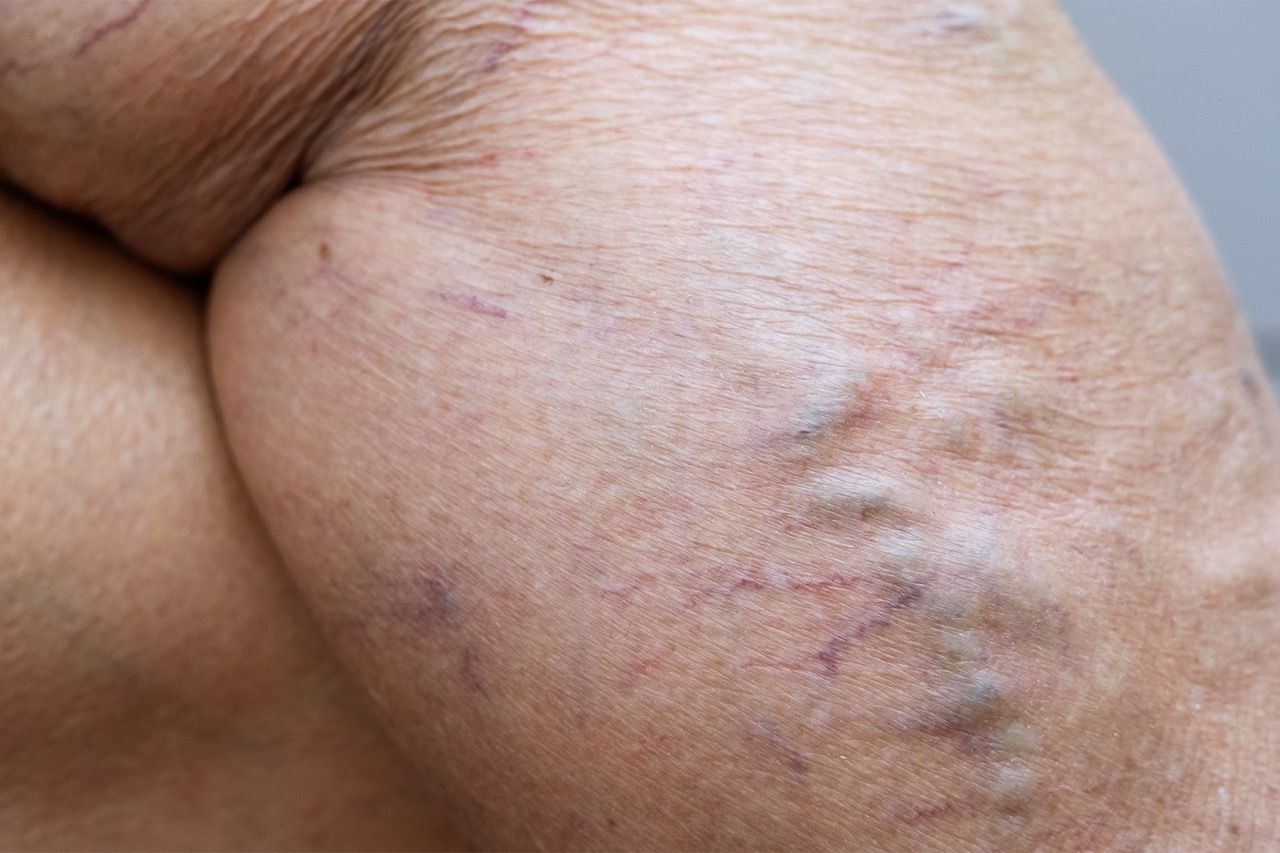
- Spider Veins: Vein dilation due to humidity can make the appearance of spider veins more visible.
- Leg Swelling: Your body retains fluid in humid conditions, leading to more noticeable swelling (edema) in your legs and ankles.
- Chronic Venous Insufficiency (CVI): For people with CVI, when your veins can't efficiently pump blood back to your heart, the heat can make symptoms feel worse.
- Skin Irritation: Poor circulation in humid environments can sometimes lead to skin issues like inflammation, dryness, and stasis dermatitis (venous eczema), which is a symptom of CVI.
- Compression Discomfort: High humidity can also make compression garments uncomfortable, which is an effective treatment for managing vein disease and venous eczema.
Risk Factors in Humid Climates
The body reacts to heat and humidity by trying to adapt. Some of the body’s natural changes, however, can lead to additional issues for those with vein health conditions.
Here are some risk factors to keep an eye on:
- Dehydration: Even if you don't feel thirsty, you can get dehydrated faster in humid weather, making your blood thicker and harder to pump.
- Salt Retention: Our bodies tend to hold onto more salt when it's humid, which can also lead to more fluid retention and swelling.
- Low Activity: While it’s tempting to lounge around in the AC when it's hot and humid outside, sitting or standing for prolonged periods is correlated to the progression of vein disease.
- Age and Genetics: An advanced age and a family history of vein health issues are both contributing factors in the development of vein disease, no matter the weather.
Practical Daily Management Strategies
If you live or travel to areas where humidity is the norm, there are some simple things you can do to manage the weather and its impact on your vein health, including:
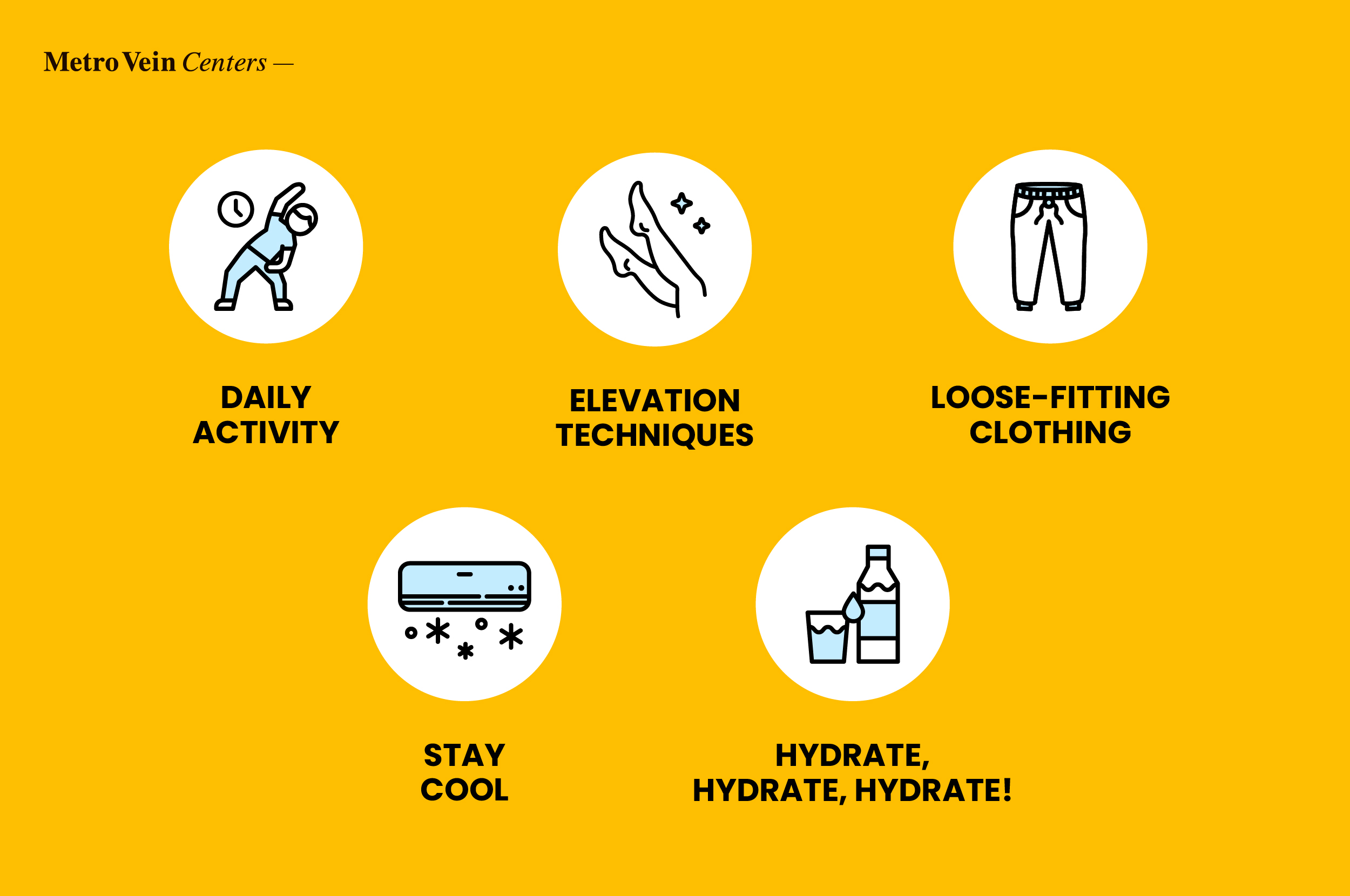
- Daily Activity: Start your day with some gentle leg stretches and maybe a quick walk. In addition, it's a good idea to choose your activity times in the morning or evening when it's cooler and less humid.
- Elevation Techniques: Putting your feet up can improve blood flow and relieve pain and swelling.
- Loose-Fitting Clothing: Loose and comfortable clothing allows the skin to breathe and allows for better circulation, especially when it's humid.
- Stay Cool: If you can, spend some time in air-conditioned spaces to give your veins a break from the heat.
- Hydrate, hydrate, hydrate! Sip water throughout the day, even if you don't feel parched. Add in some beverages that contain electrolytes if you've been sweating a lot.
Compression Therapy in Humid Environments
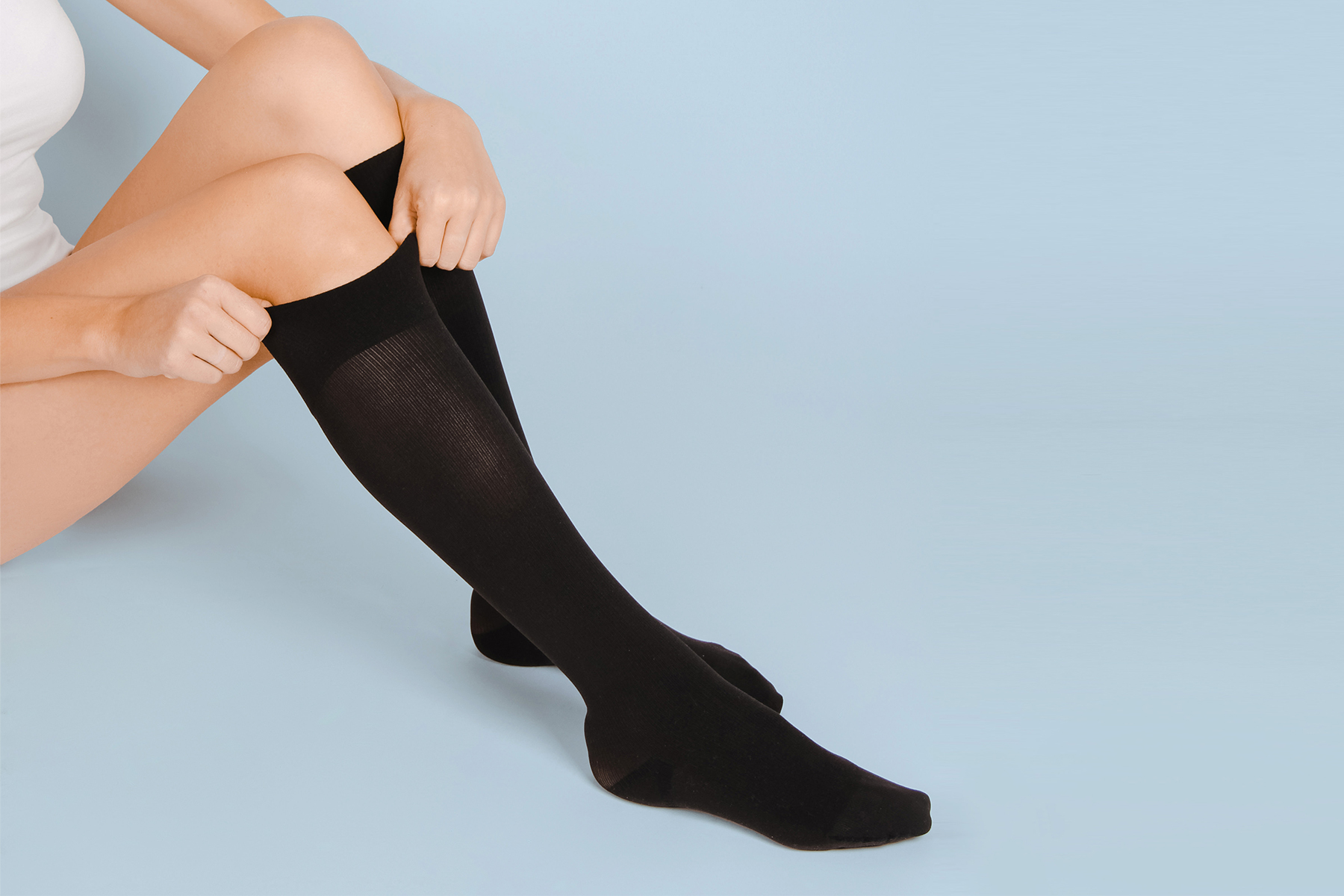
Although compression stockings can feel more uncomfortable in heat and humidity, they can be extremely helpful in managing the symptoms (and progression) of vein disease.
Here are some ways to make wearing them in the humidity a little easier.
- Look for lightweight, breathable compression stockings. There are even some designed specifically for warmer weather.
- Consult your vein specialist about wearing schedules - there may be times that you do not need to wear compression all day long.
- Choose cotton blends or moisture-wicking fabrics, which can make a big difference in comfort levels.
- You may want to wash your compression garments more often in the humidity to keep them fresh and effective.
Exercise and Movement Considerations
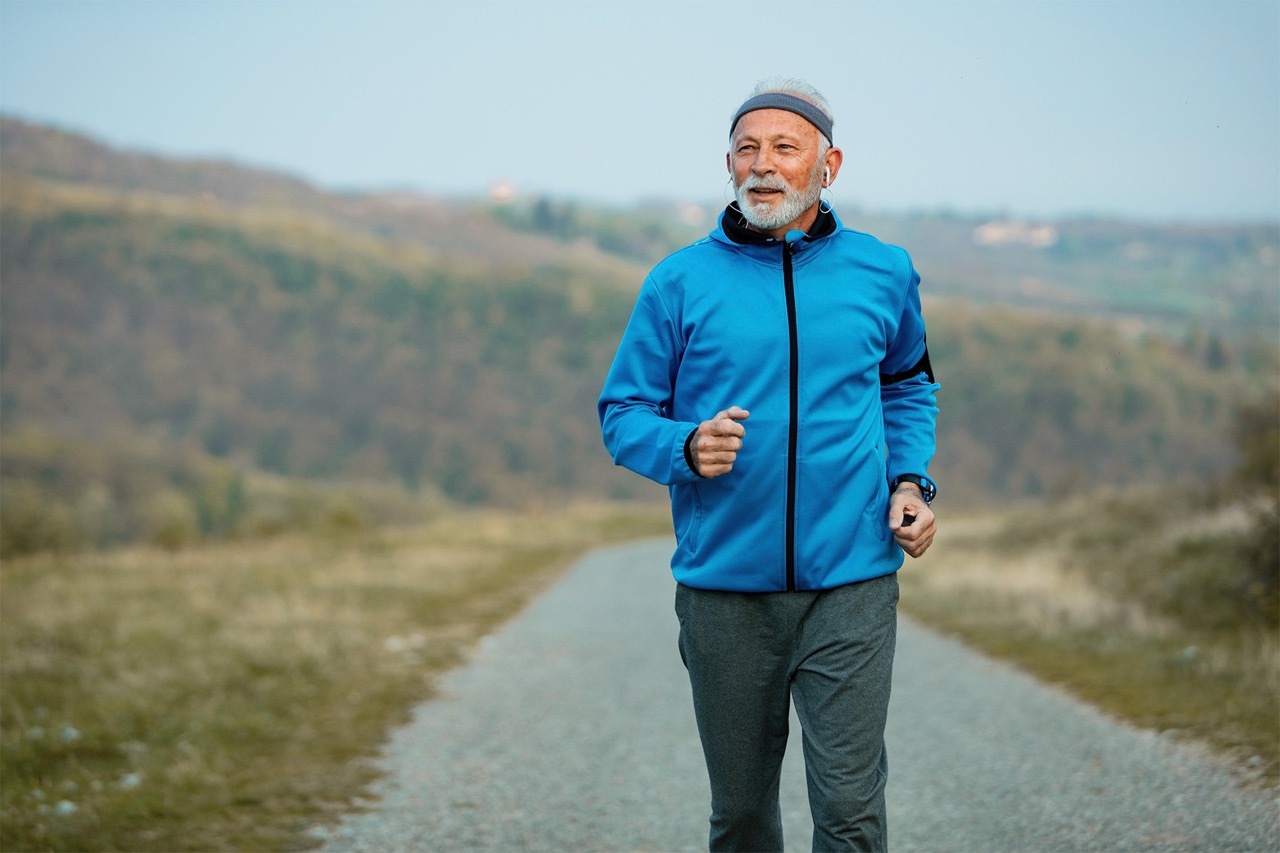
Daily physical exercise is good for you and your veins, especially if you have a diagnosed vein condition. However, exercising during periods of high humidity can certainly be more challenging. Consider the following modifications during your activities:
- Aim for workouts in the cooler parts of the day – early morning or late evening.
- Choose low impact activities like walking, swimming, or cycling. These are gentle on your joints and still get your blood pumping.
- After exercising, find some AC and maybe even apply a cool compress to your legs.
- Swimming is a fantastic choice because the water provides natural compression and keeps you cool.
Dietary Approaches for Vein Health in Humidity
What you eat and drink can make a big difference too. Here are some vein-healthy choices to add to your daily routine:
- Load up on fruits and veggies with high water content like watermelon, cucumbers, and strawberries.
- Low-sodium options: too much salt intake can make your body hold onto extra water, contributing to swelling.
- Choose colorful fruits, leafy greens, and omega-3 rich fish.
- Some dietary supplements may be helpful, but always chat with your doctor before adding anything new.
When to Seek Medical Help
Listen to your body and don't hesitate to reach out if things feel off. Vein health red flags include sudden or severe swelling, pain, skin changes, or warmth in your legs.
If you notice a sudden worsening of any of your vein symptoms or have chest pain, skin that looks bluish or discolored, or trouble breathing, this could be an emergency situation, and you should seek immediate medical care.
Long-Term Planning for Vein Health
Work on a vein health maintenance plan with your vein doctor to keep your veins happy for the long haul. Some seasonal modifications that may help include:
- As the really humid months approach, ramp up your preventative strategies.
- If you're traveling between climates, be extra mindful of how your legs are feeling and adjust your routine.
- Regular visits to a vein specialist will help us keep an eye on things and catch any potential issues early.
Conclusion
Living in a humid climate can add a layer of challenges to taking care of your leg veins, but it is manageable if you know the facts. By understanding how the humidity affects your circulation and following these practical tips, you can keep your legs feeling comfortable, healthy, and ready for anything – even the hot, sticky days.
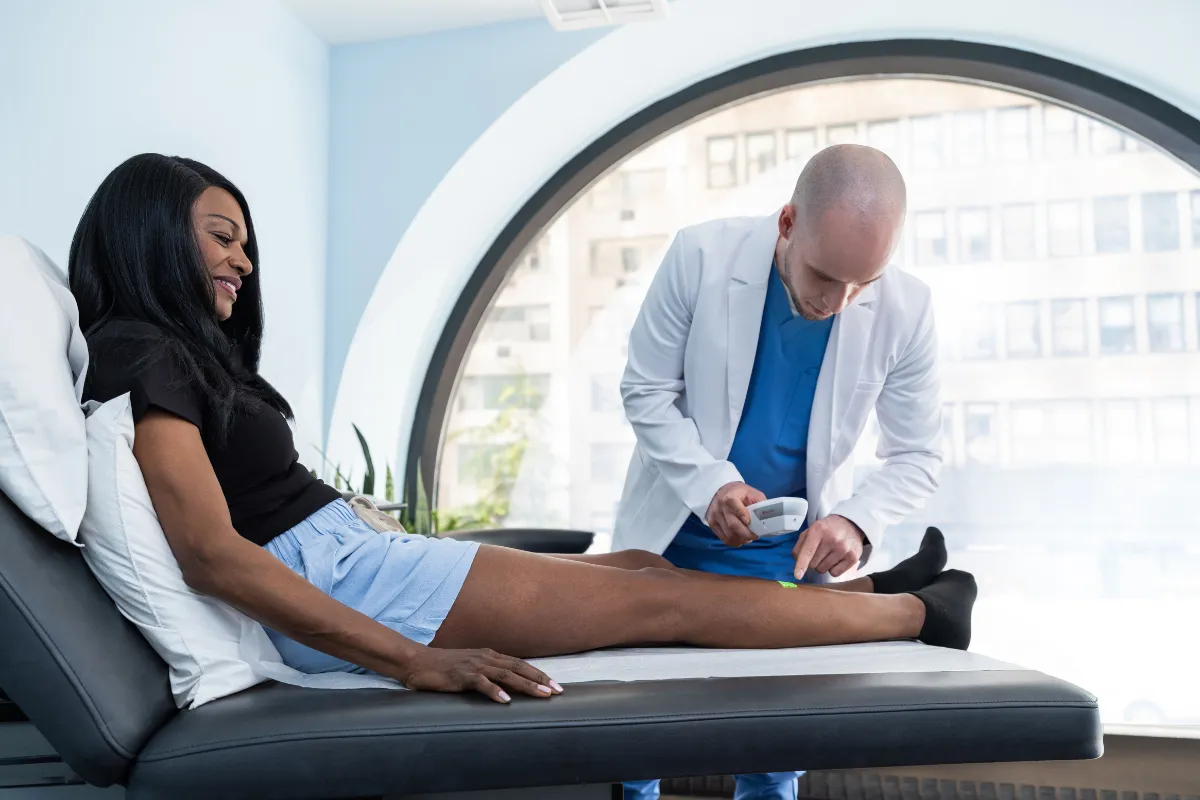
If you have any questions or concerns about vein health care in high humidity areas, book a free consultation with one of our vein specialists at the Metro Vein Centers location nearest you.
Frequently Asked Questions
How does the combination of high altitude and humidity affect vein health in mountainous tropical regions?
High altitude can already make your body work harder to circulate blood due to lower oxygen levels. Add humidity, which makes it harder to cool down, and you've got extra strain on your veins. Staying extra hydrated, wearing compression stockings, and pacing yourself with activity are key.
What are the most breathable compression stocking materials for year-round wear in consistently humid environments?
Look for natural fibers like cotton or bamboo blends, or tech fabrics designed to wick away moisture. These will help keep your legs cooler and drier.
Can relocating from a dry to a humid climate trigger the development of new varicose veins?
While relocating itself doesn't directly cause varicose veins, the increased heat and potential for more fluid retention in a humid climate could make existing, underlying vein issues more noticeable or potentially accelerate their progression in some people.
How should compression therapy routines differ between humid summer months versus drier winter periods?
In the humid summer months, you should opt for lighter compression levels or shorter wearing times, focusing on the hottest parts of the day. In drier, cooler months, you might find heavier compression and longer wear times more comfortable and beneficial. Your vein specialist can provide a wearing schedule that best suits your needs.
What specific nighttime elevation techniques are most effective for reducing humidity-related leg swelling?
Elevating your legs above your heart while you sleep is always a good idea. Try using pillows to prop up your feet and legs. Keeping the room cool with AC or a fan can also help reduce swelling.
Frequently Asked Questions
High altitude can already make your body work harder to circulate blood due to lower oxygen levels. Add humidity, which makes it harder to cool down, and you've got extra strain on your veins. Staying extra hydrated, wearing compression stockings, and pacing yourself with activity are key.
Look for natural fibers like cotton or bamboo blends, or tech fabrics designed to wick away moisture. These will help keep your legs cooler and drier.

Dr. Philip LoPresti
Meet Dr. Philip LoPresti, DABVLM, FACS, a board-certified surgeon and vein specialist and surgeon with over 20 years of experience. Schedule an appointment with him in Queens, NY today.
Meet Dr. Philip LoPresti
Trusted insight from the nationally accredited, board-certified vein doctors at Metro Vein Centers.