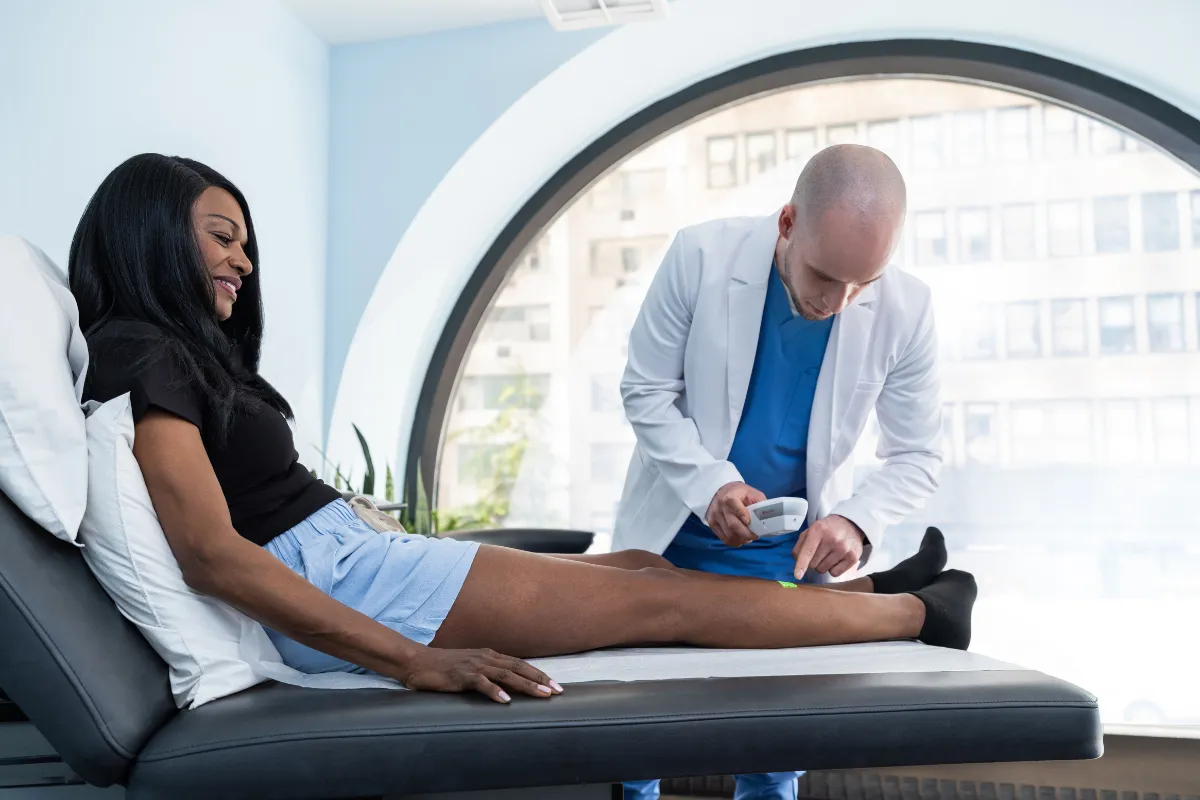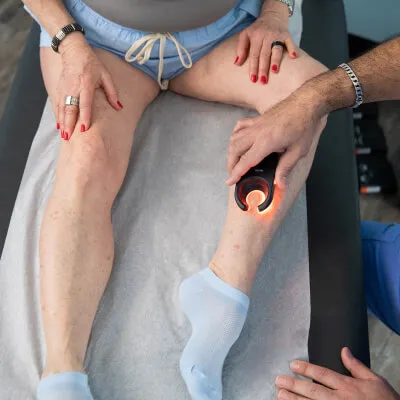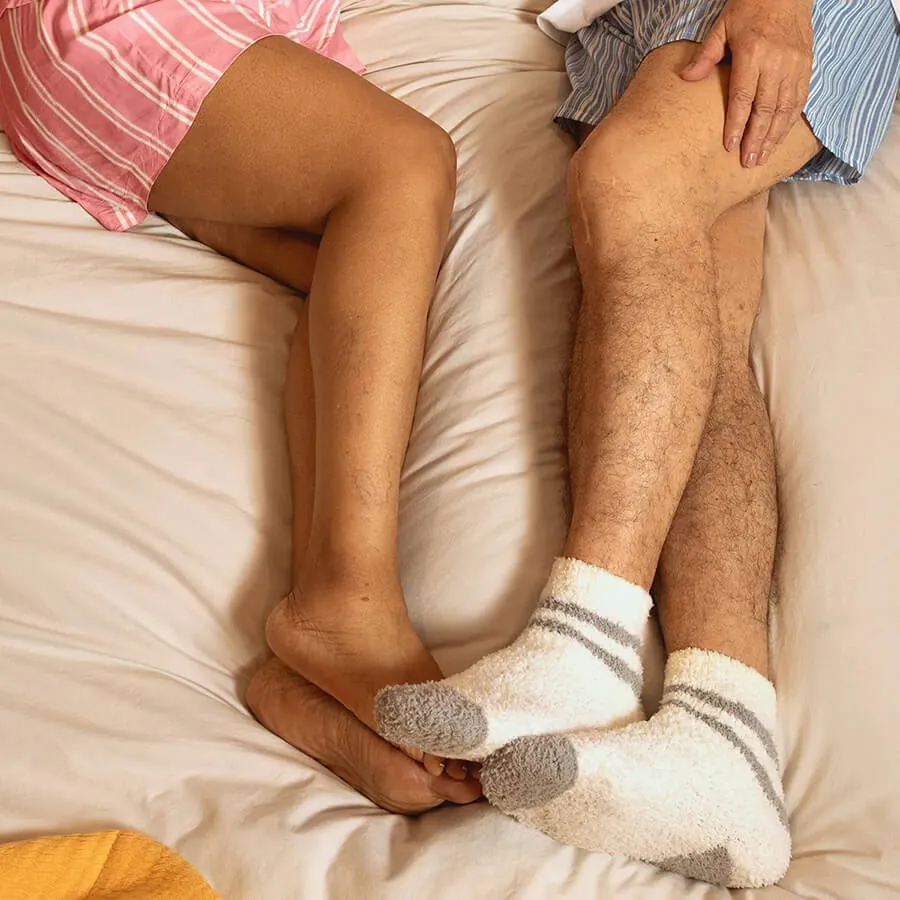

Sleep quality and vein health are closely interconnected. Healthy circulation allows blood to return efficiently to the heart, but when vein valves fail (called venous insufficiency), blood pools in the legs, causing aching, heaviness, and restlessness. These symptoms often peak at night, leading to Restless Legs Syndrome (RLS) and disrupted sleep. Improving vein health through movement, elevation, and professional treatment can significantly reduce nighttime discomfort and restore deep, restorative sleep.
The Hidden Connection Between Your Veins and Your Sleep
When we think about what helps get a good night’s sleep, we usually focus on our mattress, room temperature, or screen time. However, for millions of Americans, the secret to restorative sleep isn't in their pillows; it’s in their legs.
This is because there is a direct link between sleep quality and vein health. While healthy blood circulation allows the body to repair itself during rest, underlying vascular issues like venous insufficiency can turn bedtime into a struggle to get enough sleep due to heavy legs, cramping, itching, and tingling, and RLS.
Understanding Venous Insufficiency: Why Symptoms Worsen at Night
Vascular health impacts how efficiently blood returns from your extremities to your heart. When this system falters, the resulting physical discomfort doesn't just make it hard to fall asleep; it can wake you from a deep sleep cycle throughout the night.
If you often experience heavy legs or a dull ache that only seems to get worse once you climb into bed, vascular conditions may be the silent culprit behind your fatigue during the day.
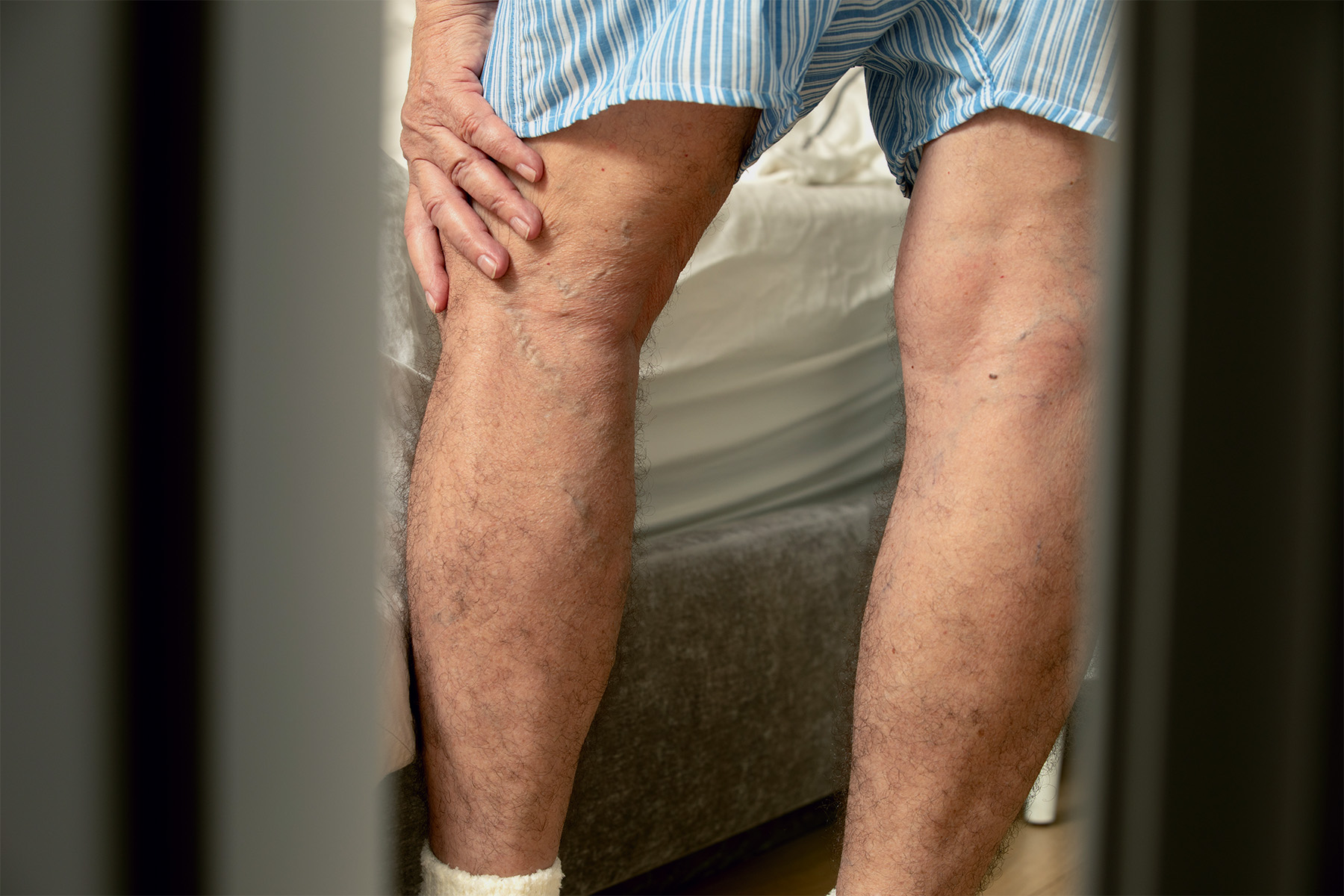
To understand why sleep is affected, let’s take a look at how our valves work. In healthy veins, one-way valves push blood upward against gravity. In patients with chronic venous disease, these valves become incompetent, allowing blood to flow backward and collect in the lower legs, a process called venous pooling.
Why are symptoms worse at night? Throughout the day, gravity causes fluid to accumulate in the lower extremities (interstitial edema). By evening, the pressure in these veins reaches its peak. The increased pressure can cause nocturnal symptoms such as throbbing, discomfort associated with varicose veins, and even a persistent creeping sensation.
Restless Legs Syndrome (RLS) vs. Venous Restlessness
Many patients are surprised to learn that RLS, a neurological condition, is also linked to vein health. When RLS is connected to chronic venous insufficiency, it is considered venous restlessness.
The symptoms of venous RLS can show in these ways:
- An overwhelming urge to move the legs.
- Symptoms that worsen during periods of rest.
- Creeping, crawling, or throbbing sensations that are most intense in the evening or night.
- Temporary relief can be found through movement or stretching.
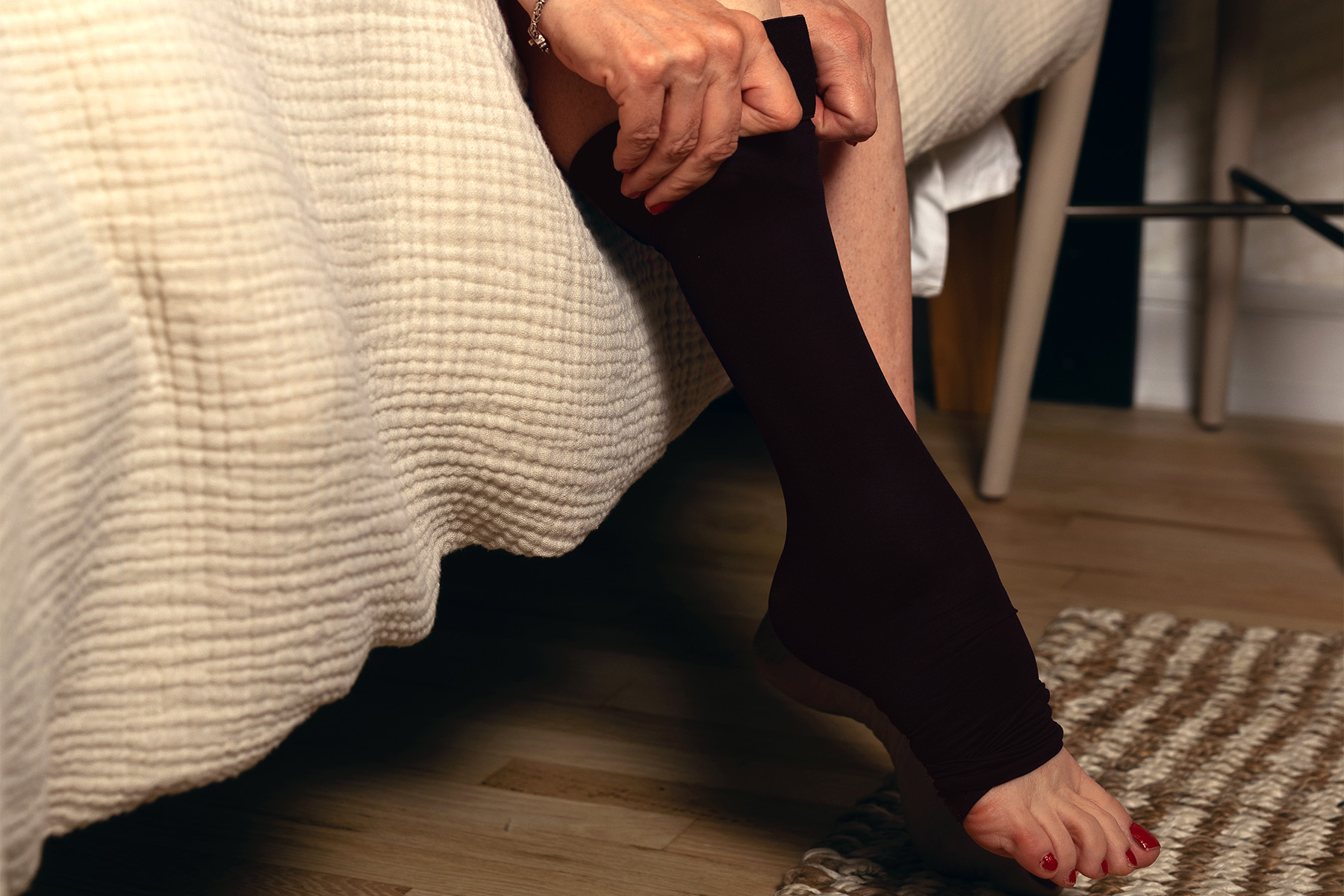
When blood pools in the legs, the creeping sensation is often the body’s way of signaling that it needs circulation. Treating the underlying venous insufficiency often provides significant relief for RLS symptoms.
How Vein Issues Affect Your Sleep Quality
Even if you manage to fall asleep, vein issues can disrupt the quality of your sleep throughout the night. Two syndromes that contribute to poor sleep quality include Periodic Limb Movement Disorder (PLMD) and micro-arousals.
Periodic Limb Movement Disorder
An estimated 80–90% of people with RLS also have PLMD. PLMD causes involuntary, repetitive jerky movements (usually the legs) during sleep, leading to disrupted REM sleep and daytime fatigue.
Micro-Arousals
Each PLMD movement can cause a micro-arousal, a 3 to 15-second period of wakefulness that you might not even remember, but can prevent you from reaching or staying in slow-wave (deep) and REM sleep.
The result? You may get 8 hours of sleep, but you wake up feeling unrefreshed because your sleep latency (the time it takes to fall asleep) was longer, and your sleep cycles were constantly interrupted.
The Secondary Risks of Chronic Poor Sleep
Ignoring the link between sleep quality and vein health can lead to negative consequences for your overall health. These include:
A Cardiovascular Risk
Chronic sleep fragmentation increases sympathetic nervous system stimulation, which can raise your heart rate and blood pressure. It is important to note that there is also a connection between vein health and heart health.
Impact on Mood and Cognition
We’ve all heard that lack of sleep makes a person cranky. In more scientific terms, a lack of restorative sleep can lead to daytime irritability, brain fog, and an increased risk for mood disorders.
The Feedback Loop
Did you know that poor sleep can also lower your pain threshold? This is because a lack of sleep can interfere with the brain's natural pain-modulation systems.
This means that when you are overtired, the heavy leg sensations from your veins can feel even more painful during the night, creating a cycle of chronic discomfort.
Real Tips for Better Circulation and Sleep
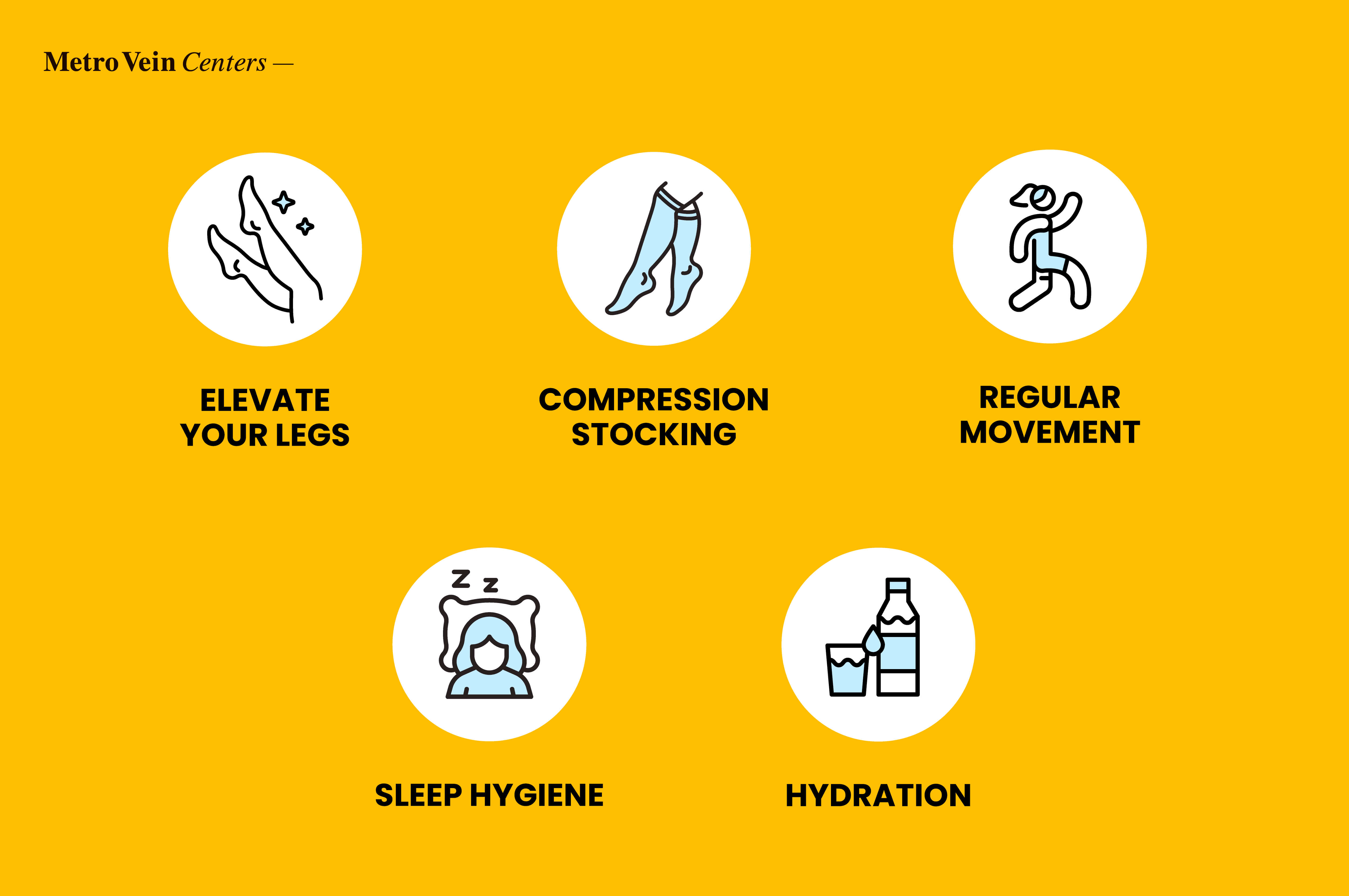
While professional vein treatment is the gold standard for resolving vascular issues, these simple lifestyle habits can help you manage your symptoms:
Elevation: Prop your legs above your heart for 15 minutes before bed to use gravity to drain pooled blood.
Compression Therapy: Wearing medical-grade compression stockings during the day reduces interstitial edema and alleviates symptoms at night.
Regular Movement: Low-impact exercise (such as walking or swimming) strengthens the calf pump, which assists with circulation.
Sleep Hygiene: Key practices that help manage your environment for optimal rest.
Hydration: Proper hydration keeps blood viscosity low and can reduce vascular inflammation.
When to See a Vein Specialist
If your restless legs and nighttime discomfort due to vein health issues are preventing you from getting the restorative sleep you need to function, it’s time to look below the surface. At Metro Vein Centers, we specialize in identifying the root causes of leg discomfort.
Treating diseased veins isn't just about aesthetics; it’s also about reclaiming your sleep. Often, the first step toward a better tomorrow is treating your veins today. Book a free consultation to get started.
Frequently Asked Questions
Yes. While not all RLS is caused by venous disease, venous insufficiency is a major trigger. When blood pools in varicose veins, it creates the exact sensory discomfort and urge to move that defines RLS.
When you lie down, the blood that has accumulated in your lower legs all day begins to shift. Without the calf pump action of walking, the pressure from venous pooling becomes more noticeable, leading to that heavy, aching sensation.
Yes. High sleep latency is common in patients with vein issues because the physical discomfort and creeping sensations make it impossible to find a comfortable position.
Yes. By preventing fluid buildup (interstitial edema) during the day, you will have less pressure and inflammation in your legs during the night.
Occasional cramps can be caused by dehydration or electrolyte imbalance. However, if cramps are frequent, occur mostly at night, and are accompanied by heaviness or visible swelling, this could be a sign of chronic venous disease.
Dr. Philip LoPresti
Meet Dr. Philip LoPresti, DABVLM, FACS, a board-certified surgeon and vein specialist and surgeon with over 20 years of experience. Schedule an appointment with him in Queens, NY today.
Meet Dr. Philip LoPresti
Trusted insight from the nationally accredited, board-certified vein doctors at Metro Vein Centers.