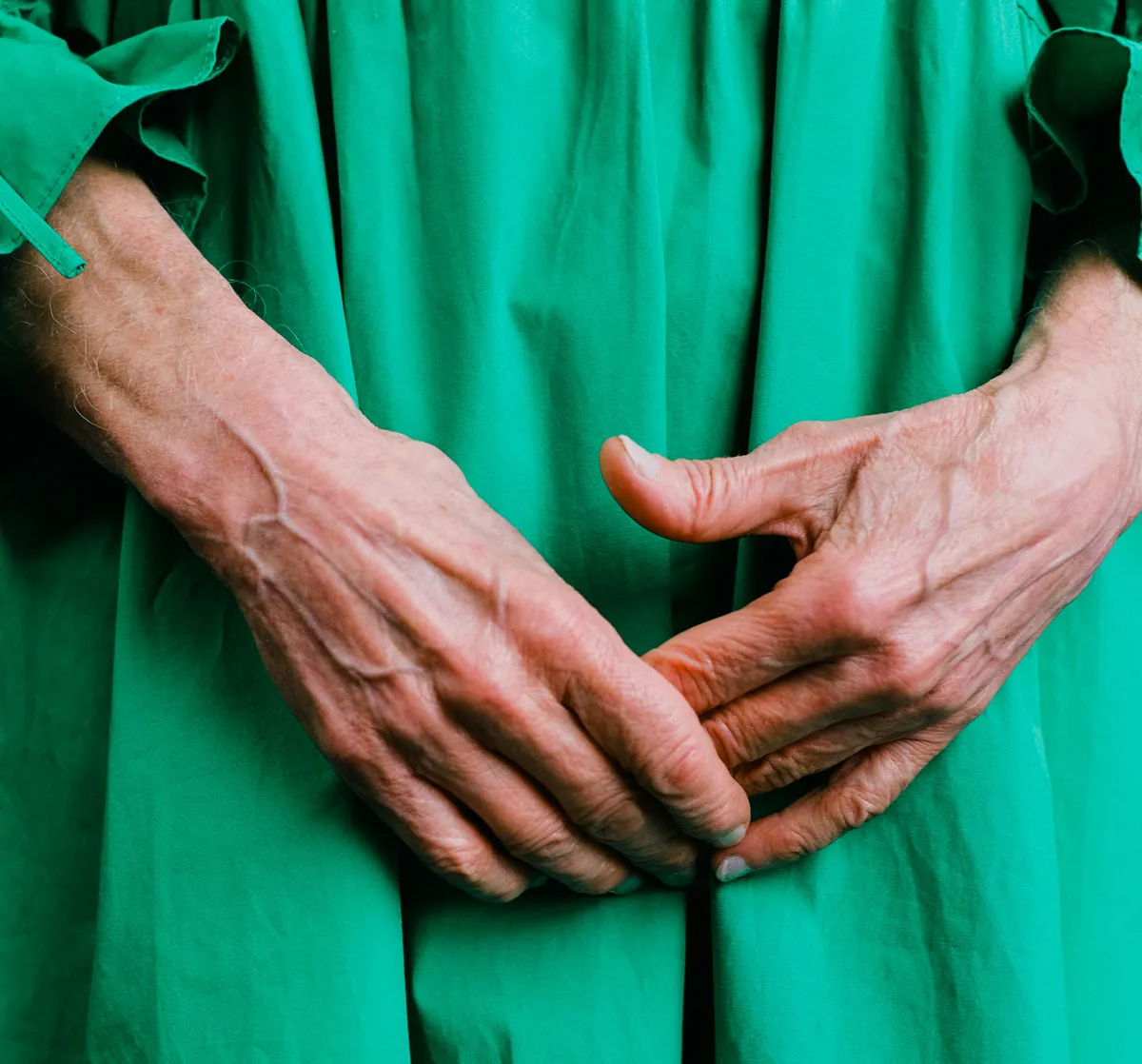
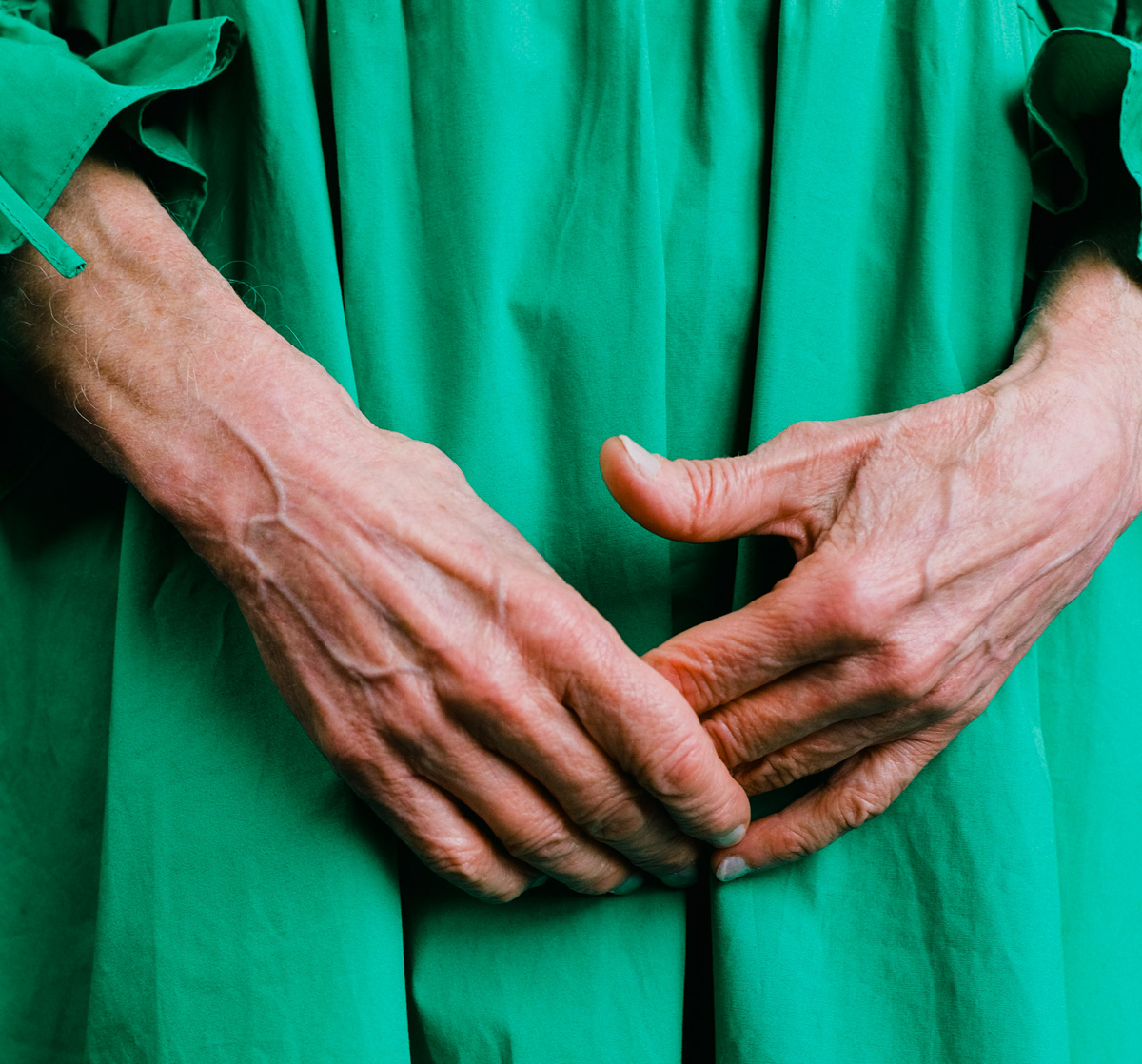
Bulging veins in your hands are almost always harmless. Factors like age, heat, exercise, and genetics all make hand veins more visible, and most of the time there's nothing to worry about. That said, veiny hands can occasionally point to something worth addressing like varicose veins, plebitis or blood clots, especially if they're painful, persistent, or showing up alongside symptoms in your legs. Knowing the difference is what matters most.
Reviewed by Dr. Philip LoPresti, Chief Medical Officer and board-certified surgeon and vein specialist at Metro Vein Centers. Dr. LoPresti has performed more than 20,000 vein treatments across Metro Vein Centers' nationally accredited clinics in New York.
If you've noticed changes in your veins and want to know what's really going on beneath the surface, the vein specialists at Metro Vein Centers offer free vein evaluations at 70+ clinic locations. Book yours today.
Why Do I Have Bulging, Veiny Hands?
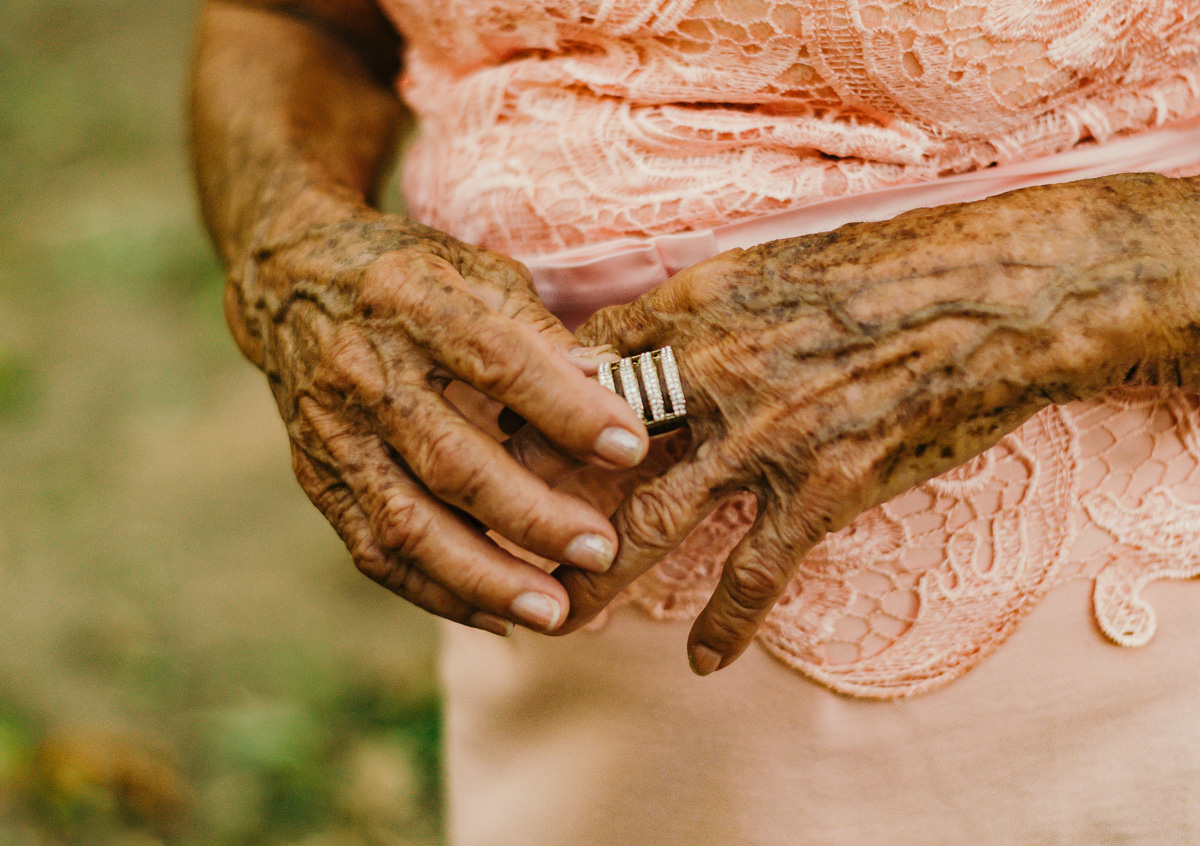
Veins become more visible in hands due to aging, which thins skin and reduces elasticity. Low body fat, exercise, genetics, and hot weather also contribute to prominent veins. While usually harmless, visible hand veins can sometimes indicate underlying vascular issues. These factors combine to make veins more noticeable.
You may have enlarged, bulging veins in your hands if:
- you just exercised. When you’re exerting yourself, blood pumps through your veins more than usual, resulting in raised veins and thicker-feeling hands.
- you’re older. Skin starts thinning as we age, so those who are aged 55 and over will start to notice.
- it’s hotter out. The temperature differences in our bodies vs. outside air can cause our blood to pump at a greater rate, causing our veins to appear more prominent.
- you are lower weight than average. Lower weight and low body fat mean there’s less insulation (yes, even on your hands).
- your parents or grandparents had veiny hands. Some things are just hereditary.
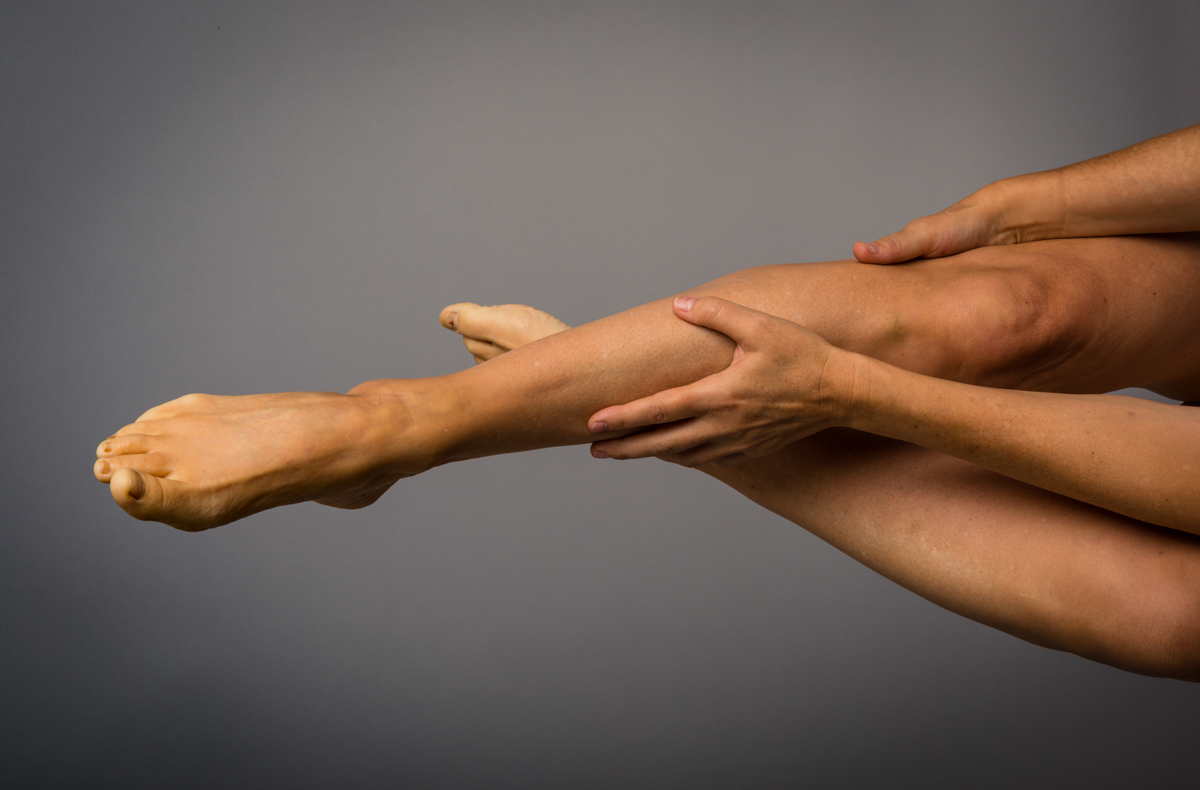
You may also have bulging hand veins if there’s a deeper issue. These could include:
- phlebitis. Various factors—including injuries, infections, or autoimmune diseases—can cause a swelling of the veins in your hands.
- varicose veins. Though varicose veins are often located in the legs, they may also be found in swollen, veiny hands. Varicose veins are bulging, swollen, enlarged, or twisted veins that affect 30% of adults, and are often a sign of an underlying medical condition. They can lead to pain, tingling, swelling, burning, and more serious issues.
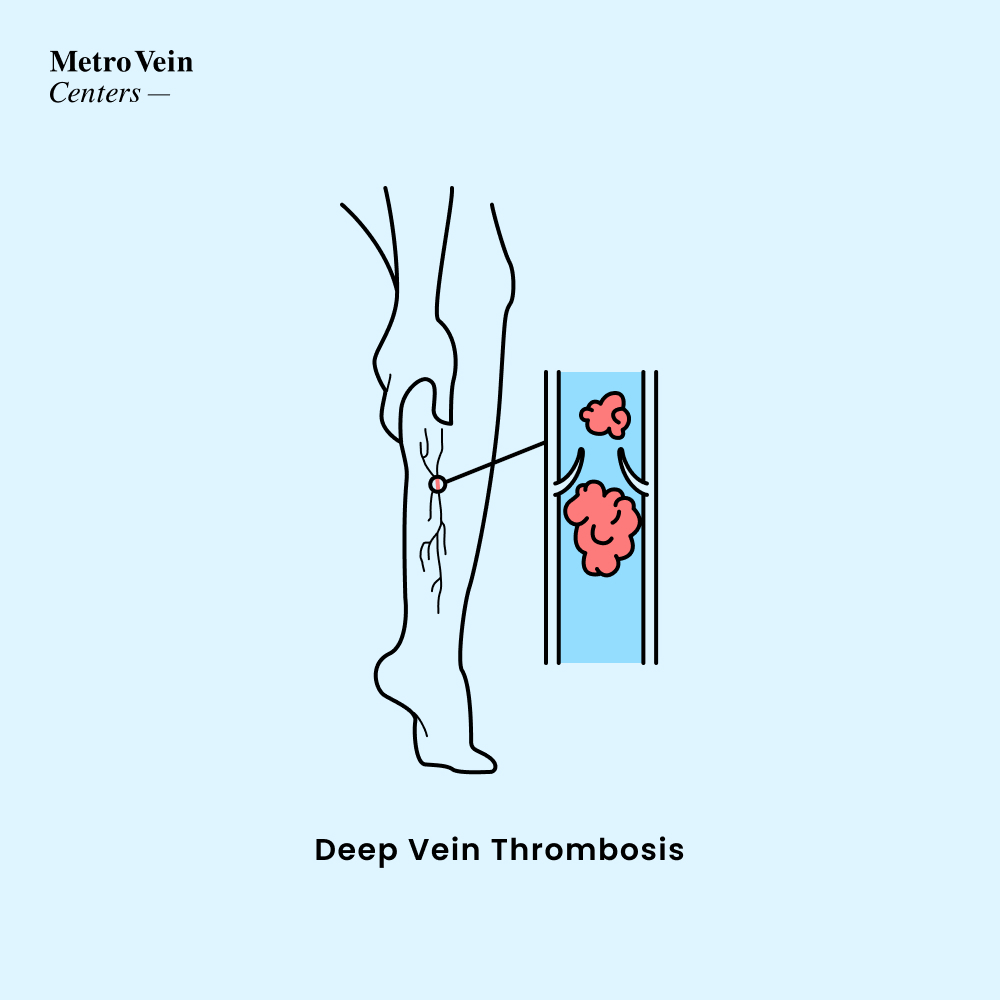
- blood clots. If you have permanently bulging veins in other parts of your body and not just your legs, it could be a sign of damaged veins and fluid that’s accumulating instead of properly circulating. When this happens, your risk for getting a blood clot rises substantially.
What Do Veiny Hands Mean?
Veiny hands are typically nothing to worry about. However, there are a few instances that may be cause for concern. If the veins in your hands only enlarge after changes in heat or extensive exercise, there’s likely no need to be worried. But if you notice any of the following, you’ll want to call Metro Vein Centers or a local urgent care soon.
- The veins in your hands hurt and never lessen.
- You have bulging veins in your hands and legs.
- There’s a build-up of blood in your hands, underneath the surface of the skin.
- Your chest feels tight, you have trouble breathing, and your veins feel like they’re about to burst.
- There is a small bulge in your wrist or arm, which could indicate a blood clot.
Sudden changes that lead to large, twisted veins in your hands without disappearing could be a sign of damaged veins, and may require treatment.
Worried About Your Veiny Hands? Worry About This Instead
When it comes to bulging hand veins that won’t go away, there are a few treatments you can look into. At Metro Vein Centers—one of the top nationwide vein care centers—we don’t tend to treat veiny hands. Instead, we treat the underlying medical conditions that enlarged, bulging veins often point to—and those issues typically reside in the legs.
The Answers Lie in the Legs

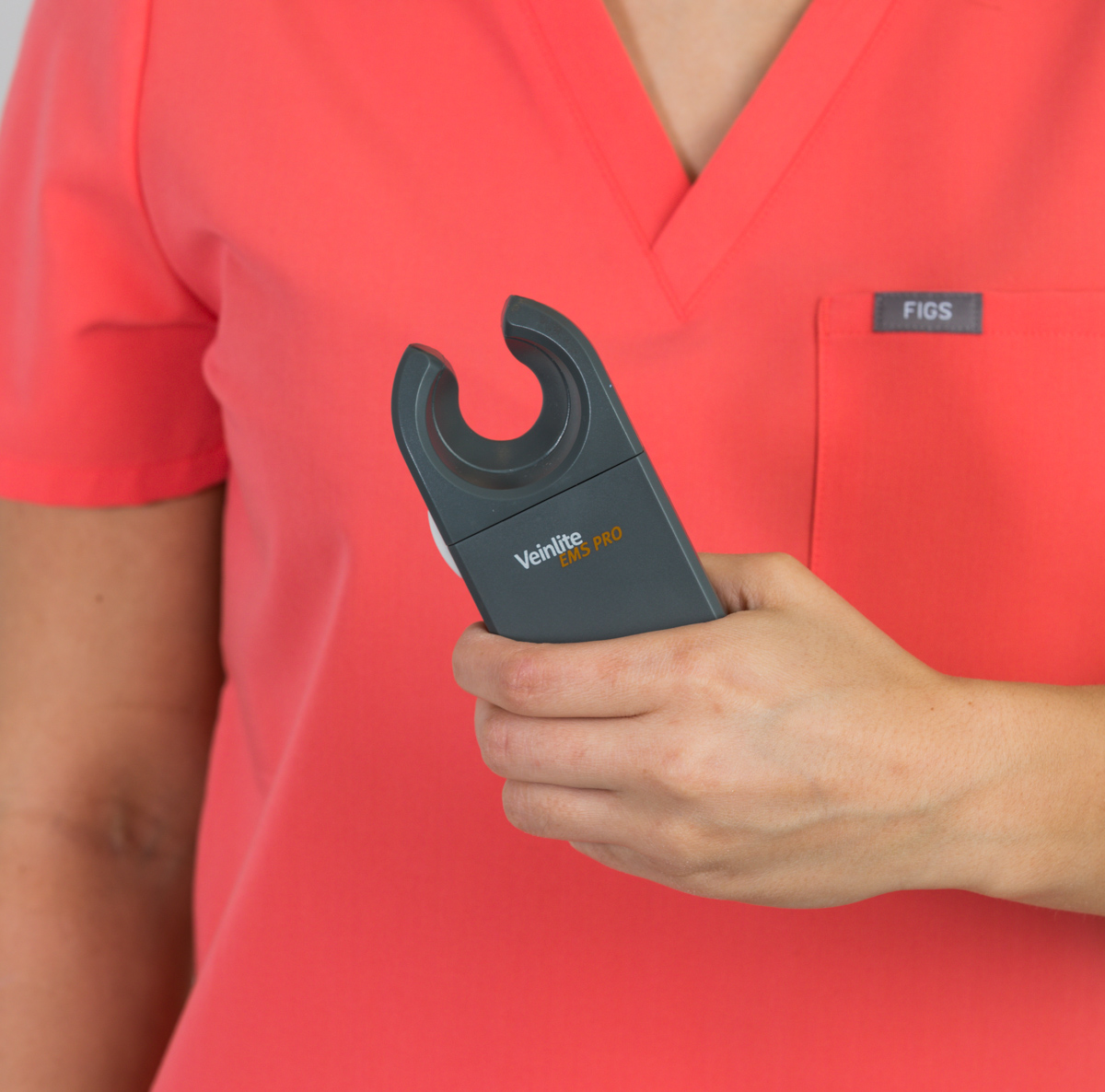
At all of our Metro Vein Centers branches, we typically treat spider veins and bulging varicose veins in the legs. Your legs carry so much pressure in your body when it comes to pumping blood against gravity, and that is why so many vein issues revolve around the legs—and not as much the neck, stomach, or arms. The legs also encompass the Great Saphenous Vein, or GSV—which is the longest vein in the body. Different networks of veins join the great saphenous vein, meaning that it’s one of the first areas that our vein specialist and ultrasound machines examine. Let’s put it this way: If there’s a possibility of a blood clot or signs of vein disease, it often starts in the legs, not the hands (no matter how veiny they look to you!).
That said, we offer both cosmetic treatments for small varicose veins and spider veins, and medical treatments for the unsightly, raised varicose veins that can cause more serious issues down the line.
Treatments for Veiny Hands
At Metro Vein Centers, we specialize in vein treatments for the legs. Our treatment options are all minimally invasive, meaning you can return to work within just an hour, or a day at most.
If you have bulging veins in your hands and in your legs as well, we recommend you see a vein specialist. If veiny hands are your only concern, and a medical professional has helped you rule out any potential medical issues, a dermatologist may be able to help.
At our vein clinics, our vein doctors, surgeons, and specialists treat only legs. By specializing, we’re able to knowledgeably treat our clients, and have a 98% success rate with over 200,000 patients served across the USA. Our highly experienced doctors use only the most up-to-date, state-of-the-art equipment.
Will My Varicose Veins Go Away By Themselves?
Varicose veins do not disappear on their own, and changes in diet, massages, activities, or sun exposure will not really make your veins smaller or nonexistent. The only way to make varicose veins disappear is by making an appointment with a vein specialist and treating the legs from the inside out.
Veiny Hands AND Legs? Here are the Best Varicose Vein Treatment Options
At Metro Vein Centers, we offer several options to treat problematic veins. Some clients come in to their vein appointments wanting more cosmetic changes, while others have debilitating and extensive vein damage that cause medical symptoms such as pain, swelling, itching, and restless legs.
Treatment Options at Metro Vein Centers
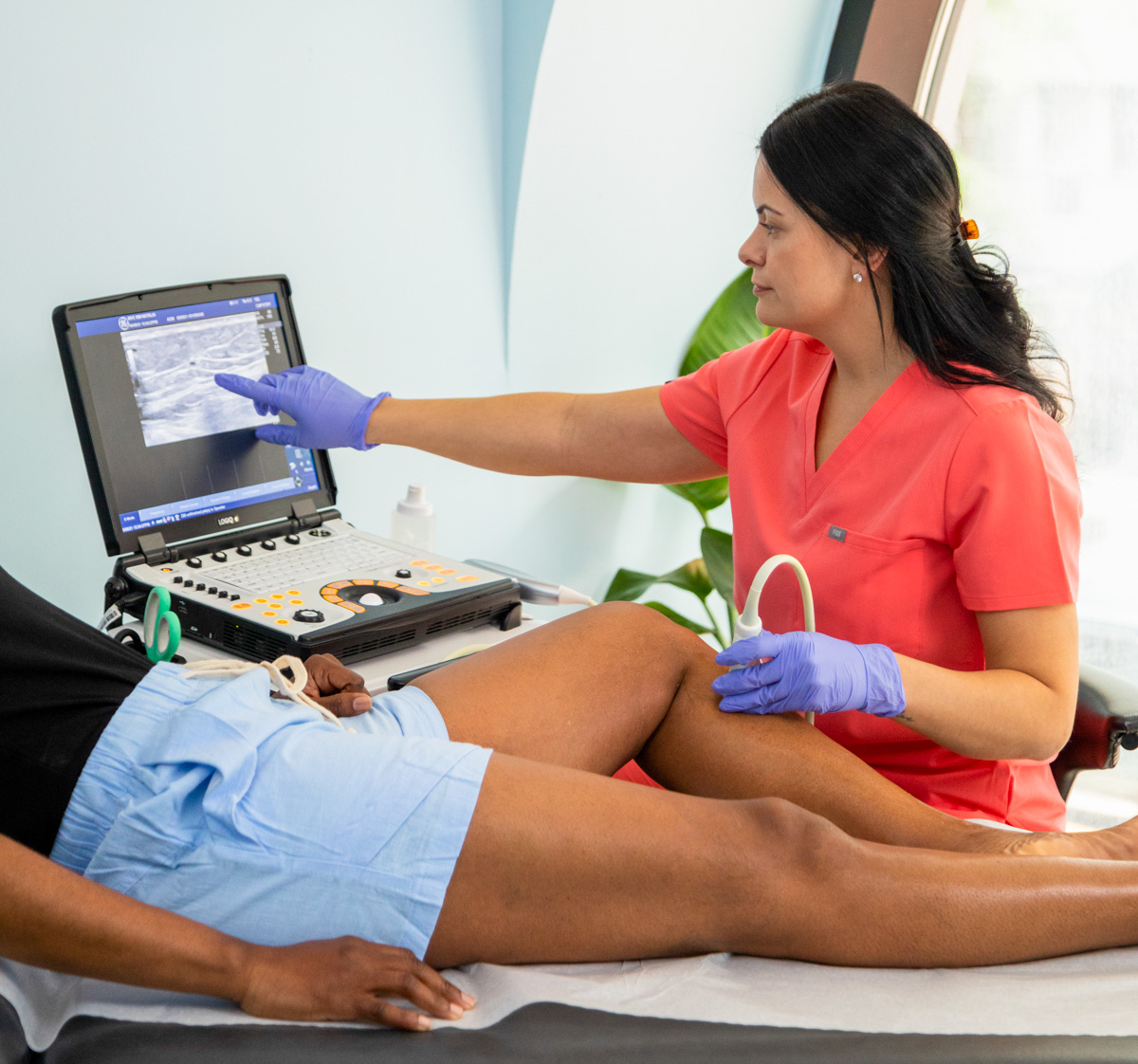
Our treatment options are all minimally invasive and require little to no down time.
Sclerotherapy
Sclerotherapy is a popular treatment that utilizes tiny injections of a special foaming agent. The damaged veins that receive treatment dissolve, allowing your legs to look like legs, not cobwebs of veins. Sclerotherapy is considered the gold standard when it comes to cosmetic vein repair.
Endovenous Laser Ablation and Radiofrequency Ablation
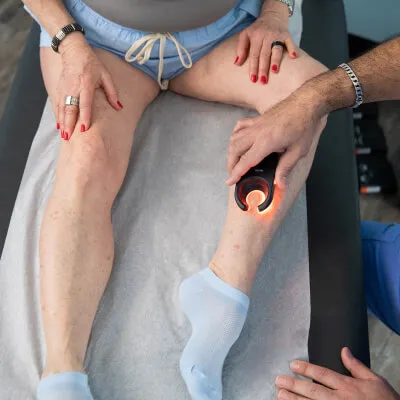
Ablation treatments, including Endovenous Laser Ablation and Radiofrequency Ablation, use tiny fibers that send either guided lasers or special radio waves into specific problem veins in the legs. The treated veins are then absorbed into your body, allowing blood to circulate through healthy veins.
Ambulatory phlebectomy
Phlebectomy is a treatment option that removes the largest bulging veins from the body instead of just treating them. Under local anesthesia so you remain comfortable, your vein doctor will make a few tiny incisions, then remove the entire vein for immediate pain relief—no stitches necessary.
Other treatment options
Additional treatment options we offer at Metro Vein Centers include excel V+ Laser, our new laser technology treatment option, and Varithena which uses a proprietary foam injectable.
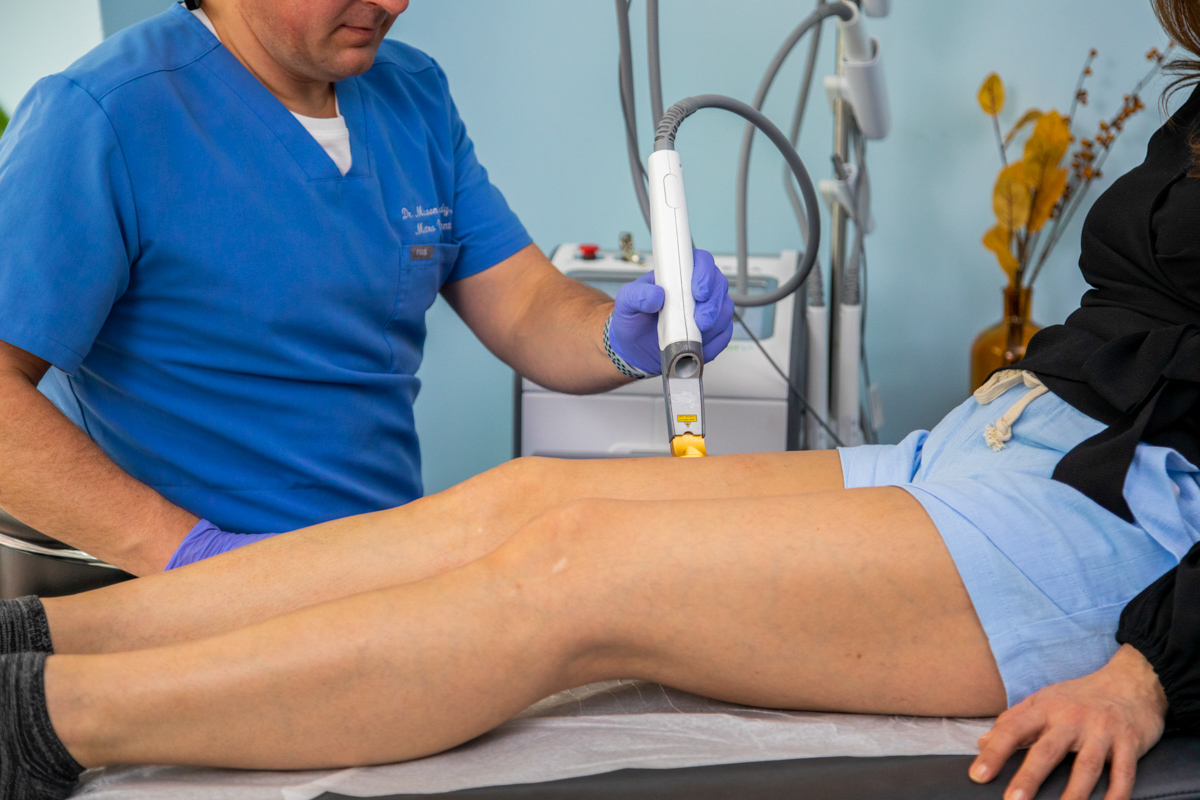
Sometimes a combination of treatment options is best for your particular health needs, and the only way to know the best route forward is to make an appointment at one of our vein treatment offices. We accept over 200 insurance plans, and over 91% of our vein treatments are covered by insurance!
Veiny hands may not look pretty, but it’s the potentially related, underlying issues surrounding the veins in your legs that we truly need to be aware of.
Click here to schedule an appointment. We look forward to helping you!
Frequently Asked Questions
Sudden changes in vein visibility are worth paying attention to. If the veins in your hands have always appeared prominent after exercise or hot weather, that's typically normal. But if they're newly enlarged, staying raised without a clear trigger, or accompanied by pain or swelling, it may signal an underlying vein condition like phlebitis or poor circulation. Changes that don't resolve on their own are worth discussing with a vein specialist, especially if you're also noticing bulging or painful veins in your legs.
Veiny hands on their own are rarely a sign of vein disease. Vein disease, also known as chronic venous insufficiency, develops when vein valves stop working properly and blood pools instead of circulating back toward the heart. Because the legs bear the greatest pressure in the circulatory system, that's where vein disease most often shows up first. That said, if you have prominent veins in both your hands and your legs, or you're noticing symptoms like aching, heaviness, or leg swelling, a free vein evaluation can tell you whether vein disease is involved.
Phlebitis is inflammation of a vein, and yes, it can occur in the hands and wrists. It typically causes redness, tenderness, warmth, and visible swelling along the vein. In the hands, phlebitis can result from an injury, infection, or an underlying vascular issue. While superficial phlebitis often resolves with rest and anti-inflammatory care, any painful or swollen vein that doesn't improve should be evaluated by a medical professional. If a vein in your arm or wrist feels hard, looks red, or causes ongoing discomfort, don't wait it out.
If veiny hands are your only concern and a doctor has ruled out issues like phlebitis or a blood clot, you may not need a vein specialist specifically. Metro Vein Centers' board-certified physicians focus on vein disease in the legs, where the circulatory system is under the most strain. If you're also noticing any symptoms in your legs, such as aching, swelling, visible varicose veins, or heaviness, scheduling a free vein evaluation is a good next step. Vein disease is progressive, and earlier care is always easier than waiting.
Varicose veins do not go away on their own. Diet changes, massage, and topical creams may offer temporary comfort, but they don't address the underlying cause. The only way to permanently close a diseased vein is through a minimally invasive vein treatment with a vein specialist. Today's options, including radiofrequency ablation, sclerotherapy, and VenaSeal, require little to no downtime and are covered by insurance when vein disease is present. The longer varicose veins go untreated, the more likely symptoms are to progress.

Dr. Philip LoPresti
Meet Dr. Philip LoPresti, DABVLM, FACS, a board-certified surgeon and vein specialist and surgeon with over 20 years of experience. Schedule an appointment with him in Queens, NY today.
Meet Dr. Philip LoPresti
Trusted insight from the nationally accredited, board-certified vein doctors at Metro Vein Centers.