Hyperpigmentation, a common surface-level skin issue affecting individuals of all ages, is often associated with factors such as sun exposure, injury, hormonal changes, and aging. Vein conditions, like chronic venous insufficiency (CVI), in the legs can also cause venous hyperpigmentation. Venous hyperpigmentation, along with spider veins and varicose veins on the legs are all cosmetic concerns that can impact your self-confidence. But what is the cause of venous hyperpigmentation?
Read on to explore the links between hyperpigmentation and vein disease and shed light on lesser-known causes and risks associated with your circulatory system.
What Causes Hyperpigmentation?
Hyperpigmentation from vein disease is caused by chronic high pressure inside your veins that forces red blood cells to leak into the surrounding skin, where they break down and leave behind permanent, iron-based stains.
When the tiny valves inside your veins weaken or fail, it triggers a ripple effect that can alter both the color and texture of your skin. This discoloration shows up in two distinct phases: when early-stage irritation triggers an overproduction of melanin (the skin's natural pigment), followed by advanced vascular staining.
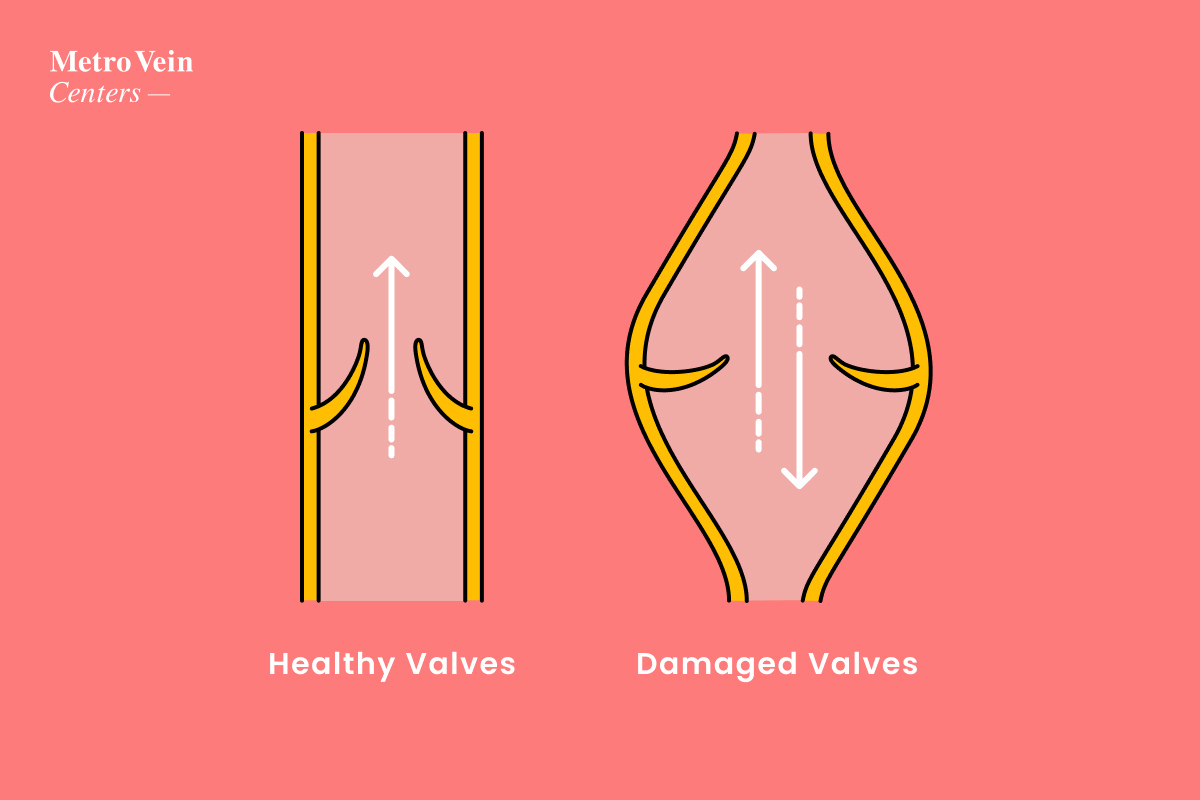
The step-by-step cause-and-effect typically looks like this:
1. Valve Failure
Healthy vein valves keep blood flowing upward toward the heart. When these valves fail, blood begins to flow backward venous reflux instead of moving efficiently forward.
2. Pooling & Pressure
As backward flow continues, blood pools in the lower legs. This pooling causes venous pressure to build up against the delicate walls of the blood vessels.
3. Vein Leakage
The sustained high pressure weakens the vein walls, eventually causing red blood cells to leak into the surrounding skin tissue.
4. Hemosiderin Deposits
Once outside the vein, the leaked red blood cells die and break down, releasing iron. This iron is stored in tissue as a protein complex called hemosiderin.
5. Skin Darkening
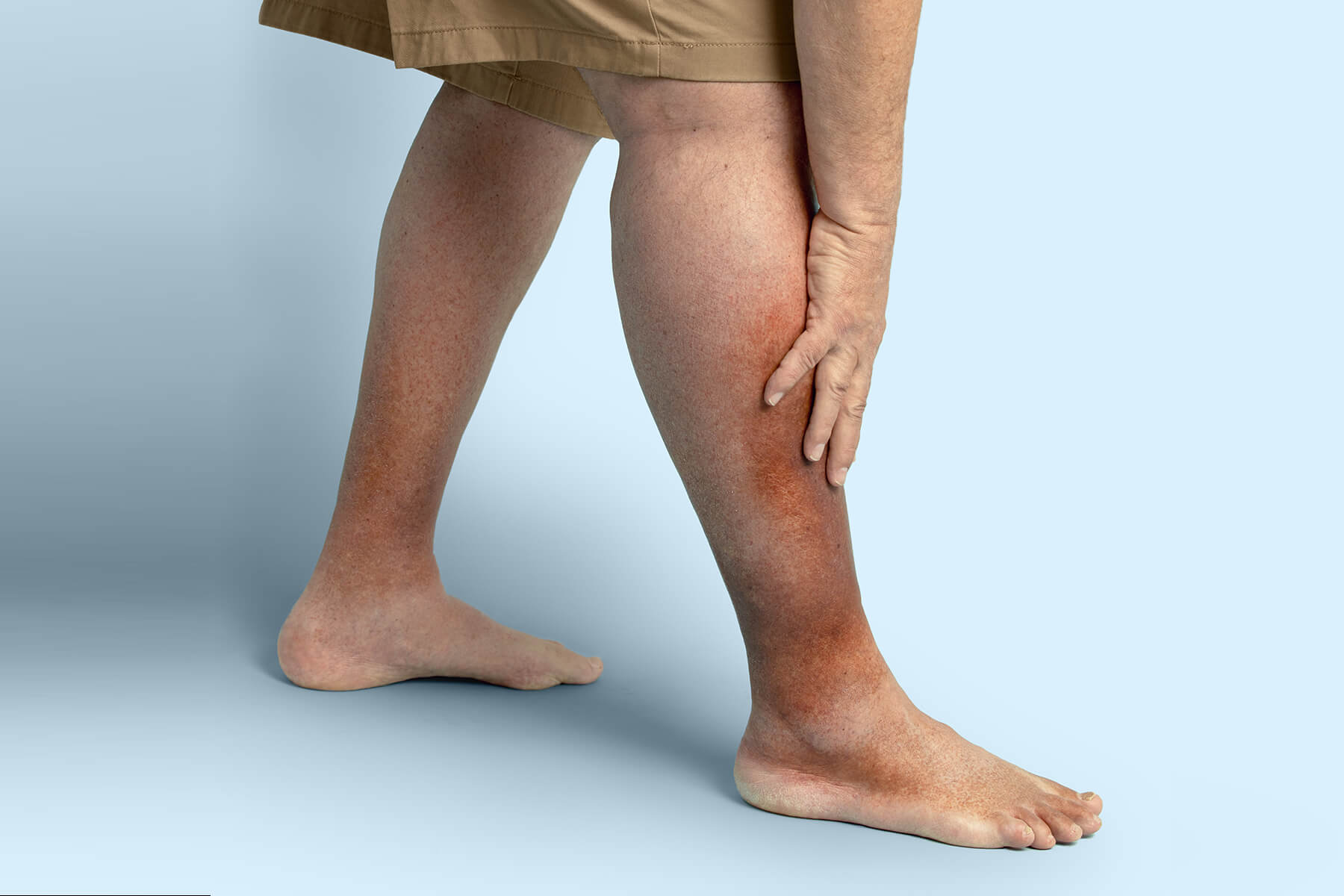
Over time, these accumulating hemosiderin deposits act like a permanent stain, shifting the skin to a darker, leathery, tanner hue.
In addition to the skin’s shifting color, venous hyperpigmentation is often accompanied by structural changes, most commonly characterized by a distinct coarseness, roughness, or thickening of the tissue.
What Are the Signs of Vein Disease-Related Hyperpigmentation?
Venous hyperpigmentation is typically a symptom of a larger vein issue and not the main medical concern. Skin discoloration is an indicator that blood is pooling in your lower legs, making early diagnosis and treatment possible. Here are some of the visible and physical warning signs:
- Brown, reddish, or bronze skin discoloration that typically starts around the lower legs or inner ankles.
- Skin thickening or a leathery, coarse texture is an advanced structural change known medically as lipodermatosclerosis.
- Visible varicose veins or spider veins clustered near or directly within the discolored areas.
- Chronic dryness, scabbing, scaling, or intense itching (stasis dermatitis) in the affected skin.
- Persistent itching, aching, or tingling sensations in the lower calves are common daily complaints among patients.
- Swelling (edema) in the lower legs and ankles, which frequently worsens by the end of the day or after prolonged standing.
- Early-stage ulcer formation, appearing as slow-healing open sores or shallow wounds on the lower leg.
- Increased vulnerability to soft tissue infections (cellulitis), a serious downstream risk where compromised skin allows bacteria to enter, causing sudden warmth, redness, and swelling.
How Hyperpigmentation Looks Across Different Skin Tones
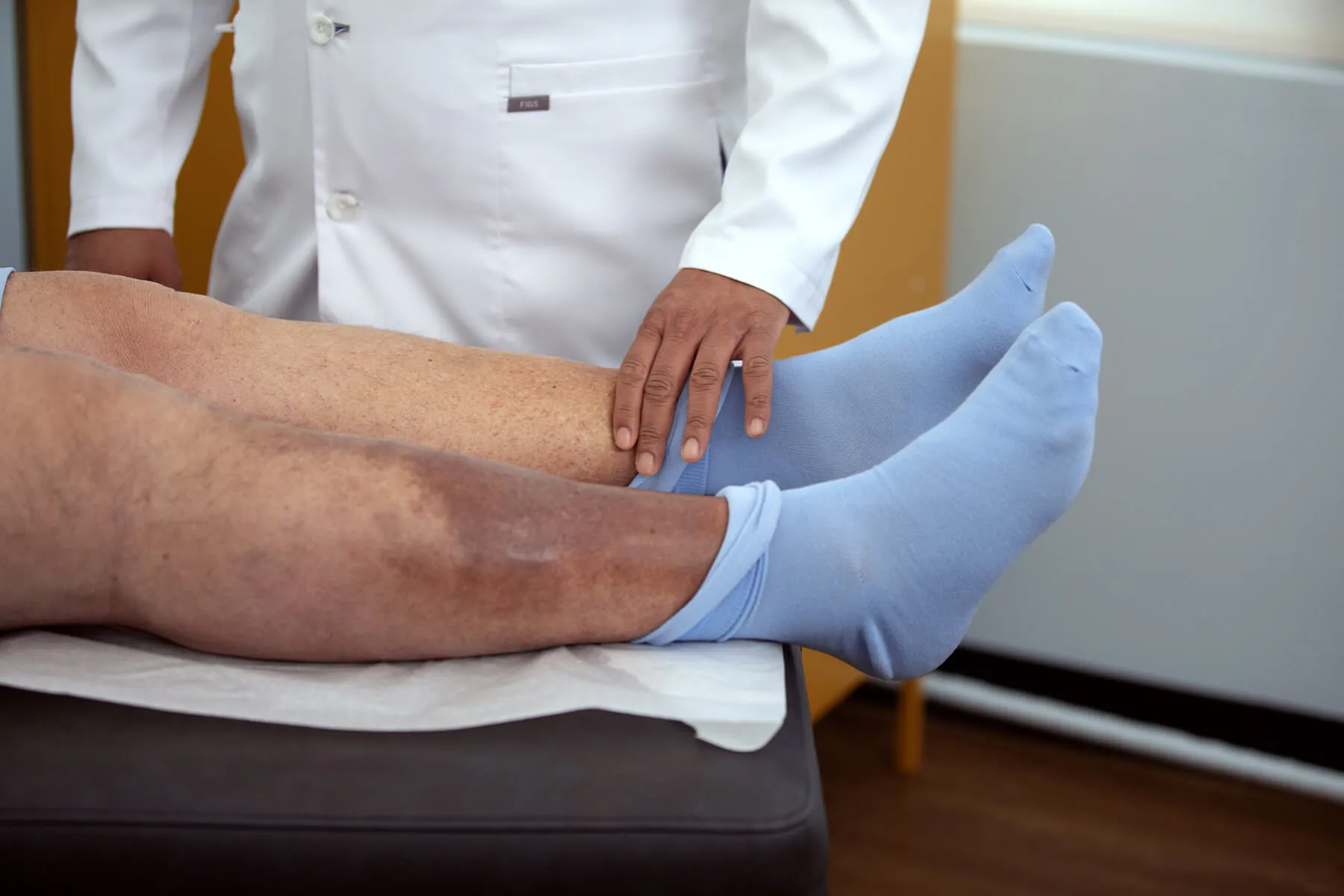
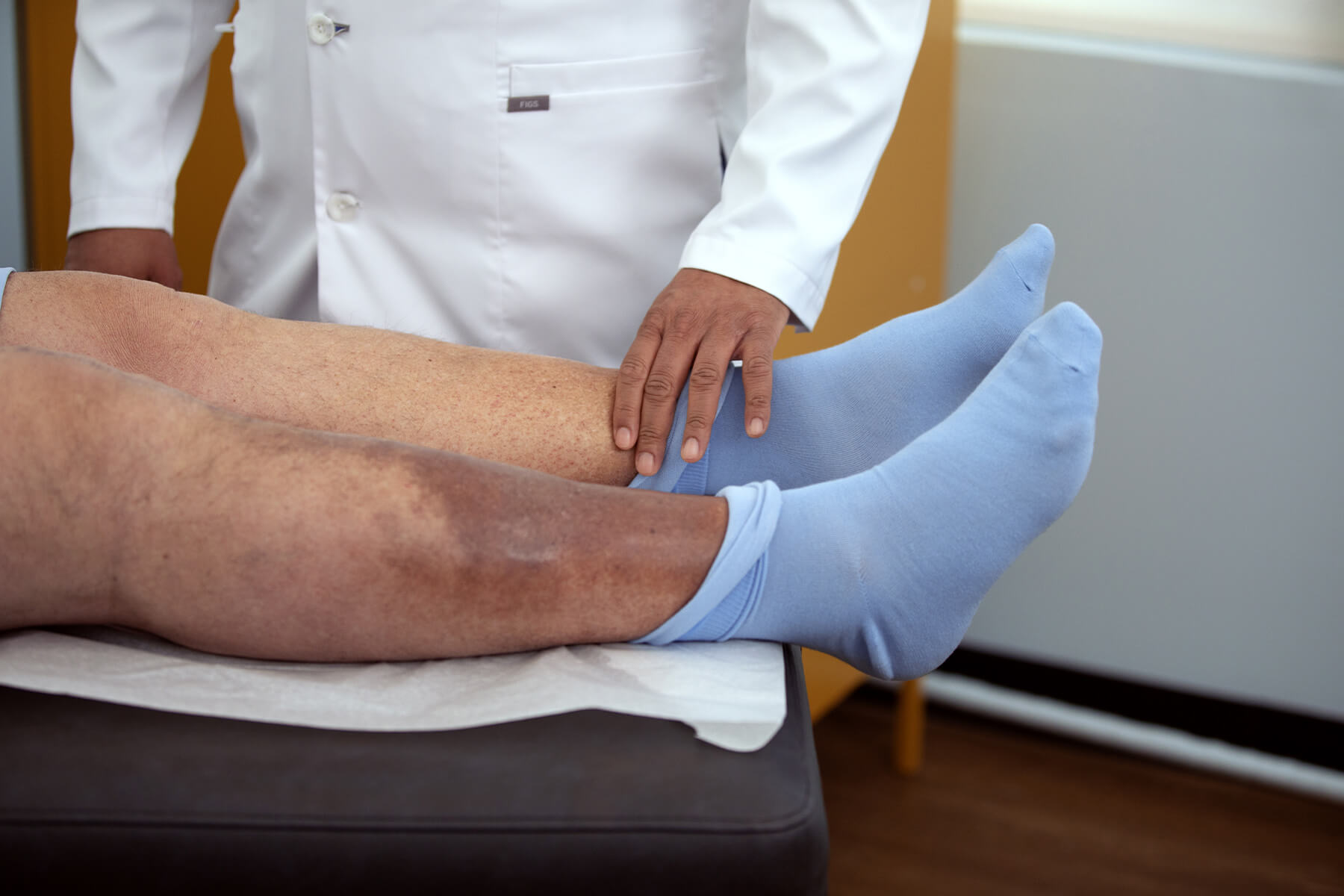
Venous hyperpigmentation does not look the same on everyone. In patients with darker skin tones, the discoloration tends to be more pronounced and longer-lasting, and is sometimes mistaken for other pigment conditions by clinicians unfamiliar with how venous changes present across all skin types.
In patients with lighter skin tones, the discoloration typically appears as a brown or rust-colored patch and may be easier to recognize early. Regardless of skin tone, the underlying cause is the same: iron deposits left behind by leaking red blood cells. Our vein specialists are trained to identify venous hyperpigmentation across all skin types.
If you notice these shifting colors or textures, consulting a board-certified physician and vein specialist can help slow or stop the progression of skin damage before it leads to chronic open wounds or painful infections.
When Should You See a Vein Doctor?
Left untreated, vein disease can severely impact your daily quality of life, causing painful cramping, restless legs, and leg swelling that disrupts your sleep and limits your mobility. Fortunately, modern, minimally invasive vein treatments are FDA-approved, covered by most insurance plans, and can prevent this progression without hospital stays or general anesthesia.
Discoloration around the lower calf or ankle is a symptom that requires prompt evaluation. This specific area is where prolonged vascular pressure causes the most damage, directly signaling that your vein disease has advanced to a more critical stage.
Red Flag Signs & Complications
You should schedule a specialized vein evaluation immediately if your skin changes are accompanied by:
- Signs of ulcer formation: Shallow, slow-healing open sores or cracks in the skin.
- Sudden, severe one-legged swelling: A primary indicator of Deep Vein Thrombosis (DVT), a blood clot in the deep veins.
- Unexplained shortness of breath or chest pain: The main signs of a Pulmonary Embolism (PE), a life-threatening emergency that occurs if a lower-leg blood clot breaks free and travels to the lungs.
Diagnosing Vein-Related Hyperpigmentation
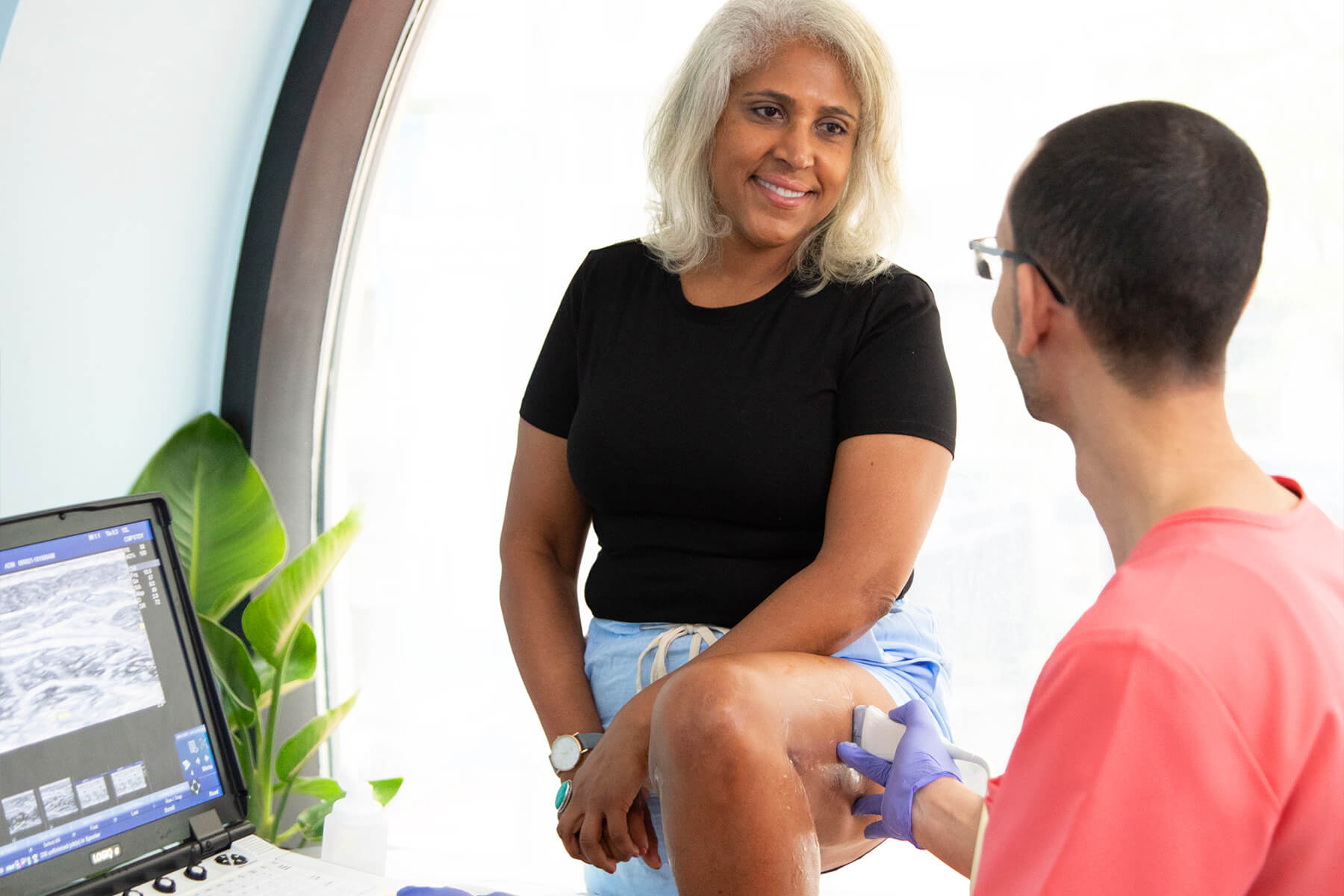
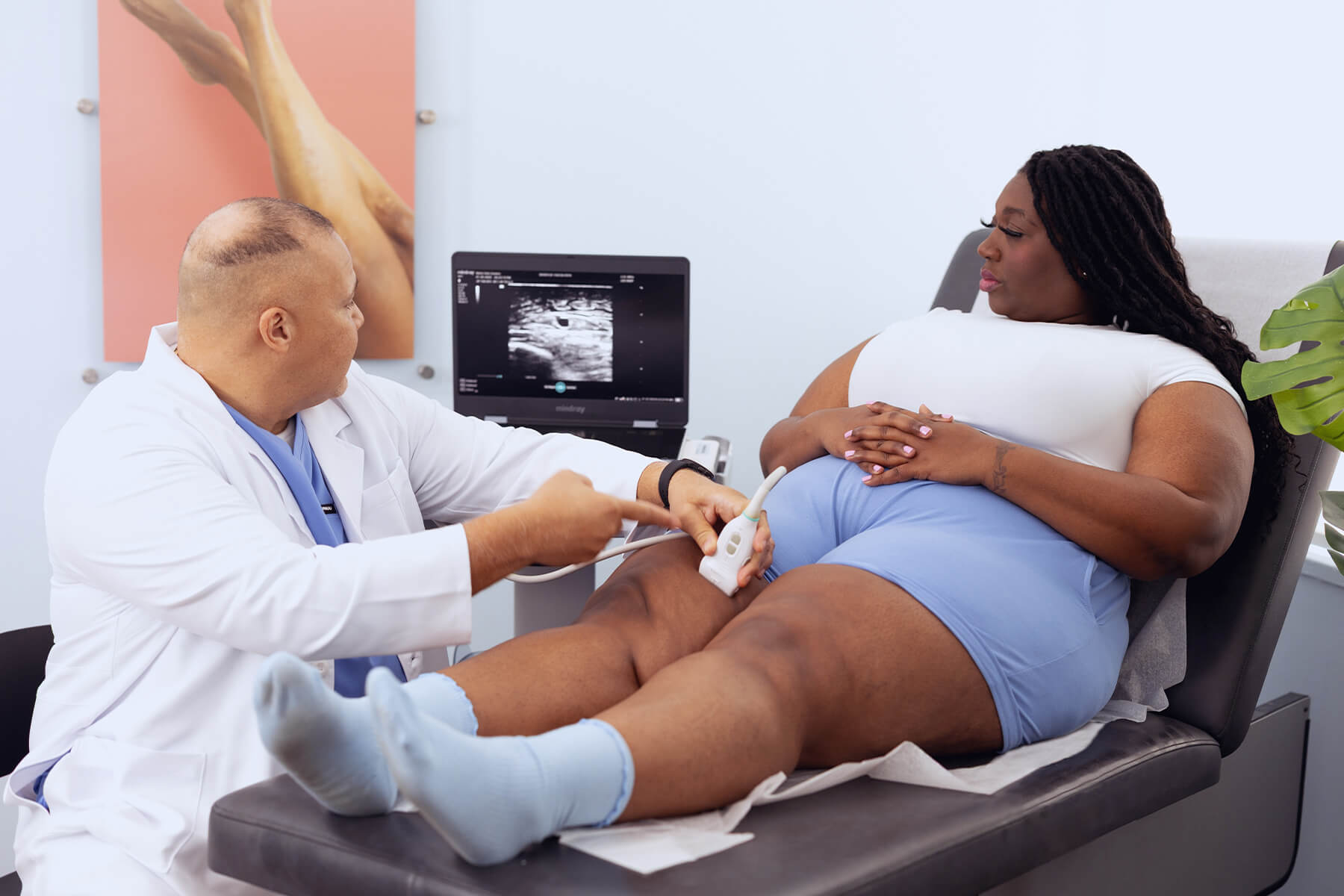
Hyperpigmentation is not a symptom exclusive to vein disease. Because skin darkening can stem from multiple sources, our vein specialists use a duplex ultrasound during your initial evaluation. This non-invasive, painless imaging test is the gold standard for diagnosing vein disease. It allows us to map your blood flow in real time and pinpoint the exact malfunctioning valves causing the fluid pressure beneath your skin.
Venous Hyperpigmentation vs. Sun Damage
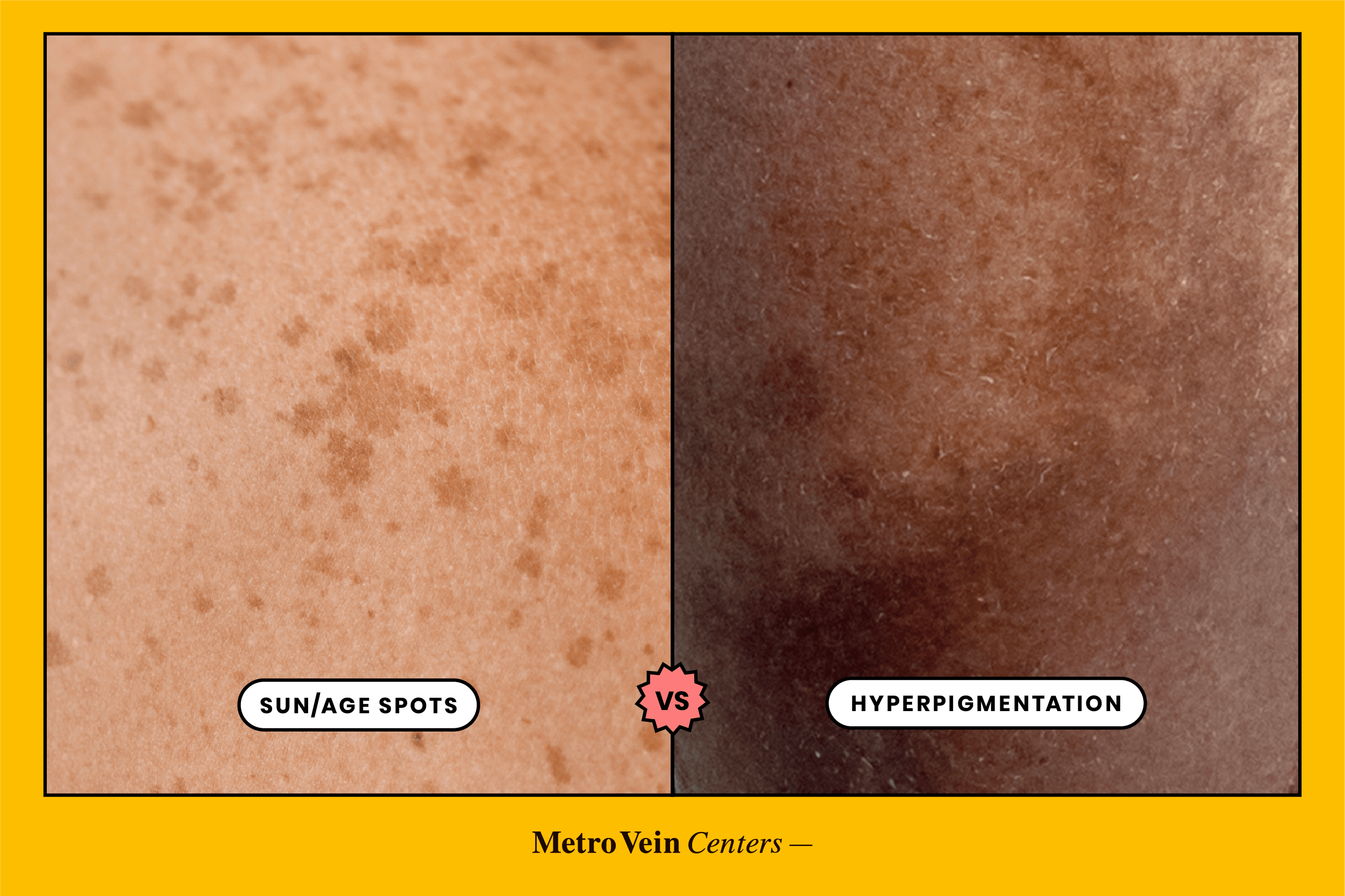
It is easy to mistake changing leg color for standard aging or sun exposure, but they present very differently:
- Sun Damage & Aging: Appear as flat, scattered "age spots" or freckle-like patches on areas frequently exposed to daylight. It never causes swelling, aching, or changes in texture.
- Venous Hyperpigmentation: Includes the "hot spots" of the lower legs—specifically the calves and ankles. It covers larger, continuous patches of skin, turns a dark bronze or rust color due to iron deposits, and is accompanied by vascular symptoms such as heavy legs and swelling.
Is This What Your Legs Look Like?
If you’re experiencing thickened, leathery “elephant skin” on your legs, new or visible varicose veins or spider veins, or if your sleep and mobility have been interrupted due to painful or uncomfortable sensations in your legs, a vein health evaluation is the first step to relief.
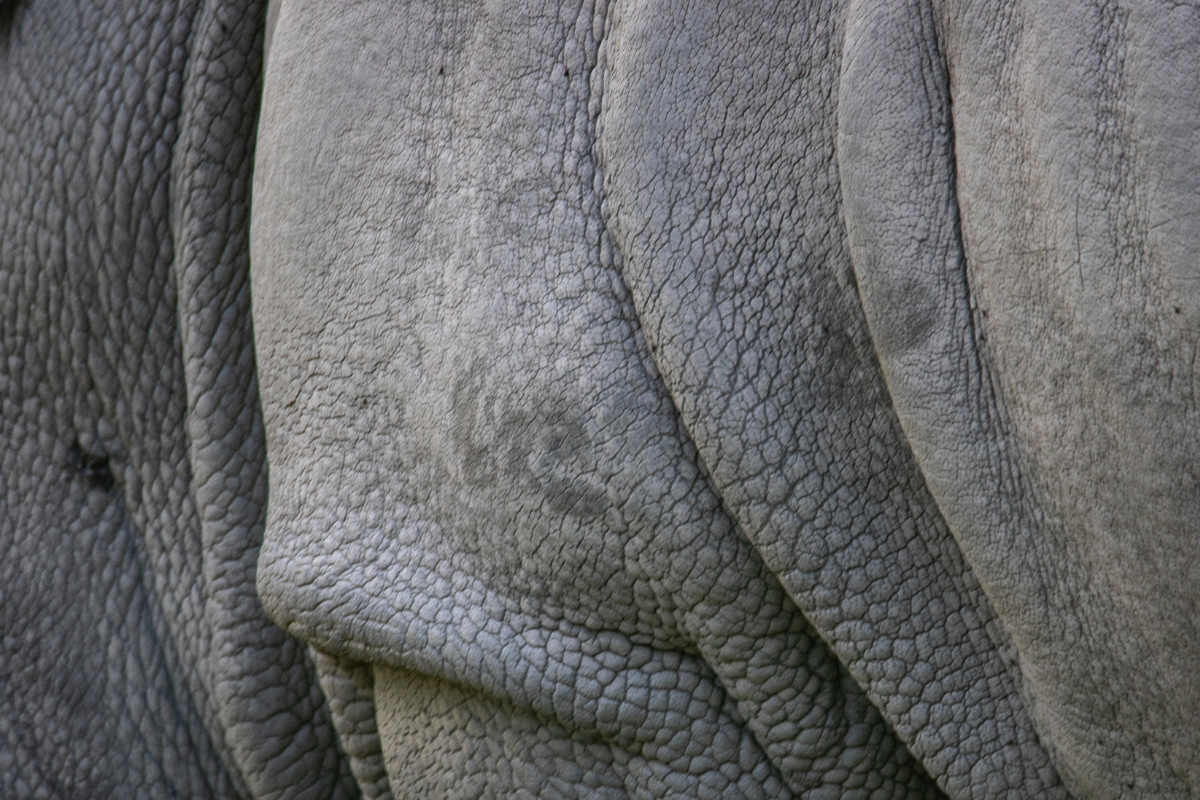
Our vein specialists will evaluate your legs to determine if your skin changes point to underlying chronic venous insufficiency. We’ll get to the bottom of the problem together and build a customized, minimally invasive treatment plan to relieve your discomfort and halt further skin damage.
How Is Hyperpigmentation Treated?
Managing hyperpigmentation starts with fixing the underlying problem: your veins. When we treat the damaged veins causing the backup, the pressure drops—which relieves your pain, makes it easier to move around, and helps your skin start to look better, too.
We offer a variety of quick, minimally invasive treatments right in our clinics to close down those bad veins, relieve that heavy pressure, and stop your skin damage from getting any worse:
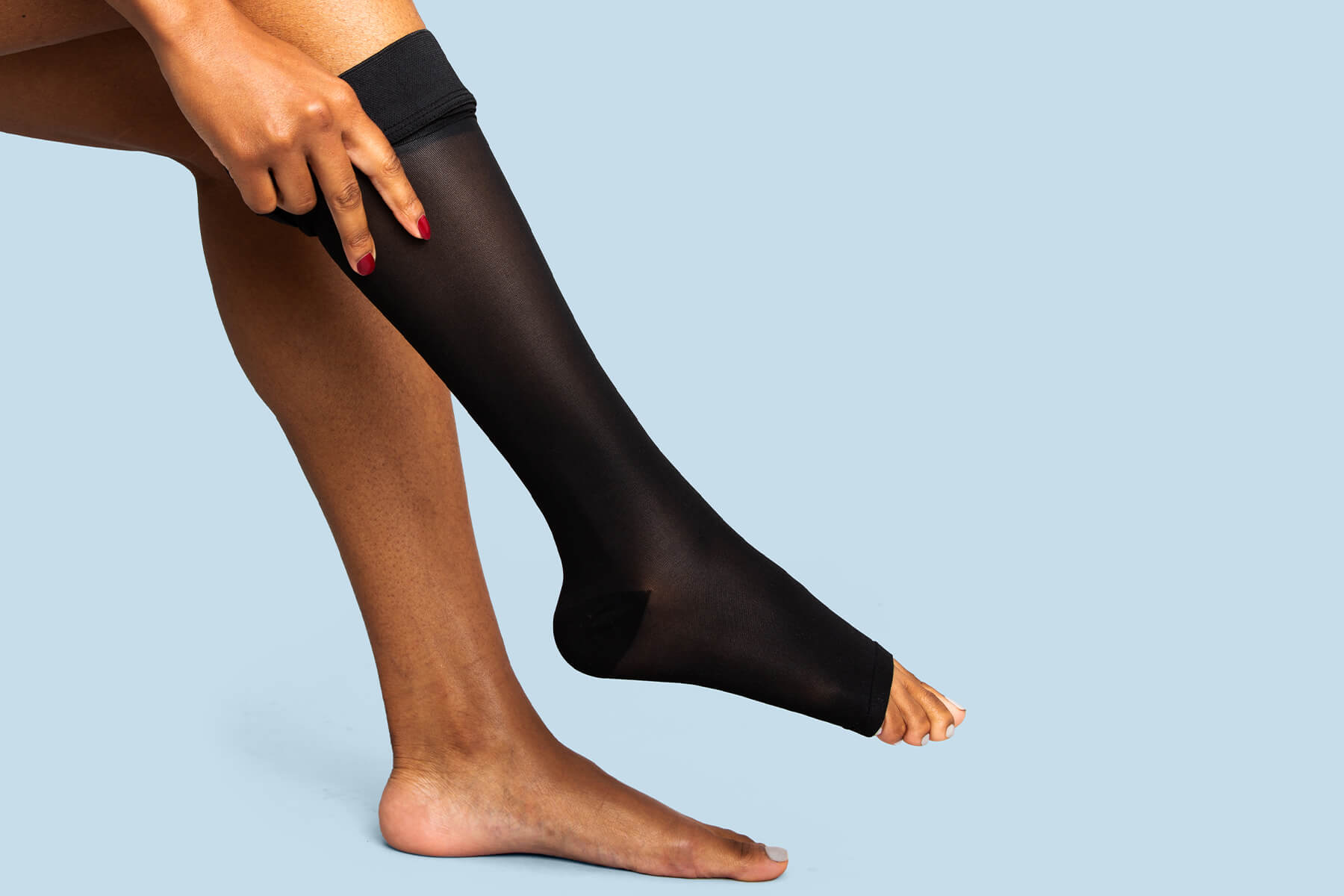
- Compression therapy: The use of specialized medical-grade stockings that improve circulation, reducing leg swelling and venous pressure.
- Sclerotherapy: A targeted injectable solution that collapses affected spider and smaller varicose veins, redirecting blood flow to healthier vessels.
- Thermal ablation (Radiofrequency or Laser): A highly precise procedure that uses gentle heat energy to close damaged, refluxing veins.
- VenaSeal™: An innovative medical adhesive that seals the diseased vein shut instantly without the need for heat or post-procedure compression wear.
- Varithena: A specialized foam-based chemical ablation designed specifically to treat and close larger, twisting varicose veins safely.
- Microphlebectomy: The physical removal of bulging, damaged surface veins through tiny, micro-incisions that require no stitches.
Setting Realistic Expectations for Your Skin
It is important to note that vein treatment is often a journey rather than a single, one-and-done appointment, especially for moderate-to-severe vein disease. On average, patients may need 2–4 treatments spaced over several weeks or months to achieve optimal results.
While the dark spots will often lighten up and soften over time once the heavy pressure is gone, they may not disappear completely. Once iron (hemosiderin) has stained the skin tissue, a total return to your original skin tone isn't always guaranteed. Our main goal is to improve the underlying health of your legs and their appearance as much as possible.
What to Expect After Vein Treatment
As your body heals and your circulation improves, you can expect the visible signs and uncomfortable symptoms to get better. For example, spider veins will start to fade over time, after a course of 2–4 treatments (on average).
After laser treatments, we recommend avoiding UV exposure on sensitive skin. After sclerotherapy for spider veins, we recommend avoiding air travel for up to two weeks to ensure your circulation is unimpeded by cabin pressure.
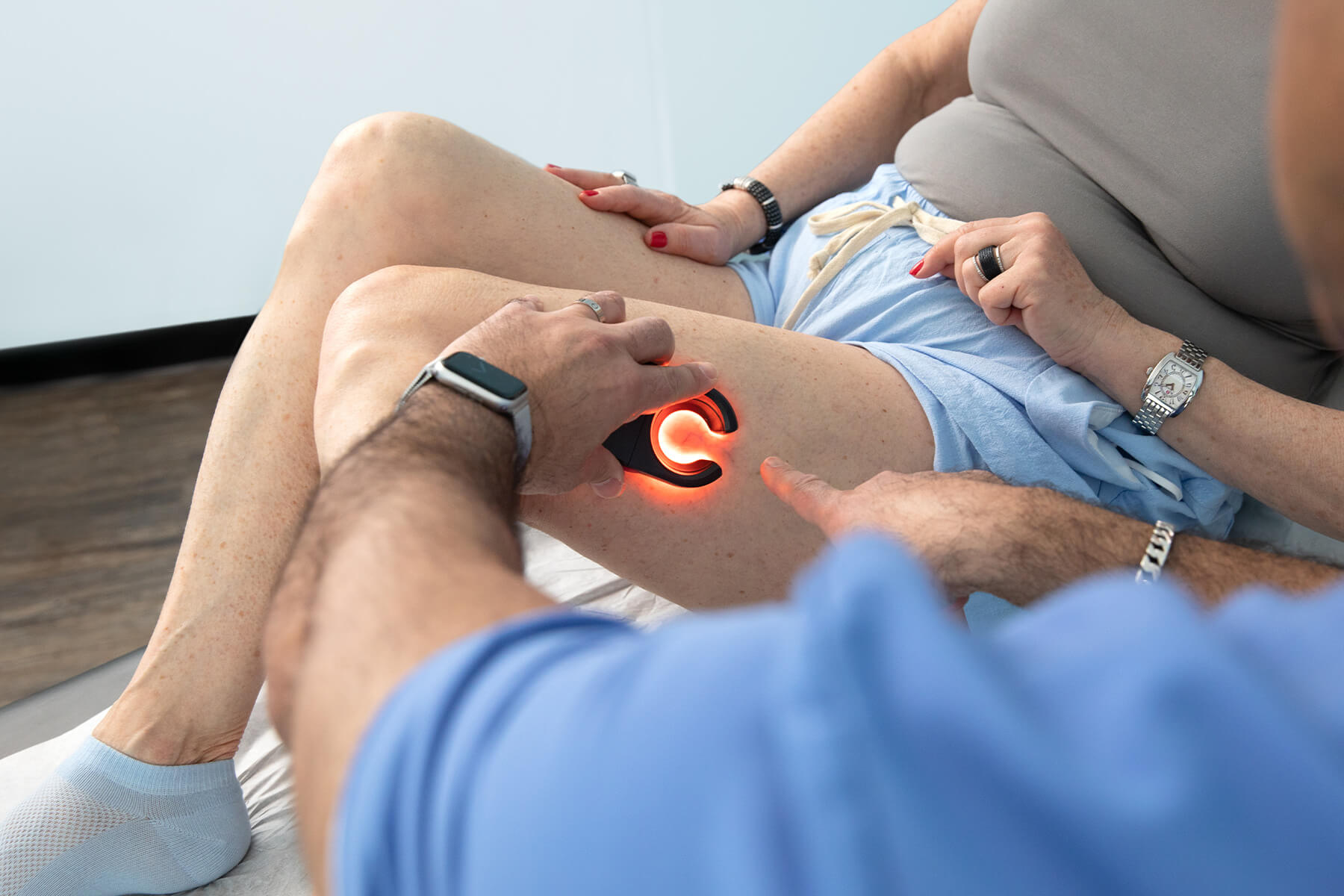
Phlebectomies may produce small, light scarring, which should fade over time. These scars typically fade within six months to a year. Needle pinpricks from treatments like VenaSeal, Varithena™, and sclerotherapy may be visible for a few days, depending on how quickly your body normally heals (for those prone to scarring, it may be slightly longer). If you experience bruising from vein treatments, our vein specialists recommend Dermaka and Arnicare creams, which can help with healing.
Your aftercare instructions will vary, so make sure to heed your vein doctor's advice and follow their guidelines to achieve the best possible results. Wearing compression stockings and elevating your legs can help with healing and boost your circulation. Follow-up appointments may be necessary, too.
Can Treatment Cause Hyperpigmentation?
The risk of hyperpigmentation or other skin markings after vein treatment is minimal, but may occur in individuals who have had very large veins treated, or who tend to heal slowly. This may occur after the treated vein has responded well to treatment and is closed.
As the body heals itself, reabsorbing the vein and its contents (specifically the iron component) may take longer. That slowness can leave a “stain” on the skin's surface (hyperpigmentation). The good news? This is often temporary and should resolve over time as the body continues to heal.
Like with temporary bruising, our vein specialists recommend Dermaka and/or Arnicare topical creams to help with the healing process, but it’s mostly just a matter of time.
Get a Vein Evaluation for Hyperpigmentation
Leg hyperpigmentation isn’t just a sign of aging—it’s a signal from your body that your veins need attention. Our vein doctors offer quick, minimally invasive treatments that take under 30 minutes and are covered by over 200 insurance plans. Visit our locations page to find an accredited vein clinic near you, or call us at 866-353-5558 to schedule your evaluation and get to the root of the problem today. We’re here to help!
Frequently Asked Questions
Anyone with long-term, untreated vein disease is at risk for hyperpigmentation, particularly individuals who stand or sit for long periods, older adults, and those with a family history of vascular issues. Prolonged high pressure in the legs gradually weakens vessel walls, making it much easier for red blood cells to leak into the surrounding tissue. Over time, this chronic pooling leads to the dark, permanent skin staining seen in advanced stages of the disease.
Not always. While vein treatments can successfully stop the damage from progressing and cause the dark spots to lighten, a complete reversal to your original skin tone is not guaranteed. Once the leaked blood breaks down, the iron leaves behind a permanent, tattoo-like stain called hemosiderin deep within the skin tissue. Because of this, the primary goal of medical treatment is to eliminate your leg pain, restore healthy blood flow, and protect your skin from cracking open into dangerous ulcers.
No, leg hyperpigmentation can also be caused by sun damage, aging, diabetes, or skin friction. You can easily spot the difference because vein-related discoloration specifically targets the lower calves and ankles, turns a distinct rust-like color, and is paired with leg swelling or heavy aching. In contrast, standard sun spots or age spots are scattered, completely flat, and never cause physical discomfort or skin thickening.
Yes, most insurance plans cover treatment for vein-related hyperpigmentation because it is considered a medical necessity rather than a cosmetic concern. Insurance companies recognize that this discoloration is a symptom of advanced vein disease, which can lead to severe complications, such as open skin ulcers or dangerous infections, if left untreated. Most major providers, including Medicare, cover both the diagnostic duplex ultrasound and the modern, minimally invasive treatments needed to fix the underlying issue.

Dr. Philip LoPresti
Meet Dr. Philip LoPresti, DABVLM, FACS, a board-certified surgeon and vein specialist and surgeon with over 20 years of experience. Schedule an appointment with him in Queens, NY today.
Meet Dr. Philip LoPresti
Trusted insight from the nationally accredited, board-certified vein doctors at Metro Vein Centers.