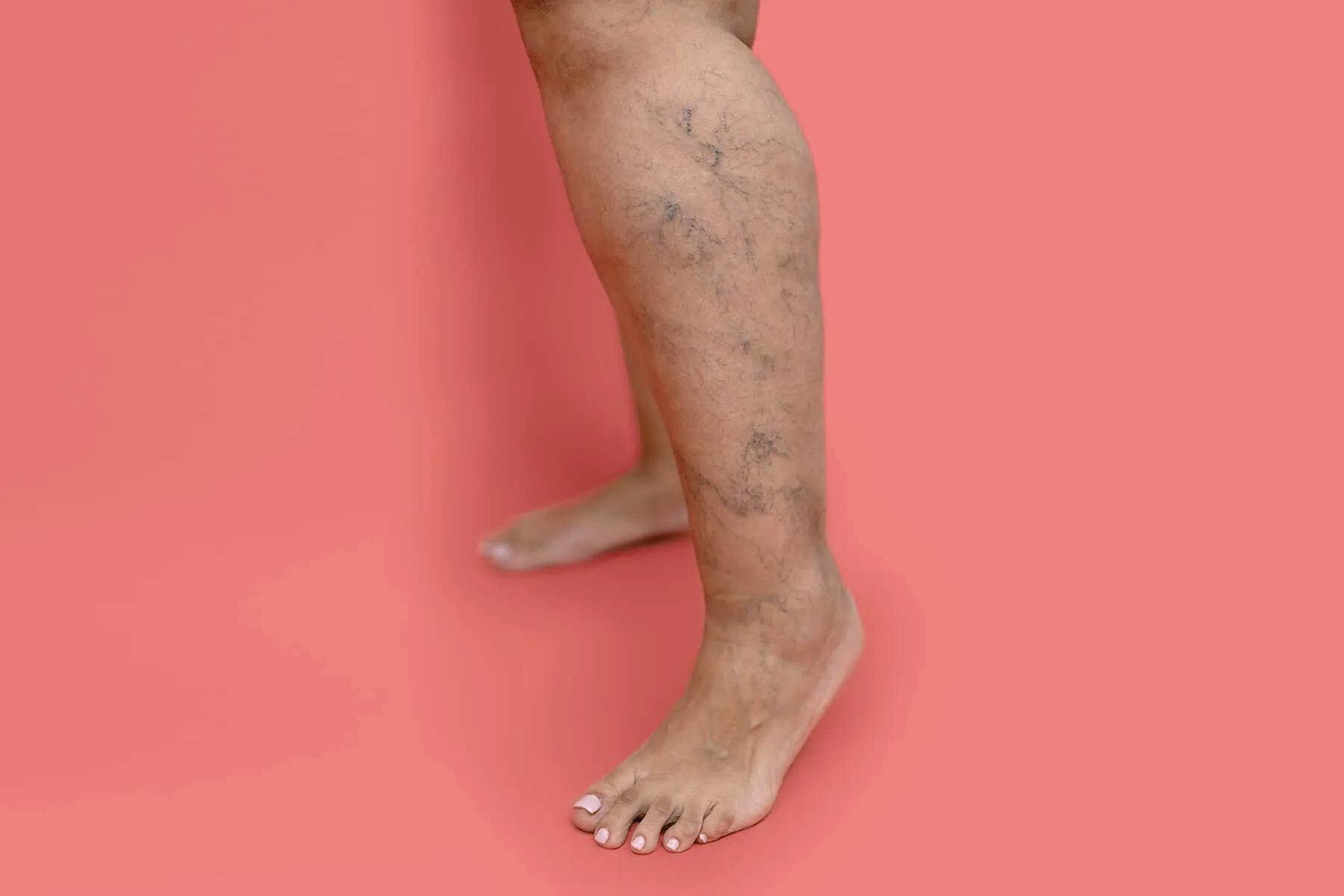
Sclerotherapy or laser treatment for spider veins—which one actually works better? The short answer: Sclerotherapy is generally preferred for leg spider veins, while laser tends to work better for smaller, more superficial veins. That being said, it truly depends on the individual.
In this guide, we’ll cover how each treatment works, how they compare in results, recovery, and cost, and how to determine which option might be right for you.
Ready to find out which treatment is the best fit for your vein health needs? Schedule a free vein evaluation with a Metro Vein Centers vein specialist near you today.
Schedule a free vein evaluation
What Is Sclerotherapy?
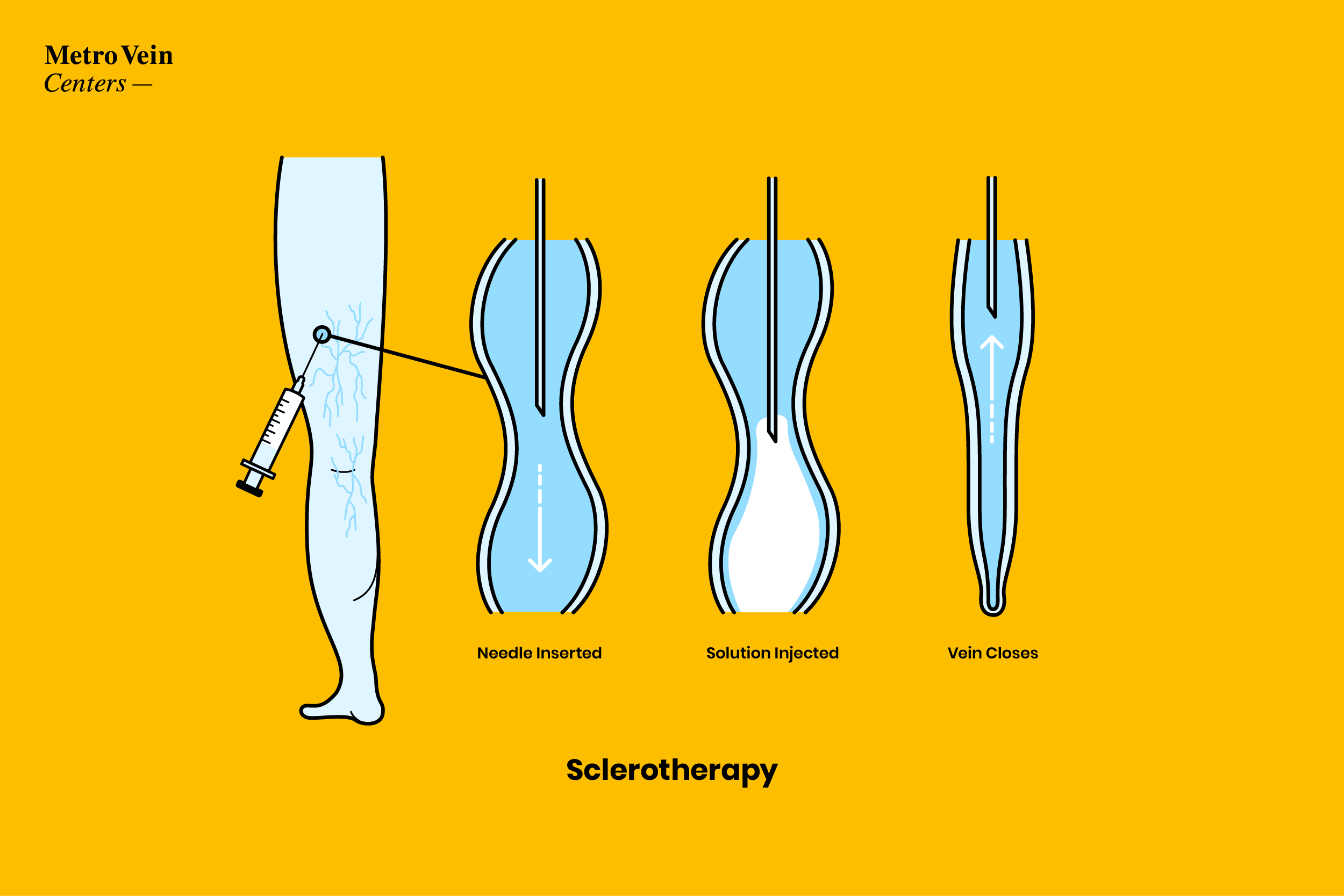
Sclerotherapy is a quick, minimally invasive treatment for both spider and varicose veins where a solution is injected directly into a vein with a tiny needle. This solution causes the vein to close and naturally reabsorb into the body.
Sclerotherapy is considered the gold standard for leg spider veins and smaller varicose veins. Multiple veins can be treated at once, and once the treatment is completed, you can leave the office and get back to your regular routine.
Learn more about sclerotherapy and what to expect during your in-office appointment.
What Is Laser Treatment for Spider Veins?
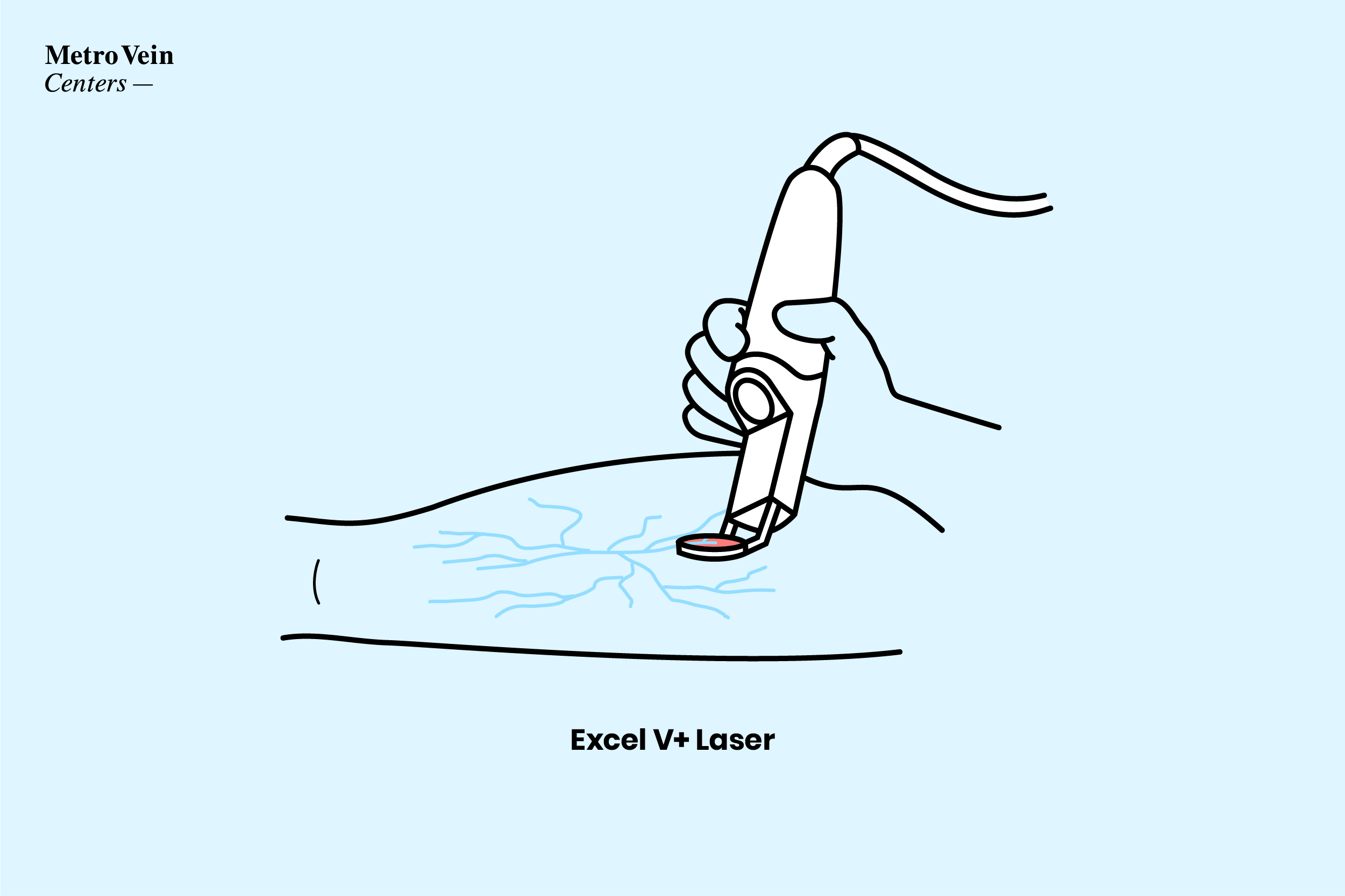
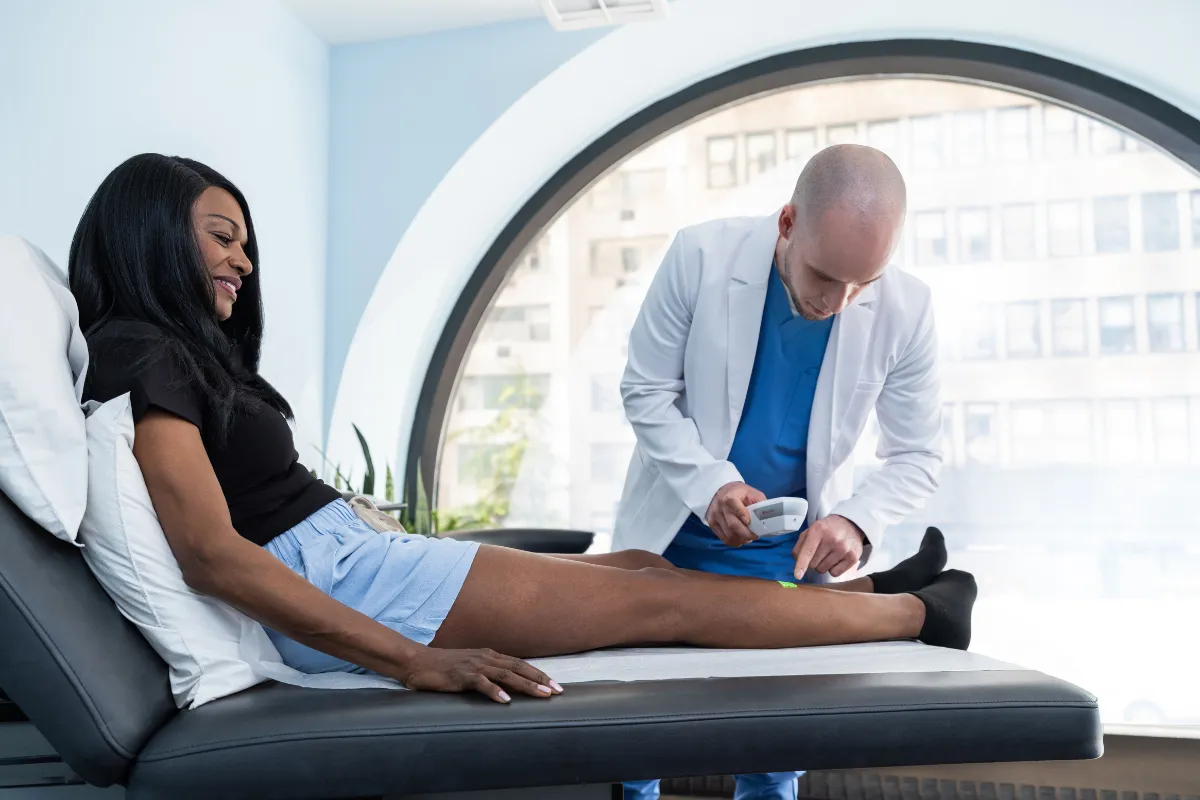
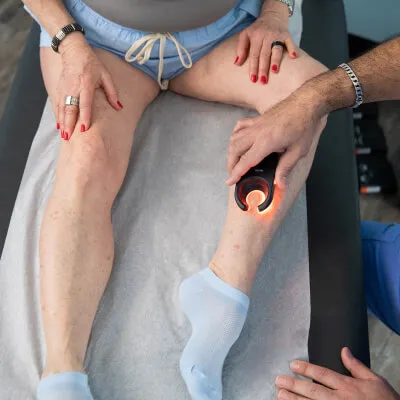
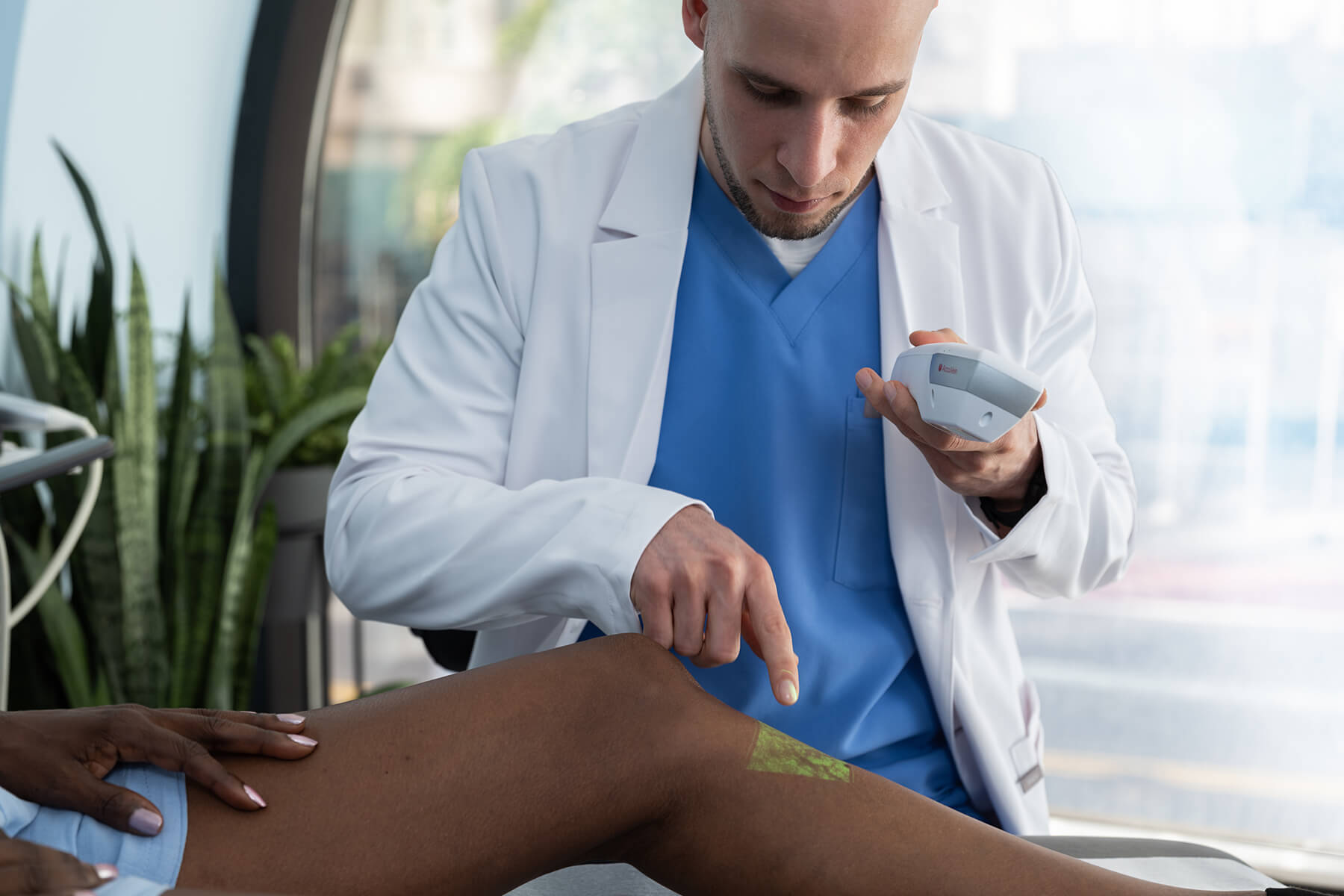
Laser spider vein treatment like excel® V+ Laser uses guided lasers to target unhealthy veins near the surface of your skin. The pulses of light energy cause the vein to heat up, break down, and fade away. Because excel V+ Laser is a completely external treatment, you can resume your normal activities right away.
Laser treatment is best for clearing tiny, superficial spider veins that are too small for a micro-needle, as well as the delicate red facial veins around the nose and cheeks.
Learn more about excel V+ Laser therapy.
How Sclerotherapy and Laser Treatment Compare
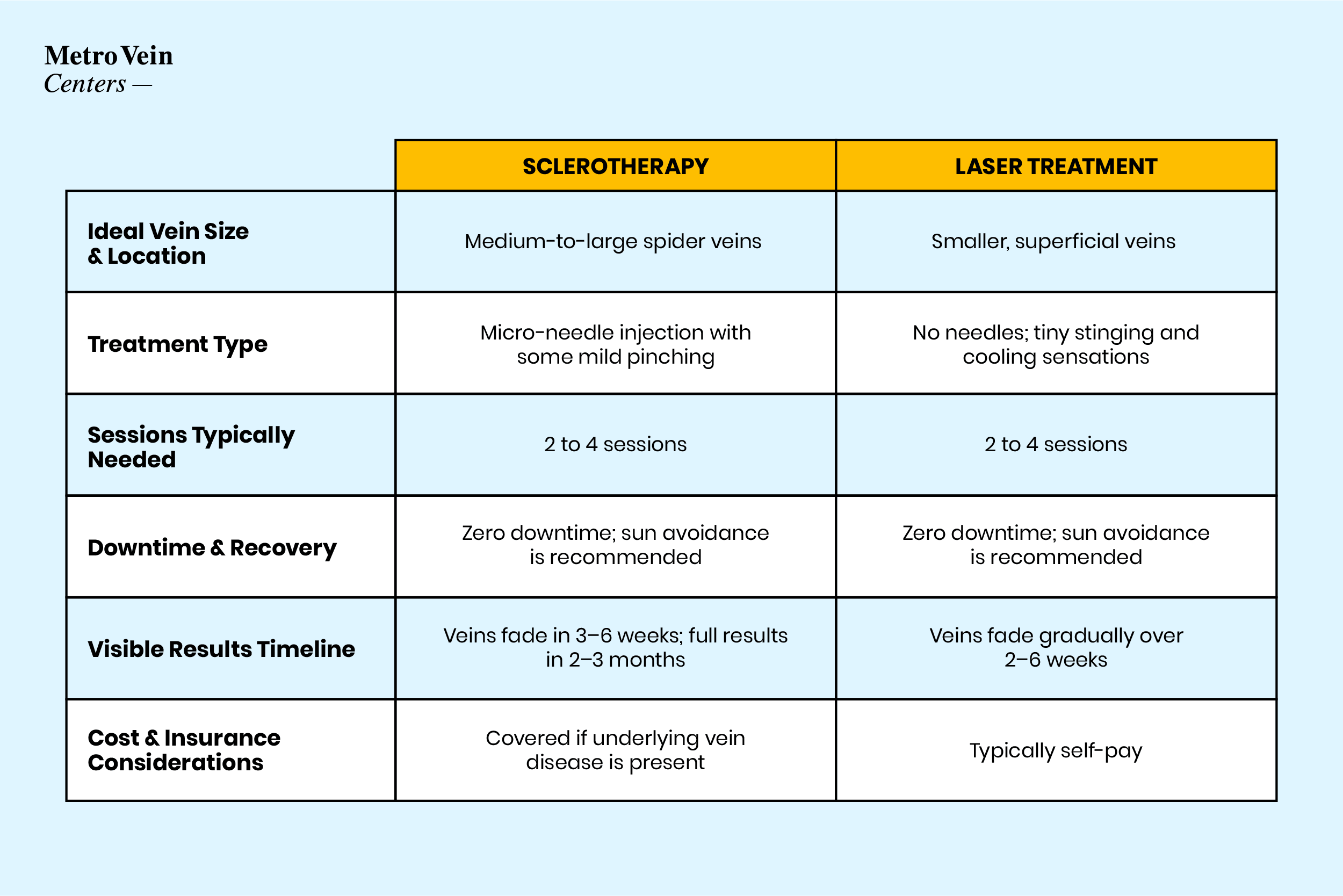
Here is a quick breakdown of how sclerotherapy and laser therapy match up side by side:
| Sclerotherapy | Laser Treatment | |
|---|---|---|
| Ideal Vein Size & Location | Medium-to-large spider veins | Smaller, superficial veins |
| Treatment Type | Micro-needle injection with some mild pinching | No needles; tiny stinging and cooling sensations |
| Sessions Typically Needed | 2-4 sessions | 2 to 4 sessions |
| Downtime & Recovery | Zero downtime; sun avoidance is recommended | Zero downtime; sun avoidance is recommended |
| Visible Results Timeline | Veins fade in 3–6 weeks; full results in 2–3 months | Veins fade gradually over 2–6 weeks |
| Cost & Insurance Considerations | Covered if underlying vein disease is present | Typically self-pay |
Which Spider Vein Treatment Is Right for You?
Choosing between sclerotherapy and laser treatment for spider veins isn't a one-size-fits-all process. In fact, many patients benefit from a customized treatment plan by a vein specialist, taking the guesswork out of your decision.
During your initial visit at Metro Vein Centers, our vein doctors use non-invasive diagnostic procedures such as a duplex ultrasound to check your leg circulation and determine the best course of action for you. If underlying vein disease is found, your customized treatment plan may be covered by insurance or Medicare.
What to Expect During and After Spider Vein Treatment
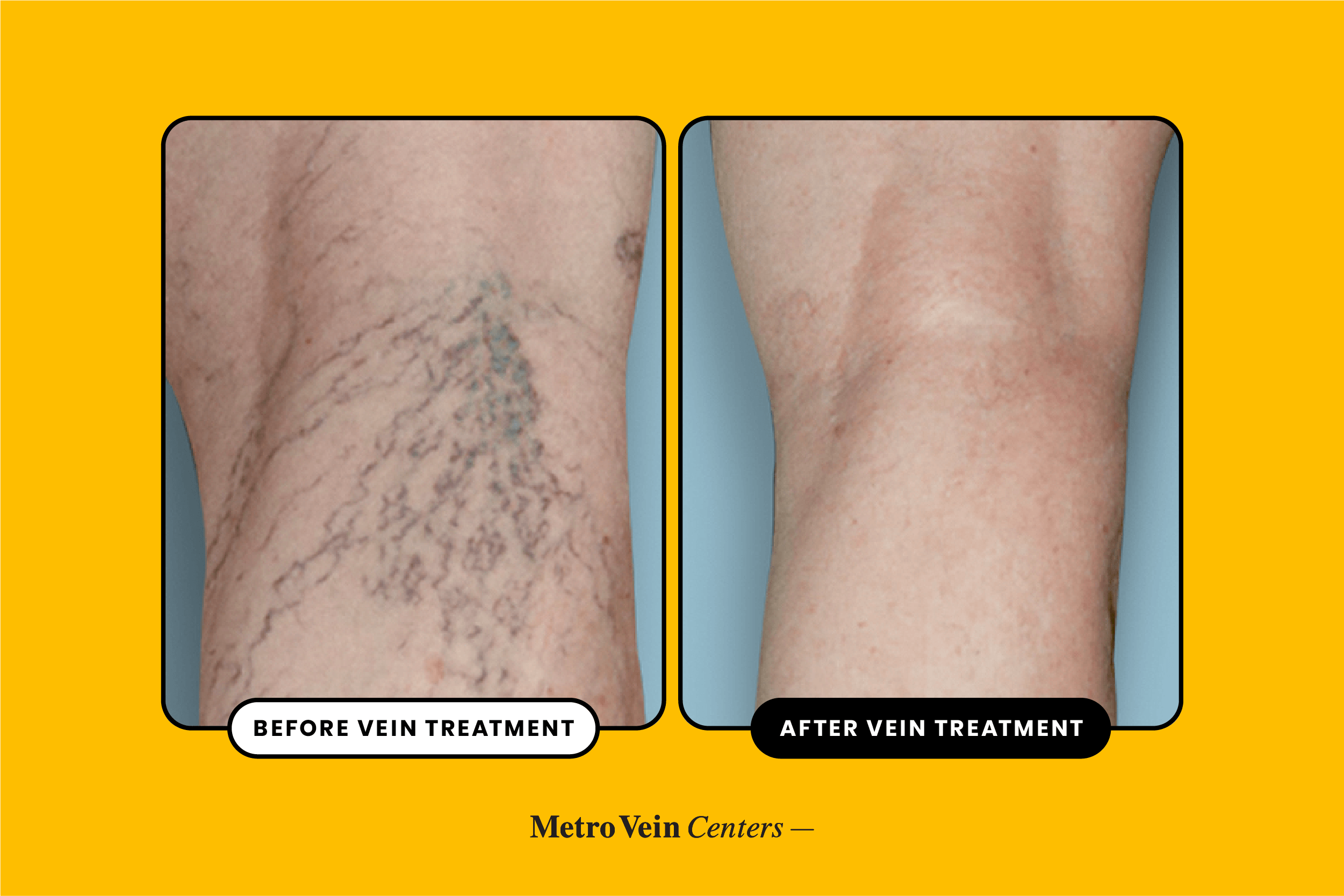
Both sclerotherapy and laser spider vein removal are quick, virtually painless in-office procedures performed in 15 minutes or less. Following either treatment, you can typically drive yourself home and resume your normal daily routines right away. Avoiding direct sun exposure on the treated area prevents skin discoloration while the vein fades.
After sclerotherapy, wearing mild compression stockings for a few days may help keep the treated vein walls compressed so they close successfully.
Is Sclerotherapy or Laser Treatment Better for Spider Veins?
There’s no universally better option when comparing sclerotherapy to laser treatment for spider veins. There is only what’s best for your unique situation and lifestyle. Sclerotherapy offers powerful precision for leg veins, while targeted laser light provides gentle care for delicate surface veins.
Schedule a free vein evaluation with a Metro Vein Centers’ vein specialist for specialized recommendations and individual treatment options.
Frequently Asked Questions
No, sclerotherapy and laser treatment may cause some mild discomfort, but they’re not usually painful. Sclerotherapy uses an extremely fine needle, causing only a momentary pinch. Laser treatments feature built-in cooling technology to protect the skin, creating a sensation often compared to the quick snap of a rubber band.
Most patients see optimal results after 2 to 4 sessions spaced a few weeks apart. The exact number depends on the size, depth, and density of the spider veins being treated.
Yes, combining sclerotherapy for deeper leg veins, also known as feeder veins or reticular veins, with surface laser therapy for ultra-fine spider veins can lead to great results for many people.
If spider veins are considered cosmetic only, treatment is usually self-pay. However, if your spider veins stem from underlying venous insufficiency causing leg pain, heaviness, or swelling, medical vein treatments are frequently covered by major insurance plans and Medicare.
Once a targeted spider vein is successfully treated with sclerotherapy or laser energy, that specific vein is permanently reabsorbed by your body and should not return. However, keeping an active lifestyle can help prevent new spider veins from forming in the future.
References
- American Academy of Dermatology. Leg veins: Why they appear and how dermatologists treat them. https://www.aad.org/public/cosmetic/younger-looking/how-dermatologists-treat-leg-veins
- Wollina, U., Schmidt, W.-D., Hercogová, J., & Fassler, D. (2003). Laser therapy of spider leg veins. Journal of Cosmetic Dermatology, 2(3–4), 166–174.
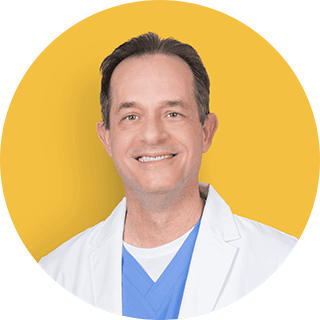
Dr. Philip LoPresti
Meet Dr. Philip LoPresti, DABVLM, FACS, a board-certified surgeon and vein specialist and surgeon with over 20 years of experience. Schedule an appointment with him in Queens, NY today.
Meet Dr. Philip LoPresti
Trusted insight from the nationally accredited, board-certified vein doctors at Metro Vein Centers.