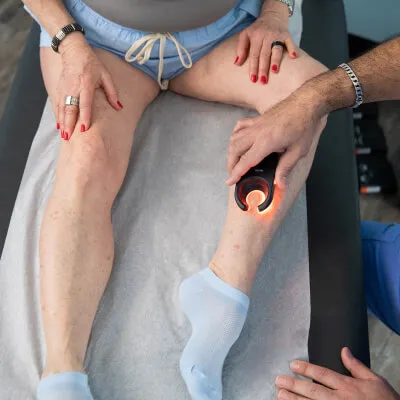
Are you weighing VenaSeal™ vs. Varithena® for the treatment of varicose veins? You'll be glad to know that both are excellent minimally invasive, non-thermal treatment options for varicose veins caused by venous reflux.
While VenaSeal uses a specially formulated medical adhesive to seal the vein shut, Varithena uses an injectable foam medication to close the vein. Which one is a better fit for you? That depends on your vein anatomy and personal preference.
Both treatments are extremely safe and effective and are used by vein doctors every day. A vein specialist can help you determine the best plan for you. Schedule your vein evaluation with Metro Vein Centers today to get started.
What Is VenaSeal?
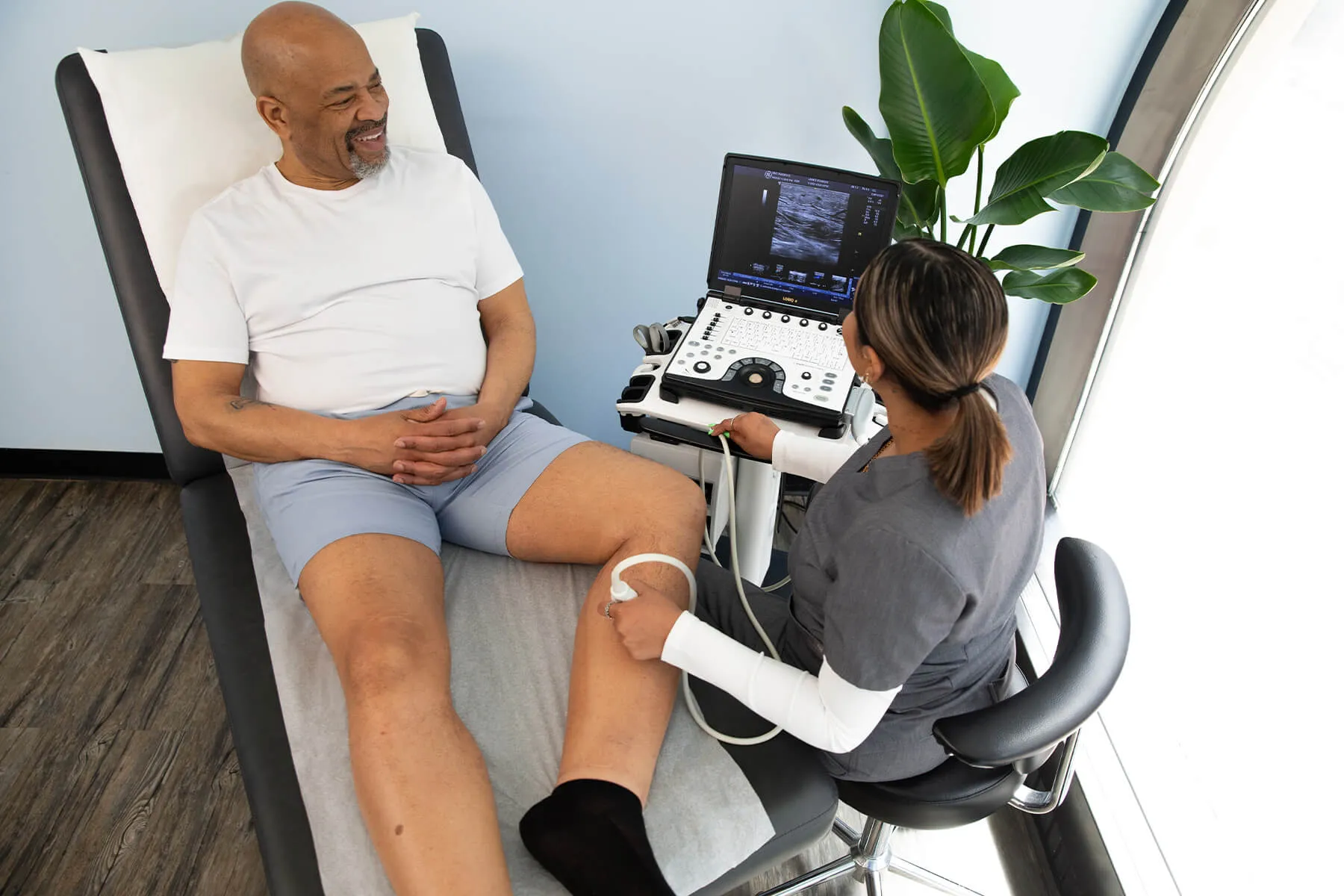
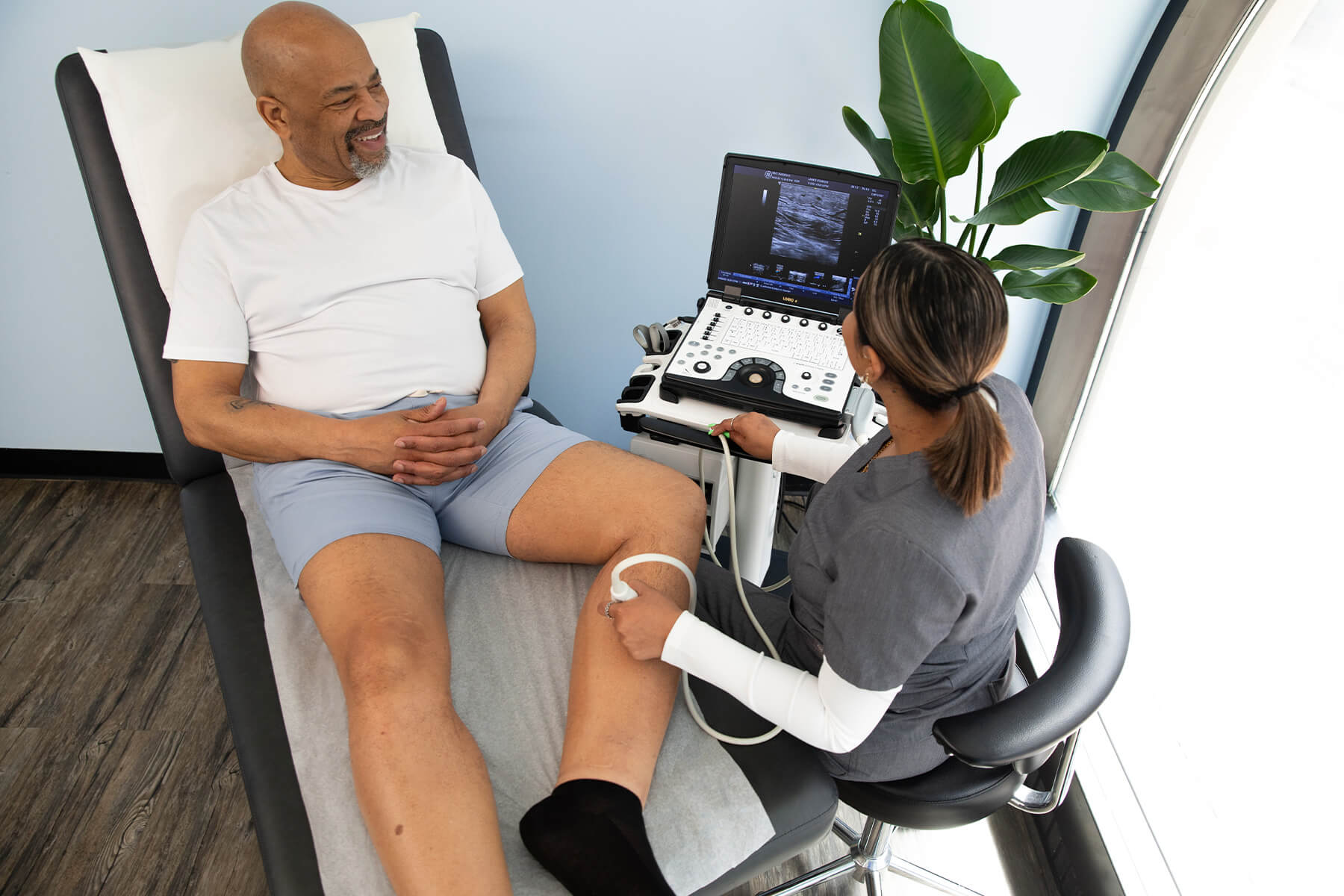
VenaSeal is a minimally invasive procedure that uses a medical adhesive to seal and close the varicose vein(s) permanently. During this vein treatment, one of our specialists uses ultrasound guidance to place a very thin, flexible catheter into the diseased vein. Then, a tiny amount of medical glue is applied to seal the vein walls. Once closed, your body naturally reroutes blood flow to healthier veins, and the treated vein eventually fades away.
Because it doesn't rely on heat to close the vein, there is no risk of thermal skin injury, and you only need a single, tiny numbing injection at the entry site.
What Is Varithena?
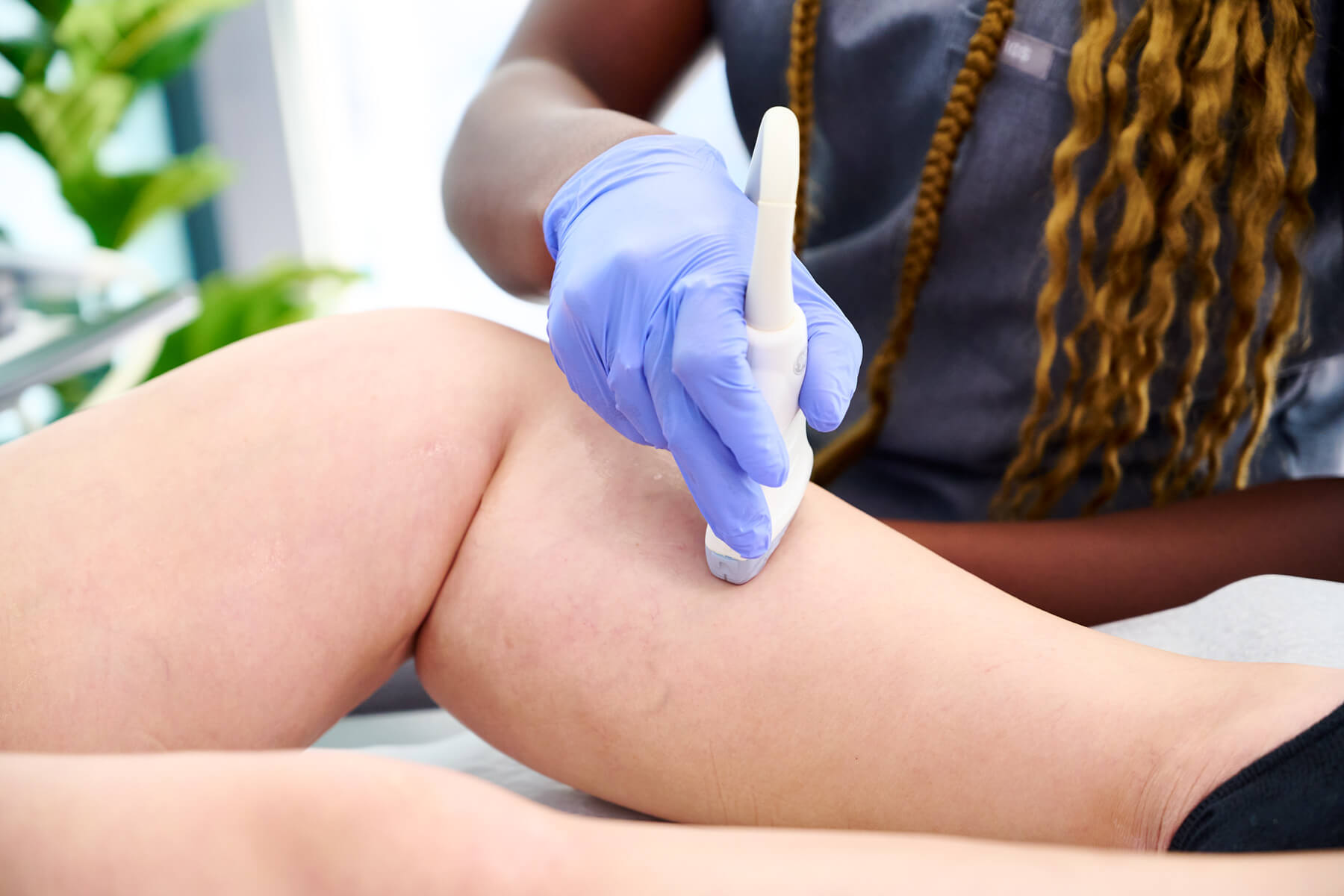
Varithena is an FDA-approved microfoam treatment option that treats a wide range of varicose veins, including complex or twisted vein networks. Instead of using glue or heat, Varithena uses a gentle, medicated foam (polidocanol) injected directly into the diseased vein, causing it to collapse and reroute blood flow to healthier veins.
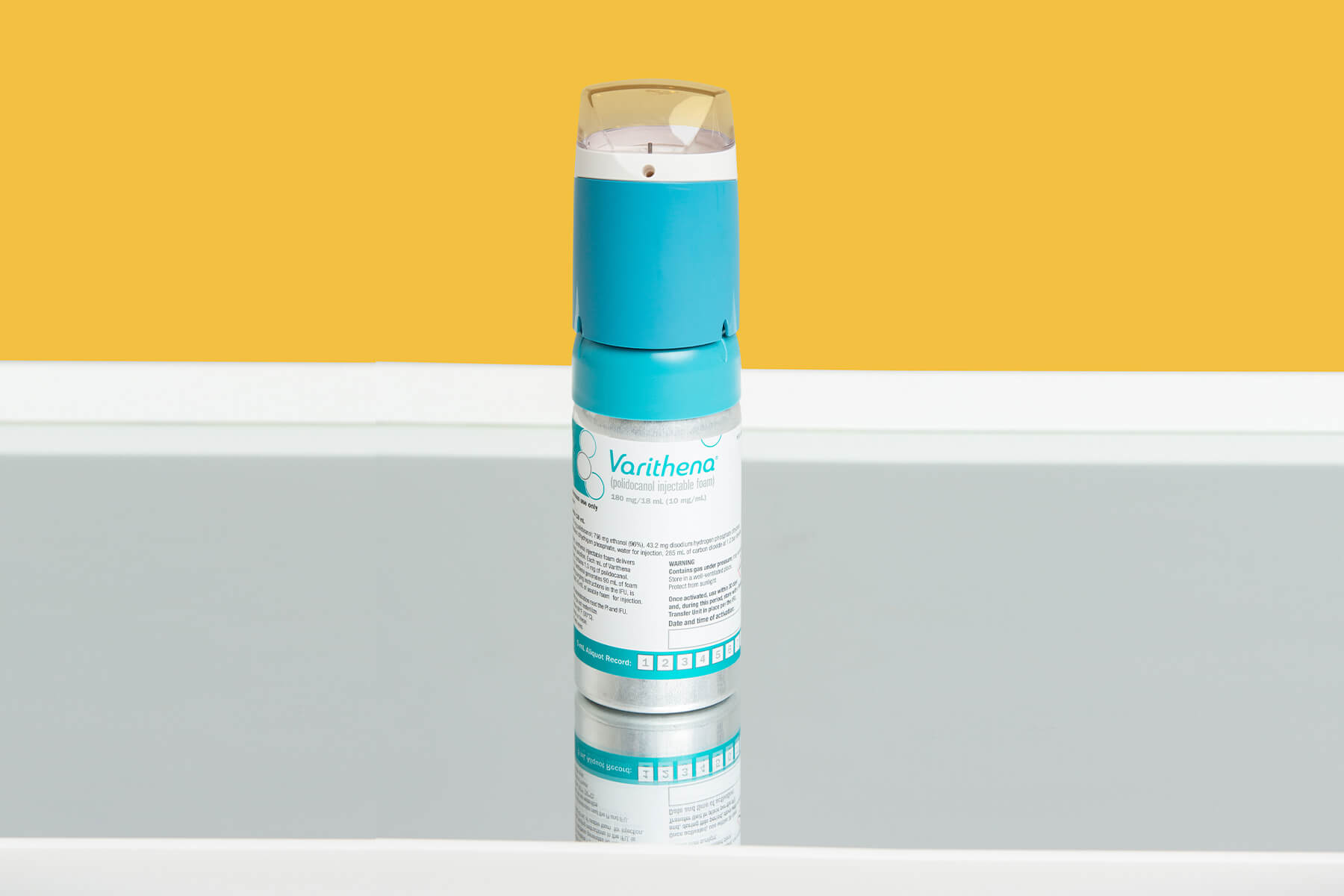
VenaSeal vs. Varithena: What's the Difference?
While both options are highly effective minimally invasive outpatient treatments for varicose veins, they use different approaches to close diseased veins. Here are some of their key similarities and differences, at a glance.
| VenaSeal | Varithena | |
|---|---|---|
| Mechanism | Medical adhesive (advanced medical glue) that seals the vein shut. | An injectable microfoam that causes the vein to collapse. |
| Anesthesia Needed | Minimal (a single, small numbing injection at the entry point). | None to minimal (local numbing if a catheter is used). |
| Ideal Vein Type & Size | Best for straight, single main trunk veins. | Best for larger, twisting (tortuous) veins and branching networks. |
| Compression Stockings | Typically not needed | Often yes—wearing stockings for a short period helps optimize results. |
| Recovery & Activities | Same-day return to normal activities; avoid intense workouts for a few days. | Same-day return to normal activities; avoid intense workouts for a few days. |
Am I a Candidate for VenaSeal or Varithena?
When choosing between these two options, it isn't just about picking the "best" one on paper, it's about finding the best match for your needs. Our vein doctors look at a number of factors during your visit and tailor a personalized plan just for you:
Vein Shape and Size
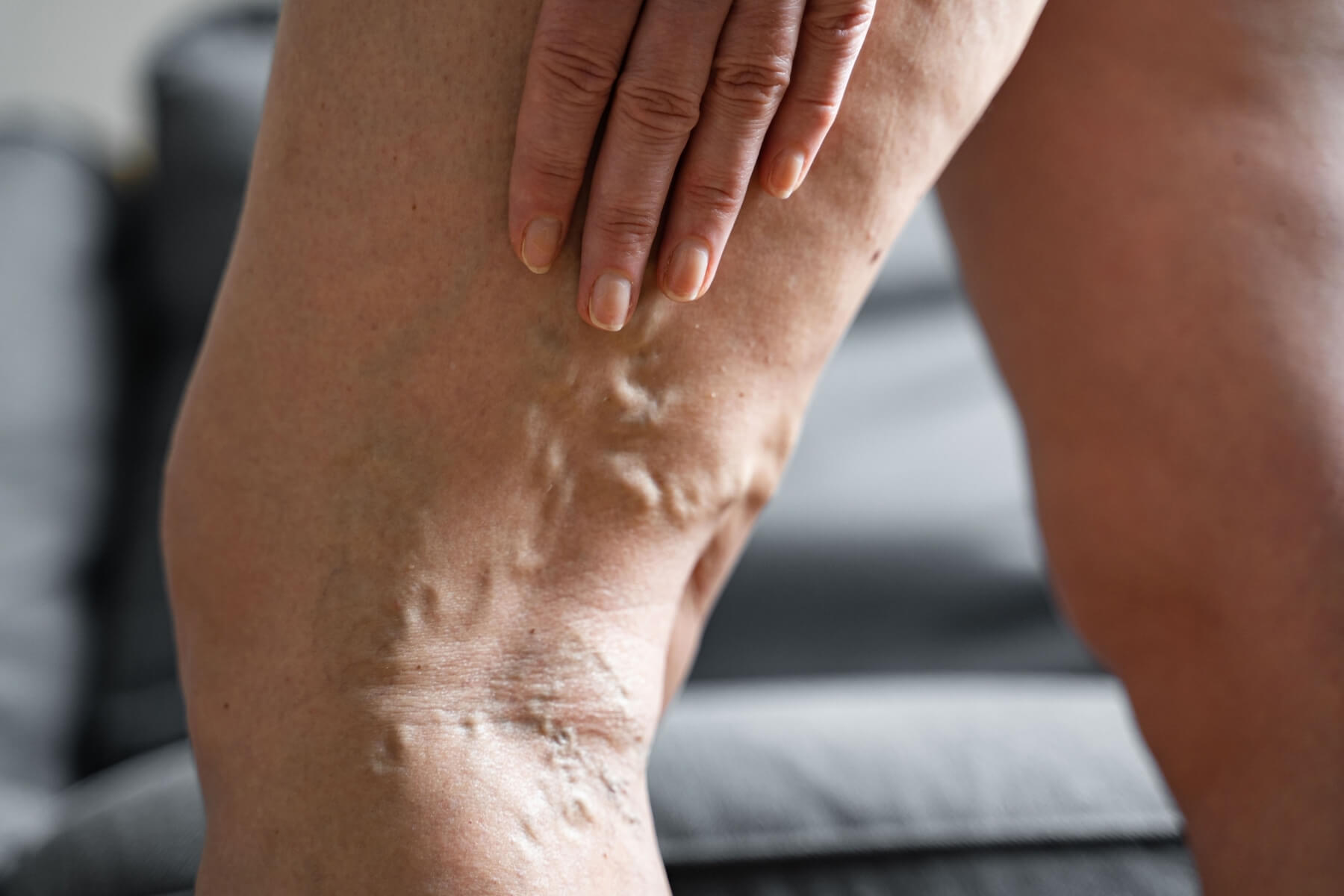
If your problematic vein is relatively straight, VenaSeal can be an excellent option. If your veins are highly winding, twisty, or have multiple branching networks, Varithena's expanding foam can easily navigate those curves to treat the entire area.
Sensitivities and Medical History
If you have a known sensitivity to medical adhesives, Varithena is the better choice. If you want to avoid wearing compression stockings after your treatment (especially during the warm summer months), VenaSeal might be your best alternative. However, patients with autoimmune diseases may not be candidates for VenaSeal, depending on their specific condition and medications — this should be discussed with your provider.
Prior Treatment History
If you've had other vein treatments in the past, certain areas might respond better to Varithena's targeted foam.
At Metro Vein Centers, our vein doctors evaluate your anatomy and symptoms as well as detailed diagnostic ultrasound findings to guide their final recommendation. This ensures you get a treatment plan built specifically for long-term success.
Are VenaSeal and Varithena Safe?
Absolutely. Both VenaSeal and Varithena are FDA-approved, highly researched, and considered incredibly low-risk.
As with any minor medical treatment, there may be mild, expected side effects from VenaSeal or Varithena. These are usually very short-term and may include minor bruising, mild tenderness around the treated area, or a temporary feeling of "hardness" in the vein as your body begins the natural healing and reabsorption process.
Most patients find that any mild discomfort is easily managed with over-the-counter pain relief and vanishes within a couple of weeks.
"Patients love both of these options because they don't involve the downtime of traditional surgeries. When we look at VenaSeal vs. Varithena, we aren't comparing which one is better—we're looking at which one is best for your unique profile. They are both exceptional tools in our toolkit."
Kelsey Ryan, NP — Metro Vein Centers Nurse Practitioner
Does Insurance Cover Venaseal or Varithena?
We know that affordability is a key factor when planning your vein care. A common concern is the cost of VenaSeal vs Varithena. Because varicose veins are a medical condition, usually caused by underlying venous insufficiency, treatment is typically covered by most insurance plans, including Medicare, when symptoms such as pain, swelling, or heaviness are present.
Our dedicated team works directly with your insurance provider to verify your benefits and handle all paperwork in advance, so you know exactly what to expect before your session. Verify your insurance coverage today.
What's Recovery Like After VenaSeal vs. Varithena?
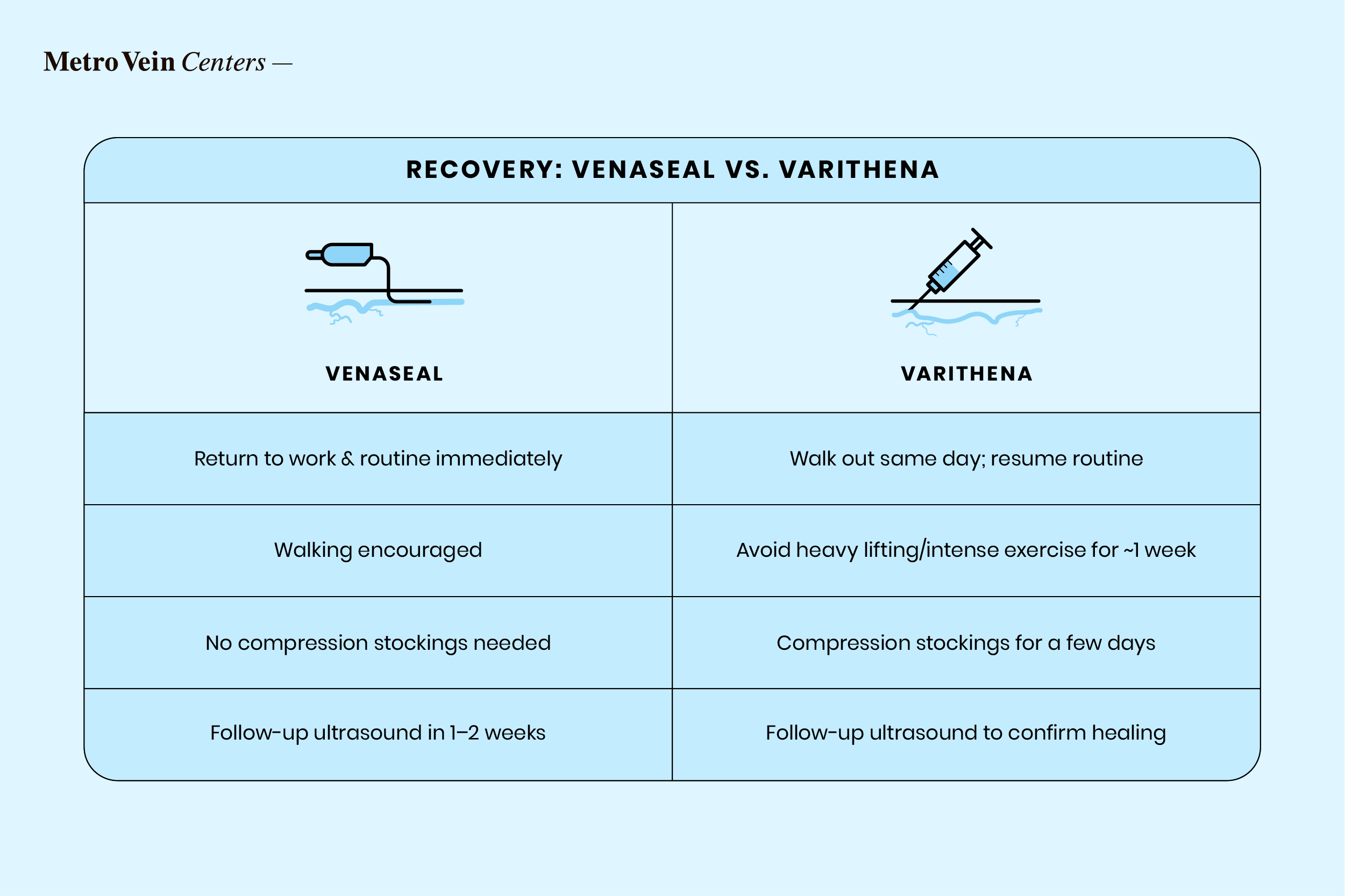
The good news is that recovery from modern vein treatment doesn't require you to pause your life. Here is a quick look at what you can expect after VenaSeal and Varithena vein treatment:
After VenaSeal
- With VenaSeal, you can return to work and your daily routine right away. In fact, walking is highly encouraged!
- Generally, compression stockings are not required, which is a major bonus for some patients.
- Typically, we will schedule a quick follow-up ultrasound within a week or two to confirm the vein is completely sealed shut.
After Varithena
- With Varithena, you can resume your normal routine and walk out of the clinic. We ask that you avoid heavy lifting or high-intensity exercise for about a week.
- It’s common for your vein specialist to recommend wearing compression stockings for a few days to apply gentle pressure to the vein, helping it stay flat and heal properly.
- Just like VenaSeal, a quick routine follow-up ultrasound ensures that healing is on track.
For more tips on making your post-treatment days as comfortable as possible, check out our guide on What to Expect: Recovery After Vein Treatment

Ready to Find Out Which Treatment Fits Your Veins?
You don't have to live with uncomfortable and unsightly varicose veins. A vein specialist can help you decide whether VenaSeal or Varithena is the right fit for you by using duplex ultrasound to take a look beneath the surface.
Take the first step toward healthier legs and schedule a vein evaluation with one of our vein specialists today.
Book Your Free Vein Evaluation
Frequently Asked Questions
One is not better than the other per se. VenaSeal is often recommended for straight, main-channel veins and doesn't require post-treatment compression stockings.
Varithena is excellent for twisting, winding, or wider networks of veins, where microfoam can easily spread and close the irregular shapes. Your doctor will use an ultrasound to determine which one will give you the best result.
Not usually – both treatments are designed with patient comfort in mind. VenaSeal requires only a single numbing injection at the entry site, and patients typically feel only a mild tugging or pressure. Varithena involves minimal to no local numbing. Any post-treatment tenderness is usually very mild and resolves quickly.
Typically, both VenaSeal and Varithena are covered by most insurance plans, including Medicare, when deemed medically necessary to treat symptoms like pain or swelling. Your out-of-pocket costs will depend on your specific insurance plan's deductibles and copays, which our team can help you verify beforehand.
Yes! It is very common to use VenaSeal or Varithena to treat new or remaining varicose veins even if you have had other vein treatments in the past. An ultrasound during your vein evaluation will show our doctors exactly how to navigate your anatomy safely.

Dr. Philip LoPresti
Meet Dr. Philip LoPresti, DABVLM, FACS, a board-certified surgeon and vein specialist and surgeon with over 20 years of experience. Schedule an appointment with him in Queens, NY today.
Meet Dr. Philip LoPresti
Trusted insight from the nationally accredited, board-certified vein doctors at Metro Vein Centers.