


Chronic Venous Insufficiency (CVI)
Chronic venous insufficiency (CVI), also called venous insufficiency or venous reflux disease, happens when the valves inside your leg veins stop working the way they should, so instead of flowing back up to your heart, blood pools in your legs. Over time, this causes swelling, aching, and visible veins that get worse without treatment. CVI is progressive, meaning it won't go away on its own. The good news: it's a treatable vein condition, with minimally invasive options that get most patients back to normal activity within a day or two.

What Our Vein Doctors Look For
When you come in for a vein evaluation, our vein doctors start by understanding what's going on with your legs before recommending any treatment. A duplex ultrasound may be recommended to see how blood is flowing through your veins and check for reflux. A typical CVI evaluation includes:
- A physical exam of your legs
- A conversation about your symptoms, health history, and family history
- A review of your treatment options based on what we find
Because CVI has six recognized stages that range from spider veins to open ulcers, this evaluation helps your care team figure out exactly where you are and what treatment will help most. Schedule a free* evaluation with our vein doctors.
Schedule Your Free Vein Evaluation
*Subject to insurance eligibility
Symptoms of CVI
CVI symptoms show up in two ways: what you can see, and what you can feel. Symptoms often get worse at night, on hot days, or after long periods of sitting or standing.
Physical symptoms:
- Aching or throbbing legs
- Cramping
- Itching or burning
- Heaviness or fatigue in the legs
- Restless legs
- Leg pain that improves when you elevate your legs
Visual symptoms:
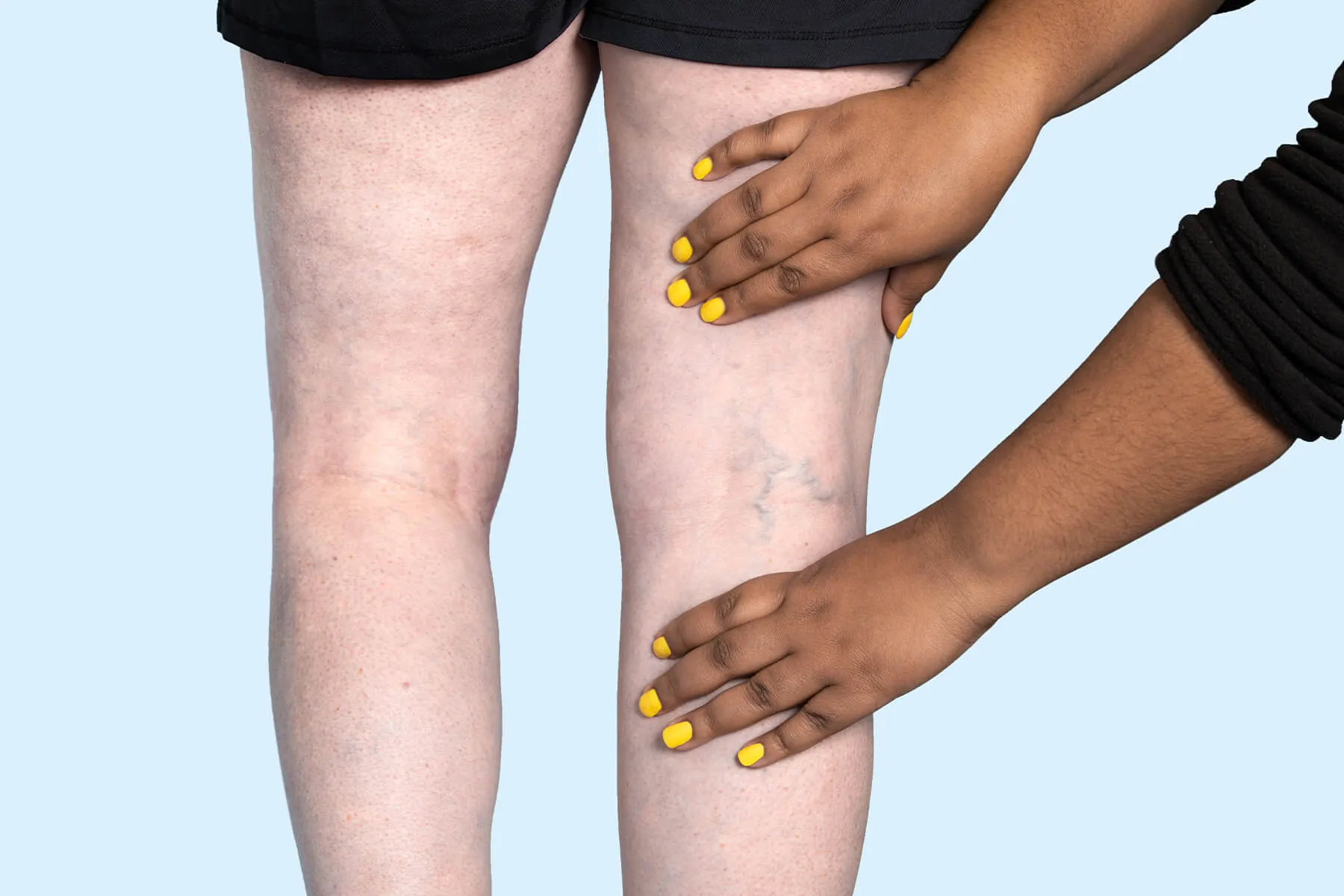
- Varicose veins
- Spider veins
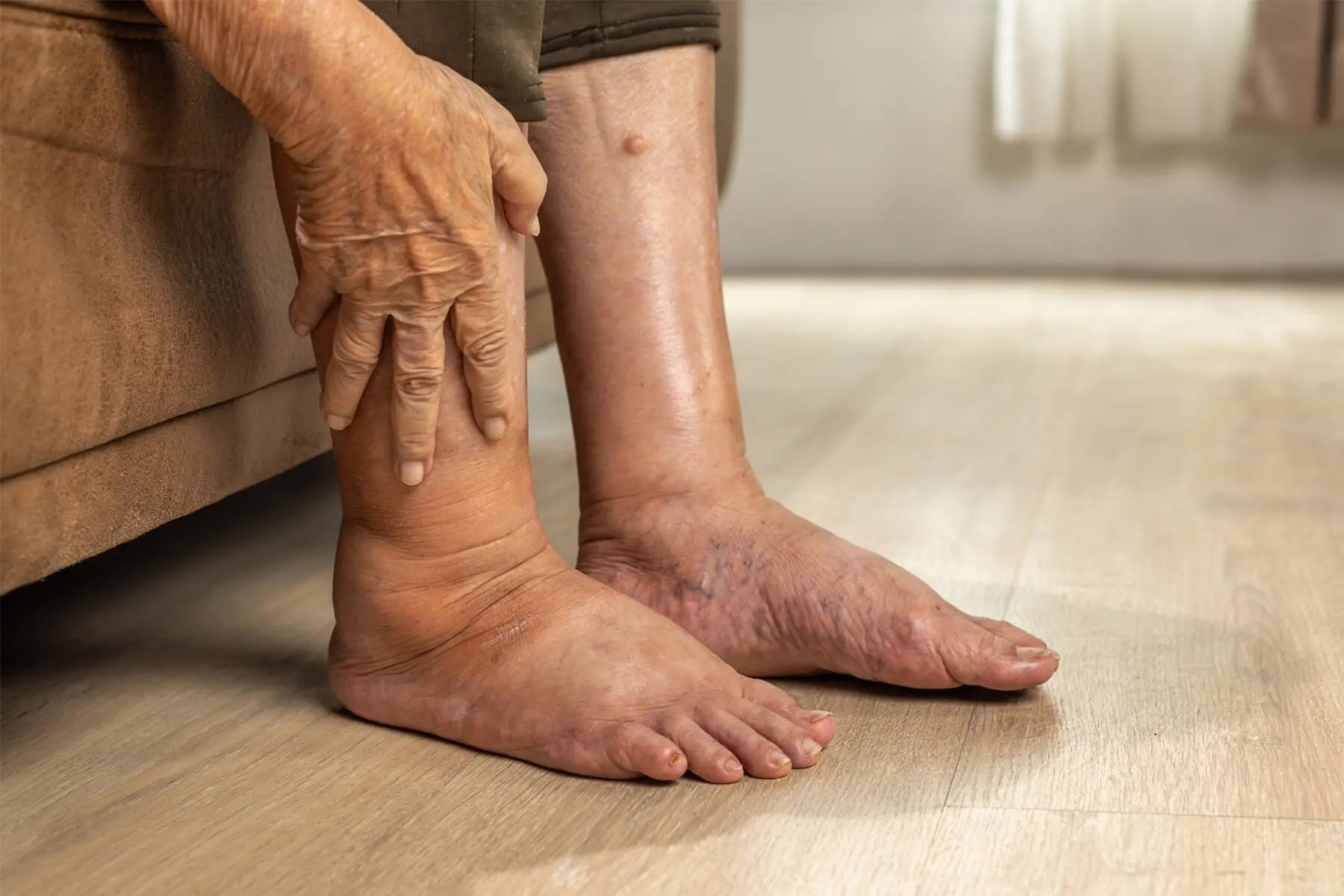
- Leg or ankle swelling (edema)
- Skin discoloration, especially around the ankles
- Thickening skin
- Leg ulcers

What Causes CVI, and Who's at Risk?
Venous insufficiency develops when pressure builds up in the veins of your legs, a condition called venous hypertension. That extra pressure makes it hard for blood to flow back to your heart, so it flows backward through the vein valves instead. When those valves can't close properly, a condition called valvular incompetence, blood pools in the legs rather than moving on. CVI is a condition affecting up to 35% of adults in the United States, (1 in 2 women, and 1 in 3 men). Common causes and risk factors include:
- Genetics and family history of vein disease
- Age (vein valves naturally weaken over time)
- Pregnancy and hormonal changes
- Obesity
- A sedentary lifestyle or lack of exercise
- Jobs that require prolonged standing or sitting (teaching, nursing, hairdressing, and similar roles)
- A history of deep vein thrombosis (DVT) or blood clots

If CVI Goes Untreated
CVI is progressive. Left untreated, it can lead to more serious complications, including:
- Open sores or ulcers that can become infected
- Blood clots
- Post-thrombotic syndrome (a complication that can follow DVT)
- In rare cases, pulmonary embolism
If you notice new or worsening symptoms, it's worth talking to a vein specialist rather than waiting for things to improve on their own.
Treatment Options for CVI
Most cases of CVI are treated with minimally invasive procedures that target the source of the problem: the deeper, larger veins in your legs (often called the truncal or saphenous veins) where reflux usually starts. Closing off these veins reroutes blood to healthier veins nearby and relieves pressure.
Which treatment is right for you depends on your vein anatomy, your symptoms, and your lifestyle. Your vein specialist will walk you through the options during your evaluation.
Prevention and Long-Term Maintenance
There's no guaranteed way to prevent CVI, since genetics play a large role. But these wellness habits can help manage symptoms and support healthier circulation over time:
- Stay active with regular movement or exercise
- Wear graduated compression stockings, especially during long periods of standing or sitting
- Maintain a healthy weight
- Elevate your legs when resting
- Avoid prolonged sitting or standing when possible
- Stay hydrated
These strategies won't cure CVI, but they can make a real difference in day-to-day comfort, and they support the results of any treatment you receive.
CVI FAQs
CVI and venous reflux describe the same underlying condition. Venous reflux disease refers to the backward flow of blood caused by faulty vein valves, which is the mechanism behind CVI. Our doctors use the terms interchangeably.
CVI is a chronic condition that develops gradually over months or years. Acute venous issues, like a blood clot, come on suddenly and need prompt medical attention.
Yes. When blood pools in the veins instead of moving efficiently, the risk of clot formation goes up.
Not exactly. Varicose veins are often a visible symptom of CVI, not the disease itself. CVI describes the underlying valve dysfunction that causes blood to pool, which is what leads to those bulging, twisted veins.
There's no cure, but it is very treatable. Minimally invasive procedures can close the affected veins and relieve symptoms, often with little to no downtime.
In most cases, yes. Treatment is typically covered when it's medically necessary to relieve symptoms like pain, swelling, or skin changes. Our team works with most insurance providers to help you understand your coverage.
Because CVI is progressive, symptoms tend to worsen over time and can lead to complications like skin ulcers or blood clots. Early evaluation and treatment typically lead to better outcomes.
Vein Disease Treatments
- State-of-the-Art
- Ultrasound Guided
- 15 Minutes
- FDA-Approved
- Minimally Invasive
- Minimal Downtime
Symptoms
Pain while standing

“Pain in my legs is disappearing. The care from the staff is wonderful. I would definitely recommend them to anyone.”Claudia
Let’s talk about you
Do You Have CVI Symptoms?
Get a snapshot of your vein health in just a few clicks.






![leg vein health evaluation]() 5 Min Read
5 Min ReadAlarming Risks of Neglecting Your Vein Health
![Dr. Philip LoPresti, board-certified vein specialist in New York and Chief Medical Officer at Metro Vein Centers.]()
Dr. Philip LoPresti
![CVI - President Trump's diagnosis]() 6 Min Read
6 Min ReadPresident Trump's Diagnosis: Chronic Venous Insufficiency (CVI)
![Dr. Philip LoPresti, board-certified vein specialist in New York and Chief Medical Officer at Metro Vein Centers.]()
Dr. Philip LoPresti
![]() 5 Min Read
5 Min ReadDoes Weightlifting or Strength Training Cause Varicose Veins?
![Michigan vein specialist Hugh Pabarue, MD, DABVLM]()
Dr. Hugh Pabarue
![aerial view of legs laying on colorful beach towels]() 5 Min Read
5 Min Read7 Proactive Tips to Prepare Your Legs for Spring and Summer Activities
![Dr. Philip LoPresti, board-certified vein specialist in New York and Chief Medical Officer at Metro Vein Centers.]()
Dr. Philip LoPresti
![75% of POTS patients have venous insufficiency. Discover the proven connection, why it matters, and how treating vein problems may improve POTS symptoms.]() 10 Min Read
10 Min ReadThe Connection Between POTS and CVI: What Research Reveals
![Michigan vein specialist Hugh Pabarue, MD, DABVLM]()
Dr. Hugh Pabarue