Most patients walk out of their vein treatment appointment and go straight back to their daily routine, as today’s minimally invasive treatments require little to no downtime. Following a few simple, everyday aftercare steps is all it takes to ensure your legs heal quickly and smoothly.
Because every person and every vein is slightly different, understanding your specific healing timeline can help you feel completely confident in your recovery. In this guide, we will cover general aftercare tips, what to expect after each specific treatment, and when you can start seeing and feeling your final results.
General Aftercare Tips for Any Vein Treatment
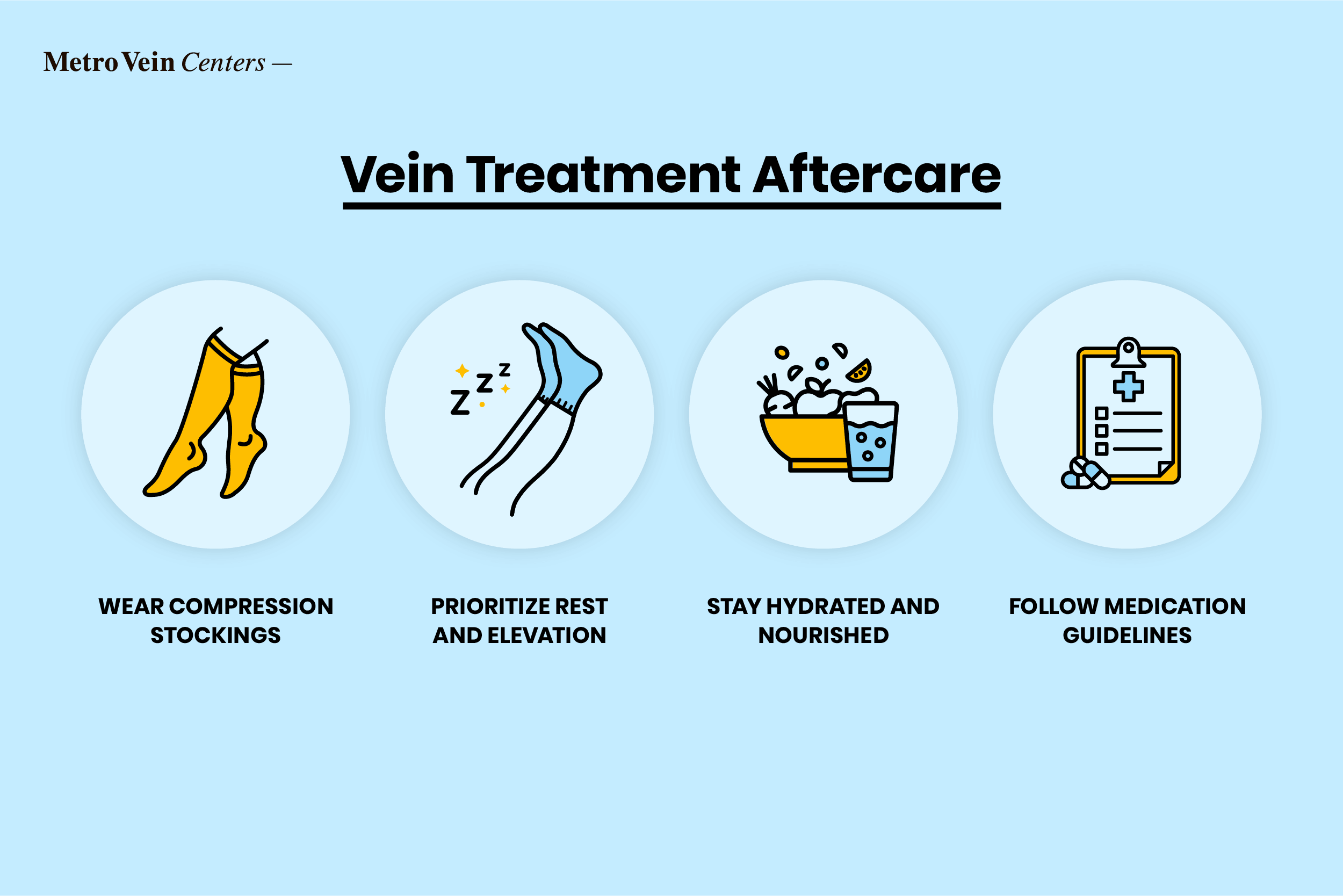
There are several easy steps you can take at home to help with your recovery from vein treatment, including:
- Wear compression stockings: Compression is usually recommended for 1-3 weeks after treatment, depending on the procedure. Compression helps with the healing process and reduces the risk of post-procedural complications. The use of compression can also help alleviate post-treatment swelling and reduce discomfort. Wearing compression stockings helps improve circulation by promoting healthy blood flow and minimizing the symptoms of vein disease.
- Prioritize rest and elevation: Elevating your legs can boost blood flow by using gravity to reduce swelling and discomfort from fluid buildup. Give your veins a hand by kicking up your feet! Ample rest allows your body to divert energy towards the healing process.
- Stay hydrated and nourished: Adequate hydration and a balanced, nutrient-rich diet play a pivotal role in supporting healing after treatment. Ensure you're drinking plenty of water and eating nutrient-dense foods to support the healing process!
- Follow medication guidelines: Your vein doctor may prescribe medications such as an anti-inflammatory to manage post-treatment symptoms like minor discomfort and inflammation. Adhering to the prescribed medication regimen is essential for managing discomfort and promoting a smooth recovery.
Sclerotherapy Recovery: What to Expect
Sclerotherapy injections can treat spider and varicose veins; your care plan may recommend a single treatment or a series of sessions spaced a few weeks apart. Recovery following each sclerotherapy treatment is similar:
- Immediately post-treatment, you'll be encouraged to walk around for about 15–20 minutes. This helps prevent blood clots and promotes healthy circulation.
- Compression stockings should be worn continuously for the next 24–48 hours, then during the day for the next 1–3 weeks, as advised by your vein doctor. Compression stockings after sclerotherapy are typically graduated, thigh-high, with a 20–30 mmHg compression gradient.
- You can also expect some mild discomfort, bruising, or itching at the injection sites during recovery. Over-the-counter pain relievers such as ibuprofen can help if needed. Arnica cream may be prescribed to help bruising resolve faster.
- Keep the treated areas moisturized to prevent dry, itchy skin.
- Avoid exposure to direct sunlight (to prevent hyperpigmentation).
- Most patients can return to their basic normal activities immediately after sclerotherapy. Regular walking and light exercise are encouraged to promote circulation and healing.
Things to Avoid for the First Few Days
Your doctor may advise you to avoid strenuous exercise, hot baths, saunas, or heavy lifting for the first few days post-treatment.
Learn more about this treatment
Ambulatory Phlebectomy and Microphlebectomy Recovery
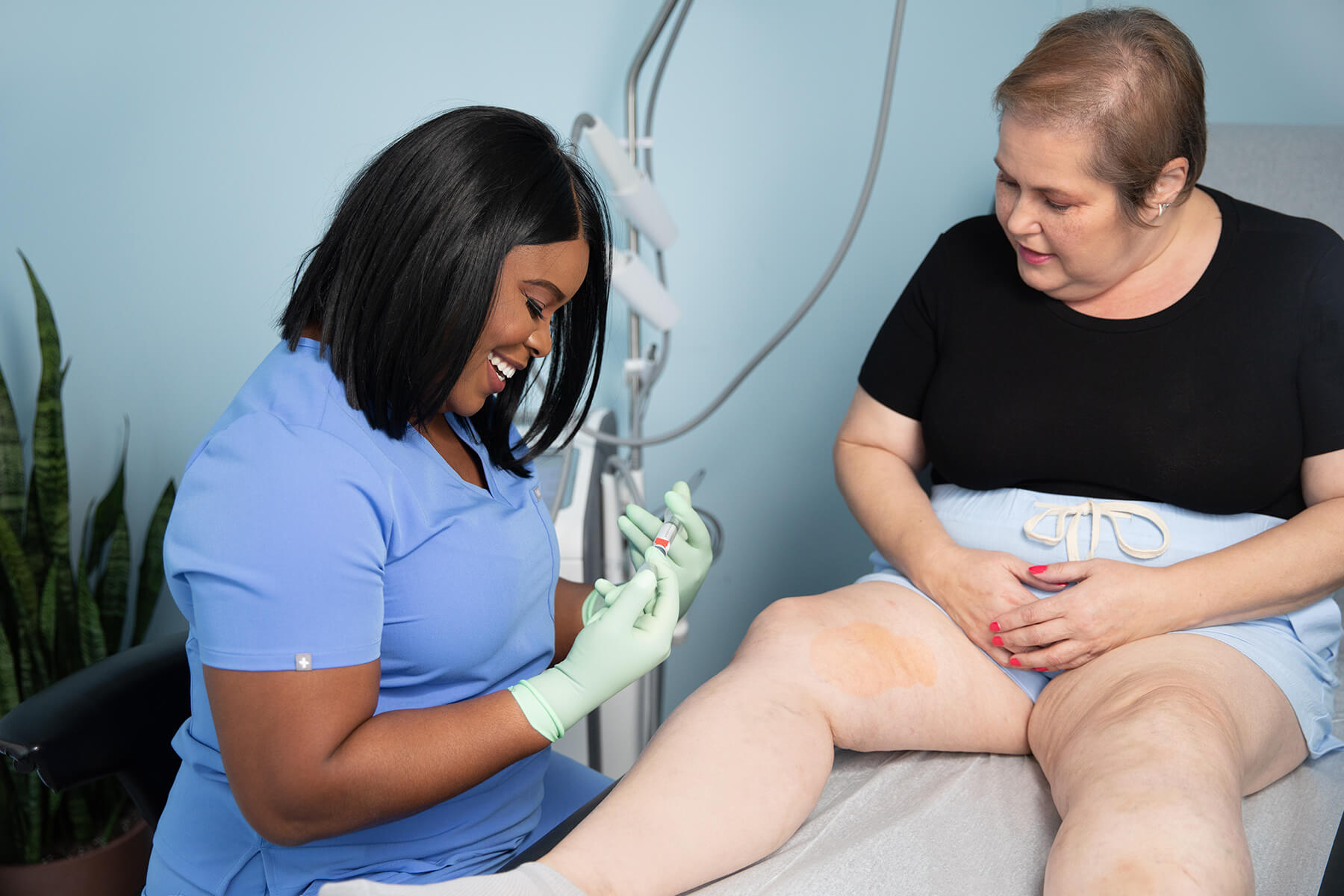
Ambulatory phlebectomy and microphlebectomy are both outpatient, same-day treatments. Most patients return to their normal activities within 24–48 hours, with full results noticeable within 2–4 weeks.
What to Expect After Phlebectomy
Following phlebectomy, patients are usually able to go home the same day. Phlebectomy side effects post-treatment are generally quite mild.
- You can expect some mild postoperative pain and some swelling and/or bruising around the incision site(s).
- Compression stockings will help speed up recovery and promote healthy circulation.
- Most patients return to normal activities within 24 hours, with results improving over time with continued recovery care.
What to Expect After Microphlebectomy
Microphlebectomy treatments take less than 30 minutes and end with light bandages put over the small incision sites.
- No stitches are needed, and redness at the treatment site will resolve with time.
- Mild discomfort, bruising, and swelling may occur during recovery but subside within a few days.
- Compression stockings are often recommended for 1–2 weeks.
Following these treatments, your vein doctor may suggest that you avoid heavy exercise for a few days to help you recover faster.
Learn more about these treatments
Laser Vein Treatment Recovery
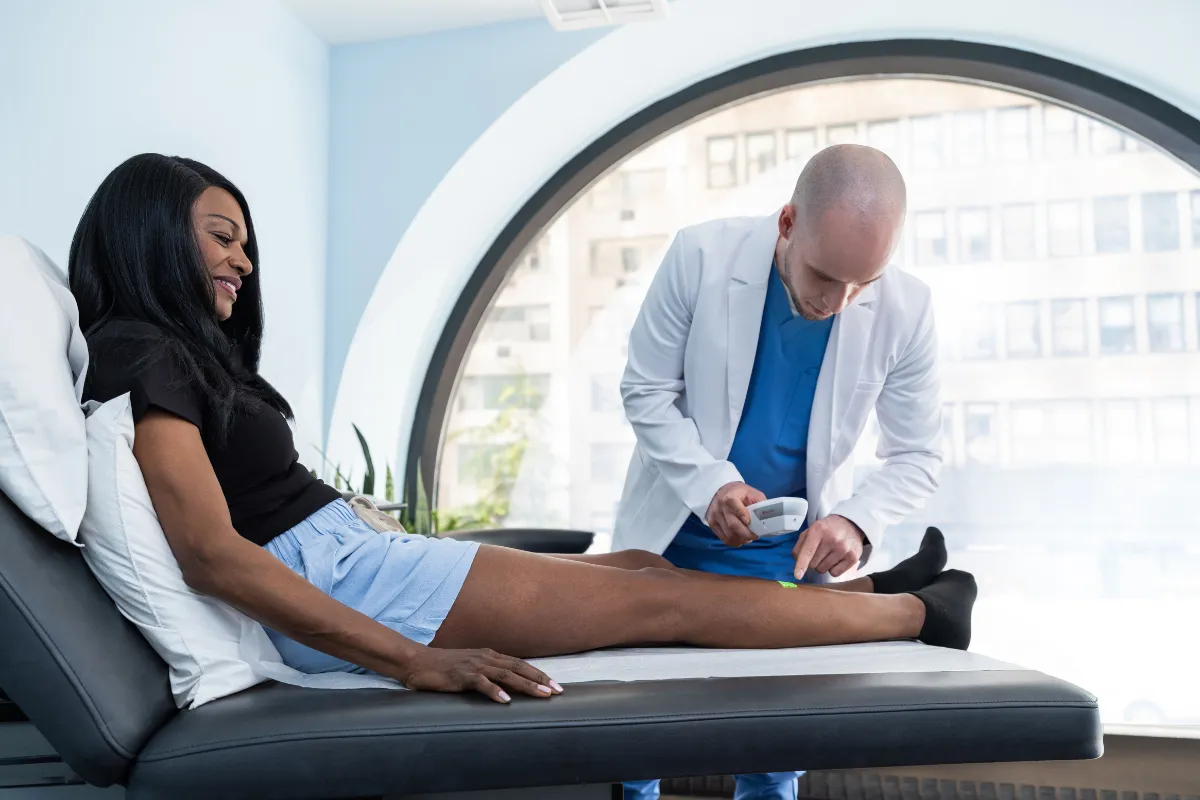
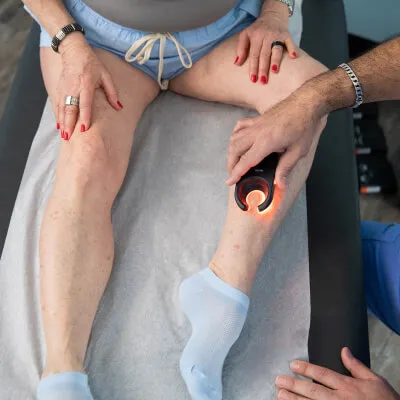
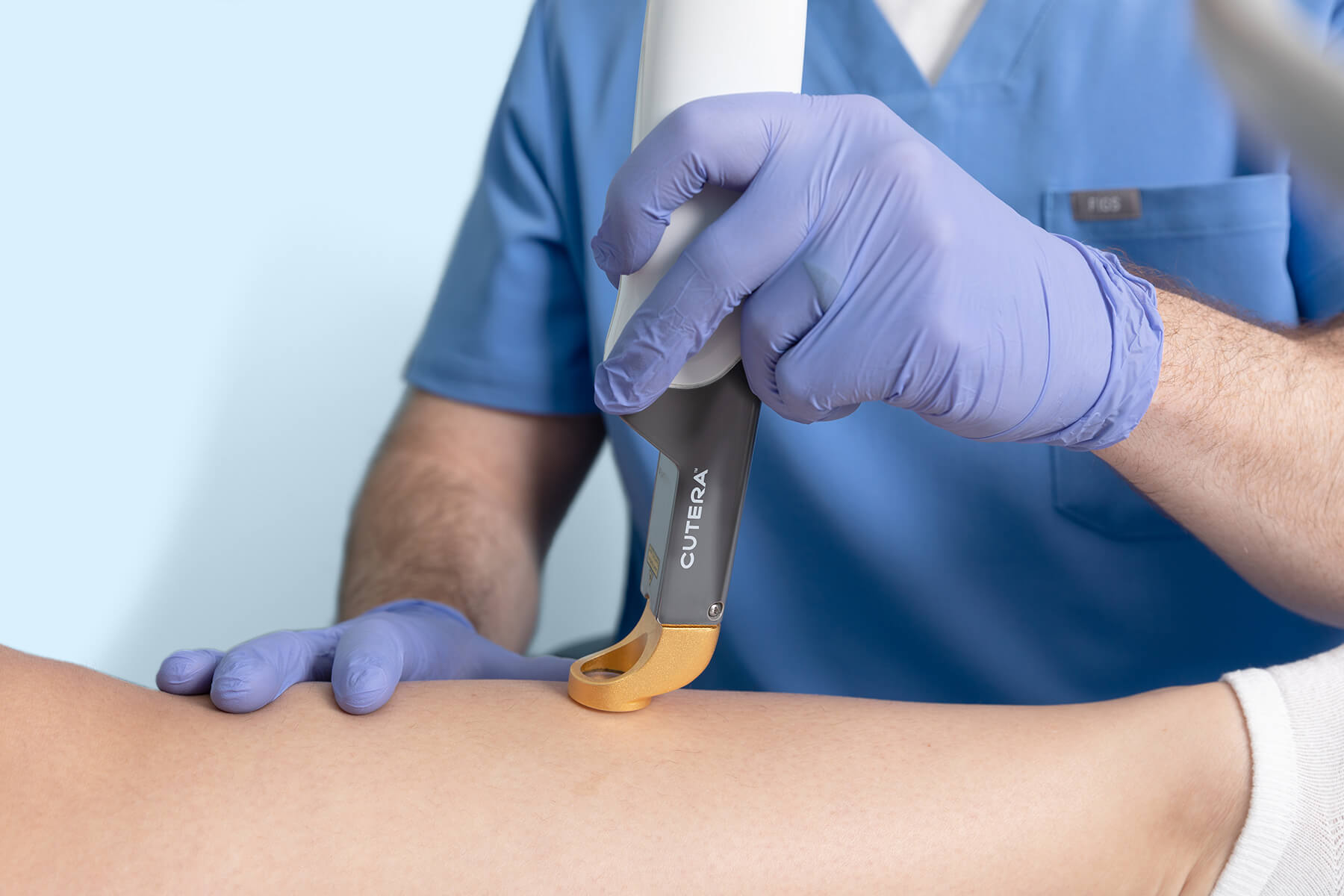
Laser vein treatment is a precise, surface-level treatment that requires no injections (that’s right: no needles!). Patients receiving excel V+ Laser vein treatment (not to be confused with endovenous laser ablation (EVLA) for varicose veins) experience minimal discomfort and very short recovery times. You can expect to return to your regular activities shortly after your appointment. Aftercare is simple:
- Avoid UV exposure for 2–3 weeks following a laser treatment — protect your skin from direct sun exposure with sunscreen plus longer pants, skirts, or compression stockings.
- Compression will also help minimize temporary swelling from the laser. Your vein specialist may recommend wearing compression stockings for a few days to 2 weeks.
Learn more about this treatment
Radiofrequency Ablation Recovery
Following radiofrequency ablation treatment, patients can return to their normal activities right away, without limitations. This treatment requires no general anesthesia, no stitches, and no prescription pain medication, so recovery is not an issue.
- Most patients simply walk out with a small bandage and continue their day with little to no downtime.
- Light exercise can resume within a few days, and walking is encouraged from day one.
Some patients notice increased soreness in the first day or two after RFA as the treated vein closes — this is normal and usually resolves quickly. Your vein doctor may recommend three days of compression post-treatment.
Uncommon but possible post-treatment symptoms include temporary bruising, numbness, itching, sensitivity, burning, or swelling. You may opt to take an over-the-counter pain medication or apply a medicated cream such as Voltaren cream to hasten healing.
Learn more about this treatment
Varithena Recovery and Aftercare
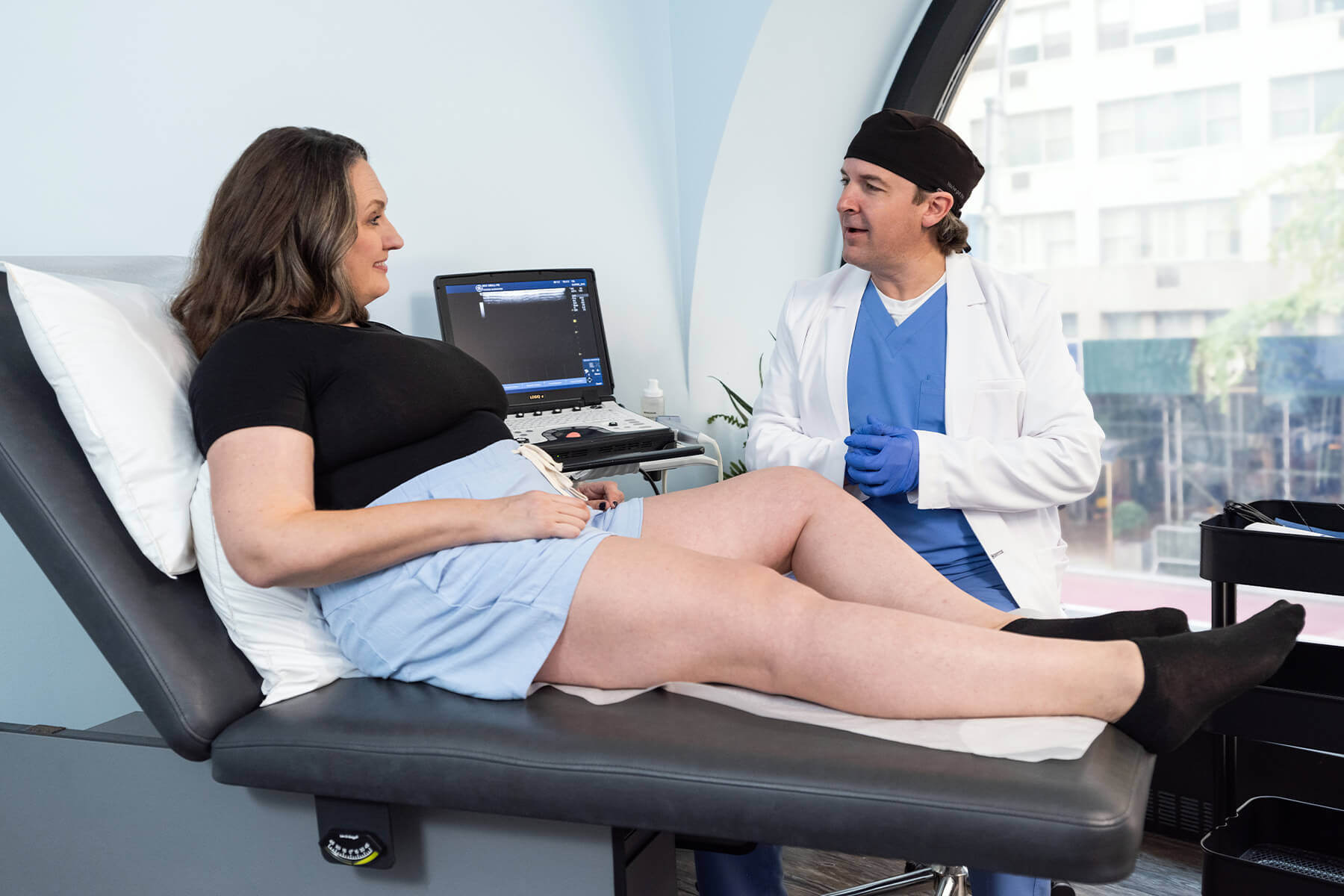
Here's what to expect in the days after your Varithena treatment. Varithena is minimally invasive and nonsurgical, as a foam medication is injected into a vein under ultrasound guidance to target the precise area of need. This foam infusion causes the varicose vein to close safely and gently.
- Temporary tenderness and/or mild bruising at the injection site(s) is totally normal post-treatment, but should improve over time.
- Over-the-counter pain medicine may help with mild local pain.
- Routine activities can be resumed the next day or sooner, depending on your physician's guidance.
- Avoid heavy exercise for a week, but light walking for at least 10 minutes per day will help circulation.
- Wear your compression stockings for up to 2 weeks, or as your vein doctor recommends.
Learn more about this treatment
VenaSeal Recovery
VenaSeal is a specially formulated medical adhesive that is injected into a diseased vein via a tiny catheter using ultrasound guidance to pinpoint the precise area of need. It’s minimally invasive and nonsurgical. This powerful single-injection treatment has an especially short recovery time.
- Most patients can resume their normal routine the same day and will experience immediate improvement in symptoms.
- You will not receive compression stockings following this vein treatment, because it applies pressure from within the vein - so no need for external compression!
- Mild tenderness or inflammation is possible, which should resolve on its own.
- Some mild bruising may occur at the injection site, which can be managed with over-the-counter pain relievers.
Learn more about this treatment
When Will You Feel and See Results?
When it comes to vein treatment, it is helpful to think of your recovery in two different stages: how your legs feel and how they look. Relief from physical discomfort almost always comes first, while cosmetic improvements happen gradually as your body naturally clears away the treated veins.
When You'll Feel Better
Many patients notice a significant improvement in heavy, aching, or throbbing legs within just a few days to a few weeks after their procedure. Other common symptoms, like restless legs and nighttime cramping, tend to resolve more gradually. In fact, patients often don’t realize just how much progress they’ve made until they suddenly notice they’ve slept through the entire night without any discomfort. To experience this relief as quickly as possible, consistency is key—closely following your doctor's aftercare instructions, such as walking daily and wearing your compression stockings, is the best way to speed up your internal healing.

When You'll See Results
While your legs will likely feel lighter and more comfortable relatively quickly, cosmetic improvements require a bit more patience. It is completely normal for treated areas to look worse before they look better. Right after treatment, you may notice temporary bruising, minor swelling, or skin darkening along the path of the vein—this is simply a sign that the treatment worked, and these marks will fade as your body naturally reabsorbs the closed vein.
Because minimally invasive treatments work gradually, it can take anywhere from a few weeks to a few months to see the full aesthetic transformation. Depending on the size and number of veins being treated, multiple appointments may be needed to achieve your goals, especially for widespread spider veins. A great way to track your progress is to take your own before-and-after photos at home. To see what typical healing timelines look like, you can browse through the Metro Vein Centers’ before-and-after gallery for real patient results.
Can You Fly After Vein Treatment?
It is highly recommended to avoid flying immediately after a vein procedure. The combination of cabin pressure and prolonged, cramped sitting on a flight can restrict blood flow and negatively affect your circulation during the early stages of healing.
Most vein specialists recommend waiting at least two weeks before flying to minimize risks. If you have travel plans coming up soon, be sure to check in directly with your vein doctor, as the exact timing can vary depending on the specific procedure you received.
Ready to Get Started?
Modern vein treatments offer powerful symptom relief with minimal disruption to your daily life. There is truly no reason to live with heavy, aching legs when recovery is this quick and straightforward.
Metro Vein Centers provides a wide range of minimally invasive vein treatments at our accredited clinics in convenient locations across the U.S. We accept over 200+ insurance plans and offer free vein evaluations for eligible coverage.
Ready to restore your leg health? Schedule your free consultation at a Metro Vein Centers location near you, or call us at 866-353-5124 to take a step toward healthy, comfortable legs today.
Frequently Asked Questions
Metro Vein Centers’ minimally invasive vein treatment procedures require very little downtime, with full cosmetic results over a few weeks to months.
For RFA and VenaSeal, recovery is typically the same day. For a phlebectomy, recovery usually takes between 24 and 48 hours. After sclerotherapy, you can resume your routine within a few days. The timing for complete recovery and optimal results can vary from person to person, but most can expect it in a few weeks.
Yes, you can speed up recovery after vein treatment by following your vein doctor’s post-treatment instructions. These will likely include wearing compression stockings, avoiding UV light exposure, prioritizing rest, hydration, and nutrition, and light exercise.
Common side effects after vein treatment include some mild bruising, temporary swelling, and tenderness, which should fade within a few days. You should not expect any significant disruptions to your routines or daily activities post-treatment. Results can be noticed within 2 weeks, though they can vary from person to person.
Yes, bruising and mild swelling, temporary skin darkening, numbness and/or sensitivity, and mild tenderness or tightness are all possible side effects of vein treatment, but they are generally mild and temporary.
These side effects are a normal part of the circulatory system's redirection of blood flow to healthier veins, and they typically resolve on their own within a few weeks.
Yes, minimally invasive vein treatments are quick, easy, and have short recovery times, and treatments are very likely covered by insurance.
The length of time you need to wear compression stockings depends on the procedure you received and your doctor's recommendation. For sclerotherapy, 24–48 hours of continuous wear (including overnight), followed by daytime wear for 1 to 3 weeks, is typical.
For radiofrequency ablation (RFA), vein specialists typically recommend wearing it during the day for about 3 days. For excel V+ Laser vein treatment, compression is usually recommended for a few days up to a few weeks.
After VenaSeal, compression stockings are typically not required, as this method uses a medical adhesive to seal the vein instantly.
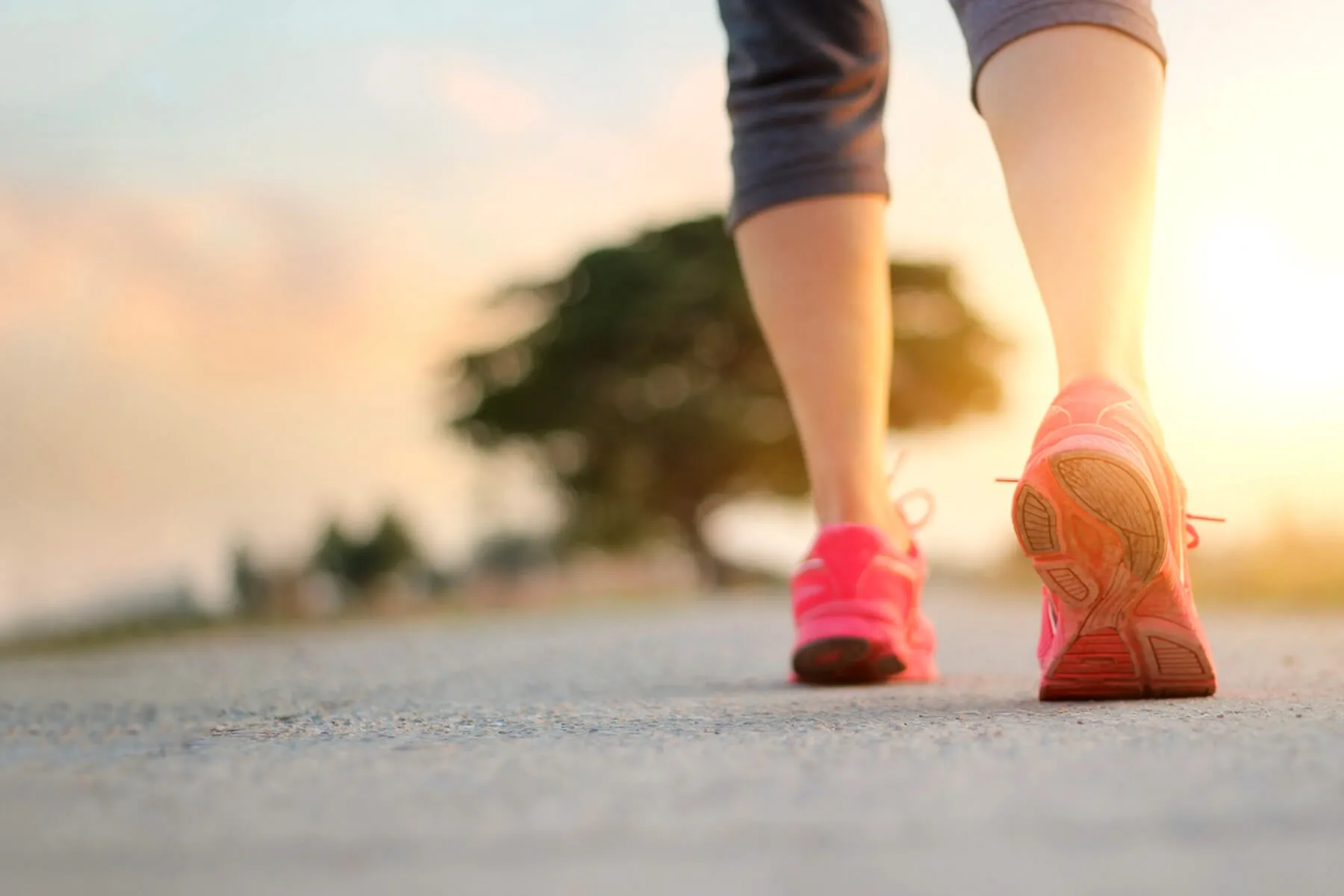
Yes, you can exercise after vein treatment, and in fact, light walking is highly encouraged starting on day one. Walking pumps the calf muscles, which promotes healthy blood flow and aids your recovery. Most patients can comfortably return to low-impact activities within a few days.
However, you should hold off on strenuous exercise, running, high-impact workouts, and heavy lifting for about a week, or until your doctor clears you, to prevent putting extra pressure on the healing veins.
Most patients return to work the same day or the day after. Procedures are outpatient and typically take under an hour. If your job involves heavy physical labor, check with your vein doctor on timing.
Dr. Philip LoPresti
Meet Dr. Philip LoPresti, DABVLM, FACS, a board-certified surgeon and vein specialist and surgeon with over 20 years of experience. Schedule an appointment with him in Queens, NY today.
Meet Dr. Philip LoPresti
Trusted insight from the nationally accredited, board-certified vein doctors at Metro Vein Centers.