Have you ever stopped to think about how the blood vessels in your lower body work to support your circulation every time you take a step, go for a walk, or simply stand on your feet? While we often just think about our muscles and bones in our lower body, the veins in our feet, ankles, and legs play an equally important role in keeping things moving smoothly. Together, let’s take a closer look at the complex network of venous valves in the ankle, foot, and leg, their important functions, and differences.
Anatomy of Foot Veins
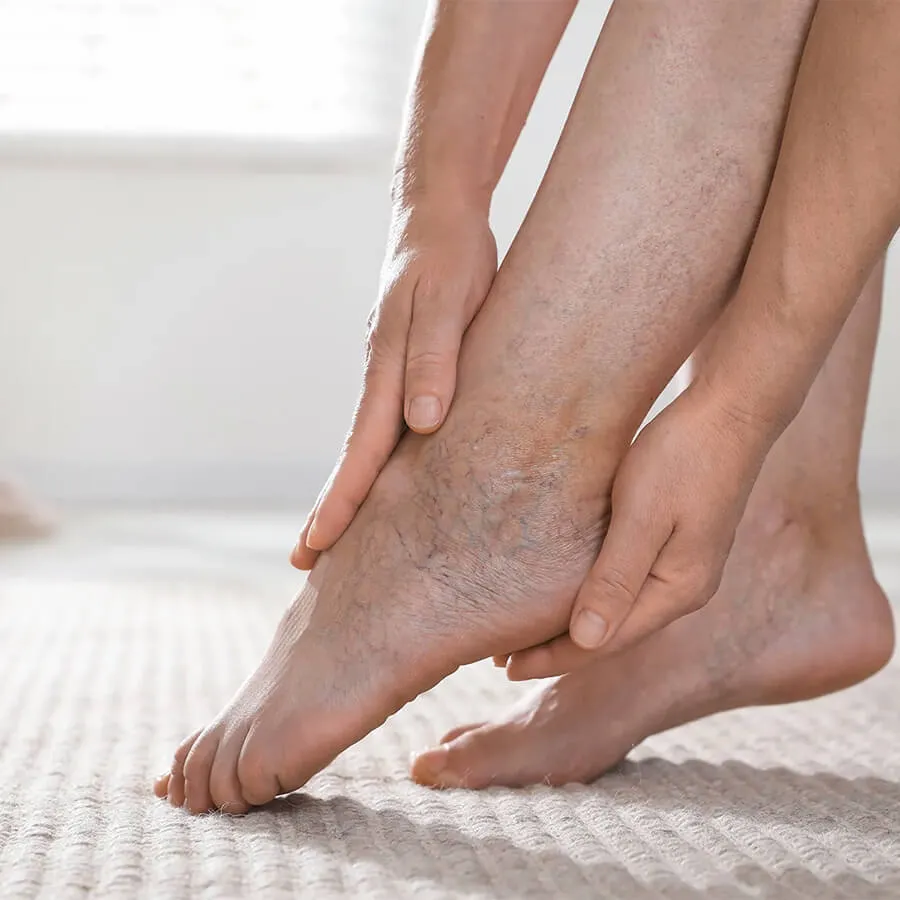
Think of your feet as the foundation of your circulatory system in the lower body. The veins here are responsible for collecting blood from the toes and the soles of your feet and starting its journey back towards the heart.
Superficial Veins
On the top of your foot, you'll find a visible network called the dorsal venous arch. This arch acts like a collection and venous drainage point, gathering blood from the smaller veins in your toes and the front part of your foot. It plays a key role in helping blood begin its trip back towards your heart.
Deep Veins
Beneath the surface, within the muscles of your foot, lie the medial and lateral plantar veins. These two veins join together in the back of your foot to form larger veins that continue up your leg, bringing the deoxygenated blood back to your heart. They are essential for efficient blood flow.
Anatomy of Ankle Veins
When the veins from your foot reach your ankle, they start to link up. The ones closer to the surface on the top of your foot just keep traveling upwards and become the superficial veins you see in your leg.
The deep plantar veins of the foot connect and become the anterior and posterior tibial veins as they pass through the ankle region into the legs. These tibial veins carry a significant amount of blood up the leg.
Anatomy of Leg Veins
The venous anatomy of the legs contain a larger set of veins that are responsible for carrying most of the blood back up from your feet and lower legs.
Deep Veins
The tibial veins (anterior and posterior) and the peroneal veins run deep within the muscles of the calf. They are central to the venous return in the leg. As they travel upwards towards the knee, they come together to form the popliteal vein, which then becomes the femoral vein in the thigh – a major deep vein.
Superficial Veins
Closer to the skin's surface are the great saphenous vein and the small saphenous vein. The great saphenous vein is the longest vein in the body, running from the ankle up the inner thigh. The small saphenous vein runs along the back of the calf and typically joins the deep venous system near the knee. These superficial veins also play a crucial role in drainage.
Functional Differences Between, Foot, Ankle, and Leg Veins
While all these veins share the common goal of returning blood to the heart, their location and structure influence their specific functions.
The veins in your feet, and especially the network on the top, are the initial receivers of blood as it flows back from the outer areas of your foot. This network helps accommodate the movement and pressure changes that the foot experiences.
Ankle veins act as a transitional zone, connecting the smaller foot veins to the larger leg veins. The deep tibial veins around the ankle are key to ensuring a continuous upward flow.
Leg veins, especially the deep system, handle the largest volume of blood return against gravity. This is where venous valves become especially important. These one-way valves lining the inner walls of the veins prevent blood from flowing backward, which ensures efficient circulation up the leg. The superficial veins in the leg also contribute to drainage and can act as alternative pathways if the deep veins are not doing their job as they should be.
Common Disorders Associated with Lower Extremity Veins
Issues can develop in any part of the complex venous system of the lower body. Common vein health conditions include:
Venous insufficiency, also known as chronic venous insufficiency or venous reflux disease, occurs when the veins, often in the legs, have trouble sending blood back to the heart. This can be due to faulty valves and can affect both superficial and deep veins, leading to symptoms like swelling, pain, and skin changes.
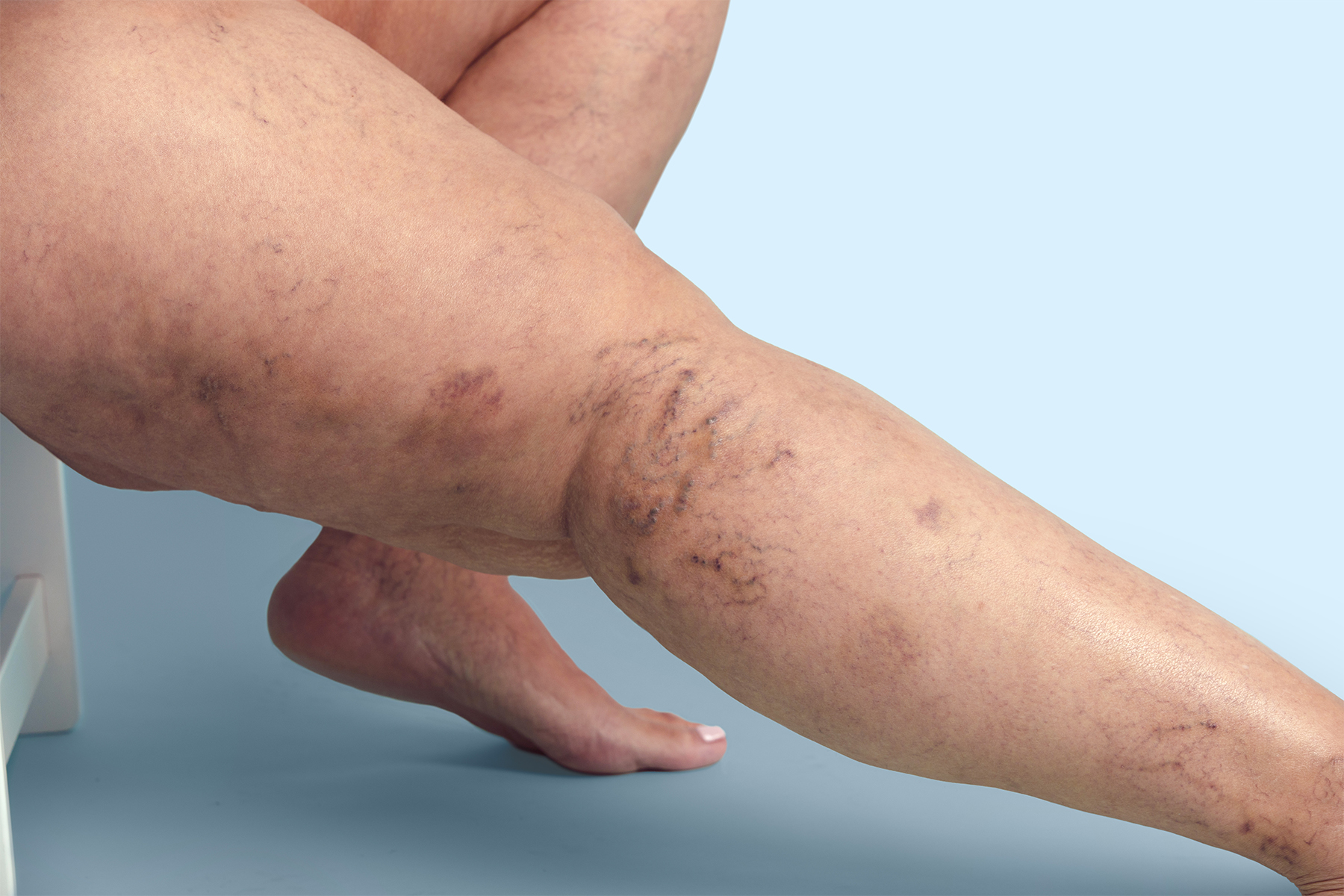
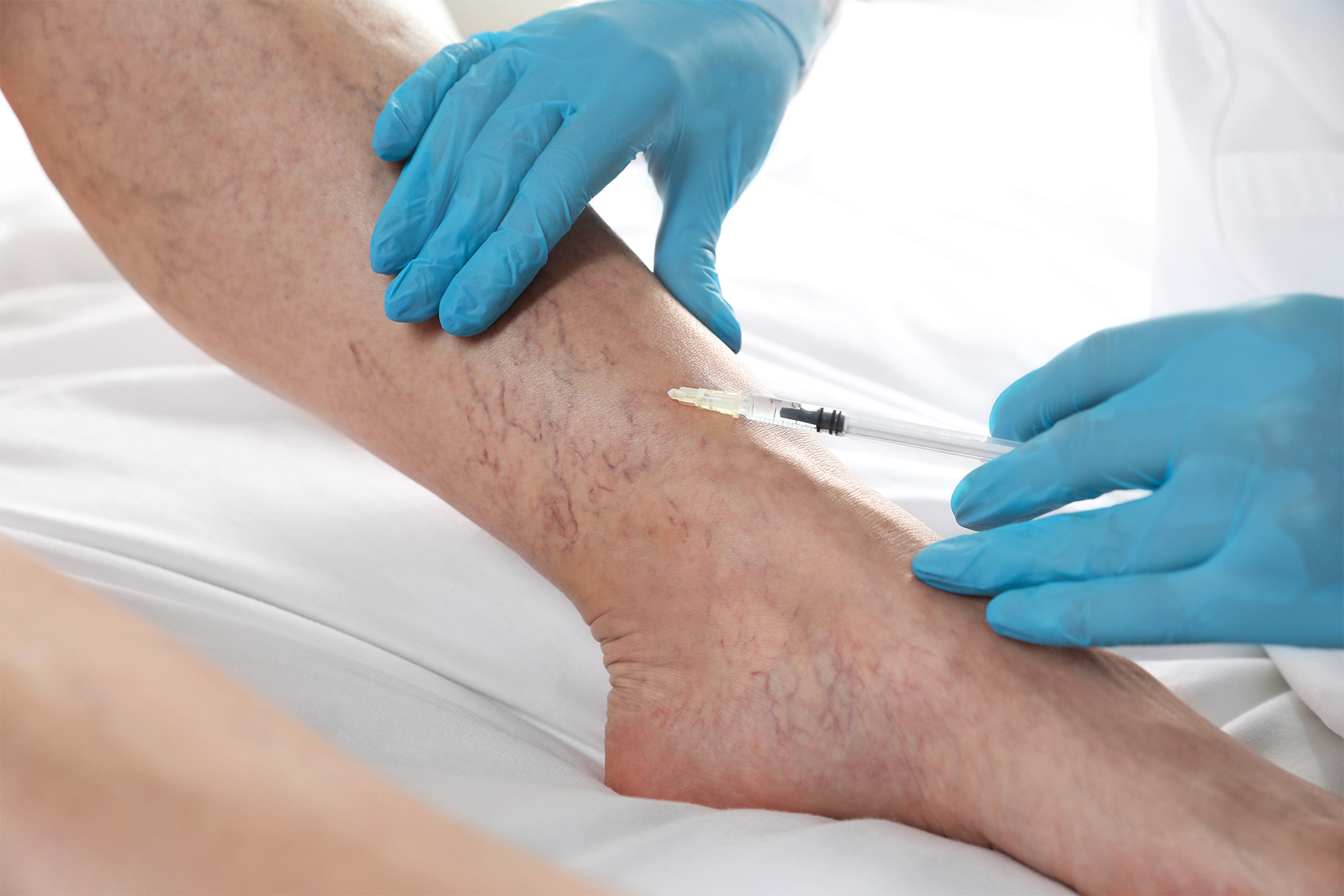
Varicose veins are often the first and most noticeable sign of venous insufficiency and are commonly seen in the superficial veins of the leg. When the valves in these veins weaken, blood can pool, causing the veins to become enlarged, twisted, and visible.
Deep Vein Thrombosis (DVT) involves the formation of a blood clot in one of the deep veins, most commonly in the leg. This can be a serious condition requiring immediate medical attention.
Conclusion
The veins in your feet, ankles, and legs have distinct characteristics and functions that highlight just how complex the network of veins are that make up the vascular system of your lower body. As vein specialists, recognizing these differences helps us identify disruptions in the venous system that can impact your overall health and well-being. Through our diagnostic tools, we can help you take proactive steps to maintain your vascular health, such as making lifestyle changes, and undergoing minimally-invasive treatments when necessary.
Frequently Asked Questions
What are the main differences between superficial and deep veins in the legs?
Superficial veins are located closer to the skin's surface and are visible, like the great and small saphenous veins. Deep veins, such as the tibial and femoral veins, are located within the muscles and carry the majority of the blood back to the heart. Deep veins are less prone to varicose veins but are where deep vein thrombosis (DVT) occurs.
How do perforator veins connect superficial and deep venous systems?
Perforator veins are small connecting vessels that bridge the superficial and deep venous systems. They have valves that normally direct blood flow from the superficial to the deep veins, aiding in efficient return to the heart.
Why are varicose veins more common in the superficial veins of the legs?
Superficial veins in the legs are more susceptible to the effects of gravity and lower pressure compared to deep veins supported by muscles. Over time, the valves in these superficial veins can weaken, leading to blood pooling and the development of varicose veins.
What role do venous valves play in preventing venous insufficiency?
Venous valves are crucial for maintaining unidirectional blood flow in the veins, especially in the legs where blood needs to travel against gravity. These one-way valves prevent backflow. When these valves become faulty or weakened, blood can pool in the veins, leading to increased pressure and venous insufficiency.
How does the anatomy of foot veins contribute to overall circulatory health?
The network of superficial and deep veins in the foot initiates the process of venous return from the farthest points of the lower extremities. The dorsal venous arch and plantar veins efficiently collect blood, which then flows into the larger veins of the ankle and leg. This efficient initial drainage is essential for preventing blood from stagnating in the feet and contributing to overall healthy circulation.

Dr. Mason Mandy
Meet Dr. Mason Mandy, a board-certified surgeon, vein specialist at our Phoenix clinic. Schedule an appointment today.
Meet Dr. Mason Mandy
Trusted insight from the nationally accredited, board-certified vein doctors at Metro Vein Centers.