
To prepare your legs for summer, transition into activity gradually to support the calf muscle pump, stay hydrated to maintain blood viscosity, and incorporate vascular-friendly habits like elevation and compression. Addressing vein health in the spring ensures you are recovered and "shorts-ready" by the peak of summer heat.
As the days get longer and warmer, many of us look forward to trading in our boots for sneakers and hitting the trail or the beach. But after a sedentary winter, jumping straight into spring fitness can be a shock to your system, especially your vascular system.
Before you head out for that first long hike or beach day, let’s talk about preparing your legs for summer activities. Your veins have been in low-power mode all winter, and asking them to handle the summer heat plus increased movement requires a bit of a seasonal tune-up.

Spring Awakening: Why Your Legs Need a Seasonal Transition
During the transition from winter to spring, our legs need a seasonal adjustment to handle increases in temperature and barometric pressure, as well as higher activity levels. These changes can affect blood circulation and vascular health.
High-impact activity without prior training can put a lot of pressure on veins that haven't been asked to perform for a while. As a result, a spring surge of activity can be a shock to your circulation, leading to leg swelling (edema) or even triggering underlying symptoms of venous insufficiency that were quiet during the colder months.
The Aesthetic Advantage: Why Spring is a Great Time for Vein Treatment
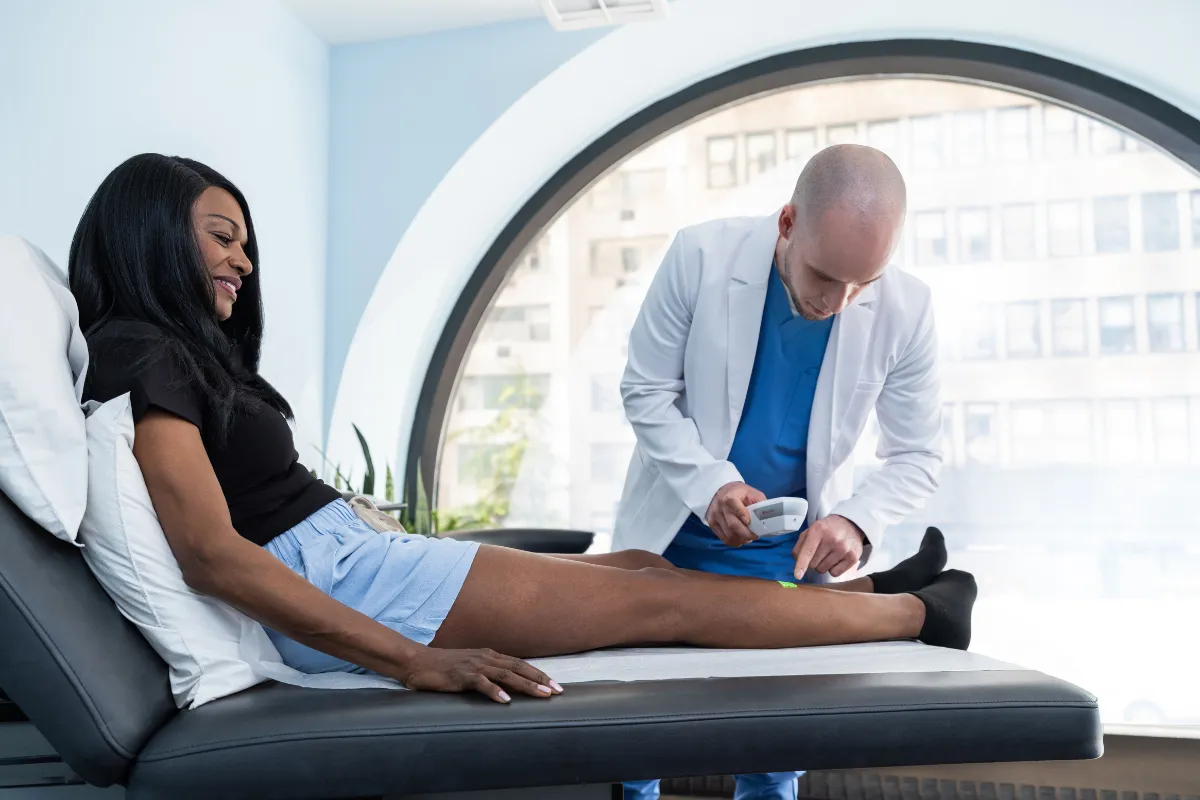
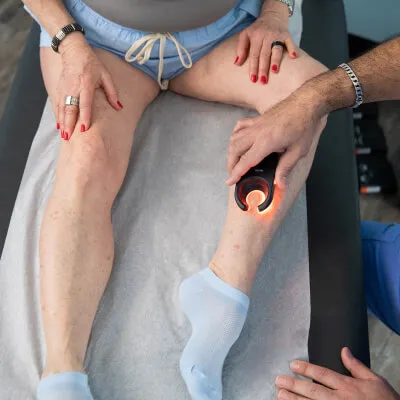
If you’re considering minimally invasive treatment for spider veins or varicose veins, spring is a great time, and here’s why:
- Spring is your “last call” for vein treatment in time to show off your legs for summer. By starting in April or May, any minor bruising will be long gone by peak beach season in July.
- By undergoing minimally invasive treatment in the spring, you are closing off the problematic veins before the summer heat causes them to dilate further and cause more pain.
- Treatments like sclerotherapy or laser ablation often require wearing compression stockings, which can get hot in the summer months.
- No downtime means you can start a low-impact exercise routine before temperatures rise.

7 Proactive Steps for Stronger, Healthier Summer Legs
Getting your legs ready for the sunshine doesn’t have to be an uphill battle. It’s all about making small, intentional shifts in your daily routine that support your veins before the summer heat puts them to the test. From what you put on your plate to how you move your feet, here are seven proactive lifestyle changes that can help boost your circulation and keep your legs feeling light and energized all season long.
To ensure you're shorts-ready by July, start these habits in April and May:
1. Follow the 10% Rule
Don’t double your mileage in a week. Instead, increase your activity level by no more than 10% each week to prevent venous inflammation and give your circulation time to adapt.
2. Spring-Clean Your Diet
Focus on bioflavonoids and vein-friendly foods like citrus fruits, berries, and leafy greens. These healthy choices can help strengthen vein walls and improve vascular health.
3. Steady Hydration
When you’re dehydrated, your blood becomes more viscous (thicker), making it harder to pump. Staying hydrated is the simplest way to keep blood flowing smoothly.
4. Strategic Compression Therapy
Switch to lightweight, breathable compression stockings or sleeves for spring and summer. Wear them as directed by your vein specialist for travel or post-workout recovery to manage heat edema.
5. Sunscreen as Vein Protection
UV rays don't just cause burns; they can break down collagen in the skin. Since collagen supports your vein walls, losing it can make spider veins more visible and permanent.
6. Contrast Bathing
Try alternating warm and cool water in the shower. This temperature routine causes veins to dilate and contract, effectively exercising the vessel walls.
7. Footwear Fundamentals
Opt for shoes with a slight heel cushion and good arch support. Flatter-than-flat sandals limit your ankle's full range of motion, weakening the calf muscle pump.

Spring Fatigue or CVI? How to Spot the Difference
It’s normal to feel a little sore after your first outdoor workout, but learn to recognize the red flag symptoms of vein disease. If you experience persistent heavy legs, night cramps, or swelling that doesn't go away with leg elevation, it might not be due to a lack of fitness. It could be chronic venous insufficiency (CVI), a condition in which your veins can't efficiently pump blood back to your heart. If your discomfort is localized to one spot or accompanied by redness, it’s worth a visit to a vein specialist.
Daily Maintenance: The "Elevate & Move" Routine
Think of this routine as the perfect pre- or post-treatment rehab for your legs. Whether you are prepping your circulation for a busy summer or recovering from a minimally invasive treatment like sclerotherapy, these two habits are the bread and butter of vascular health.
By incorporating a simple "Elevate & Move" routine this spring, you’re not just managing symptoms; you’re actively supporting the healing process and ensuring your professional treatments are as effective as possible.
The 5-Minute Daily Workflow
If you’re returning to active outdoor hobbies or have a job that keeps you on your feet, use this quick routine to keep blood flow moving in the right direction:
Mini Motor Breaks: Every 30 minutes, perform 15-20 calf raises. This pumps blood out of the lower legs and helps prevent venous pooling, which can lead to spider veins.
Evening Elevation: At the end of the day, lie down with your legs propped up above your heart for 10–15 minutes. This uses gravity to drain swelling and gives your vascular valves a well-deserved break.

Summer Circulation and the Calf Muscle Pump Connection
Think of your calf muscles as your “second heart." Every time you take a step, these muscles contract, squeezing your veins and pushing blood upward against gravity toward your heart, called a calf pump.
The calf muscle pump becomes even more important during the summer to reduce heat-induced swelling, fatigue, and poor venous circulation by forcing blood from the lower limbs back to the heart.
Contracting the calf muscles, especially through exercises like heel raises, walking, or ankle pumps, significantly boosts circulation and reduces fluid buildup, which is crucial during long periods of sitting or standing in heat.
Ready to Step Into Summer?
Don’t let heavy, aching legs keep you on the sidelines this season. By taking a few proactive steps now and addressing any underlying vein issues before the summer heat arrives, you can ensure your legs feel as light as your summer wardrobe. Whether you're planning mountain hikes, beach walks, or just want to feel confident in shorts again, the best time to focus on your vascular health is right now.
Take the first step toward a comfortable, active summer. Schedule your free vein health assessment at Metro Vein Centers today and reclaim your stride!

Frequently Asked Questions
Typically, you should wait 2–4 weeks before exposing treated areas to intense sun. This prevents hyperpigmentation (dark spots) where the veins used to be. This is why spring is the ideal treatment season.
Heat causes veins to dilate (widen). If your valves are already weak, this extra widening allows more blood to pool, increasing pressure and the throbbing sensation, as well as other symptoms associated with varicose veins.
While exercise is great for circulation, high-impact running on hard surfaces can be tough on the veins. Wearing light compression stockings and choosing softer running surfaces can help protect your vascular system.
Low-impact workouts like cycling, swimming, and brisk walking are best. They maximize the calf muscle pump without the jarring impact of jumping or sprinting.
Minor swelling can happen, but if you notice a pitting edema (where a fingerprint stays in the skin after pressing), it’s a sign your veins are struggling to keep up.
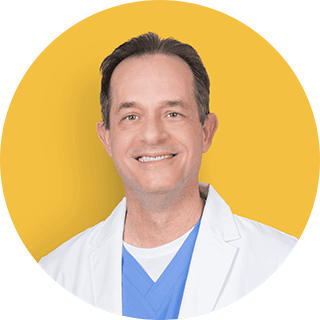
Dr. Philip LoPresti
Meet Dr. Philip LoPresti, DABVLM, FACS, a board-certified surgeon and vein specialist and surgeon with over 20 years of experience. Schedule an appointment with him in Queens, NY today.
Meet Dr. Philip LoPresti
Trusted insight from the nationally accredited, board-certified vein doctors at Metro Vein Centers.