
Key Takeaway
Fall is an ideal season for vein treatment because the cooler weather supports a more comfortable, discreet recovery and allows time for complete healing before the following summer. Starting treatment in the fall also lets you maximize your remaining yearly insurance benefits before your deductible resets in the new year.
Verify your insurance coverage and book a free vein health evaluation today to get started!

Why Should You Consider Treating Your Veins in the Fall?
Fall is a great season to schedule vein treatment because, as the weather cools and clothing changes, autumn provides just-right conditions for a comfortable and discreet recovery.
Autumn creates a perfect environment for both medical and cosmetic vein procedures and is also an optimal time for patients whose insurance deductible resets in the new year. Please note that insurance coverage and deductible timing apply specifically to medically necessary vein treatments, as cosmetic treatments (such as spider vein care) are generally not covered by insurance.
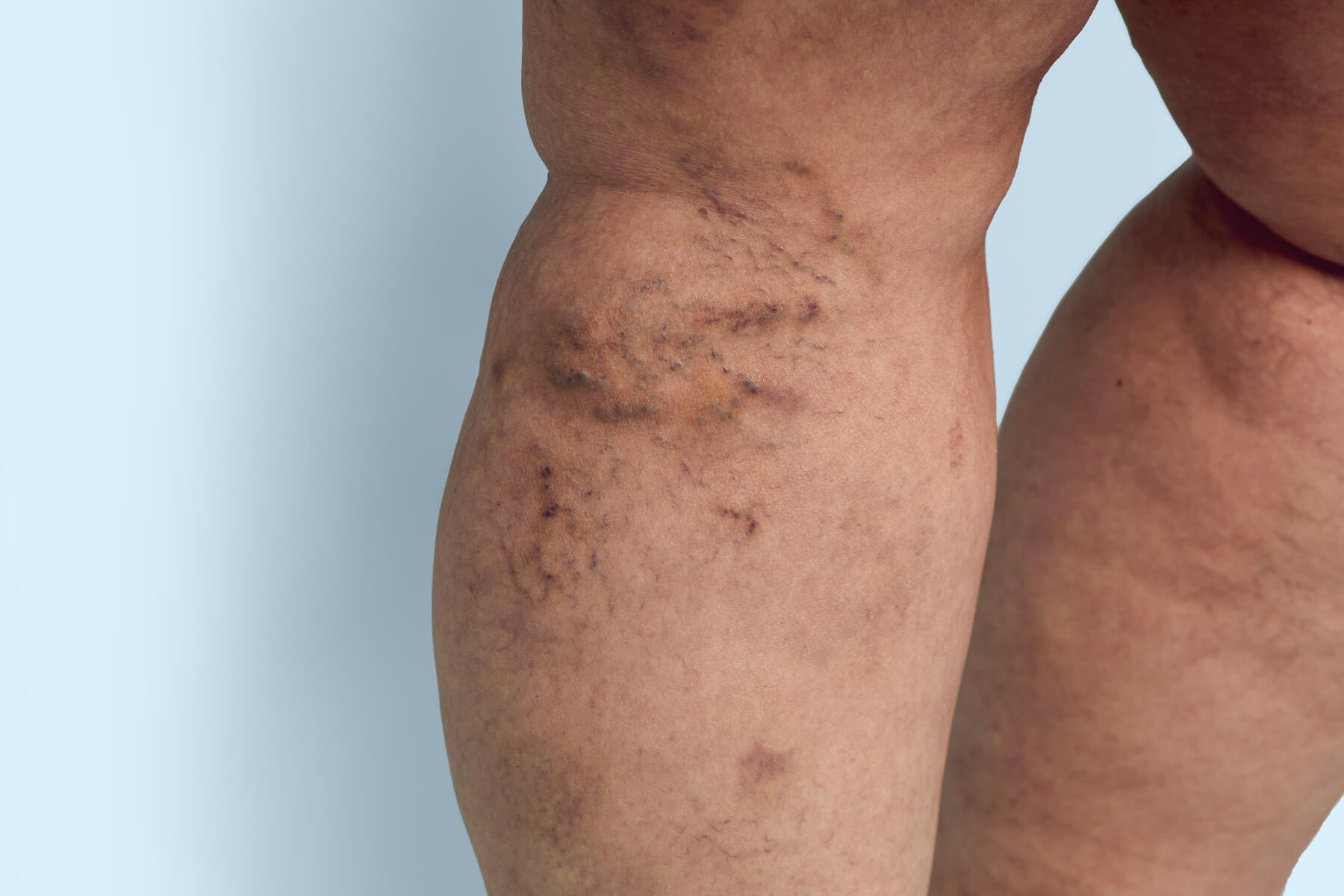
Fall Weather Improves Your Vein Treatment Experience
Autumn weather provides several key advantages that make post-procedure care both easier and more effective.
Cooler Temperatures for More Comfortable Recovery
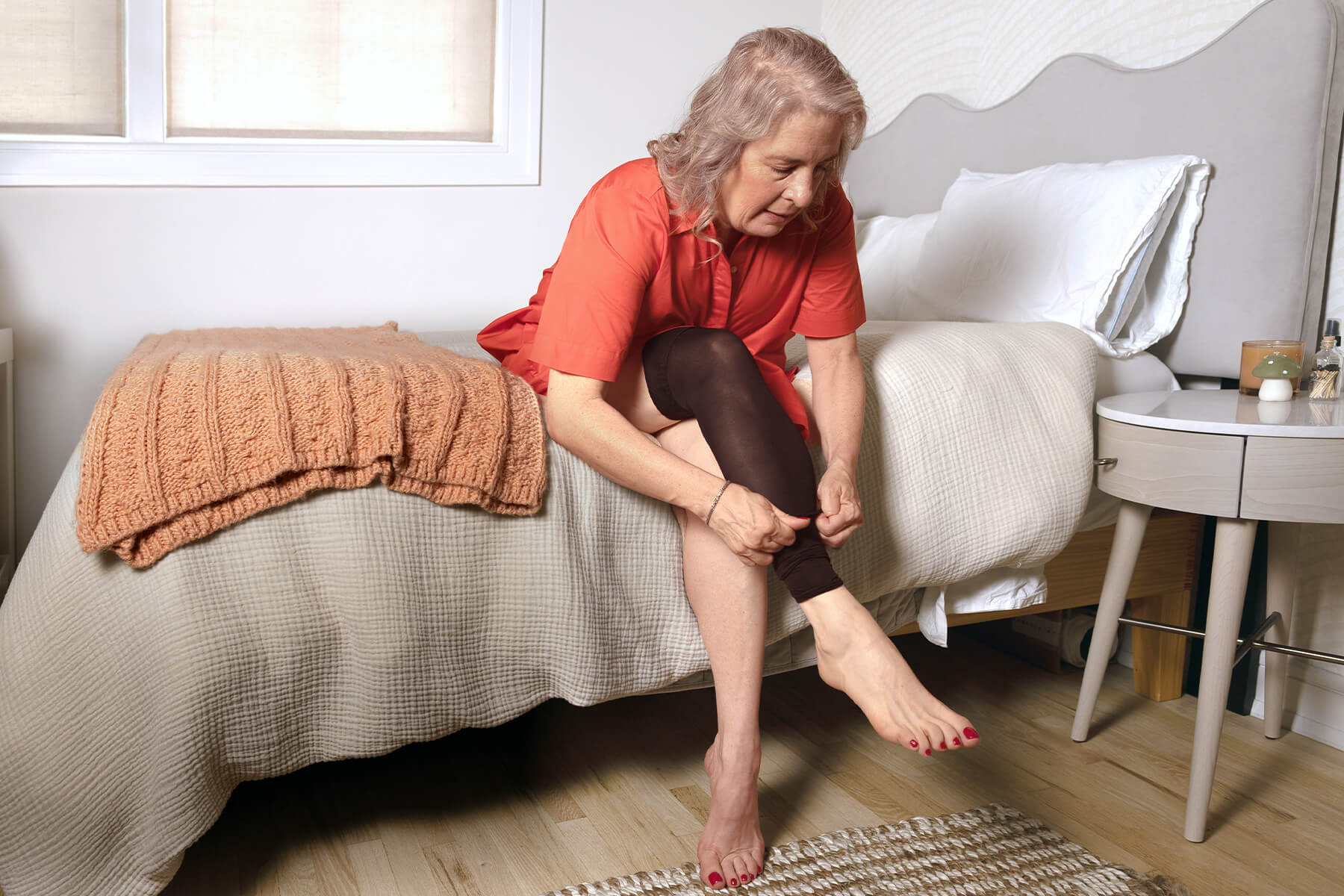
The cooler temperatures of autumn make the post-treatment recovery process significantly more comfortable. Because autumn weather naturally encourages wearing long pants and layers, it is much easier to discreetly wear the compression stockings often required for healing without feeling overheated.
If you have any minor bruising after injection therapies, such as Varithena, or are wearing small bandages after radiofrequency ablation, long pants and stockings provide excellent coverage.
Lower UV Exposure for Skin Healing
The natural drop in UV exposure during the fall supports a better and more comfortable healing process. Lower sun exposure helps minimize the risk of post-treatment hyperpigmentation or sun-related skin damage—which is particularly important after procedures like laser treatments and sclerotherapy, where sunlight can cause darkening of the treated areas.
Why is Fall the Best Time to Begin a Multi-Step Vein Treatment Plan?
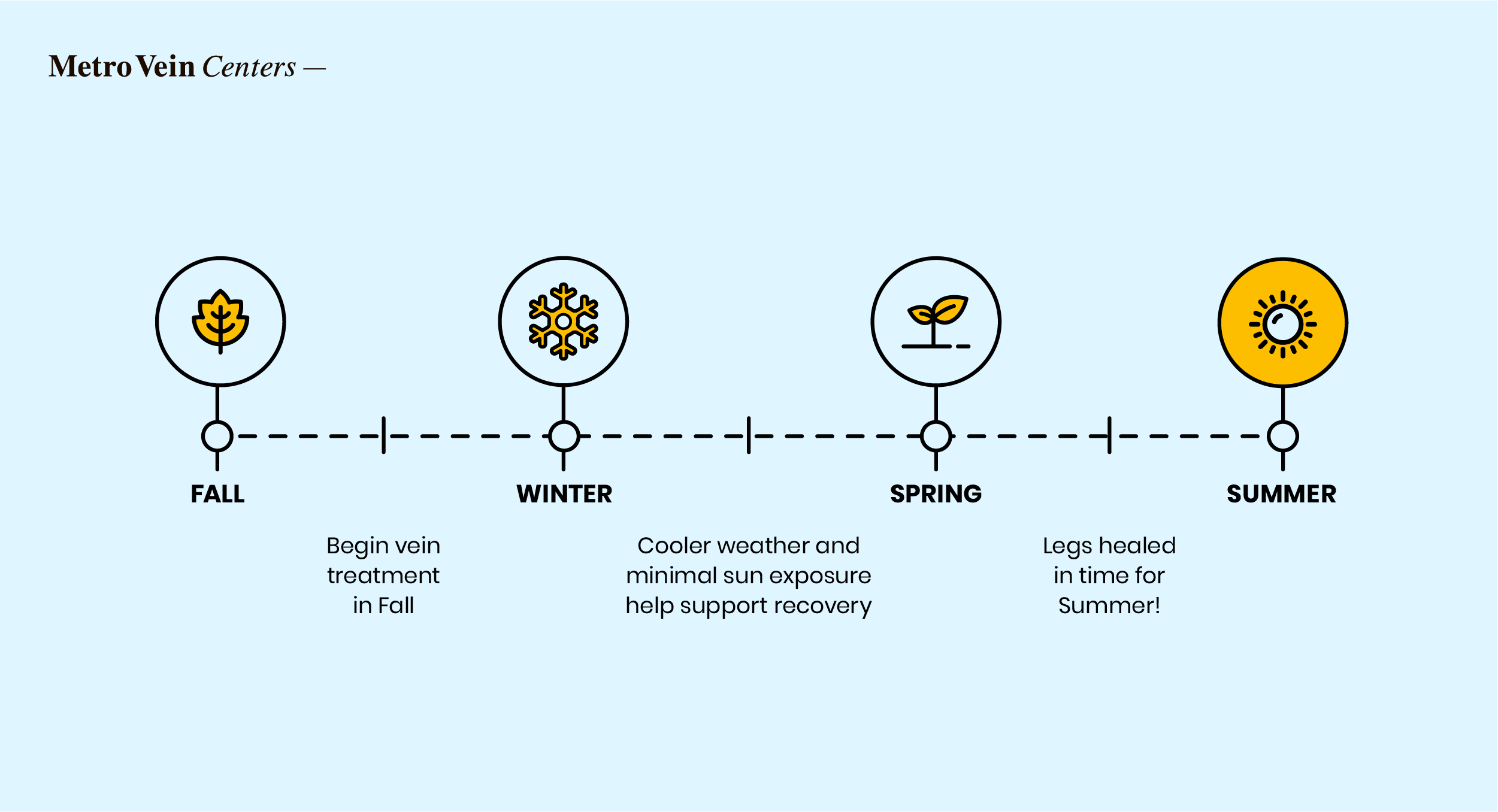
Fall offers a longer runway to complete a multi-step vein treatment plan and see results well before the following summer. Starting treatment in September gives you a 6–8 month window—plenty of time to complete 2–3 sclerotherapy or ablation sessions with full skin healing before swimsuit season.
How Fall Vein Treatments Line Up with Insurance Deductibles and Benefits
Many patients have already met their yearly insurance deductible by the time fall arrives, meaning medically necessary vein procedures may be covered with minimal out-of-pocket expense. Starting in the fall allows you to maximize these remaining year-end benefits before your deductible resets on January 1st.
Additionally, if you have a Flexible Spending Account (FSA), fall is the ideal time to use those funds toward eligible treatments before they expire at the end of the year under "use-it-or-lose-it" rules, unlike HSA funds, which roll over.
Why You Shouldn’t Wait Until Spring to Treat Vein Issues
Vein disease is a progressive condition, and delaying vein treatments can worsen symptoms like leg swelling and pain. In some cases, waiting can lead to more serious complications like skin ulcers, blood clots, or even deep vein thrombosis (DVT). Addressing vein disease early, even if your symptoms are mild, can help prevent long-term health risks and improve your quality of life.
As year-end clinic schedules fill up rapidly and annual insurance benefits near expiration, waiting until spring often means losing out on your met deductible and delaying relief. Schedule your free evaluation today to lock in your appointment before year-end availability fills up to maximize your current insurance benefits. We accept over 200 insurance plans and 91% of our vein treatments are covered by insurance - verify your coverage today.
Frequently Asked Questions
Fall is ideal because cooler weather makes recovery more comfortable, seasonal autumn clothing helps cover any bruising or bandages, and you can also take advantage of remaining yearly insurance benefits.
Yes, but while you can have vein treatment any time of year, waiting until spring or summer can make recovery more challenging due to heat, sun exposure, and the need to wear compression stockings. Vein disease also progresses over time, so delaying care can worsen your symptoms.
Yes, compression stockings are usually part of your aftercare and recovery plan, and they are much more comfortable to wear in the cooler, drier fall weather. They also fit more easily under long pants.
Yes, it could, because you may have lower out-of-pocket costs. Insurance coverage for vein treatment doesn’t change by season, but by fall, many patients have already met their insurance deductible, which can make their treatment costs much lower or even at no cost for the rest of the year.
Starting vein treatment in the fall gives you a long recovery window before the weather starts to get warmer again. Most patients see full results and healing by spring, leaving you confident and ready for summer!
Yes, fall is a good time for spider vein treatment because temperatures are cooler and sun exposure is minimized. However, keep in mind that spider vein treatment is typically considered cosmetic and self-pay, so it generally won't apply toward your year-end insurance deductible like medically necessary vein care does.

Dr. Philip LoPresti
Meet Dr. Philip LoPresti, DABVLM, FACS, a board-certified surgeon and vein specialist and surgeon with over 20 years of experience. Schedule an appointment with him in Queens, NY today.
Meet Dr. Philip LoPresti
Trusted insight from the nationally accredited, board-certified vein doctors at Metro Vein Centers.