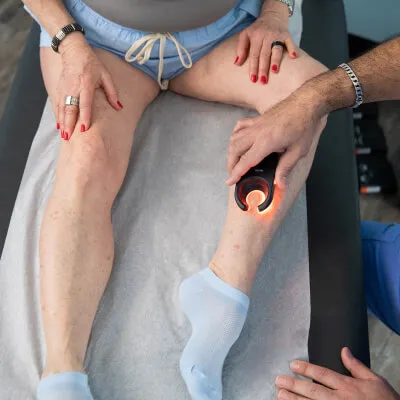

What's the difference between arterial and venous disease? Arterial disease affects blood vessels that carry oxygenated blood away from the heart, while venous disease affects vessels that return blood to the heart. They both affect blood flow that causes leg discomfort, but they are in fact different problems. Understanding whether your leg symptoms stem from arteries or veins is the first step in getting the right treatment.
If you are experiencing leg discomfort, visible swelling, or heavy-feeling legs, Metro Vein Centers offers free evaluations with a vein specialist, who can recommend personalized treatment options for you.

What Is Vascular Disease?
Vascular disease is an umbrella term for any condition that affects your blood vessels – arteries, veins, or both. Your circulatory system relies on thousands of miles of blood vessels to keep oxygen, nutrients, and fluids moving smoothly throughout your body. When these vessels become damaged, narrowed, or weakened, your circulation can become restricted.
Because symptoms like leg pain, swelling, cramping, and skin discoloration can stem from either arterial or venous conditions, they are often mistaken for one another, and knowing the difference is the key to getting effective relief.
The Difference Between Arteries and Veins
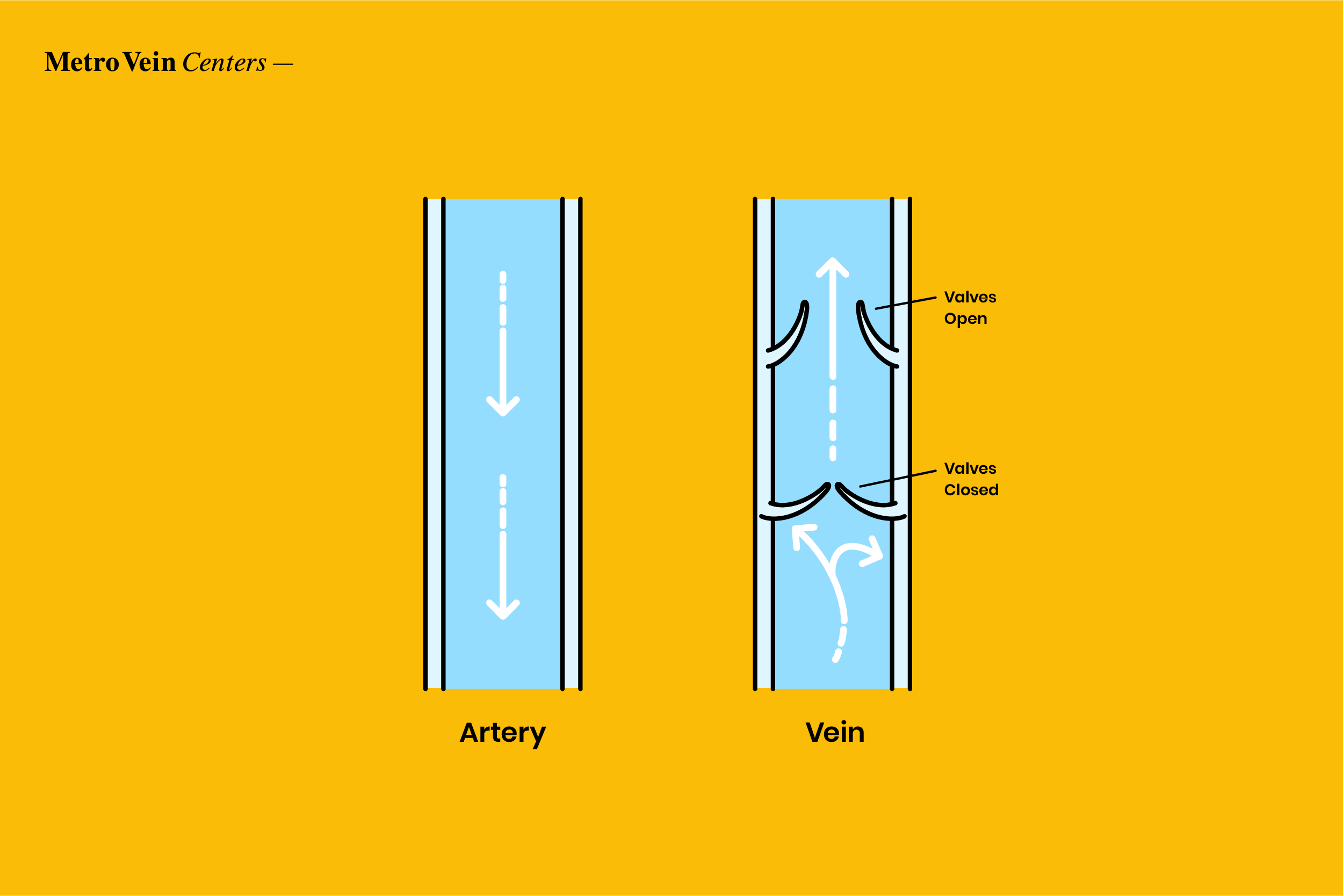
Arteries are thick, muscular vessels that carry oxygenated, nutrient-rich blood away from the heart out to the rest of the body. Blood travels through arteries under high pressure, propelled directly by the pumping action of your heart. When the arterial system fails, it’s due to narrowing or blockages (such as plaque buildup) that cut off oxygenated blood flow to the limbs.
Veins are thinner-walled vessels that return oxygen-depleted blood to the heart. In your legs, blood in veins must travel upward against gravity. To prevent blood from flowing backward, leg veins rely on tiny, one-way valves and the squeezing action of surrounding calf muscles. When the venous system fails, it’s often due to damaged one-way valves that allow blood to flow backward and pool in the lower legs.
What Is Arterial Disease?
Arterial disease occurs when the blood vessels carrying oxygenated blood away from your heart become narrowed, hardened, or blocked. The most common form in the legs is peripheral artery disease (PAD), which can develop due to a gradual buildup of fatty plaque within the arterial walls.
As arteries narrow, blood flow to the lower limbs is restricted, depriving muscles and tissues of vital oxygen. PAD is usually evaluated and managed by a vascular surgeon or cardiologist.
Common Causes and Risk Factors
- Cigarette smoking
- High cholesterol
- High blood pressure
- Diabetes
Common Symptoms of Arterial Disease
- Leg pain during walking that goes away with rest
- Coldness in the lower leg, foot, or toes
- Pale, shiny, or bluish skin on the legs and feet
- Slow-healing or non-healing open sores
What Is Venous Disease?
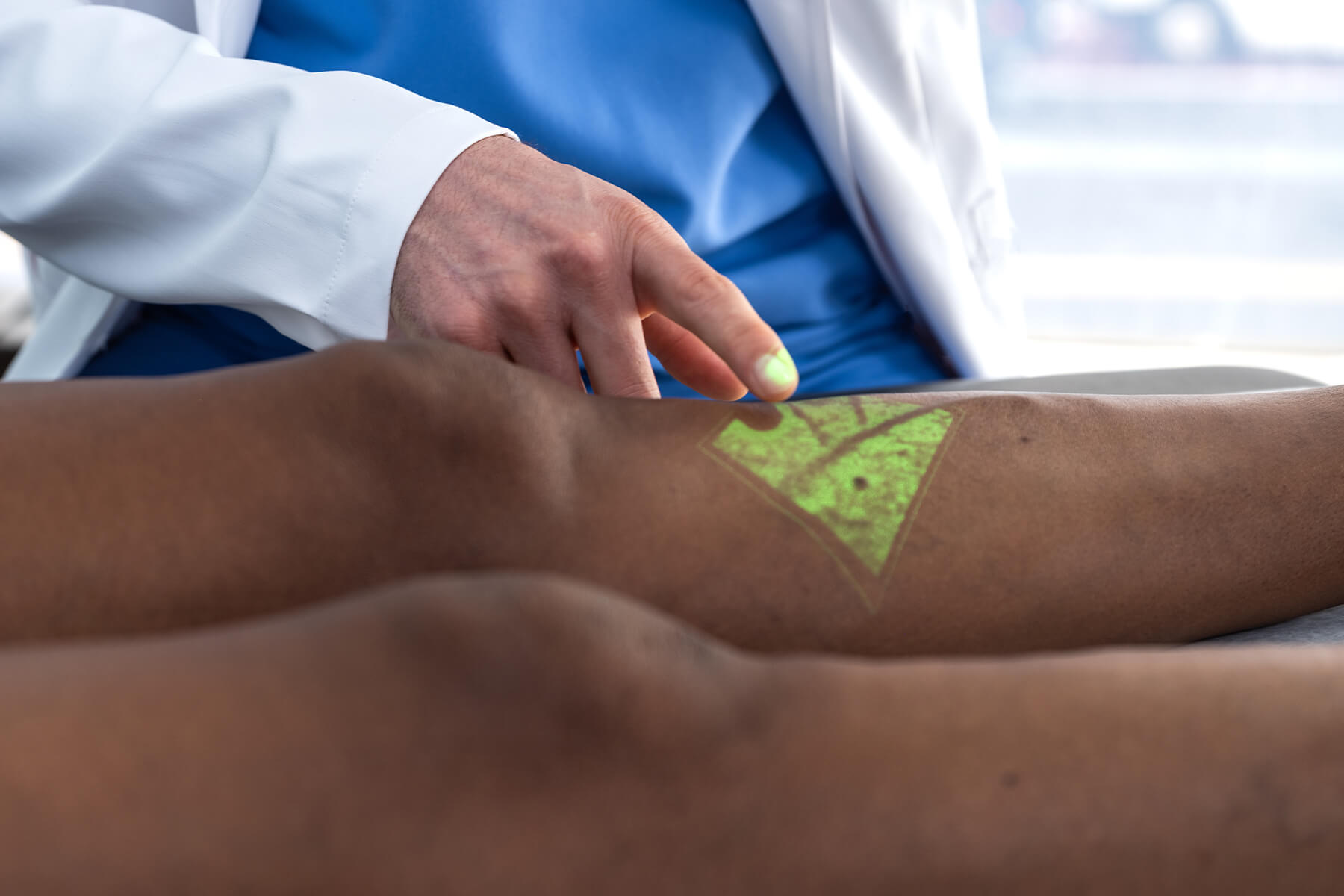
Venous disease is a condition that occurs when the tiny one-way valves inside your leg veins become weak, stretched, or damaged. When these valves fail to close properly, gravity pulls blood downward, causing it to pool in the lower legs, a condition known as venous reflux or chronic venous insufficiency (CVI). Over time, increased pressure within the veins can lead to bulging varicose veins, fluid leakage into surrounding tissues, and inflammation.
Common Causes and Risk Factors
- Genetics and family history of vein disease
- Prolonged periods of standing or sitting
- Pregnancy and hormonal fluctuations
- Advanced age
- Obesity
Common Symptoms of Venous Disease
- Persistent aching or heaviness in the legs, especially at the end of the day
- Visible varicose veins
- Leg swelling (edema) in the ankles, calves, or feet
- Skin changes such as brown discoloration and venous ulcers
In our experience at Metro Vein Centers, many patients live with heavy, swollen legs for years, thinking it is just a normal sign of aging. Our team of board-certified physicians, vascular surgeons and vein specialists offer non-invasive, ultrasound-guided evaluations to pinpoint failing valves in your veins and help restore healthy circulation.
How Do the Symptoms of Arterial and Venous Disease Compare?
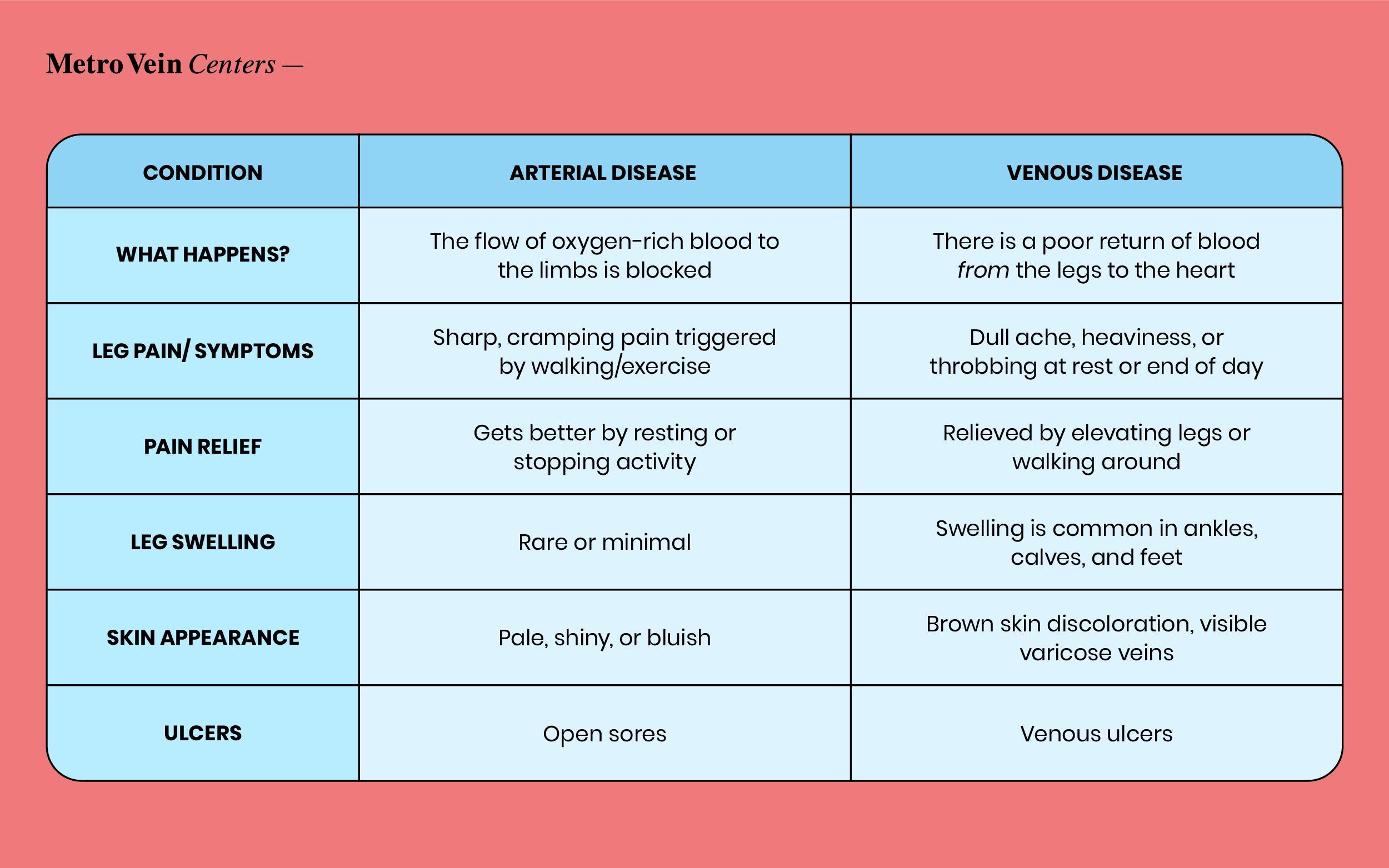
While both conditions stem from poor circulation in the legs, their warning signs have noticeable differences. Refer to the comparison table to identify which circulatory system may be affected:
| Arterial Disease | Venous Disease | |
|---|---|---|
| What Happens? | The flow of oxygen-rich blood to the limbs is blocked. | There is a poor return of blood from the legs to the heart. |
| Leg Pain/Symptoms | Sharp, cramping pain triggered by walking/exercise. | Dull ache, heaviness, or throbbing at rest or end of day. |
| Pain Relief | Gets better by resting or stopping activity. | Relieved by elevating legs or walking around. |
| Leg Swelling | Rare or minimal. | Swelling is common in ankles, calves, and feet. |
| Skin Appearance | Pale, shiny, or bluish. | Brown skin discoloration, visible varicose veins. |
| Ulcers | Open sores. | Venous ulcers. |
Can You Have Both Arterial and Venous Disease at the Same Time?
Yes, it is possible to have both arterial and venous disease at the same time. This overlap is especially common in older adults and individuals with existing cardiovascular risk factors like high blood pressure or diabetes.
When both conditions are present, an accurate diagnosis from the right specialist becomes even more important when identifying the best treatment plan for you.
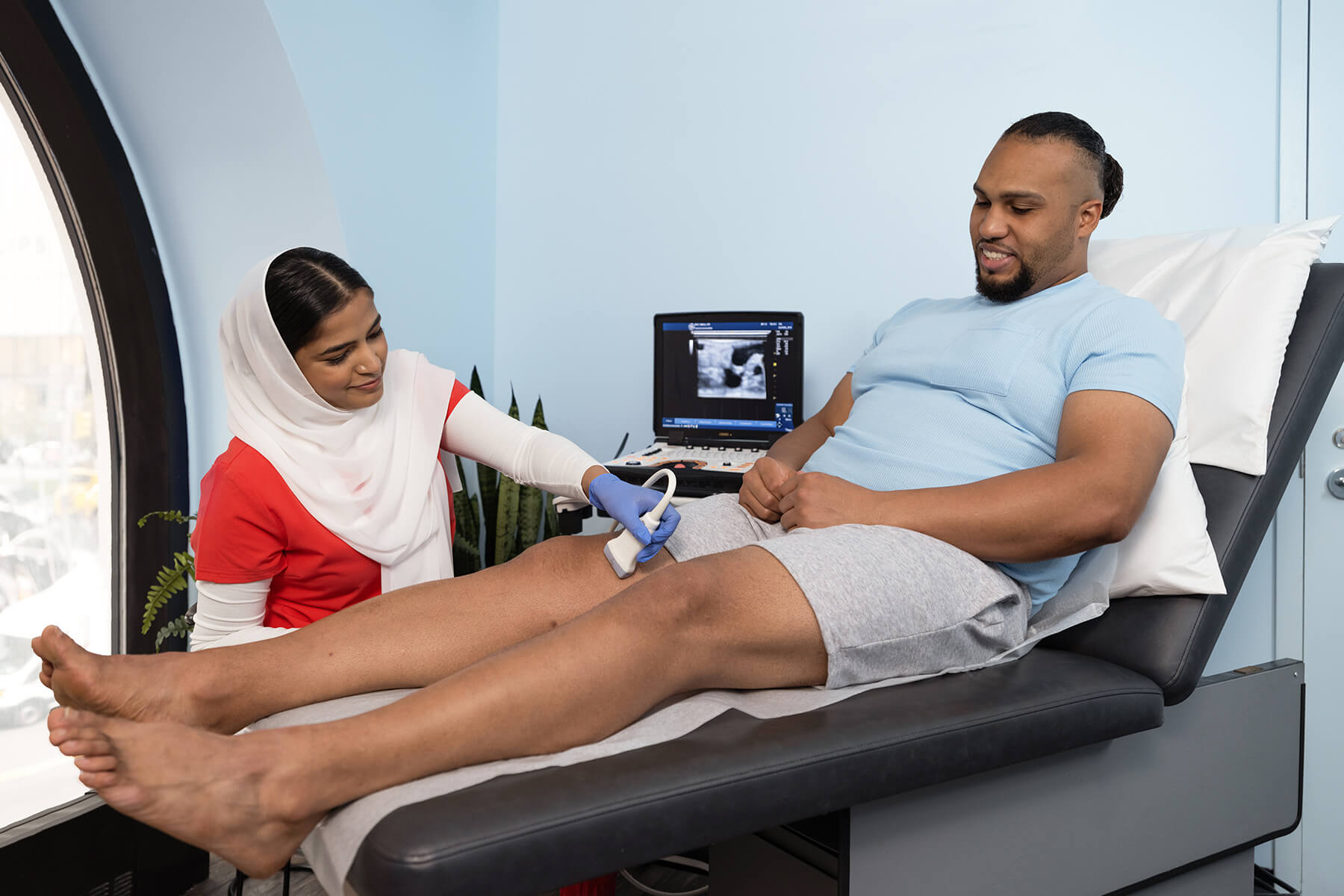
How Are Arterial and Venous Disease Diagnosed?
Vein specialists rely on specialized non-invasive tools to diagnose arterial and venous disease. When diagnosing arterial disease, vein doctors frequently use an Ankle-Brachial Index (ABI) test, which compares blood pressure measurements in your arm to those in your ankle. An arterial Doppler ultrasound may also be used to visualize plaque buildup and measure arterial pressure.
When diagnosing venous disease, your vein specialist will likely use a venous duplex ultrasound. This painless imaging test maps the direction of blood flow in real time, identifying exactly which vein valves are leaking or allowing blood to pool.
A non-invasive vein evaluation at Metro Vein Centers can quickly help clarify whether your leg pain, swelling, or visible veins point to venous insufficiency or to arterial disease.
How Are Arterial and Venous Disease Treated Differently?
Treatment approaches reflect the differences in the causes of arterial and venous failure.
Arterial Disease Treatments
Treatments for arterial disease focus on improving systemic cardiovascular health and restoring arterial blood flow. Treatments include lifestyle modifications (quitting smoking, structured walking programs), cholesterol or blood pressure medications, and surgical or endovascular interventions like angioplasty.
Venous Disease Treatments
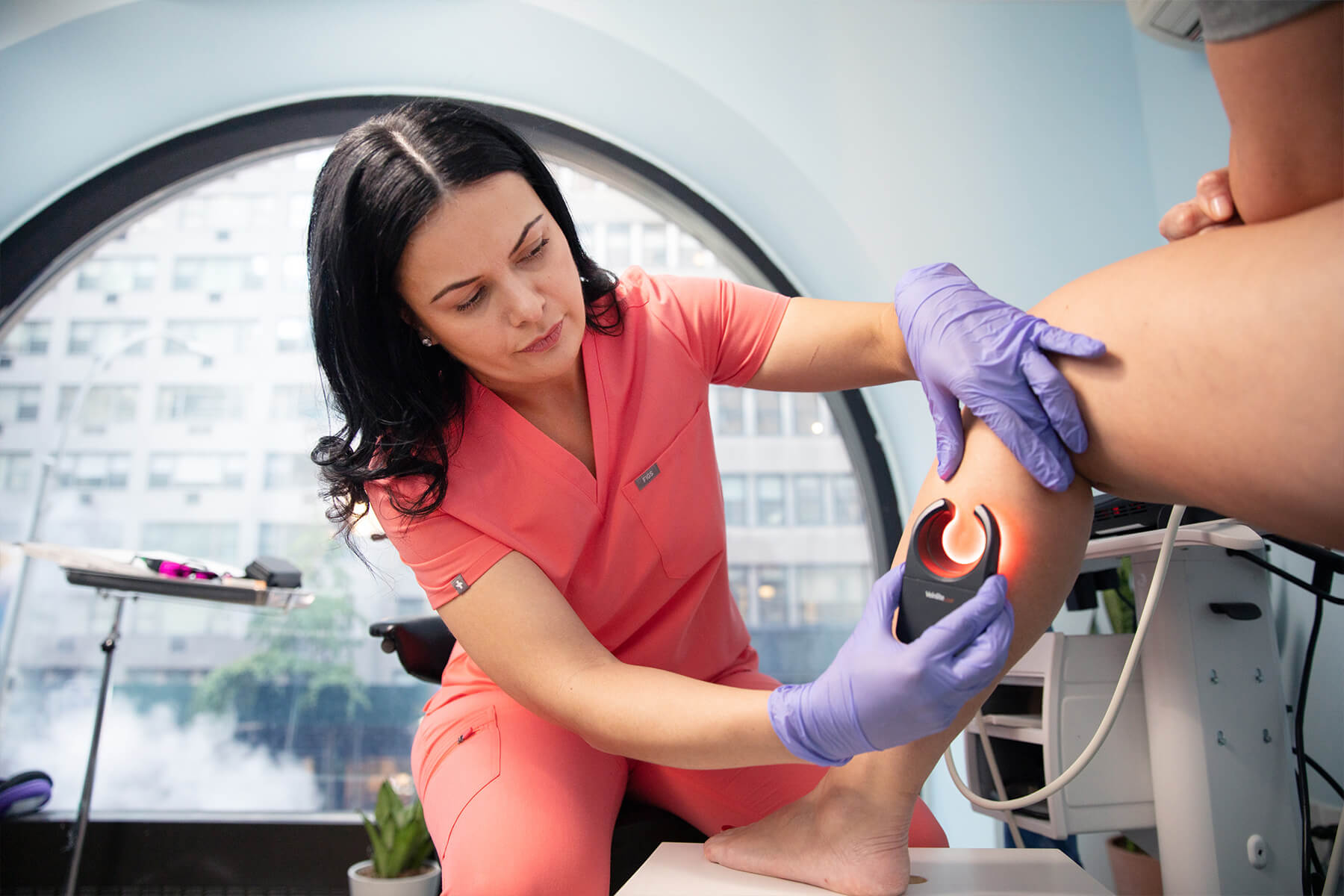
Venous disease treatments focus on eliminating the failing veins so blood reroutes into healthy ones. Modern vein care is minimally invasive, performed in-office with little to no downtime. Common treatments include medical compression therapy, sclerotherapy, radiofrequency ablation (RFA), and endovenous laser ablation (EVLA).
At Metro Vein Centers, our vein doctors design customized, highly personalized treatment plans specifically tailored to your venous health goals and lifestyle.
When Should You See a Vein Specialist vs. Another Vascular Provider?
If you are trying to decide which medical specialist is best suited for your symptoms, keep the following guidelines in mind:
See a Vein Specialist if: You experience persistent leg heaviness, visible varicose veins, ankle swelling, or skin hyperpigmentation around your lower legs. These symptoms strongly indicate venous insufficiency.
See a Vascular Surgeon or PCP if: You experience sharp calf pain while walking that forces you to stop, feet or toes that feel cold or turn blue, or painful, dry sores on your toes or heels. These are warning signs of peripheral artery disease.
If you are ever unsure, the medical team at Metro Vein Centers is here to help. During your evaluation, if our specialists find signs of arterial rather than venous disease, we will coordinate a referral to a trusted primary care provider or vascular surgeon.
Why Choose Metro Vein Centers for Venous Vascular Concerns?
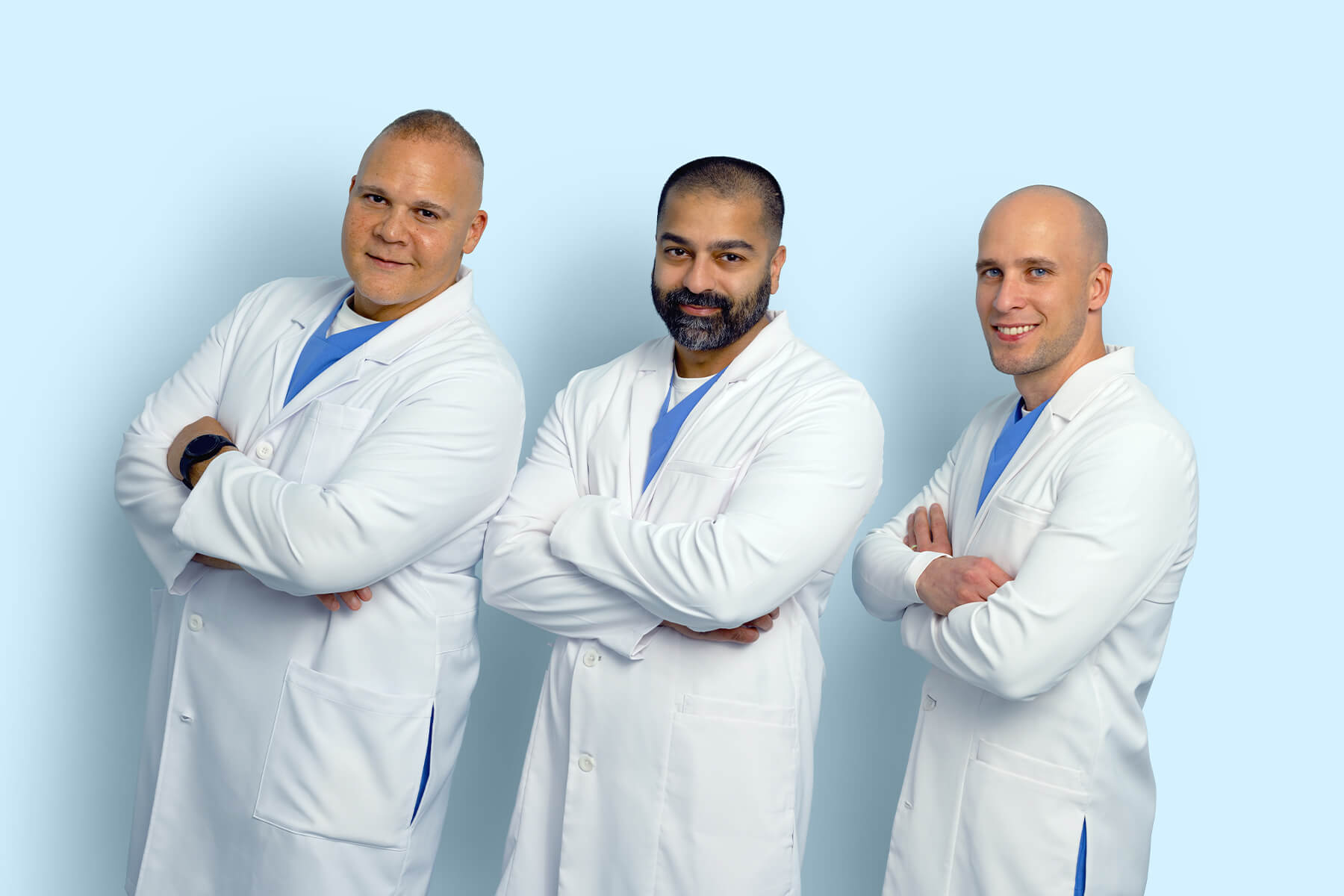
Metro Vein Centers is a national network of specialized vein clinics that exclusively treat vein disease and chronic venous insufficiency. Our board-certified physicians utilize state-of-the-art diagnostic ultrasound technology and minimally invasive, FDA-approved vein treatments.
We work closely with most major insurance providers to ensure your care is accessible, comfortable, and effective. Take the first step toward lighter, healthier legs. Don't let leg pain or swelling hold you back from doing what you love!
Book Your Free Vein Evaluation Today
Frequently Asked Questions
The main difference between arterial and venous disease is the direction of blood flow. Arterial disease involves blocked or narrowed arteries that restrict oxygen-rich blood from reaching your limbs. Venous disease involves weak vein valves that fail to efficiently return oxygen-depleted blood to your heart, causing pooling and swelling.
Yes, poor circulation in the legs is a general term that applies to both systems. However, poor arterial circulation means an inadequate oxygen supply to muscles, while poor venous circulation means sluggish blood return and fluid accumulation in the lower-leg tissues.
Leg swelling (edema) is often a classic sign of venous disease. Because damaged vein valves allow blood and fluid to pool in the lower legs under gravity, fluid leaks into the surrounding tissue. Arterial disease rarely causes significant lower leg swelling.
Yes. Varicose veins are a visible sign of venous vascular disease, specifically chronic venous insufficiency. They occur when internal vein valves fail, causing pressure to stretch and twist surface veins.
Arterial leg pain typically feels like sharp cramping during walking that eases quickly with rest. Venous leg pain usually feels like a dull ache, heaviness, or throbbing that worsens after long periods of standing or sitting and feels better when you elevate your legs. A non-invasive diagnostic ultrasound can help provide a definitive answer!
References
Bright, L. D., & Georgi, S. (1992). CE Credit: Peripheral Vascular Disease: Is It Arterial or Venous? The American Journal of Nursing, 92(9), 34–47. https://doi.org/10.2307/3426907
Prandoni, P. (2007). Links between arterial and venous disease. Journal of Internal Medicine, 262: 341-350. https://doi.org/10.1111/j.1365-2796.2007.01815.x

Dr. Philip LoPresti
Meet Dr. Philip LoPresti, DABVLM, FACS, a board-certified surgeon and vein specialist and surgeon with over 20 years of experience. Schedule an appointment with him in Queens, NY today.
Meet Dr. Philip LoPresti
Trusted insight from the nationally accredited, board-certified vein doctors at Metro Vein Centers.