


Venous Ulcers
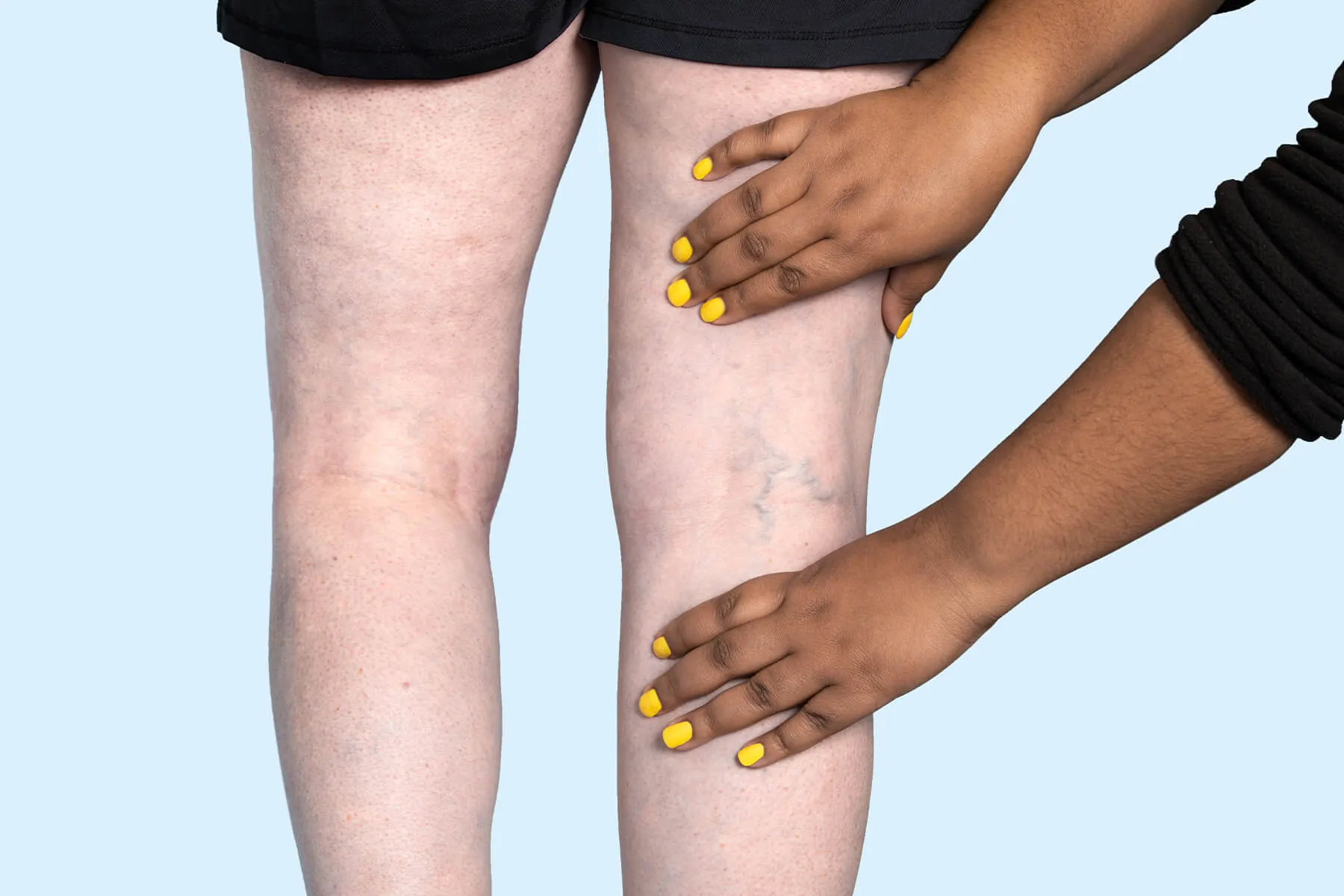
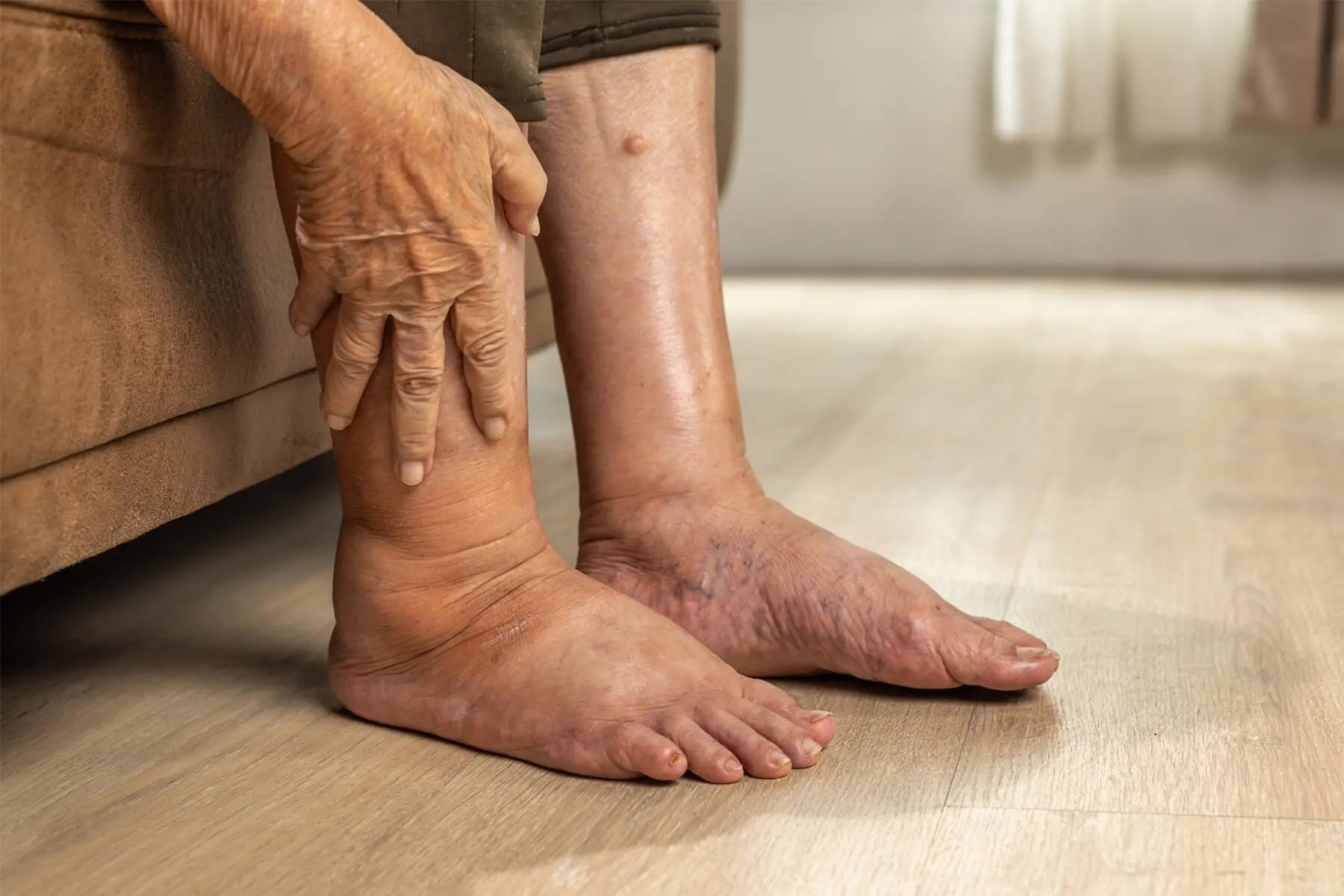
Venous ulcers are painful sores caused by poor blood flow in the legs, most often due to venous insufficiency, where damaged vein valves let blood pool instead of flowing back to the heart. This backflow (venous reflux) builds pressure in the veins. Over time, veins swell, stretch, and darken; nearby tissue loses oxygen and nutrients and starts to break down, eventually leaking fluid and forming a wound. Venous ulcers are the most common type of leg ulcer, particularly among older adults.
Most venous ulcers can be effectively treated with a combination of medications, wound care, and, when necessary, vascular surgery.

What Our Vein Doctors Look For
Many vein ulcers can be identified through visual examination, but a vein specialist may use additional techniques to diagnose them. Here’s what to expect:
- Physical exam: We check for an open wound or skin changes — itching, aching in the gaiter area, swelling, leg cramps.
- Duplex ultrasound or ankle-brachial index: Used to rule out other conditions.
- Doppler ultrasound: Our most common diagnostic tool — a painless test using sound waves to assess blood flow and spot valve damage. It takes less than 30 minutes.
- Biopsy: Used alongside your history, when needed, to confirm the cause and best treatment path.
Are you concerned about vein health, venous insufficiency, or the development of venous ulcers? Schedule a free* evaluation with our vein specialists today.
Schedule Your Free Vein Evaluation
*Subject to insurance eligibility

Symptoms of Venous Ulcers
In the early stage, venous ulcers cause the skin to turn red and itch (stasis dermatitis) without looking like a typical ulcer yet. Other early signs include:
- Heaviness in the leg
- Skin discoloration
- Hardened skin
- Leg swelling (edema)
- Leg cramping
- Itching or tingling
As the ulcer advances, the skin weakens, breaks down, and fluid seeps through, creating a visible sore. Advanced-stage symptoms (including lipodermatosclerosis) can include:
- A shallow sore with a red perimeter
- Yellow tissue over the sore
- Warm or hot skin nearby
- Shiny or tight skin around the ulcer
- Leg pain
- Foul odor or discharge if infected

What Causes Venous Ulcers, and Who's at Risk?
Venous ulcers result from necrosis — tissue death — that happens when a leg vein is so damaged it opens, letting blood and fluid seep into surrounding tissue and break it down, forming a sore. It's typically the result of long-standing, untreated venous insufficiency: poor circulation lets blood pool and pressure build in the leg veins over time, and if left untreated, that disease progresses to this stage.
Risk factors that make this more likely include:
- Obesity
- Smoking
- Leg injury
- Sedentary lifestyle

Treatment Options for Ulcers
Common treatment options include:
- Compression and elevation: Compression stockings apply graduated pressure to prevent blood from pooling or flowing backward, reducing clot risk and speeding healing. Elevating the leg reduces venous pressure.
- Wound care: Cleansing (often with saline), debridement (removing dead or infected tissue), and a moist dressing support healing.
- Medications: Antibiotics control infection; pentoxifylline, a vasodilator, improves blood flow.
- Advanced therapies: Skin grafts (donor or bioengineered) stimulate healing and reduce scarring and recurrence risk.
- Surgical interventions: Needed when noninvasive treatments aren't enough. Vein ablation closes the problem vein via a heated catheter, usually same-day and in-office. Skin grafting techniques include split-thickness, full-thickness, micropunch, and pinch grafts.
- Additional options: sclerotherapy, hyperbaric oxygen therapy, and shave therapy/debridement for non-responsive cases.
Prevention and Long-Term Maintenance
Venous ulcers can often be prevented by treating the underlying vein disease before it progresses this far, and by improving circulation and easing pressure on the veins:
- Get vein disease (venous insufficiency) evaluated and treated early, before it advances to an ulcer
- Elevate the legs after prolonged sitting or standing
- Wear compression stockings
- Wear loose-fitting clothing
- Lose excess weight
- Move the legs frequently
- Exercise regularly
- Quit smoking
- Get regular vascular check-ups
- Follow proper foot care if you have diabetes
Venous Ulcer FAQs
Venous ulcers are the most common type of leg ulcer. Others include arterial ulcers (caused by inadequate blood flow to the tissue, usually related to peripheral arterial disease), neuropathic ulcers (caused by diabetes and certain neurological disorders), pressure ulcers/bedsores (caused by frequent friction or pressure), vasculitic ulcers (caused by inflammatory disorders such as lupus), and traumatic ulcers (caused by a leg injury that breaks the skin).
Healing time for venous ulcers can vary depending on treatment choice, compliance, whether the underlying cause has been addressed, and how quickly treatment is initiated. If promptly treated, a venous ulcer typically takes six months to heal.
Yes, venous ulcers can recur if the condition that caused the original ulcer remains untreated.
Yes. A balanced diet rich in fresh fruits and vegetables with low-fat content is ideal for those with venous ulcers, as it enhances circulation and reduces inflammation.
Smoking impairs blood flow by constricting the blood vessels. This reduces the blood supply to the wound, which impedes the healing process.
New technologies like smart compression garments, negative pressure wound therapy, and cell-based therapies are known for their tissue regeneration benefits, which can help venous ulcers heal more quickly. Separately, stem cell therapies, bioengineered skin grafts, and gene therapy are emerging treatments being explored to improve healing and outcomes.
Venous ulcers are painful and disfiguring, often limiting mobility and affecting quality of life. This can lead to frustration and depression, especially when it restricts daily activities or clothing choices. Effective pain management is crucial during treatment — over-the-counter medications may help, but more severe pain may need a prescription. Working with a therapist can also provide valuable coping strategies; techniques such as deep breathing, radical acceptance, and cognitive behavioral therapy can reduce stress and improve mental well-being.
A few outside resources include: the Leg Club Movement (a support group for people with chronic leg issues), FindHelp.org (locates chronic pain/illness support groups by area), Harvard Health stress-relief techniques, or organize a local walking club with tips from American Heart Association.
Consult a vein specialist if you notice fever, chills, skin that feels warm to the touch, a foul odor from the ulcer, dark yellow or green discharge, extreme pain, or numbness/tingling — these indicate a possible infection that needs early intervention.
Vein Disease Treatments
- State-of-the-Art
- Ultrasound Guided
- 15 Minutes
- FDA-Approved
- Minimally Invasive
- Minimal Downtime
Let’s talk about you
Do You Have Vein Disease Symptoms?
Get a snapshot of your vein health in just a few clicks.



![leg vein health evaluation]() 5 Min Read
5 Min ReadAlarming Risks of Neglecting Your Vein Health
![Dr. Philip LoPresti, board-certified vein specialist in New York and Chief Medical Officer at Metro Vein Centers.]()
Dr. Philip LoPresti
![CVI - President Trump's diagnosis]() 6 Min Read
6 Min ReadPresident Trump's Diagnosis: Chronic Venous Insufficiency (CVI)
![Dr. Philip LoPresti, board-certified vein specialist in New York and Chief Medical Officer at Metro Vein Centers.]()
Dr. Philip LoPresti
![]() 5 Min Read
5 Min ReadDoes Weightlifting or Strength Training Cause Varicose Veins?
![Michigan vein specialist Hugh Pabarue, MD, DABVLM]()
Dr. Hugh Pabarue
![aerial view of legs laying on colorful beach towels]() 5 Min Read
5 Min Read7 Proactive Tips to Prepare Your Legs for Spring and Summer Activities
![Dr. Philip LoPresti, board-certified vein specialist in New York and Chief Medical Officer at Metro Vein Centers.]()
Dr. Philip LoPresti
![75% of POTS patients have venous insufficiency. Discover the proven connection, why it matters, and how treating vein problems may improve POTS symptoms.]() 10 Min Read
10 Min ReadThe Connection Between POTS and CVI: What Research Reveals
![Michigan vein specialist Hugh Pabarue, MD, DABVLM]()
Dr. Hugh Pabarue