Key Takeaway
Austin's active culture and warm climate promote vein-healthy habits like walking and other low-impact exercises, but high-impact activities, extended time on your feet, and heat exposure can worsen existing vein conditions for Austinites.
I Exercise Regularly, Why Do I Have Varicose Veins?
Even some of the fittest Austinites struggle with aching or heavy legs or visible bulging veins. If you’ve ever wondered why you’re seeing spider or varicose veins despite your commitment to a healthy lifestyle, you are not alone. Dr. Tamer Abuaita and our team at Metro Vein Centers frequently see patients at our Austin Vein Clinic who are in great physical shape but are experiencing the uncomfortable and inconvenient symptoms of vein disease.
It’s important to remember that while low-impact exercise is the best thing you can do for your circulation, certain activities, along with lifestyle, genetics, and other risk factors, could make vein issues worse. Here’s what you need to know.
Austin's Fitness Culture & Your Veins
Austin is known as one of the fittest cities in the country, ranking among the top-ten healthiest U.S. cities for wellness, fitness, and green spaces. However, being an athlete or highly active person doesn't always protect you from chronic venous insufficiency (CVI).
While the local terrain is beautiful, its climate and features can place added stress on the body. Heat causes veins to dilate (vasodilation, widening of blood vessels) as the body tries to cool itself, which can lead to blood pooling and increased leg swelling for people who are already prone to vein problems.
Even though the climate allows for year-round recreation, Austin’s hilled terrain and heat can also be challenging for those with vein issues.
The Vein Health Benefits of Austin's Lifestyle
The good news is that most of Austin’s favorite pastimes are really good for your circulation and vascular system.
How Exercise Supports Healthy Circulation
Your veins have a tough job, and rely on the calf muscle pump to move blood from your ankles back up to your heart. Exercise can strengthen the calf muscle pump, helping push blood upward against gravity.
Regular exercise helps with weight management reducing pressure on leg veins. Being active outside may also reduce chronic stress, which is also beneficial for your vascular health.
The Best Exercises for Veins in Austin
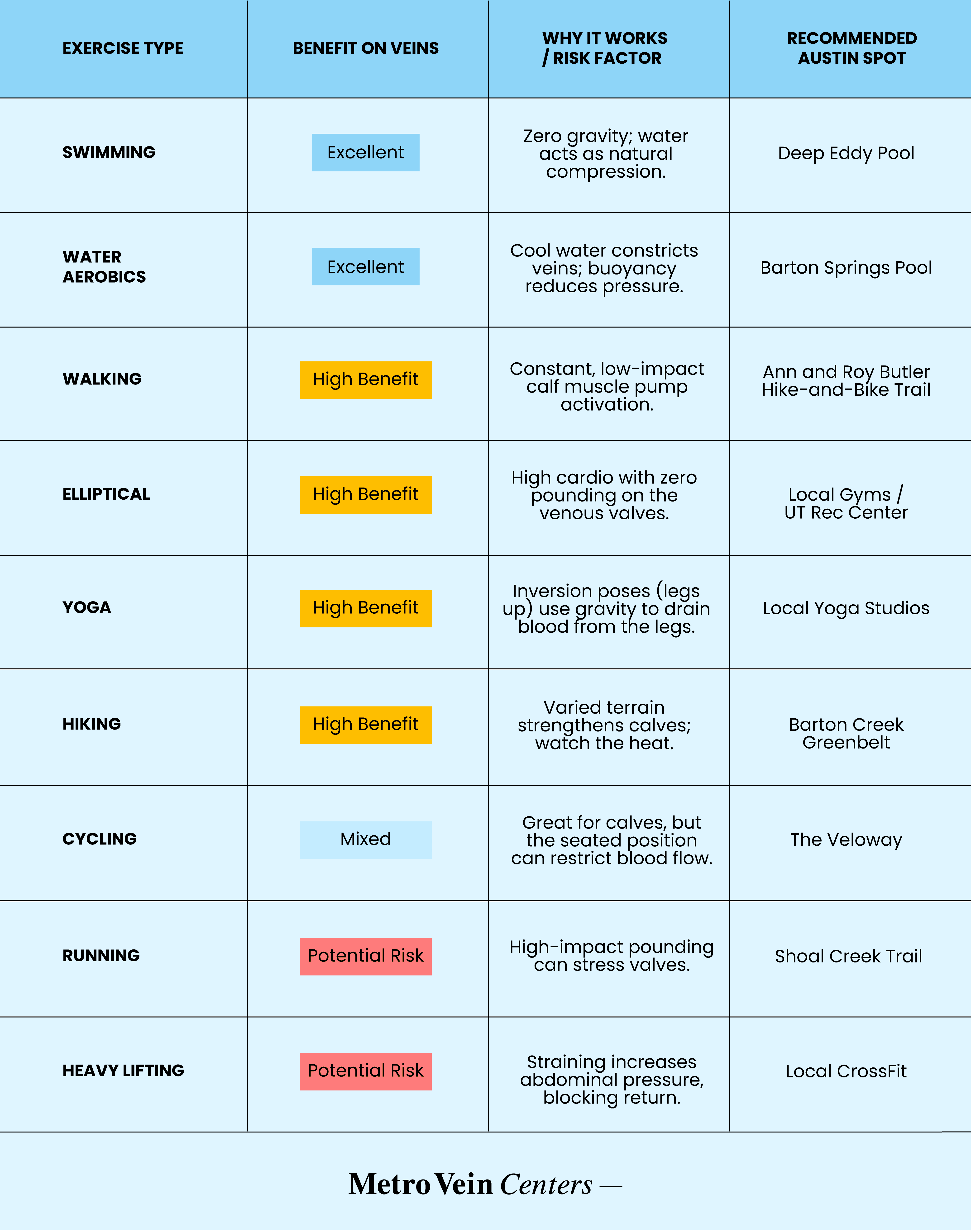
Low-impact walking is one of the best exercises for vein health as it creates consistent muscle contractions. The gentle elevation at the Boardwalk at Lady Bird Lake is a great local walking spot.
Swimming at Deep Eddy or Barton Springs pool is another vein-friendly local activity because the water pressure acts as natural compression, while the cool water can help constrict dilated veins.
Yoga poses that involve leg elevation (like Legs Up the Wall) encourage blood to flow back toward the heart.
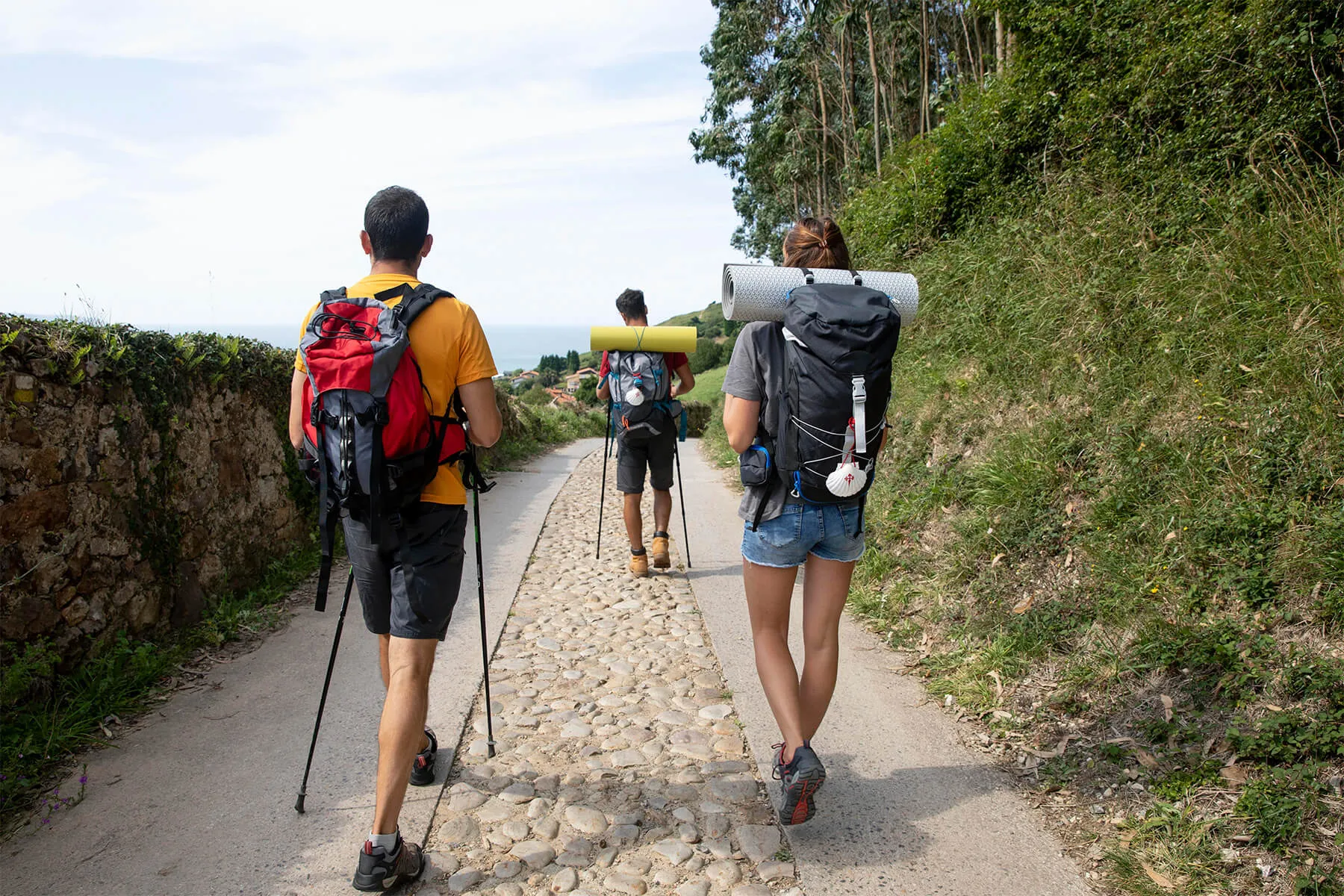
Easy to moderate hiking on uneven terrain can strengthen calf muscles, helping to prevent blood pooling, and reducing the risk of varicose veins and Deep Vein Thrombosis (DVT).
Other exercises that are great for your circulation and easier on leg veins include moderate cycling on flat routes, pilates, elliptical training, and water aerobics.
Activities That Can Worsen Vein Problems
While most movement is good for your cardiovascular health, some Austin fitness habits can put extra strain on your vascular valves.
Running & High-Impact Sports
Training for the Austin Marathon involves thousands of miles of pounding the pavement. But even if you’re not a marathon runner, the repetitive high-impact nature of the activity can increase pressure within the leg veins. For runners with weakened valves, this pressure can cause veins to stretch and blood to leak backward.
Heavy Weightlifting & CrossFit
Austin’s thriving CrossFit and powerlifting scenes incorporate heavy squats and deadlifts as regular parts of workouts. When you brace your core to lift a heavy load, you increase intra-abdominal pressure. This temporary backup of pressure can make it harder for blood to leave the legs, putting more stress on the vein walls.
Long-Distance Cycling
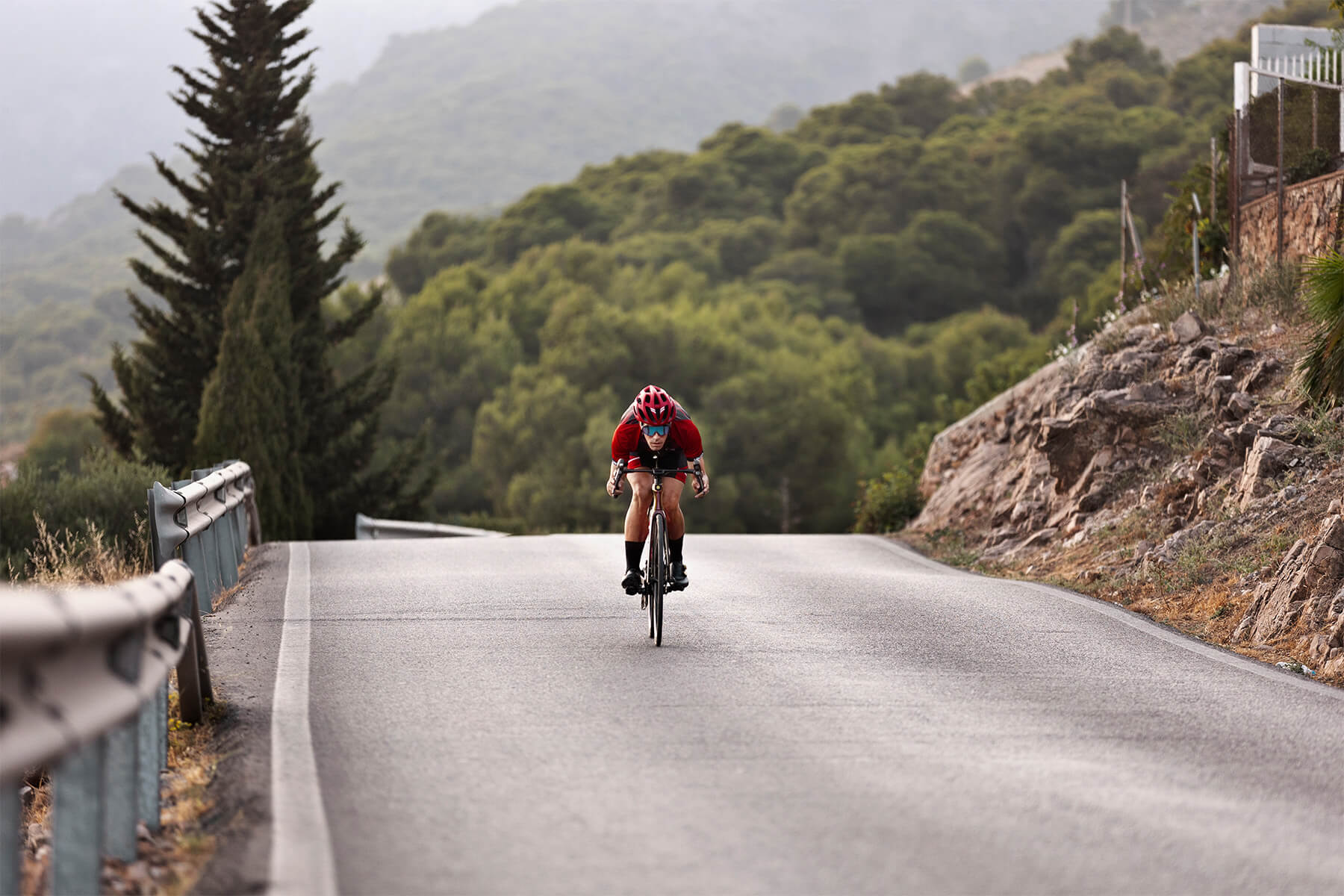
While cycling is a staple of the Austin fitness scene, from loops at The Veloway to rides through the Hill Country, it presents a unique challenge for vein health. The prolonged seated position creates a pressure point at the hip and groin, which can slow the rate of blood returning from the legs to the heart. Additionally, the narrow profile of a bike saddle can create pressure points on the pelvic floor, compressing local circulation and sometimes causing heavy legs or throbbing after a long ride in the Texas heat.
If you plan to cycle for long periods, it’s important to find a bike at the right height with a comfortable, supportive seat. Wearing compression stockings during your ride can also improve circulation.
Exercise and Impact on Veins
Other Activities That Require Prolonged Standing
It’s not just the gym. Many Austinites spend their entire day on their feet, not for exercise, but for work or for fun. Austin’s service and festival scenes require long shifts on your feet. Even in our booming tech hubs, sitting or standing still for hours can be equally hard on the veins. Without the movement of walking, blood in the lower legs becomes stagnant, leading to that heavy-leg feeling by the end of the day.
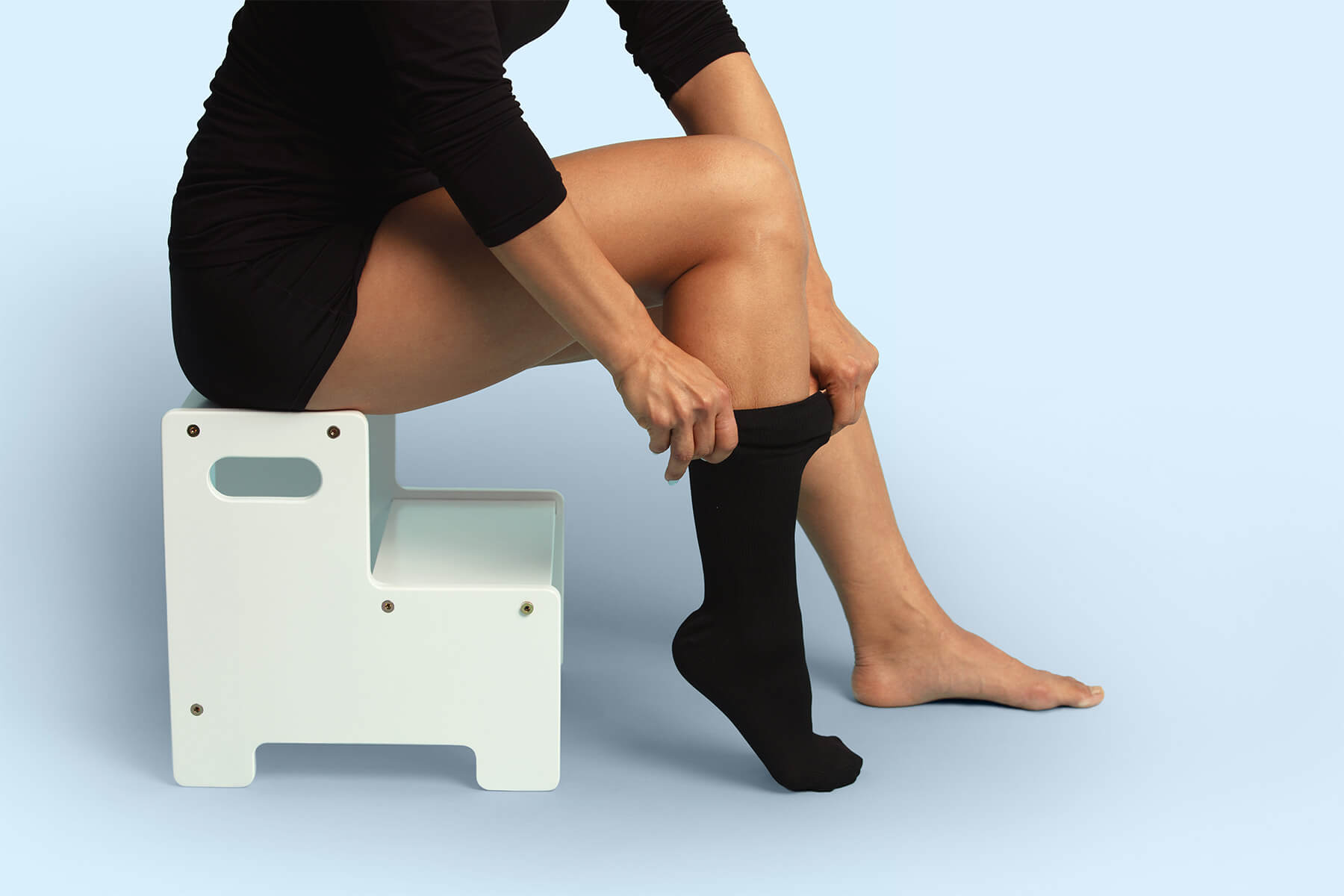
To help with this, we recommend that for every 20 minutes of standing, you take a 1-minute walk or do 10 calf raises to jump-start your circulation. For extra support when you’re on your feet working or playing, medical-grade compression stockings can help provide the external support your veins need to prevent painful swelling and cramps.
Exercise Strategies for Austin Athletes with Vein Issues
Living an active life in Central Texas requires a game plan, especially when managing vein health. Whether you’re training for a race or just enjoying a weekend outdoors, these strategies will help you maintain peak performance while protecting your vascular system.
Pre-Exercise Preparation
Success starts before you hit the trail. In Austin’s unique climate, preparation is your first line of defense against vein strain.
Hydration
Dehydration causes blood to thicken, making it harder for your veins to pump it back to the heart. In the Texas humidity, start hydrating hours before your workout to keep your circulation fluid.
Compression
If you struggle with leg heaviness, put your compression gear on before you start. Don't wait for the ache to begin; medical-grade sleeves provide the structural support your vein walls need during the initial exertion.
A Warm-Up
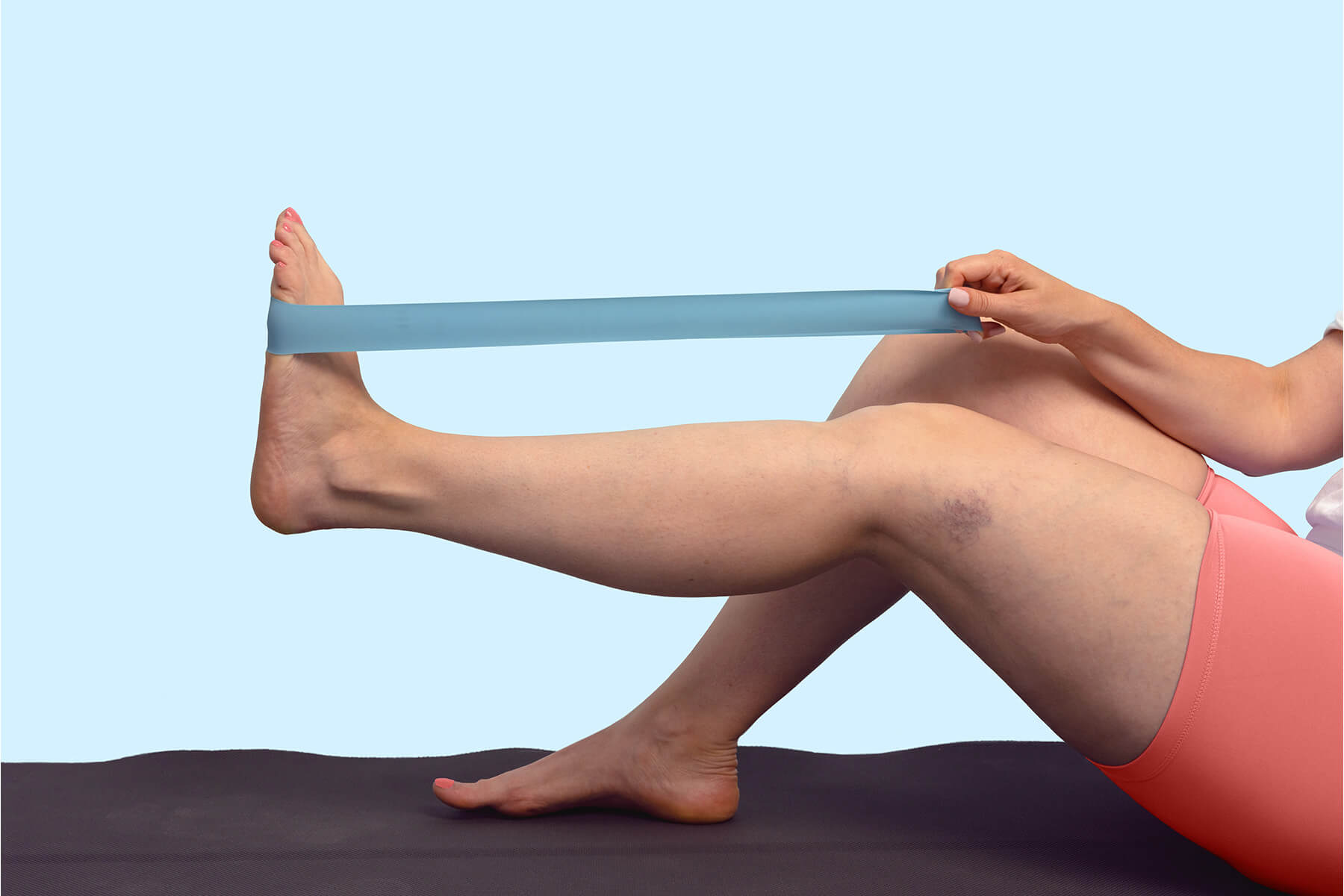
A slow 10-minute dynamic warm-up (such as ankle circles or leg swings) primes the calf muscle pump. This can help ensure that when you increase your intensity, your veins are already efficiently moving blood.
Timing Your Workouts
Avoid the peak heat between 3:00 PM and 6:00 PM. High temperatures cause veins to dilate, leading to increased blood pooling. Stick to early-morning runs or late-evening swims.
During Exercise Best Practices
How you move matters just as much as how much you move.
Proper Form to Minimize Stress
Maintain an upright posture. Slumping or excessive leaning (common in tired runners or cyclists) can compress the veins in the hip and groin, creating a bottleneck for circulation.
Listen to Symptoms
Differentiate between good muscle burn and abnormal vascular pain. If you feel a sudden throbbing, significant swelling, or a tightness in your calves that feels like your skin is stretching, it’s time to dial it back.
Take Strategic Breaks
During long activities, like a three-hour ride or a long hike, don't just stop and stand still. Keep your feet moving or perform a few calf raises during breaks to prevent blood from settling.
Post-Exercise Recovery
Recovery is when your veins get to reset after fighting gravity and impact.
Cooling Down
After your run, spend 15 minutes with your legs elevated above your heart. Never go from a sprint to a complete standstill. A 5-minute easy walk allows your heart rate and vein pressure to stabilize gradually.
Stretching
Focus on the calves and hamstrings. Flexible muscles are more efficient pumps.
Ice vs. Heat
While a hot soak feels good, ice or cool water is better for vein pain. Heat dilates veins and can increase swelling; cool water helps veins constrict and reduces inflammation.
Nutrition
Support your vein health with flavonoids found in berries and leafy greens. These antioxidants help strengthen the structural integrity of your blood vessels.

Sport-Specific Recommendations
Tailor your Austin hobby to support healthy veins.
Marathon Training
Switch some of your pavement miles to the dirt and gravel surfaces of the Butler Trail. The softer surfaces reduce the pounding stress on your venous valves.
Cycling Adjustments
Choose the right bike seat. Ensure your saddle isn't putting too much pressure on the pelvic floor. A cutout saddle can reduce discomfort and help maintain blood flow through the veins during long climbs.
Hike with Care
Use trekking poles. They help distribute your weight and keep you more upright, reducing the abdominal pressure that occurs when climbing up steep inclines like the Hill of Life.
Swimming Tips
Focus on a strong, consistent kick. The flutter kick is one of the best ways to engage the calf pump in a zero-gravity environment.
Yoga Poses
Choose yoga poses like Embrace the Viparita Karani (Legs-Up-the-Wall) and Adho Mukha Svanasana (Downward-Facing Dog). Avoid prolonged standing poses like Tadasana (Mountain Pose) if you are already experiencing a flare-up of swelling.
Warning Signs Austinites Shouldn't Ignore
How do you know if your leg pain is just normal muscle soreness or a more dangerous sign of vein disease? Watch for any of these red flags:
- Leg pain that feels like a heavy ache rather than a sharp muscle pull.
- Cramping that happens at night, long after your workout is over.
- Swelling in the ankles that doesn't go away after an hour of rest.
- Visible changes in your veins or skin.
Balancing Austin's Active Lifestyle with Vein Treatment
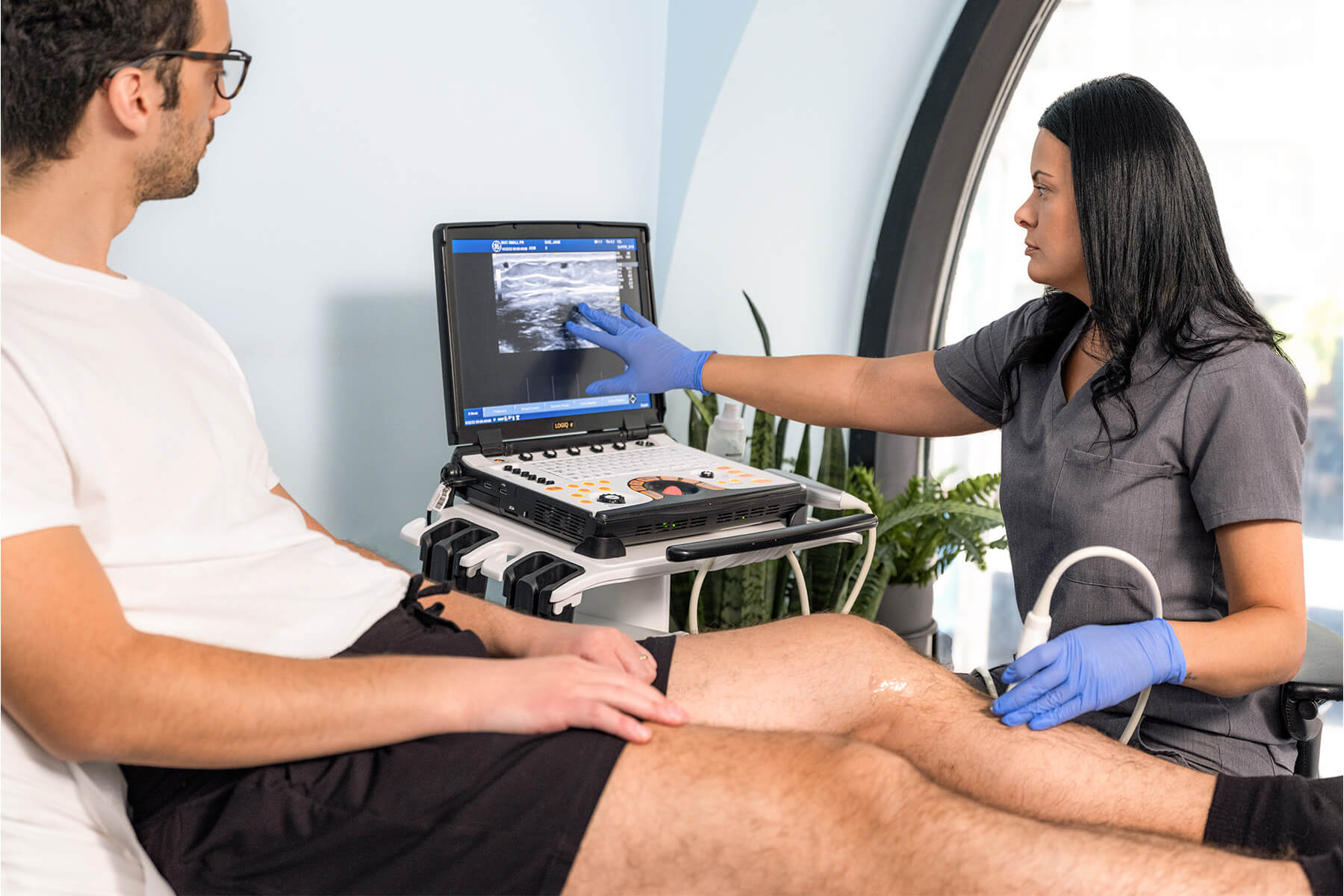
Today, treating vein disease is designed to keep you moving. Your vein specialist will tell you that, with most modern procedures such as Endovenous Laser Ablation (EVLA) or Sclerotherapy, staying active after treatment is encouraged.
Walking after vein treatment is often recommended, as it promotes healthy blood flow and supports the healing process. You don't have to choose between your fitness goals and your vascular health.
“I love this clinic! Dr. Abuaita helped treat my leg cramps, and now my legs feel and look so much better. I highly recommend him!”
- Stephanie, Central Austin
Recovery Timelines for Athletes
While we may suggest avoiding high-impact running or heavy CrossFit sessions for 7 to 10 days to allow the treated veins to seal properly, you can usually return to light cycling, swimming, and walking within 24 to 48 hours.
When you do return to your full routine, you’ll likely notice a significant difference. Athletes often report that the heavy feeling is gone, their endurance improves, and the post-workout recovery time is much faster.
Keep Moving with Healthy Veins in Austin
The most important thing to remember is that modern vein treatments are designed for active people. Minimally invasive procedures are performed in-office and often require little to no downtime. You can usually return to your walking or light cycling routine the very next day.
Most insurance providers recognize treatment as a medical necessity. Don't let leg heaviness or fatigue sideline you from the Austin activities you love. If your legs are holding you back from enjoying everything Austin has to offer, it might be time to look below the surface.
Ready to get back to the activities you love? Schedule a free vein screening at our Central Austin location.
Frequently Asked Questions: Austin’s Active Lifestyle & Vein Health
No, running doesn't directly cause varicose veins, but if you have a genetic predisposition, the repetitive high-impact pounding on Austin’s streets can increase venous pressure and accelerate the stretching of vein walls.
Generally, no, cycling is not bad for veins and can be excellent for calf strength. However, prolonged sitting can restrict blood flow to the hip. A professional bike fit and standing up periodically during rides can help maintain healthy circulation.
No, you don’t need to stop exercising if you have varicose veins. Inactivity is actually worse for vein health. The key is to modify your routine by incorporating more low-impact activities, such as swimming or using the elliptical.
Walking, swimming, and water aerobics are the gold standard low-impact exercises for varicose veins. They engage the calf muscle pump effectively without the jarring impact of running or the abdominal pressure of heavy lifting.
Yes, you can train for marathons with varicose veins, as many of our patients do. We recommend training on softer surfaces like the crushed granite of the Butler Trail, wearing medical-grade athletic compression, and elevating your legs immediately after long runs.
Yes. Compression socks provide external support to the vein walls, helping the valves close more efficiently and reducing the "vibration" of the calf muscle, which minimizes swelling and post-run fatigue.
The combination of steep inclines and the Austin heat causes veins to dilate and blood to pool during long hikes. If the pain feels like a heavy ache rather than muscle soreness, it may be a sign of vein insufficiency.
Yes. Yoga won’t make existing spider veins disappear, but inversion poses (where your legs are above your heart) are excellent for moving stagnant blood out of the lower legs and preventing new ones from forming.
CrossFit is not necessarily bad for varicose veins, but heavy lifting to failure increases intra-abdominal pressure, which can temporarily impede blood flow from the legs. If you have vein issues, focus on higher reps with lower weight and avoid holding your breath during lifts.
Most patients at our Central Austin clinic are back to walking the same day after vein treatment. Depending on the procedure, you can typically return to running within 7 to 10 days.
Yes! Swimming is one of the best exercises for the veins. The cool water constricts dilated veins, while the water pressure acts as a natural full-body compression stocking.
Yes, standing for long period can cause varicose veins. Whether you’re working a double shift during SXSW or using a standing desk in a tech office, prolonged standing without movement allows blood to pool, which is a leading cause of vein valve failure.
Yes. Many local cyclists find that compression sleeves or socks significantly reduce the heavy-leg feeling after a long ride through the Hill Country by supporting calf pumping during those long climbs.
While often attributed to dehydration, persistent cramping, especially at night or several hours after a run, is a classic symptom of vein problems like CVI. If it happens regularly despite proper hydration, it’s worth a screening.
Dr. Philip LoPresti
Meet Dr. Philip LoPresti, DABVLM, FACS, a board-certified surgeon and vein specialist and surgeon with over 20 years of experience. Schedule an appointment with him in Queens, NY today.
Meet Dr. Philip LoPresti
Trusted insight from the nationally accredited, board-certified vein doctors at Metro Vein Centers.