Cold weather itself doesn't directly cause varicose veins or make them worse. In fact, cooler temperatures can help your blood vessels to narrow, which often makes bulging veins look smaller and less noticeable than they do in the summer. However, it’s important to be mindful of common winter habits like staying indoors, sitting for longer stretches, holiday travel, and dehydration as they can cause a flare up of symptoms of varicose veins, such as swelling, aching, and heaviness.
How Temperature Affects Your Veins
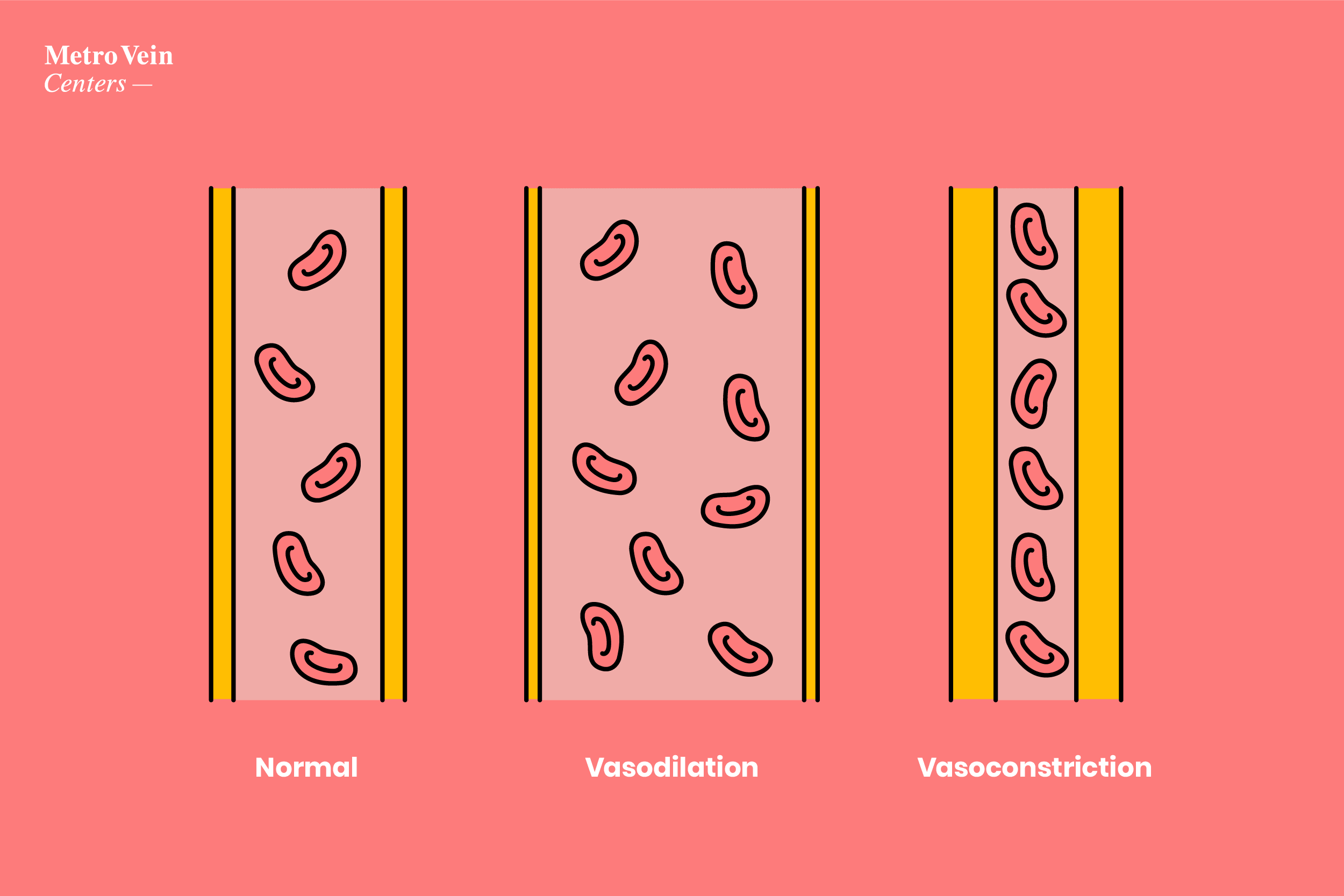
Your circulatory system responds to the temperatures around you to help keep your core body heat steady. Even small shifts in the weather change how hard your veins have to work to move blood back up toward your heart.
What is Vasoconstriction?
When you step out into chilly air, your blood vessels naturally tighten up, a normal process called vasoconstriction. Because your veins narrow slightly in the cold, raised veins may look flatter beneath your skin. While cooler weather can offer temporary improvement, cold air doesn't fix weak vein valves or treat underlying vein disease.
What is Vasodilation?
Warm weather has the opposite effect; heat causes your blood vessels to expand and widen, a process called vasodilation. Wider veins give blood more room to pool in your lower legs, which is why so many people notice heavier, puffier legs during hot summer months.
Learn more about how warmth affects circulation and managing heat edema and vein health in humid climates.
Why Varicose Vein Symptoms Can Feel Worse in Winter
If chilly air narrows your veins, why do your legs still feel heavy or achy once winter rolls around? Usually, it comes down to changes in your daily routine as a result of the colder temperatures outside, including:
- Less physical activity: Short days and icy sidewalks make it tougher to get outside for walks. Without regular movement, your calf muscles—which act like a natural pump to push blood upward—don't work as often.
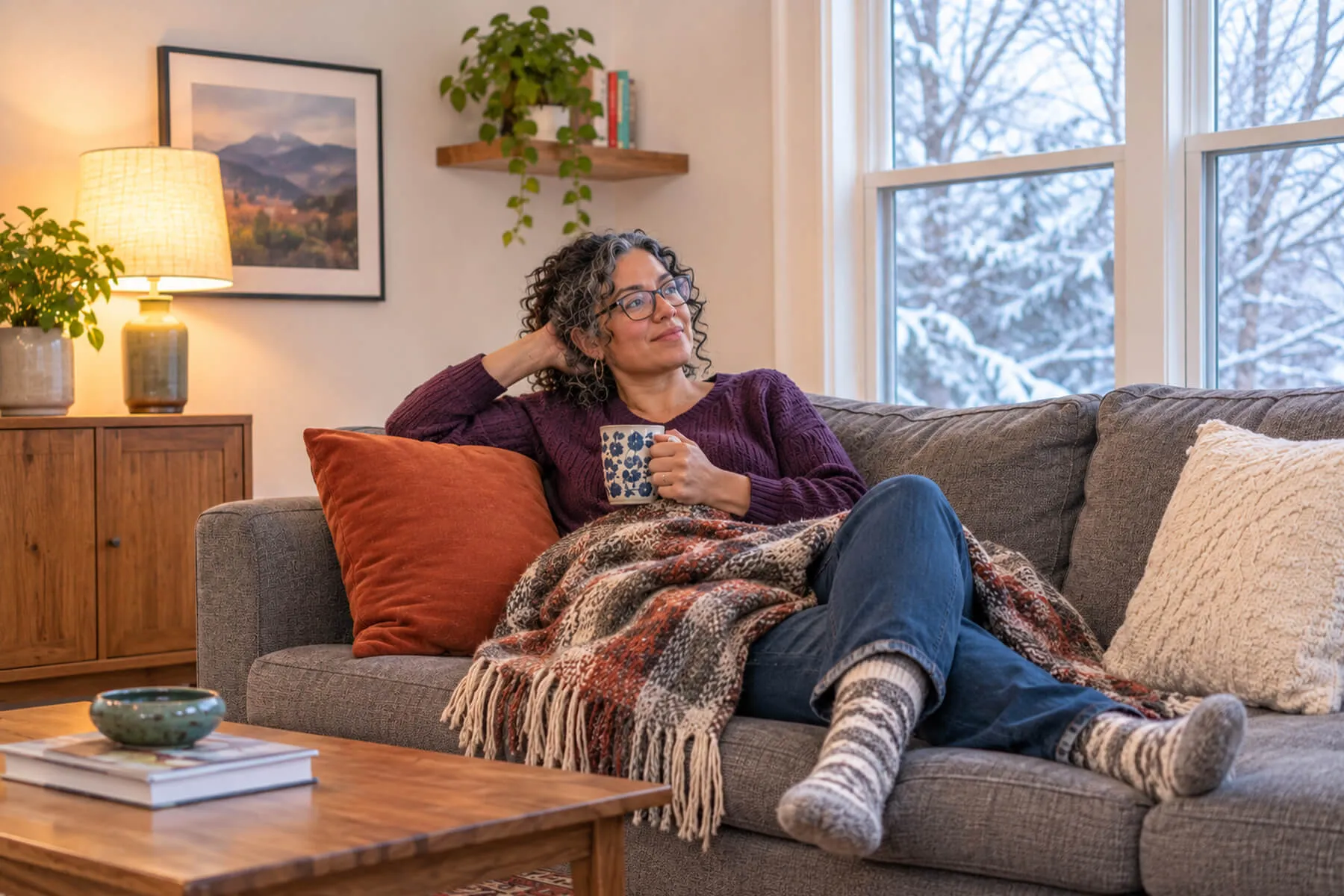
- Long periods of sitting indoors: Spending extra hours curled up on the couch or sitting at a desk slows down circulation in your lower legs.
- Holiday travel: Long road trips or flights keep your legs bent and still for hours at a time, giving blood more opportunity to pool around your ankles.
- Seasonal weight gain: Carrying even a few extra pounds over the winter adds more everyday pressure on your leg veins.
- Drinking less water: It is easy to forget to hydrate when you aren't hot and sweaty, yet mild dehydration can make blood slightly thicker and harder to circulate.
- Dry, itchy skin: Indoor heating dries out your skin, which can make the areas over varicose veins feel especially irritated. Read more about itching and tingling linked to vein health.
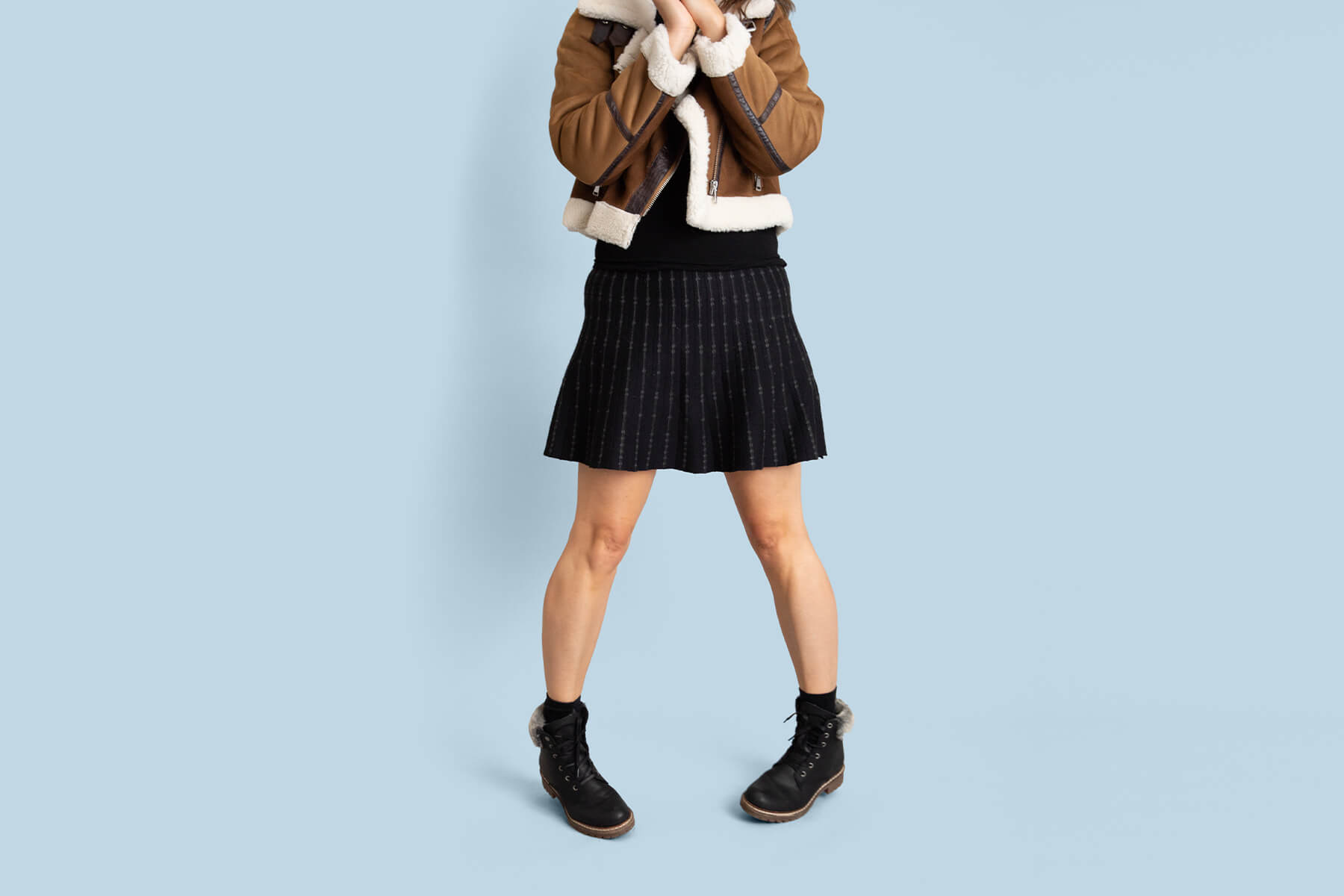
- Tight winter layers: Snug tall boots, tight leggings, or restrictive waistbands can press against your legs and slow down healthy blood flow.
Cold Feet and Varicose Veins: When It's Something Else
Typically, varicose veins cause symptoms like heaviness, throbbing, aching, and swelling, not coldness. If your feet feel persistently cold, pale, or numb, or if you notice cramping pain in your calves when walking that stops when you rest, something else may be going on.
Those signs are more commonly linked to artery circulation issues, such as peripheral artery disease (PAD), or conditions like Raynaud's phenomenon, where small blood vessels overreact to cold. If cold or numb feet are a regular issue for you, it is always a good idea to check in with a healthcare provider to get an accurate look at your circulation.
Hot or Cold: What Helps Varicose Vein Discomfort?
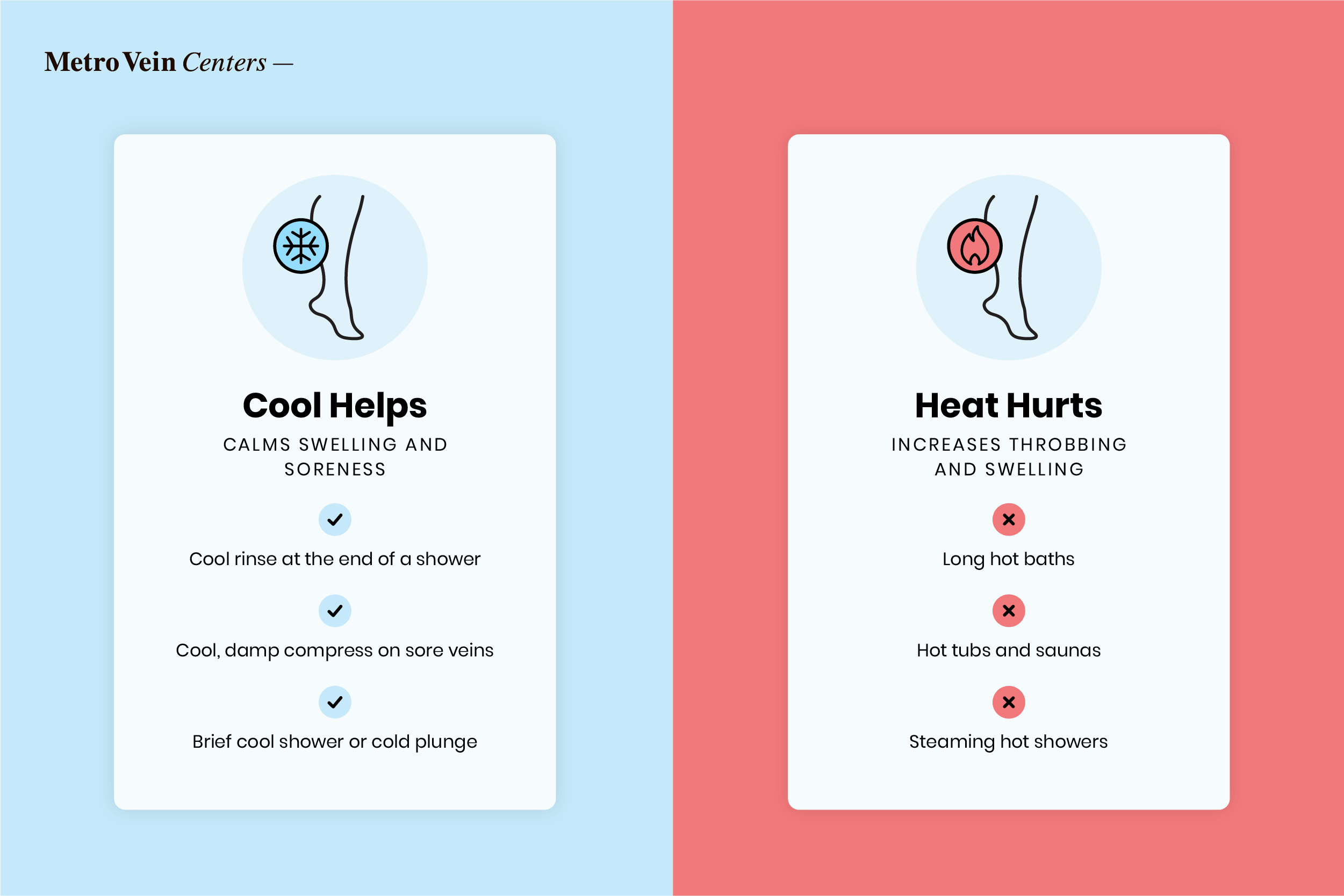
When your legs feel tired or sore at the end of a winter day, it’s tempting to reach for whatever feels coziest. While a steaming hot soak might feel amazing in the moment, many people find that cool water eases aching and swelling, while long, hot soaks can make swelling worse.
Cool water and cool compresses can ease the ache
Rinsing your legs with cool water in the shower or resting a cool, damp cloth over achy veins can help calm mild swelling and soreness. Cold plunges or cool showers may also offer brief, refreshing relief by temporarily tightening surface vessels, though cold therapy won't shrink or remove varicose veins permanently.
(Tip: Always wrap cold packs in a towel and never place ice directly on bare skin.)
Go easy on hot baths, saunas, and hot tubs
Soaking in steaming water feels amazing on a freezing night, but prolonged heat causes veins to widen. For many people with varicose veins, long hot baths or hot tubs lead to extra throbbing and ankle swelling afterward. Keeping showers warm rather than hot is usually much gentler on your veins.
How to Protect Your Veins in Cold Weather
A few small adjustments to your winter routine can keep your legs feeling lighter and more comfortable all season long:
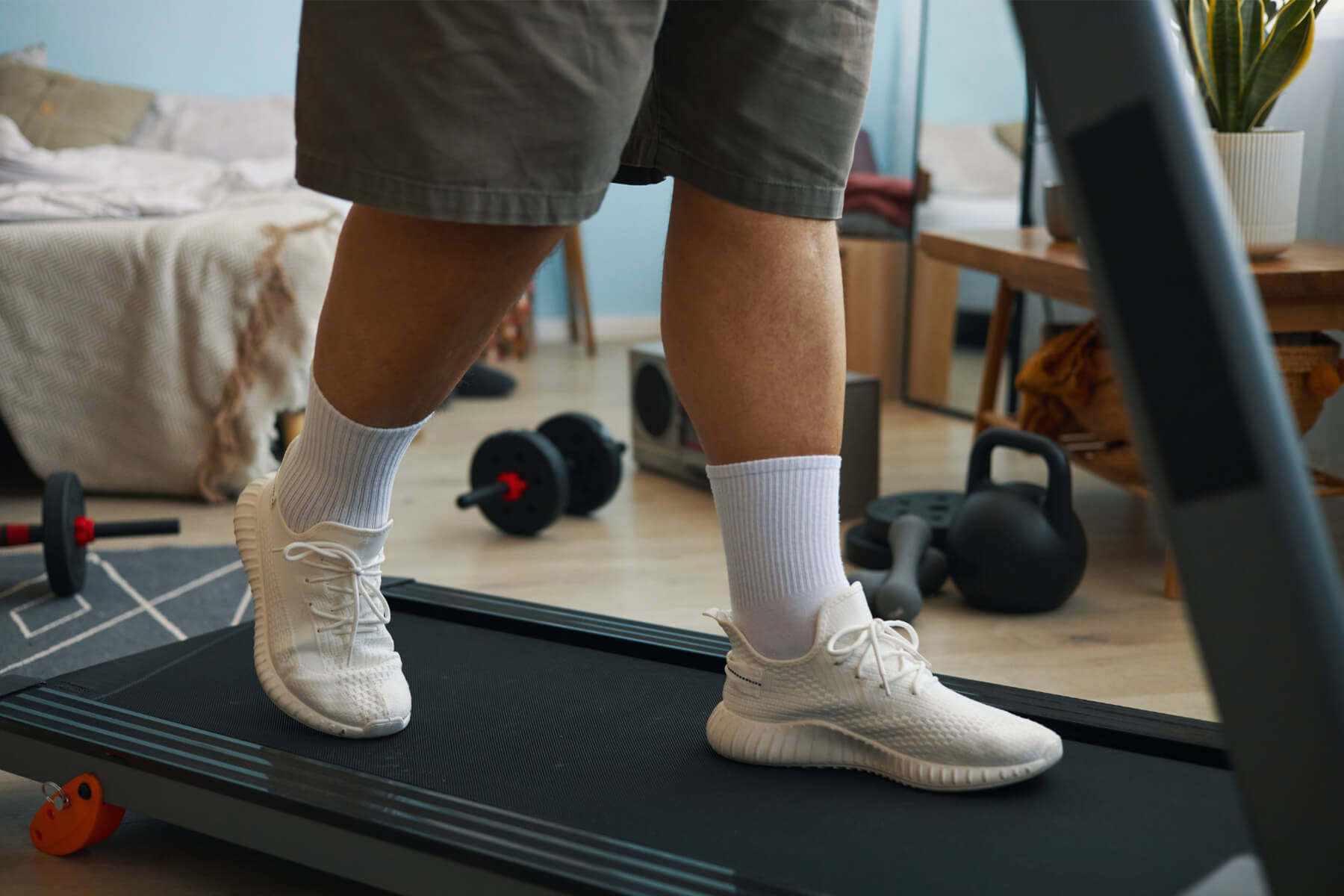
- Keep moving indoors: Even a 10-minute walk around the house, gentle stretching, or a quick set of standing calf raises helps keep your calf-muscle pump active. Explore more ideas in our guide to exercise and vein health.
- Elevate your legs: Prop your feet up above heart level for 15 to 20 minutes in the evening to help pooled fluid drain smoothly.
- Stay hydrated: Keep a water bottle nearby throughout the day, even if you don't feel thirsty.
- Moisturize dry skin: Apply a gentle, fragrance-free lotion daily to protect the skin over your lower legs from winter dryness and itching.
- Wear compression stockings: Graduated compression socks gently support your veins and can help reduce swelling—and winter is the easiest time to wear them comfortably underneath pants.
- Break up sitting and travel: Set a reminder to stand up, stretch, or flex your ankles every hour during desk work, road trips, or flights.
- Skip overly hot soaks: Stick to lukewarm or comfortably warm water in the bath or shower. For more year-round habits, check out how to prevent varicose veins.
Is Winter a Good Time for Vein Treatment?
If at-home habits aren't giving you enough relief, winter is actually one of the most convenient seasons to take care of your veins. Understanding why fall and winter are a good time for vein treatment comes down to everyday practicality. These factors in the fall and winter support a smooth recovery:
- Post-treatment compression stockings blend discreetly underneath jeans, pants, and cozy winter layers.
- Healing skin stays naturally covered from UV rays during colder months, as it’s recommended to limit sun exposure while you recover.
- Starting in the winter gives your legs plenty of time to look and feel their best before shorts and swimsuit season arrives.
When to See a Vein Specialist
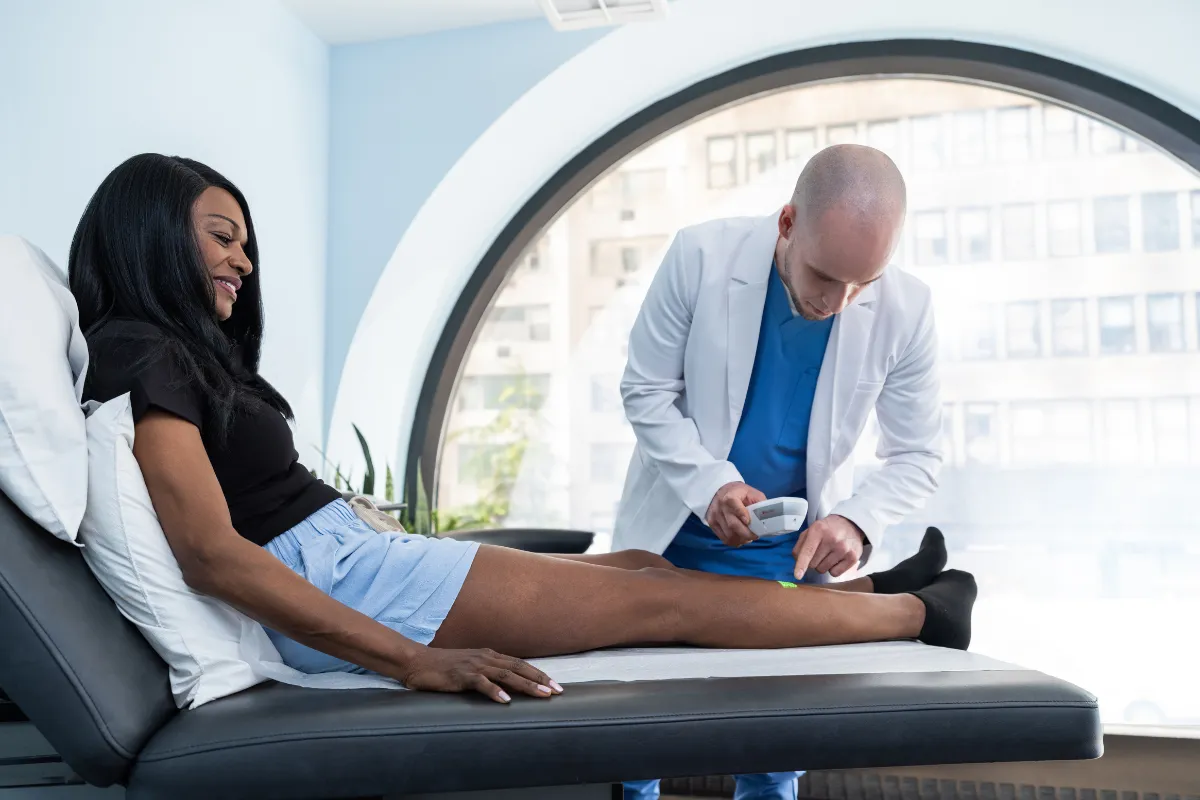
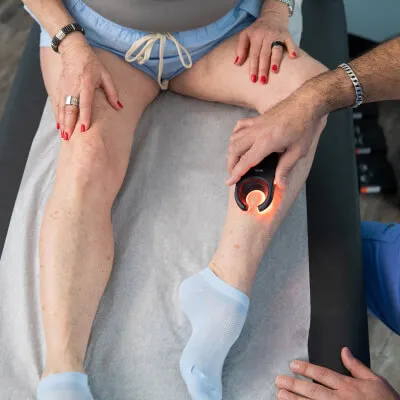
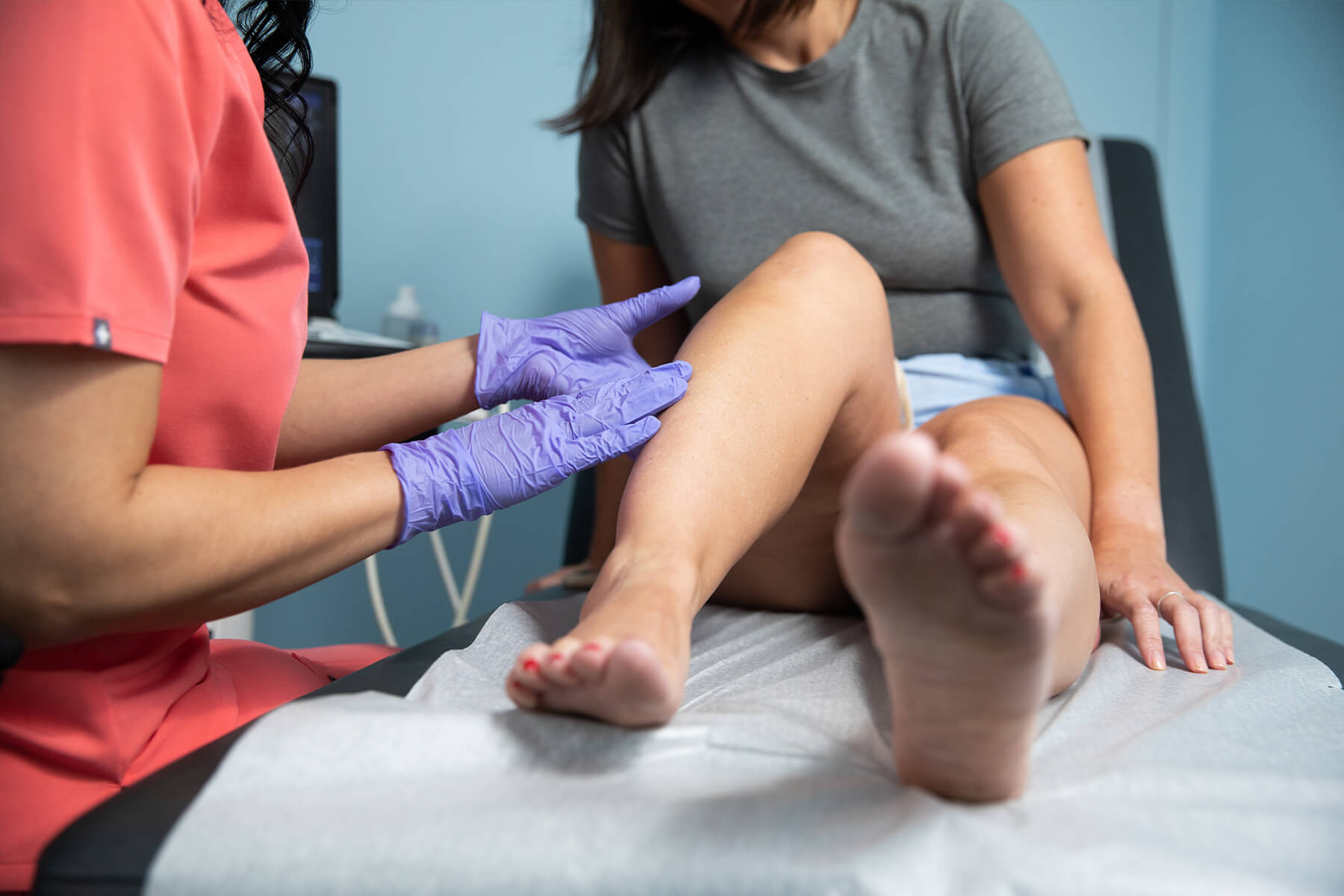
You don't have to wait for a change in the weather to get answers about your legs. If aching, heaviness, swelling, skin changes, or bulging veins stick around in any season, a specialist can use a quick, painless ultrasound to see what is happening beneath the surface.
Ready to check in on your leg health? Schedule your free vein evaluation today.
Note: If you ever experience sudden swelling in one leg accompanied by pain, warmth, or redness, seek urgent medical care right away to rule out a blood clot such as deep vein thrombosis (DVT).
Frequently Asked Questions
The appearance of varicose veins may get better in the winter. Bulging veins may look slightly smaller and feel a bit less swollen in cold weather because cooler temperatures naturally narrow blood vessels. However, winter doesn't cure varicose veins, and indoor habits like sitting more often can still trigger aching and heaviness.
Yes, cool water can temporarily ease soreness, throbbing, and mild swelling by helping surface blood vessels tighten up. While it feels refreshing and can relieve everyday discomfort, cold water cannot remove varicose veins or repair damaged vein valves.
A cool compress is usually the better choice for varicose vein discomfort. Cool temperatures help calm swelling and aching, whereas heat widens blood vessels and can sometimes increase throbbing or heaviness in your legs.
Not usually. Varicose veins typically cause aching, heaviness, swelling, or itching rather than cold feet. Persistently cold, pale, or numb feet are more often linked to circulation issues or Raynaud's disease, so it is worth having a doctor check them out.
Yes! Compression stockings are very helpful in the winter, especially if you spend more time sitting indoors or traveling (by car or by plane) for the holidays. Colder weather makes compression socks more comfortable in cooler temperatures and they stay hidden under pants and layers.
References
American Heart Association. "About Peripheral Artery Disease (PAD)." American Heart Association, https://www.heart.org/en/health-topics/peripheral-artery-disease/about-peripheral-artery-disease-pad.
Cleveland Clinic. "Vasodilation: What It Is, Causes & Symptoms." Cleveland Clinic Health Library, https://my.clevelandclinic.org/health/diseases/23352-vasodilation.
Cleveland Clinic. "Vasoconstriction: What It Is, Symptoms & Causes." Cleveland Clinic Health Library, https://my.clevelandclinic.org/health/symptoms/21697-vasoconstriction.
Mayo Clinic. "Raynaud's Disease: Symptoms & Causes." Mayo Clinic Health Library, https://www.mayoclinic.org/diseases-conditions/raynauds-disease/symptoms-causes/syc-20363571.
Santa Cruz, M., Singh, N., Poltiyelova, E., Marks, N., Ascher, E., & Hingorani, A. (2023). Seasonal variation in swelling of lower extremity edema in patients with chronic venous insufficiency. Journal of Vascular Surgery: Venous and Lymphatic Disorders, 11(3), 498-501. https://pmc.ncbi.nlm.nih.gov/articles/PMC12245470/.
Dr. Philip LoPresti
Meet Dr. Philip LoPresti, DABVLM, FACS, a board-certified surgeon and vein specialist with over 20 years of experience. Schedule an appointment with him in Queens, NY today.
Meet Dr. Philip LoPresti
Trusted insight from the nationally accredited, board-certified vein doctors at Metro Vein Centers.