

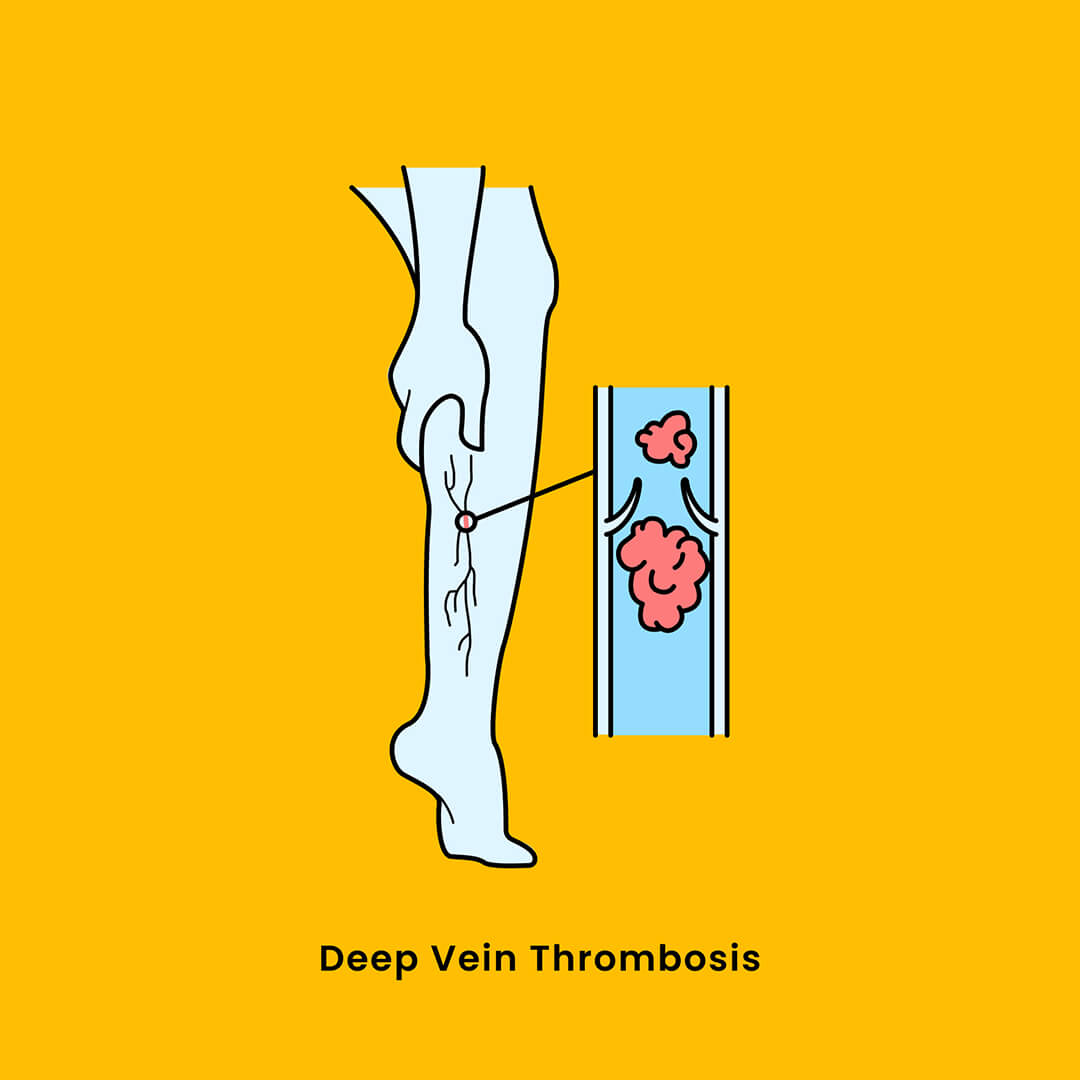
Deep Vein Thrombosis (DVT)
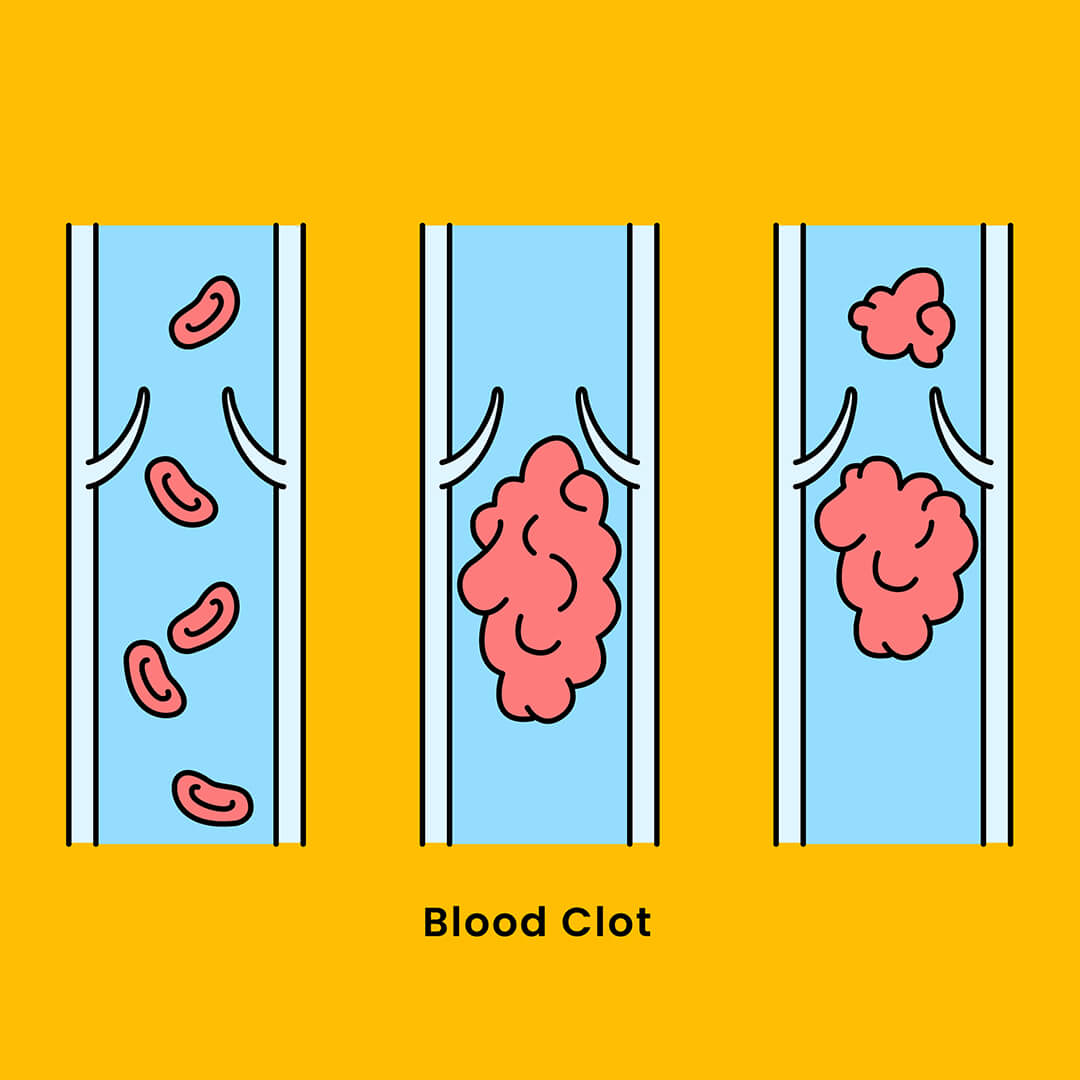
Deep vein thrombosis, or DVT, is a complication that can be caused by late-stage venous insufficiency (vein disease). DVT happens when blood clots form in the deep veins of the leg, causing painful, uncomfortable symptoms. Left untreated, these clots can detach and travel to the lungs, causing a potentially fatal pulmonary embolism. DVT can become a medical emergency quickly. If you suspect you have DVT, contact your primary care doctor or emergency services.
What Our Vein Doctors Look For
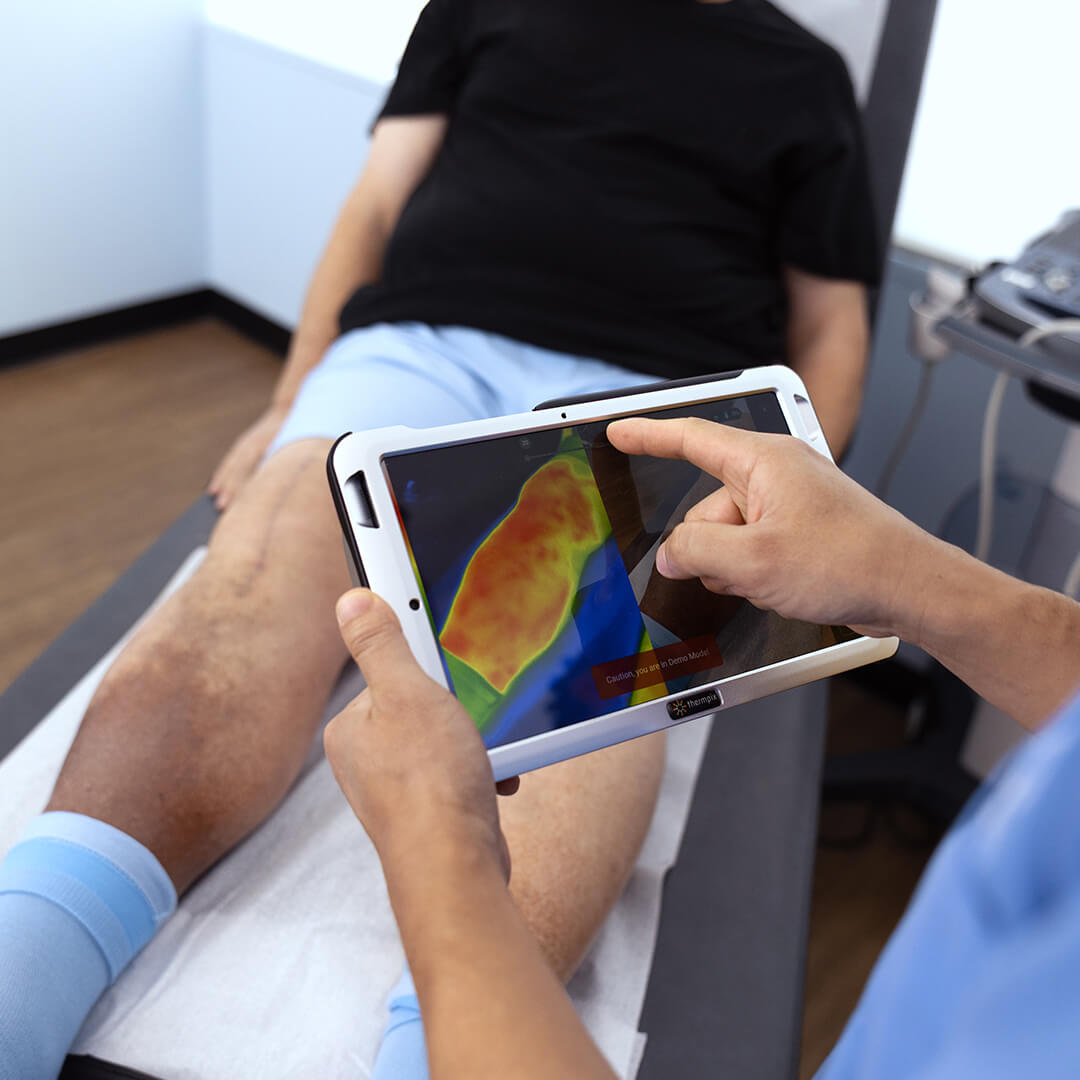
Your vein doctor's goal is to treat DVT before clots can become embolisms. During your visit, your doctor will:
- Ask about your symptoms and examine your legs
- Perform an ultrasound to diagnose your condition
- Identify whether you're experiencing DVT or another form of vein disease
An ultrasound evaluation can diagnose or rule out DVT in as little as one hour. While we can rule out DVT in our vein clinics via ultrasound, we do not treat this condition on-site as it may require more extensive intervention than our minimally invasive vein treatments. Schedule your free* vein evaluation with our vein specialists today.
Schedule Your Free Vein Evaluation
*Subject to insurance eligibility
Symptoms of DVT
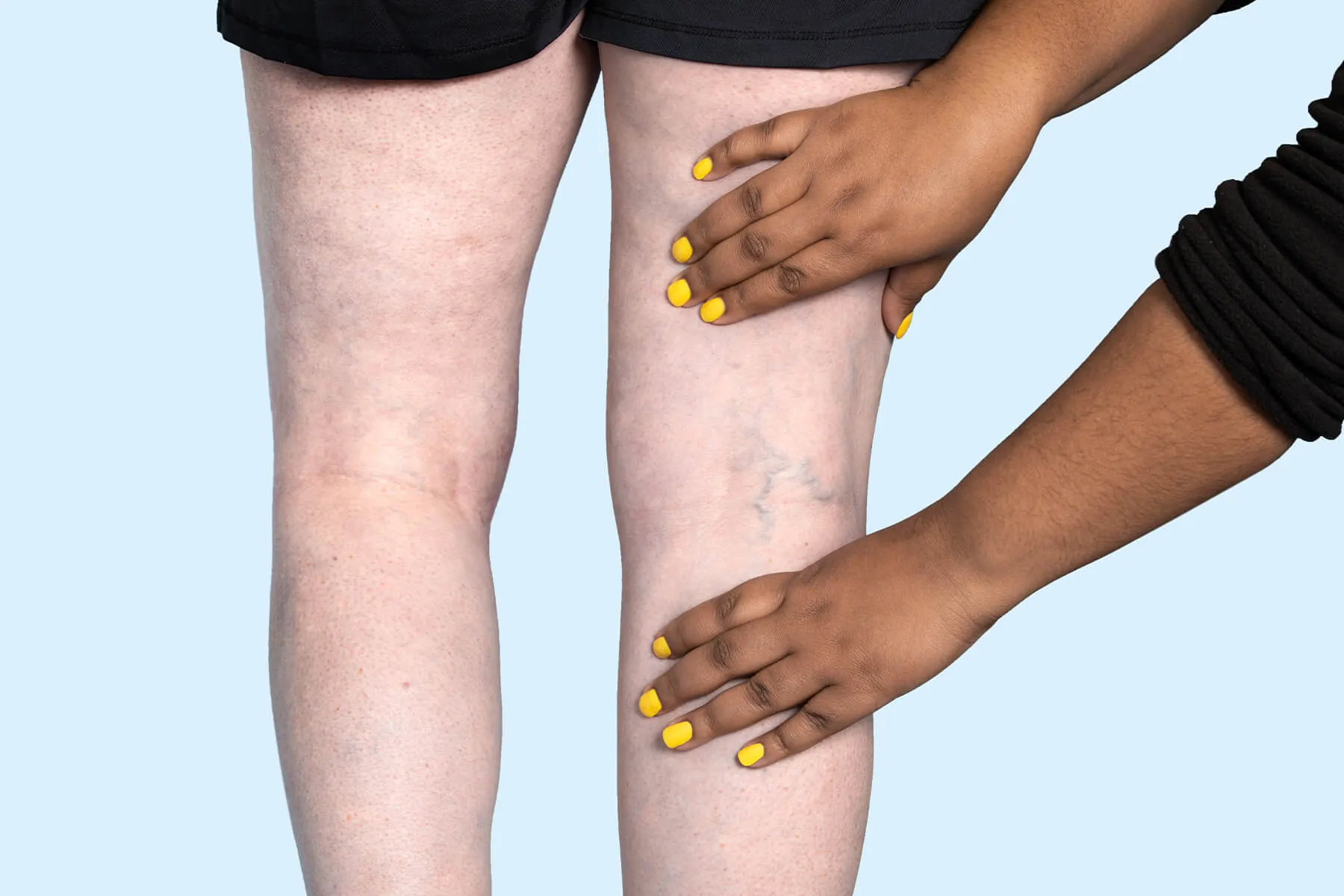
DVT can present with asymmetrical swelling, skin discoloration, hard veins under the skin, fever, and more, typically in only one leg.
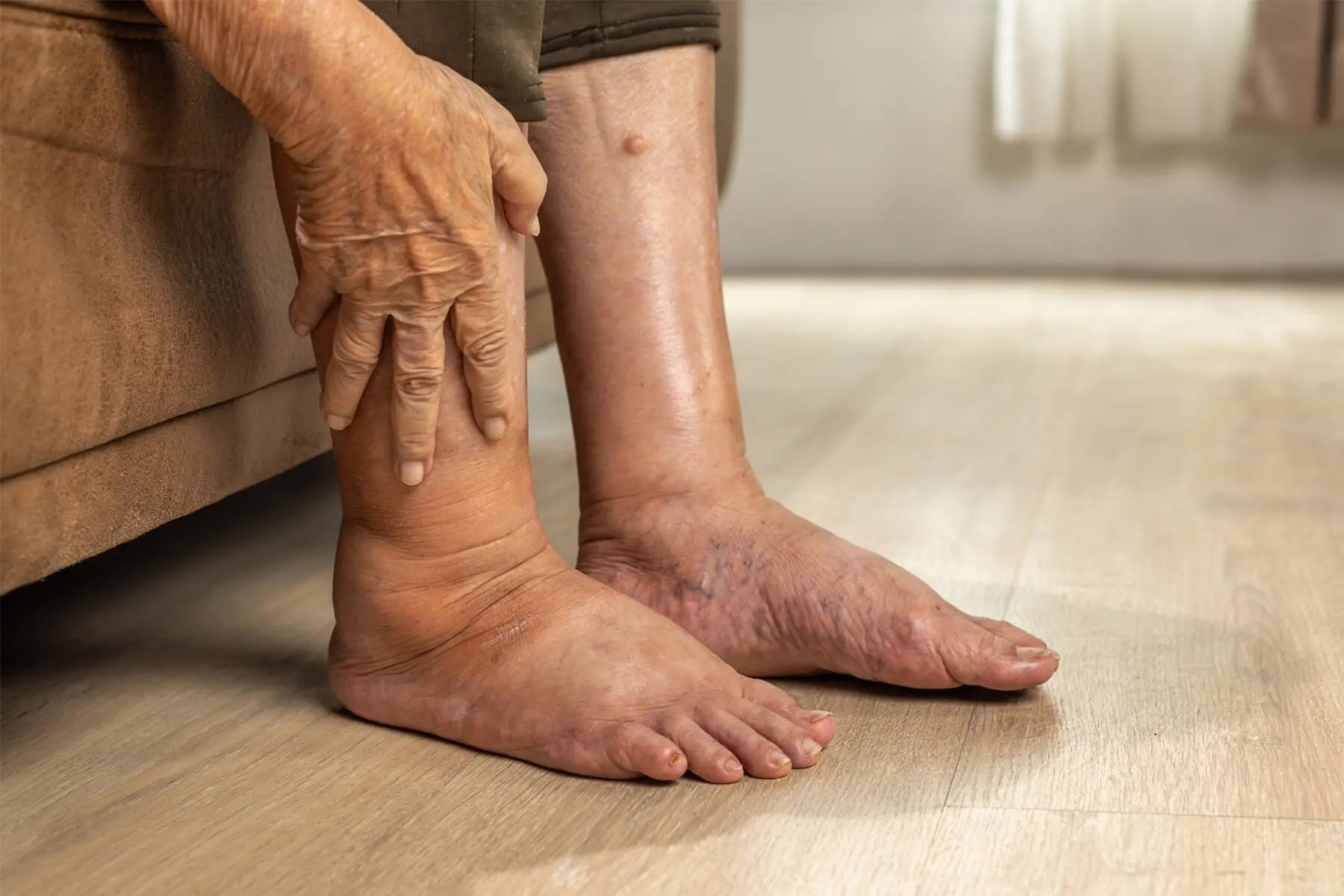
- Leg swelling: DVT blocks circulation, letting fluid leak through vein walls. Unlike vein disease swelling (often both legs), DVT swelling is worse in one leg, feels tight, and doesn't improve with elevation.
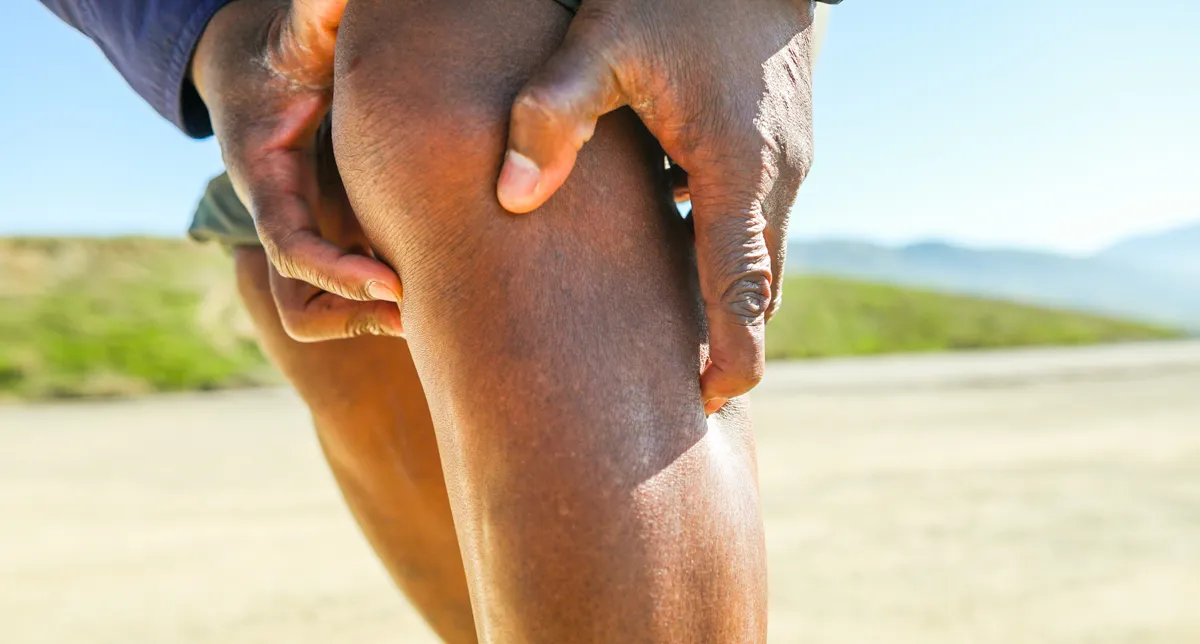
- Unexplained leg pain and tenderness: A throbbing pain in the thigh or calf, often worse with walking, standing, or flexing the foot.
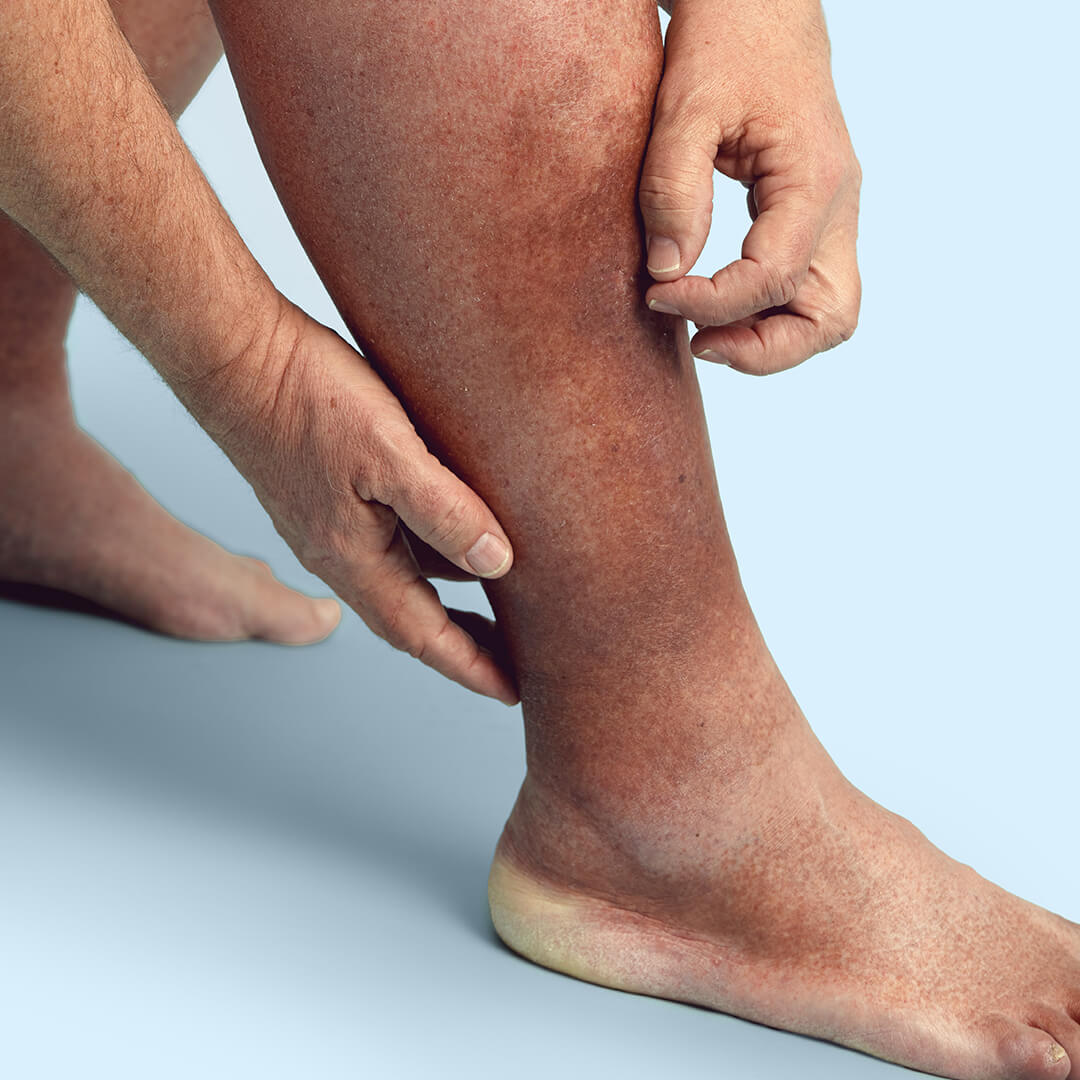
- Reddened skin discoloration: May appear red or purple from impaired blood flow, most common in the calf or thigh, sometimes with itching.
- Skin warm to the touch: The affected area may feel warm or hot. Swollen, reddened, warm skin near (or without) visible veins warrants a call to your doctor.
Subtler symptoms include visible surface veins, fatigue or heaviness in the legs after standing or light activity, and low-grade fever from vein inflammation. DVT is often painful, but can also be symptomless depending on its stage.
What Causes DVT, and Who's at Risk?
DVT has many risk factors — some lifestyle-related, some not. Like varicose veins, it can't be fully prevented, but understanding risk helps with early monitoring and treatment.
- Age: Risk increases after 60.
- Smoking: Nicotine makes platelets stickier, easing clot formation.
- Obesity: Extra weight pressures veins, raising DVT risk.
- Pregnancy/postpartum: Creates a hypercoagulable state that raises clot risk.
- Sedentary lifestyle: Poor circulation from inactivity contributes to clots.
- Frequent air travel: Long stretches without movement raise risk.
- Surgery, especially joint replacement: Injury and limited post-op mobility increase risk.
- Birth control: Estrogen-based methods are linked to clotting.
- Varicose veins: Weakened, twisted veins trap blood more easily.
- Genetics: Family history of clotting disorders or vein disease raises risk.
- Inflammatory bowel disease (IBD): Activates a clotting cascade, increasing risk.
When DVT Escalates to Pulmonary Embolism
Not everyone with varicose veins develops DVT, and not everyone with DVT develops a pulmonary embolism — both are highly treatable. But postponing care lets DVT escalate. Watch for these warning signs:
- Sudden shortness of breath
- Chest pain or a feeling of "fullness"
- Rapid heartbeat
- Coughing up blood (a serious sign)
Treatment Options for DVT
We don't treat emergency DVT cases in our clinics, but once diagnosed via ultrasound, options include:
- Anticoagulant medication (oral or non-oral): doesn't dissolve clots but prevents them from worsening, giving the body time to heal (days to weeks).
- Compression stockings: support healing and circulation during treatment.
- Surgical intervention: reserved for severe cases or high embolism risk.
Prevention and Long-Term Maintenance
DVT doesn't appear suddenly — it's often the result of unchecked varicose veins or vein disease. Bulging veins, leg fatigue, ankle/calf swelling, or a family history of vein disease are signs to see a vein specialist. Proactive vein care, quitting smoking, and low-impact exercise can help prevent DVT. Early detection can be lifesaving. After a DVT diagnosis, your doctor may recommend:
DO:
- Take prescribed blood thinners
- Wear compression stockings for swelling and healing
- Get light exercise, like gentle walking
- Eat well, quit smoking, maintain a healthy weight
- Elevate the affected leg
- Schedule follow-up visits
DO NOT:
- Massage the affected leg — this can dislodge clots and raise embolism risk
- Ignore your symptoms — DVT must be taken seriously to prevent clots from migrating
DVT FAQs
DVT is dangerous because blood clots can cause serious and life-threatening issues when they break off from the inside of a deep vein and travel through the circulatory system. If they lodge in the lungs, a patient can experience a pulmonary embolism — a serious, often life-threatening condition that requires emergency care.
DVT is most likely to occur in veins on the lower legs and pelvic region, since these veins work against gravity to bring blood back to the heart. Venous insufficiency in these deep veins — surrounded by muscle and out of sight — is where DVT develops.
A deep vein thrombosis and a pulmonary embolism are both types of blood clots, and both can be dangerous. DVT is a blood clot that forms in the leg (or, rarely, the hips or arms). A pulmonary embolism happens when a blood clot travels to the lungs, usually because a DVT went untreated.
Not everyone with varicose veins will develop DVT, and not everyone with DVT will suffer a pulmonary embolism — but if medical intervention is postponed, DVT may escalate. Initial warning signs of pulmonary embolism include sudden shortness of breath, chest pain or "fullness," a rapid heartbeat, and in serious cases, coughing up blood.

Vein Disease Treatments
- State-of-the-Art
- Ultrasound Guided
- 15 Minutes
- FDA-Approved
- Minimally Invasive
- Minimal Downtime
Let’s talk about you
Do You Have Vein Disease Symptoms?
Get a snapshot of your vein health in just a few clicks.



![leg vein health evaluation]() 5 Min Read
5 Min ReadAlarming Risks of Neglecting Your Vein Health
![Dr. Philip LoPresti, board-certified vein specialist in New York and Chief Medical Officer at Metro Vein Centers.]()
Dr. Philip LoPresti
![CVI - President Trump's diagnosis]() 6 Min Read
6 Min ReadPresident Trump's Diagnosis: Chronic Venous Insufficiency (CVI)
![Dr. Philip LoPresti, board-certified vein specialist in New York and Chief Medical Officer at Metro Vein Centers.]()
Dr. Philip LoPresti
![]() 5 Min Read
5 Min ReadDoes Weightlifting or Strength Training Cause Varicose Veins?
![Michigan vein specialist Hugh Pabarue, MD, DABVLM]()
Dr. Hugh Pabarue
![aerial view of legs laying on colorful beach towels]() 5 Min Read
5 Min Read7 Proactive Tips to Prepare Your Legs for Spring and Summer Activities
![Dr. Philip LoPresti, board-certified vein specialist in New York and Chief Medical Officer at Metro Vein Centers.]()
Dr. Philip LoPresti
![75% of POTS patients have venous insufficiency. Discover the proven connection, why it matters, and how treating vein problems may improve POTS symptoms.]() 10 Min Read
10 Min ReadThe Connection Between POTS and CVI: What Research Reveals
![Michigan vein specialist Hugh Pabarue, MD, DABVLM]()
Dr. Hugh Pabarue