Choosing the right vein treatment clinic involves looking beyond basic offerings to verify credentials, the availability of advanced diagnostic capabilities, minimally invasive vein treatments, transparent pricing, and an excellent patient experience.
When it comes to vein health, we understand how important it is to find a vein clinic that is responsive to your concerns, whether cosmetic, medical, or both. Varicose veins, spider veins, and other leg vein issues can be unsightly and uncomfortable, and can even impact your quality of life. These conditions are often caused by an underlying medical condition called Chronic Venous Insufficiency (CVI), and delaying treatment can lead to the worsening of symptoms.
In this guide, we will walk you through 10 steps to help you choose the best vein clinic for your needs. We will explore what to look for, including their state-of-the-art treatments, patient reviews, vein clinic accreditations and certifications, and recognitions for their vein doctors.
Step 1 – Determine if Your Issue is Cosmetic or Medical (or Both)?
Are you seeking treatment for a cosmetic condition, such as spider veins, or for an underlying vein disease, such as CVI? Answering this question is the first step in identifying the best vein clinic for you.
Cosmetic vs. Medical Vein Conditions
Cosmetic vein conditions focus on the appearance of surface-level issues, such as spider veins. While spider veins can negatively affect your confidence, they usually don’t pose a serious medical risk.
Medical vein health issues that can lead to more serious complications caused by CVI, such as varicose veins, leg pain, swelling, and leg ulcers. These symptoms require a medical diagnosis and approved vein treatment.
Why This Matters
Clinics that focus primarily on aesthetics (like many medspas) may offer only cosmetic treatments and may not be equipped to perform diagnostic vein health evaluations, such as a duplex ultrasound. Look for a varicose vein treatment clinic that specializes in diagnosing vein health conditions and is qualified to treat both medical and cosmetic concerns.
Step 2 – Find Out if Your Doctor is Credentialed (& What to Verify)
Your peace of mind starts with trusting your provider. When choosing a vein specialist, it’s reasonable to ask about their qualifications.
Board-Certification & Specialty Training
Accredited vein centers that truly specialize in the medical treatment of vein conditions are led by board-certified vein doctors who have dedicated their careers to venous medicine. Look for these key certifications:
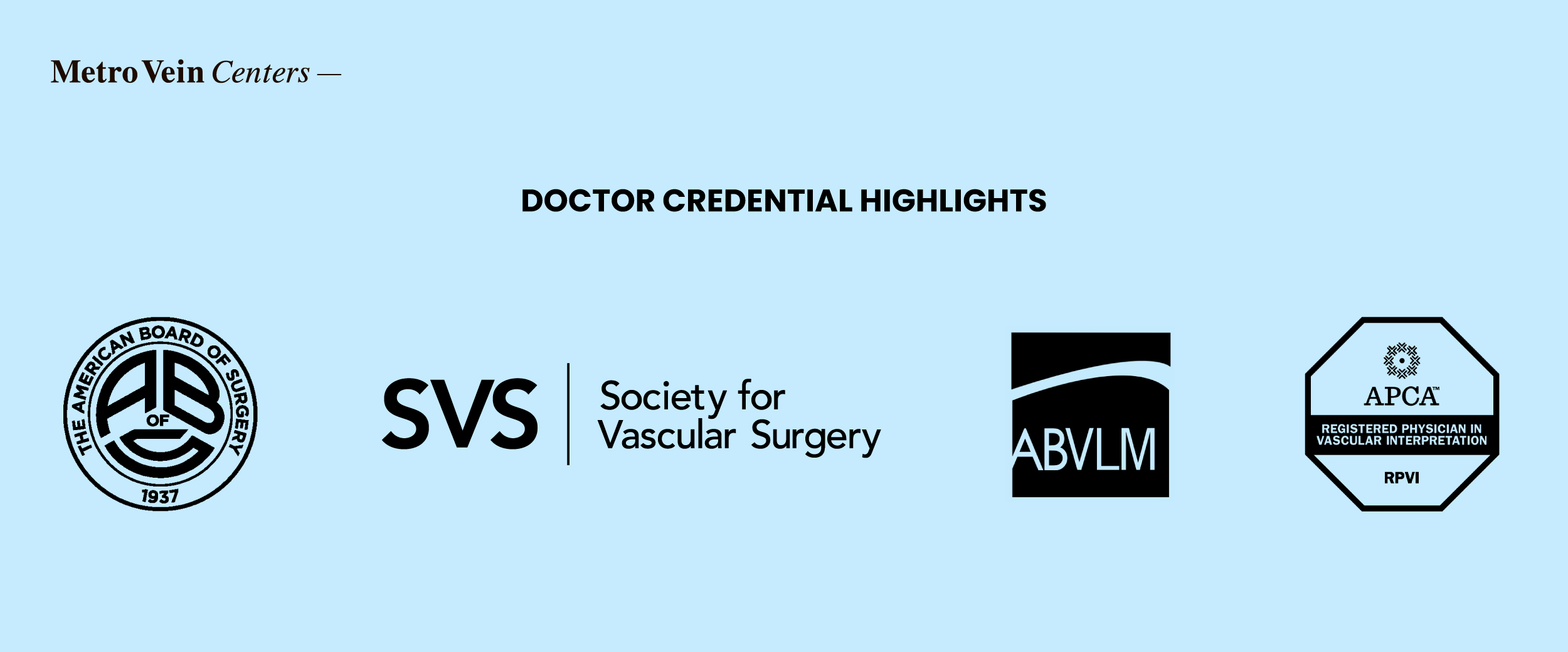
American Board of Venous and Lymphatic Medicine (ABVLM): This prestigious certification recognizes physicians who demonstrate exceptional proficiency in diagnosing and treating vein disease.
Registered Physician in Vascular Interpretation (RPVI): Certifies the doctor's expertise in performing and interpreting vascular ultrasound—the gold standard in vein diagnosis.
Vascular Surgery, General Surgery, or Interventional Radiology: These backgrounds often indicate extensive experience with surgical and minimally invasive procedures.
Experience & Procedure Volumes
Two relevant questions to ask when you are choosing a vein health clinic are how many medical vein treatments they perform and how often they perform the specific treatment recommended for you.
High procedure volumes and a history of successfully treating vein disease are good indicators of future outcomes. It’s ok to ask about success and complication rates. A reputable vein treatment clinic will have no issues providing transparent information to help guide your decision.
Before/After or Patient Testimonials - Which is Better?
While visual before-and-after galleries can be helpful, they should not be your only decision-making factor. The best spider vein clinics will also offer patient testimonials, realistic outcomes, and an open discussion of what you can expect.
Step 3 – Look Into Diagnostics & Treatment Planning
Successful vein treatment begins with a thorough vein health evaluation. Here’s what you can expect from an assessment with a certified vein specialist.
A Physician-Performed Duplex Ultrasound & Full Evaluation
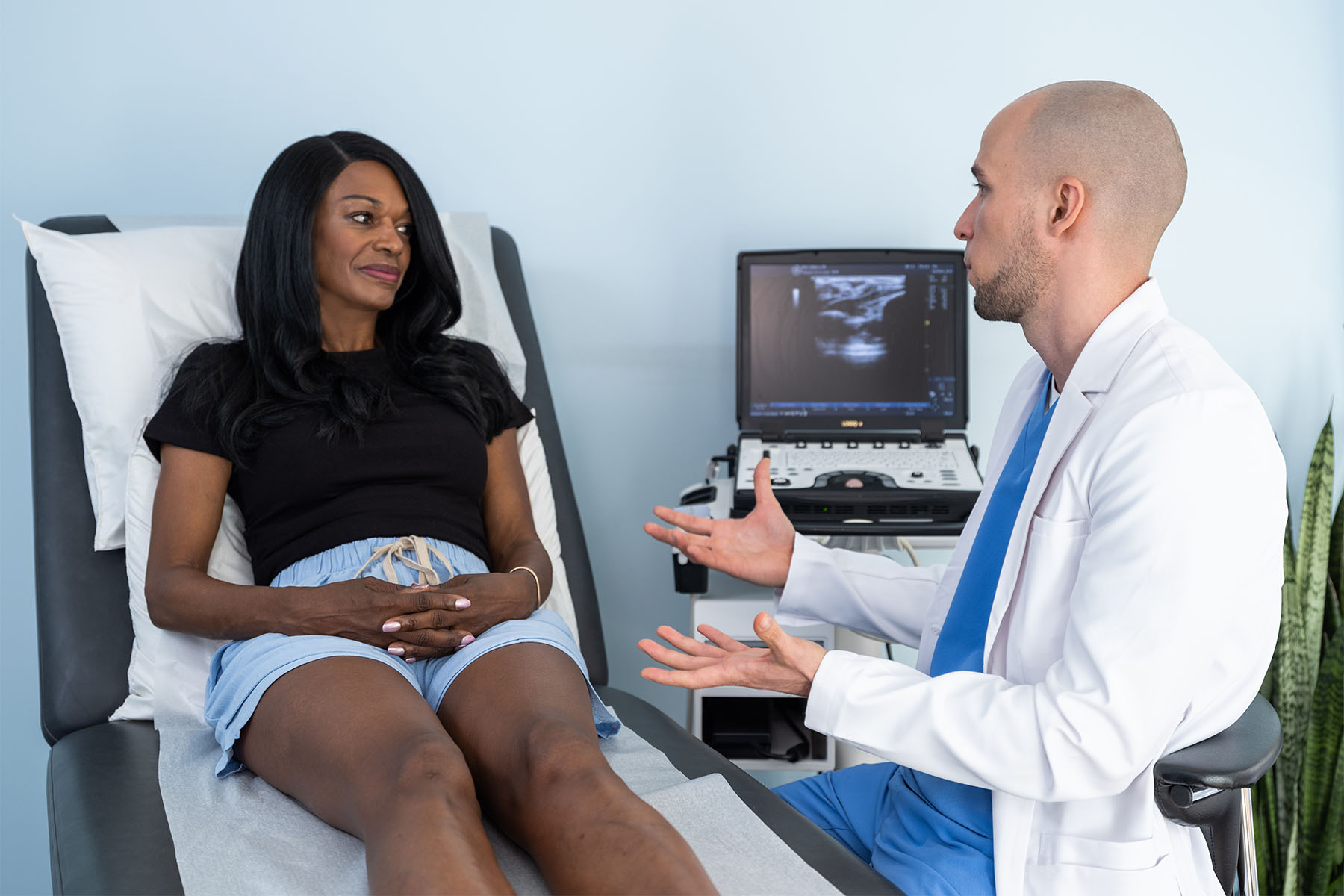
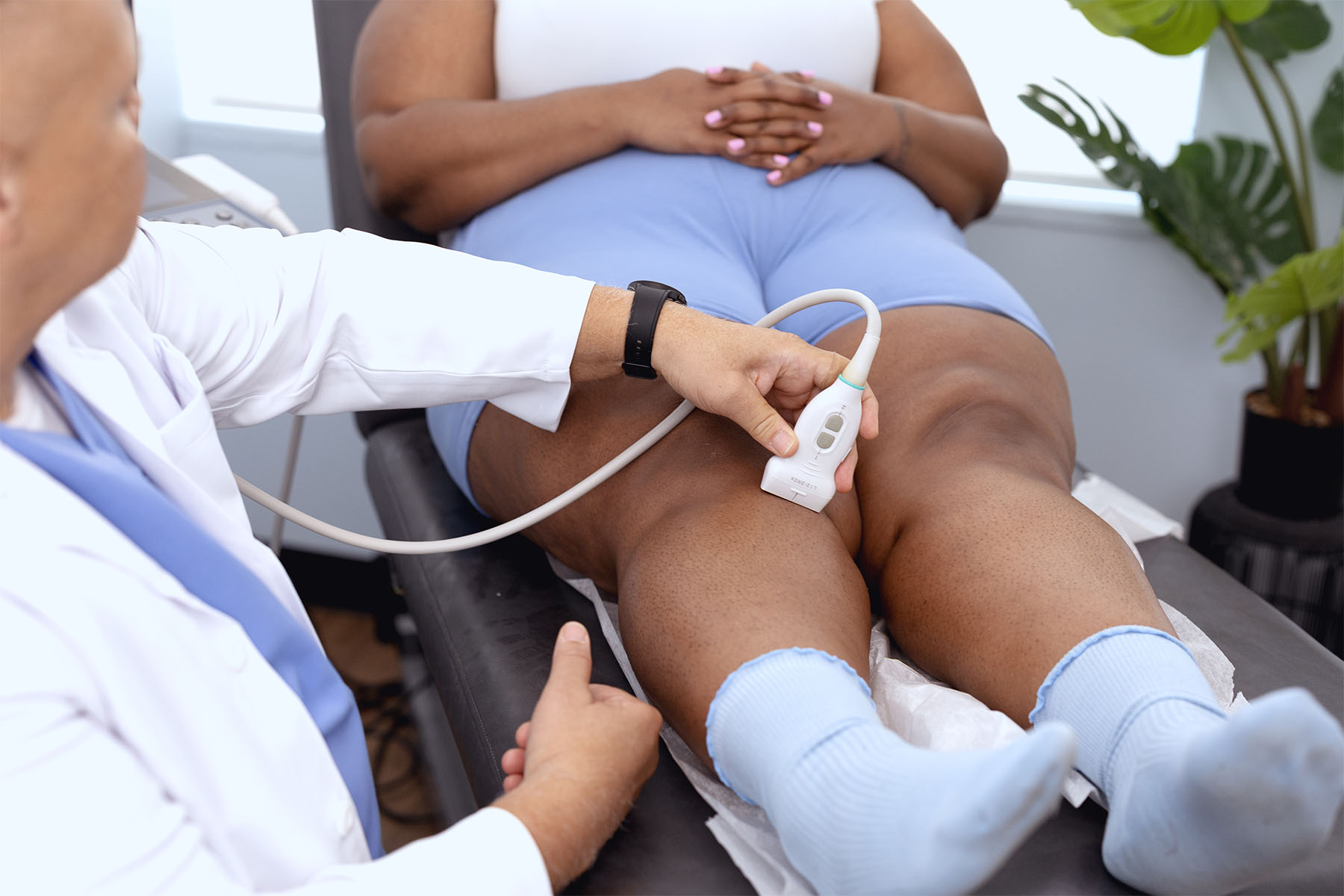
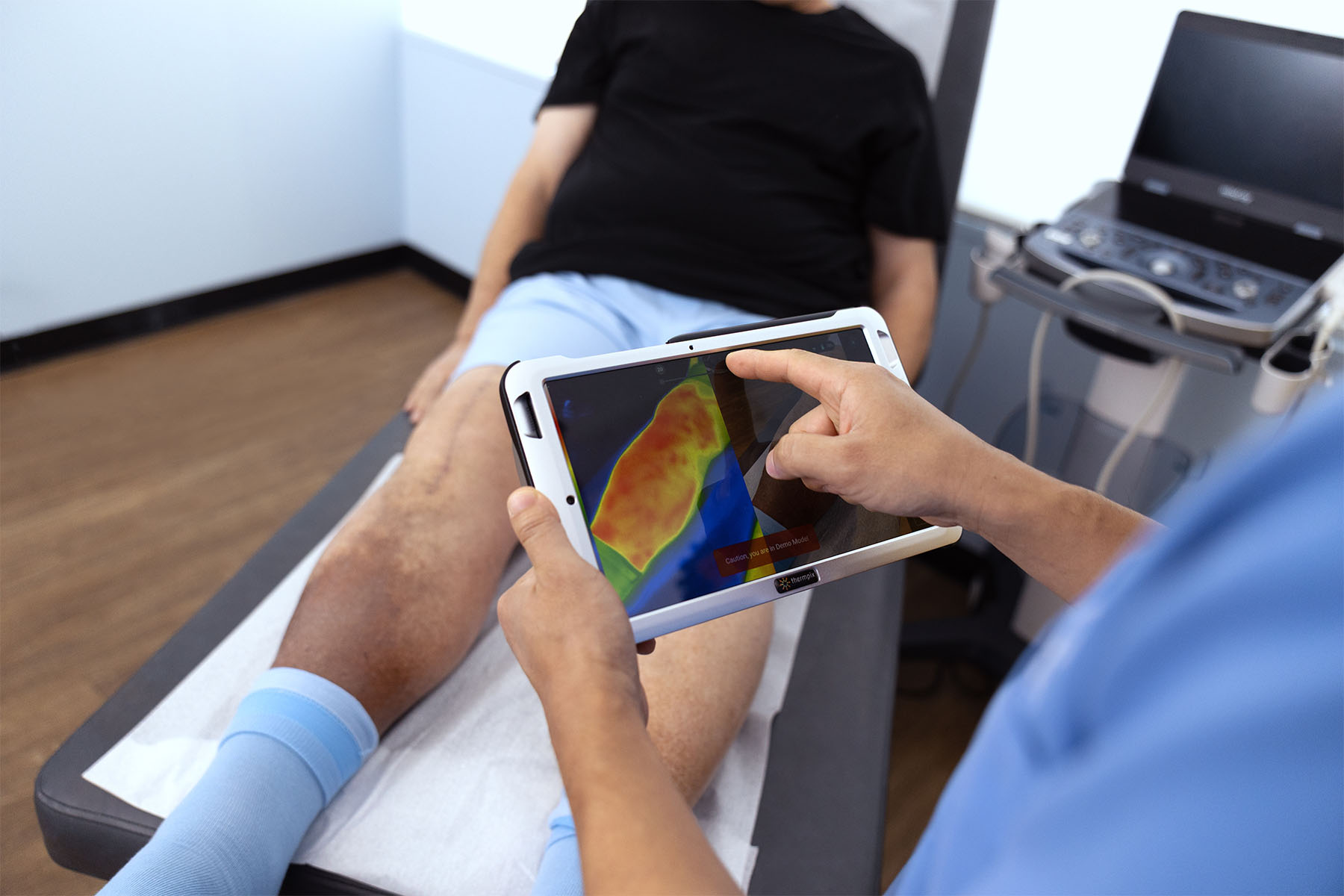
A modern vein treatment center will rely on duplex ultrasound vein diagnosis. This non-invasive diagnostic tool maps blood flow and pinpoints damaged valves or blockages that are causing your symptoms. The best practice is for the doctor, not a technician, to perform or directly supervise this diagnostic process.
Personalized Treatment Plans vs. One-Size-Fits-All Approach
Your vein anatomy is unique. A top clinic will offer a truly personalized treatment plan that may combine proven vein treatments, such as Endovenous Laser Ablation (EVLA) and Sclerotherapy, with other modern techniques tailored to your symptoms, anatomy, and lifestyle. Be wary of any clinic that recommends the same single treatment to every patient.
Step 4 – Look for a Clinic That Offers a Range of Modern, Minimally Invasive Treatments
Outdated surgical procedures, such as vein stripping, have been replaced by modern, minimally invasive treatment alternatives. The future of vein care is innovative vein treatments with short recovery times.
What Do “State-of-the-Art” Vein Treatments Mean in 2026
A modern clinic should offer a variety of FDA-approved, same-day outpatient procedures, such as:
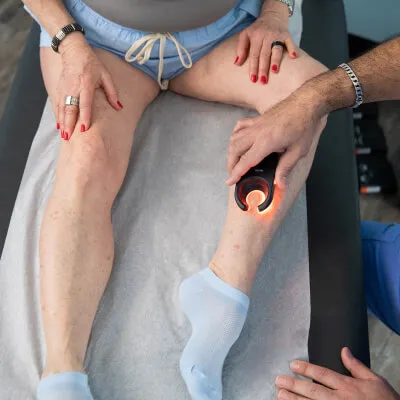
EVLT/EVLA & RFA (Radiofrequency Ablation): Minimally invasive, radio wave-based treatments for large, unhealthy varicose veins.
Excel V+ Laser treatments: A spider vein treatment using pulsed light from a laser.
VenaSeal®: A medical adhesive that closes the vein, often requiring no post-treatment compression garments or numbing injections.
Varithena®: A foam infusion causes the varicose vein to safely and gently close.
Microphlebectomy: A minimally invasive procedure done under local anesthetic that uses small incisions on problem areas to remove larger, twisted veins permanently.
ClariVein® & Mechanochemical Ablation: A catheter system that uses mechanical rotation and a solution to close the vein, minimizing heat and numbing injections.
Sclerotherapy: Injects a foam solution to close smaller varicose veins and spider veins.
Avoiding Outdated or Cosmetic-Only Approaches
The only way to successfully treat vein disease is with a medically approved vein treatment. We recommend avoiding any establishments that offer outdated therapies, such as vein stripping (also called vein ligation), an invasive vein surgery, or those that recommend unproven at-home vein treatment options, such as blue light therapy (aka blue light pens), at-home vein treatment creams, or essential oils.
Step 5 – Research Clinic Accreditation, Facility Standards & Safety
Look for a clinic with IAC Accreditation (Intersocietal Accreditation Commission). This is the highest standard for independent quality verification. To achieve this accreditation, a facility must demonstrate adherence to strict standards for vascular testing, patient safety, and clinical practice.
“Achieving and maintaining IAC Accreditation demonstrates our commitment to the highest safety standards and clinical excellence for every patient we see.”
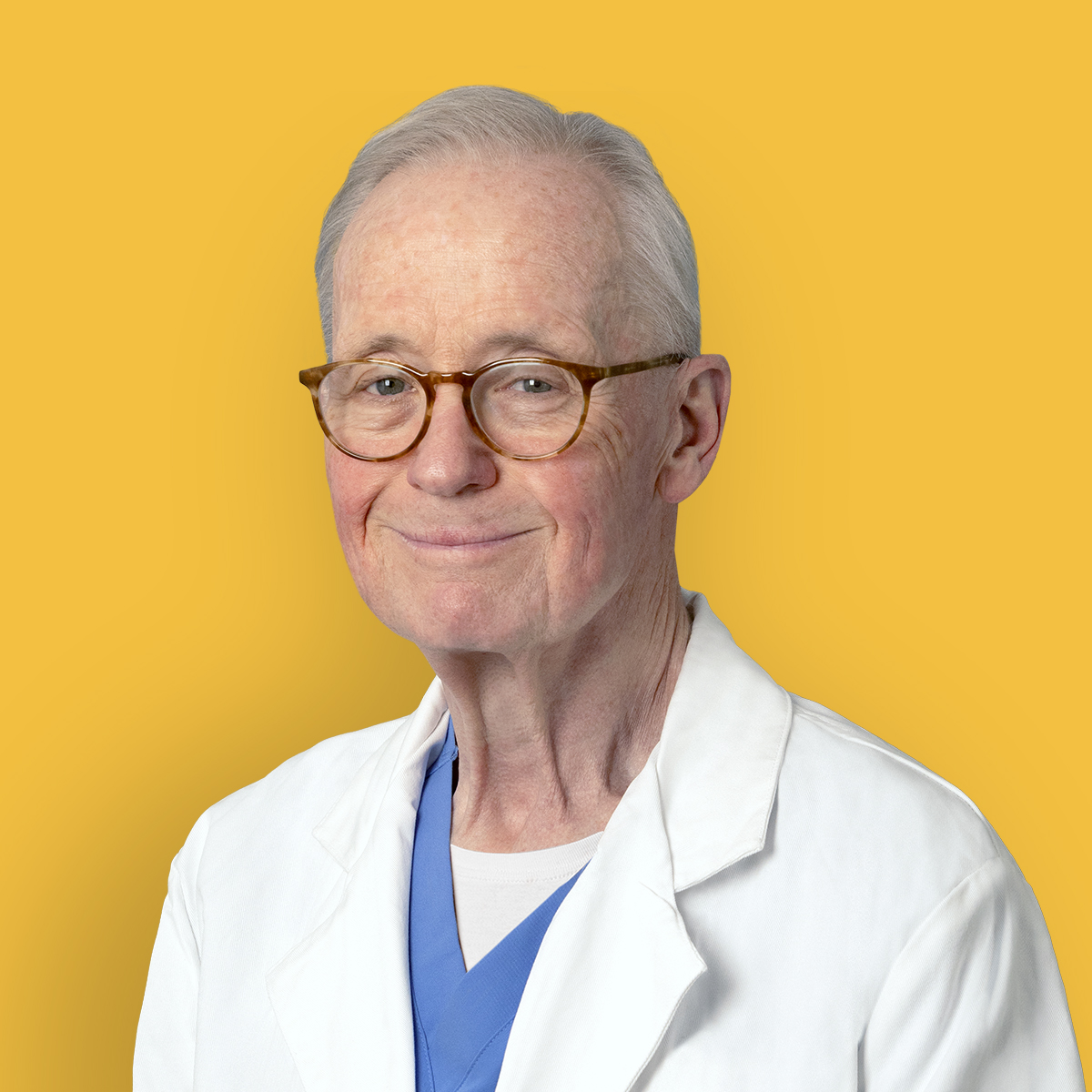
Dr. Philip LoPrestiBoard-Certified Surgeon and Vein Specialist in New York
Clean, Modern Facilities & Sterile Protocols
A clinic’s environment reflects its commitment to patient safety. Look for facilities that are clean, modern, and that follow sterile protocols. If you feel comfortable during your visit, that's already a great sign!
Real-life experiences provide lots of great information about a clinic's bedside manner and quality of care.
Reading Reviews: What to Look For
When reading reviews on platforms like Google or Healthgrades, look for patient experiences that highlight:
Noticeable, Effective Results: Patients discussing actual pain relief and visible improvement.
Compassionate & Knowledgeable Staff: Doctors who take the time to explain conditions and treatment options.
Excellent Follow-Up: A plan for post-treatment follow-up and care.
Online platforms such as Google, WebMD, and Healthgrades are great places to find diverse patient reviews. Additionally, it can be helpful to ask friends, family, or your primary care physician for recommendations.
The Patient Journey
Be on the lookout for testimonials that talk about a smooth process from consultation to treatment to post-procedure follow-up.
Vein treatment often requires two or three visits. Choosing a clinic with multiple locations or easy access (like the 60+ Metro Vein Centers nationwide) can save you time and hassle.
After-care: Compression, Monitoring, Post-Treatment Support
Ask about the specifics of post-treatment support. You should be provided with clear instructions, access to staff for questions, and a follow-up schedule to support your long-term success.
Step 9 – What to Ask at Your First Consultation - A Checklist)
Use this checklist to prepare yourself for your first appointment with a vein specialist:
Questions on Diagnosis & Treatment Options
Is my condition cosmetic or medical (CVI)?
Will you perform a duplex ultrasound?
How is the treatment tailored to my unique anatomy?
Questions on Risks, Recovery & Results
What is the recovery time for the recommended treatment?
What are your clinic’s complication rates for this procedure?
What is the chance of recurrence?
Questions on Cost/Insurance/Schedule
Do you accept my insurance plan?
What is the total out-of-pocket cost estimate?
How quickly can I be scheduled?
Step 10 – Red Flags: Clinics to Avoid
A smooth, professional consultation is a good first sign. Any of these common red flags should make you pause:
No Diagnostic Ultrasound: Treatment without proper diagnosis is guesswork.
Overly Cosmetic-Focused: Pushing aesthetic services when you have medical symptoms.
Pushy Sales Tactics: Pressuring you to book that day or sign up for expensive packages.
Outdated Treatment Methods: Recommending invasive procedures like vein stripping for routine varicose vein treatment.
How to Safely Exit a Consultation if You Feel Uncomfortable
It is your body and health, and you have every right to take time to decide. It’s perfectly appropriate to say, "Thank you for the information. I need time to review my insurance details and discuss this with my family before making a decision."
Your Next Steps Toward Healthier Legs
Choosing the best vein clinic in 2026 is a highly personal and important decision, but by following these steps, you can feel confident that your vein health is in the right hands.
At Metro Vein Centers’ nationally accredited vein clinics, we offer a full spectrum of minimally invasive vein treatments, led by our team of board-certified vein doctors. We are committed to a personalized, warm, and professional patient experience, from your free vein evaluation through complete after-care. Relief and healthy legs are just a call away!
Ready to take the next step?
Schedule your free evaluation with a board-certified vein doctor at one of our 60+ accredited locations nationwide. We accept 200+ insurance plans and are here to support your journey to wellness.
The most important certifications are the American Board of Venous and Lymphatic Medicine (ABVLM) and Registered Physician in Vascular Interpretation (RPVI). These indicate specialized, proven expertise in modern venous medicine.
The clinic should confirm that a duplex ultrasound is a required part of your initial comprehensive evaluation and that an RPVI-certified physician will interpret the results.
A modern clinic should offer a range including EVLT, RFA, VenaSeal, ClariVein, and Sclerotherapy. The right one is determined by a board-certified vein doctor based on your specific ultrasound findings and symptoms—not a pre-set clinic standard.
Ask them to run a benefits check and provide a written, up-front estimate of all costs (deductible, co-pay, cash price). A good chronic venous insufficiency clinic will be accustomed to working with insurance for medically necessary procedures.
Major red flags include recommending treatment without a prior ultrasound, pushing outdated invasive procedures (such as vein stripping), or not having a board-certified vein doctor on staff.
Chief Medical Officer
Dr. Philip LoPresti
Meet Dr. Philip LoPresti, DABVLM, FACS, a board-certified surgeon and vein specialist and surgeon with over 20 years of experience. Schedule an appointment with him in Queens, NY today.