Lymphedema is chronic swelling caused by impaired drainage of protein-rich fluid in the lymphatic system. Edema is a term for general fluid buildup in the body’s tissues from various underlying causes and is often temporary. Lipedema is a painful, chronic fat tissue disorder that affects almost exclusively women, and causes symmetrical swelling in the legs (and sometimes arms) that ends at the feet.
Understanding the difference between edema, lymphedema, and lipedema is central to getting an accurate diagnosis. Diagnosing and treating underlying vein issues, like chronic venous insufficiency (CVI), can also be an important step in managing leg swelling.
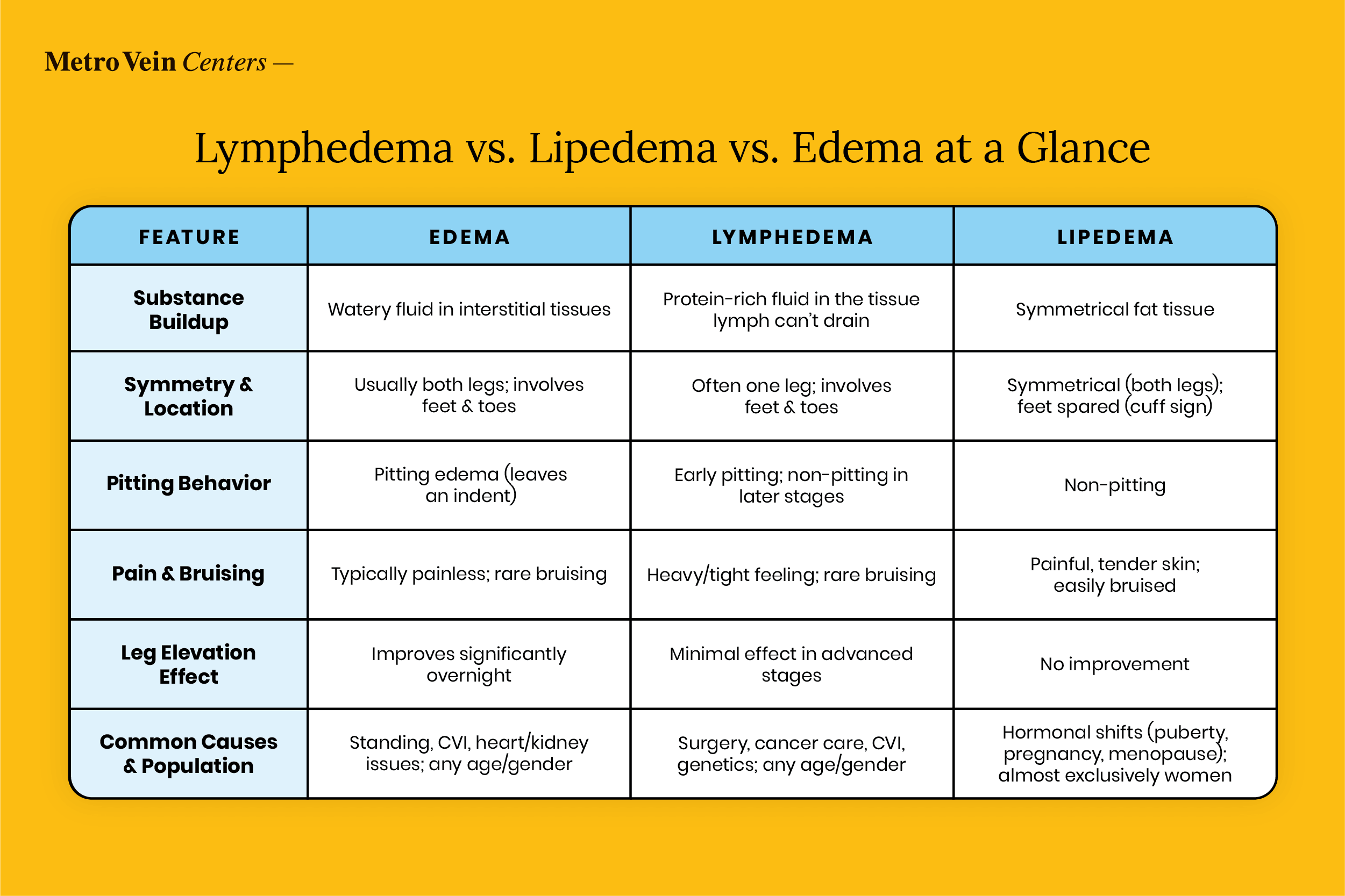
Lymphedema vs. Lipedema vs. Edema at a Glance
| Feature | Edema | Lymphedema | Lipedema |
|---|---|---|---|
| Substance Buildup | Watery fluid in interstitial tissues | Protein-rich fluid in the tissue lymph can’t drain | Symmetrical fat tissue |
| Symmetry & Location | Usually both legs; involves feet & toes | Often one leg; involves feet & toes | Symmetrical (both legs); feet spared (cuff sign) |
| Pitting Behavior | Pitting edema (leaves an indent) | Early pitting; non-pitting in later stages | Non-pitting |
| Pain & Bruising | Typically painless; rare bruising | Heavy/tight feeling; rare bruising | Painful, tender skin; easily bruised |
| Leg Elevation Effect | Improves significantly overnight | Minimal effect in advanced stages | No improvement |
| Common Causes & Population | Standing, CVI, heart/kidney issues; any age/gender | Surgery, cancer care, CVI, genetics; any age/gender | Hormonal shifts (puberty, pregnancy, menopause); almost exclusively women |
What Is Lymphedema?
Lymphedema is fluid retention and chronic swelling that develops when the lymphatic system can’t properly drain protein-rich fluid from the body’s tissues. Untreated venous disease is one reason why the lymphatic system can become overwhelmed, which can lead to secondary lymphedema.
Unlike temporary fluid retention, untreated lymphedema can lead to chronic inflammation, thickening of the skin (fibrosis), and tissue changes over time. Swelling typically starts in one leg or arm, and can extend down to the foot and toes.
The International Society of Lymphology (ISL) classifies lymphedema with a staging system based on severity, from Stage 0 to Stage 3. A simple test to check for lymphedema is called a Stemmer sign. To perform the test, you or an examiner will try to pinch and lift the skinfold at the base of your second toe or middle finger. If it’s possible to pinch and lift the skin, then the Stemmer’s sign is negative. If you are unable to, due to skin thickening, then the sign is positive. To confirm a diagnosis, a doctor may order lymphoscintigraphy, an imaging test that tracks a small amount of tracer injected under the skin to show how well lymph fluid moves through the lymphatic vessels.
Primary vs. Secondary Lymphedema
Primary lymphedema is a rare, genetic condition causing underdeveloped lymphatic vessels at birth, adolescence, or later in life. It can be inherited, or in many cases occurs sporadically.
Secondary lymphedema is the most common form of the condition, resulting from damage or blockage to lymph vessels or nodes due to surgery, radiation or cancer treatment, infection, trauma, or severe chronic venous insufficiency.
What Is Edema?
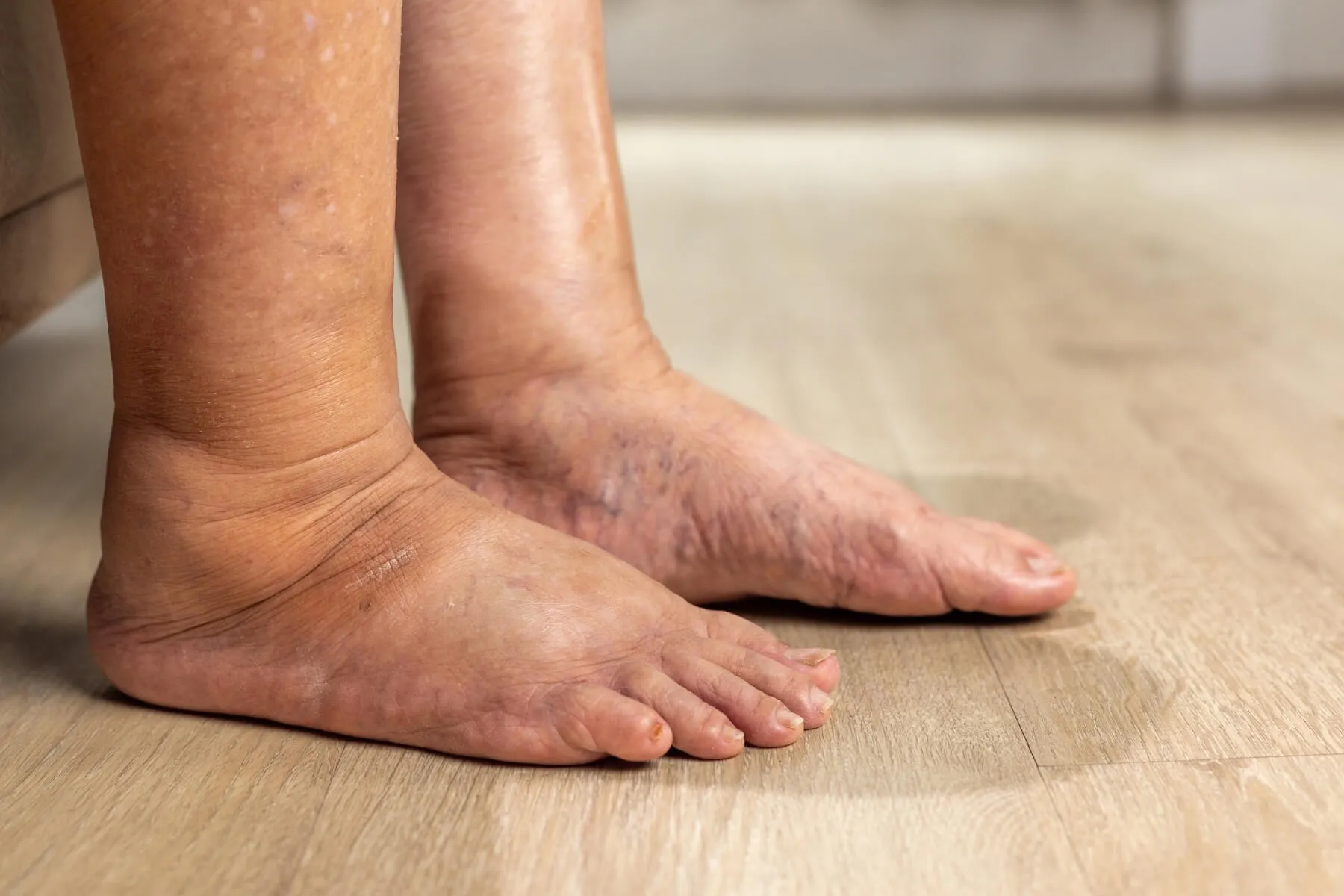
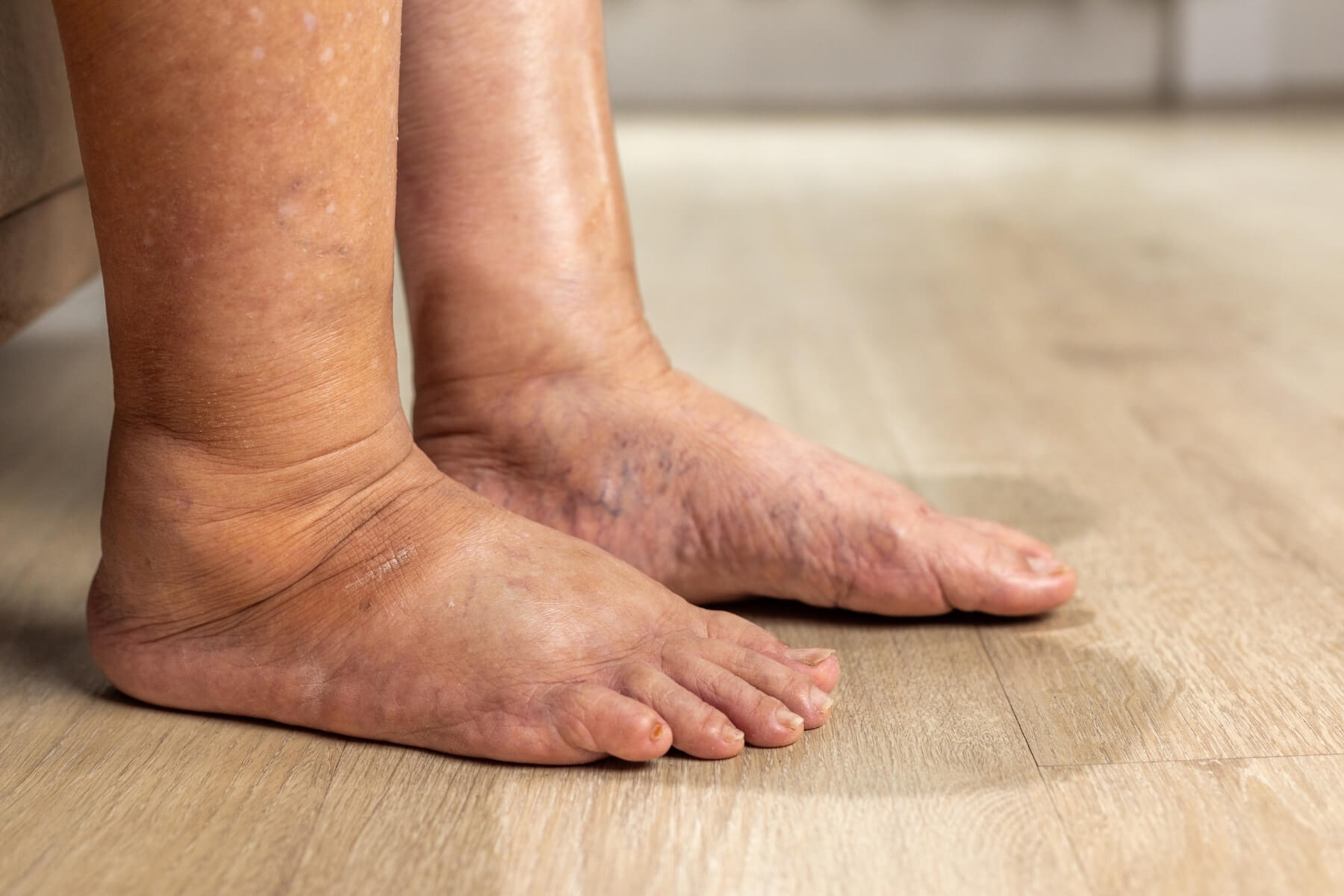
Edema is generalized swelling caused by the presence of excess fluid in the body. It commonly affects both legs and ankles symmetrically and can be confirmed by “pitting,” when pressing a finger into the swollen skin leaves a temporary dimple or indentation.
Common causes of leg edema include:
- Prolonged standing or sitting
- High heat and humidity
- Hormonal changes during pregnancy
- Side effects of specific medications
- Systemic medical conditions affecting the heart, kidneys, or liver
- Chronic venous insufficiency (CVI)
Temporary swelling from prolonged standing or heat often responds well to rest and elevation. However, sudden, severe, or single-sided leg swelling accompanied by pain should be evaluated immediately by a medical provider to rule out blood clots or deep vein thrombosis (DVT).
What Is Lipedema?
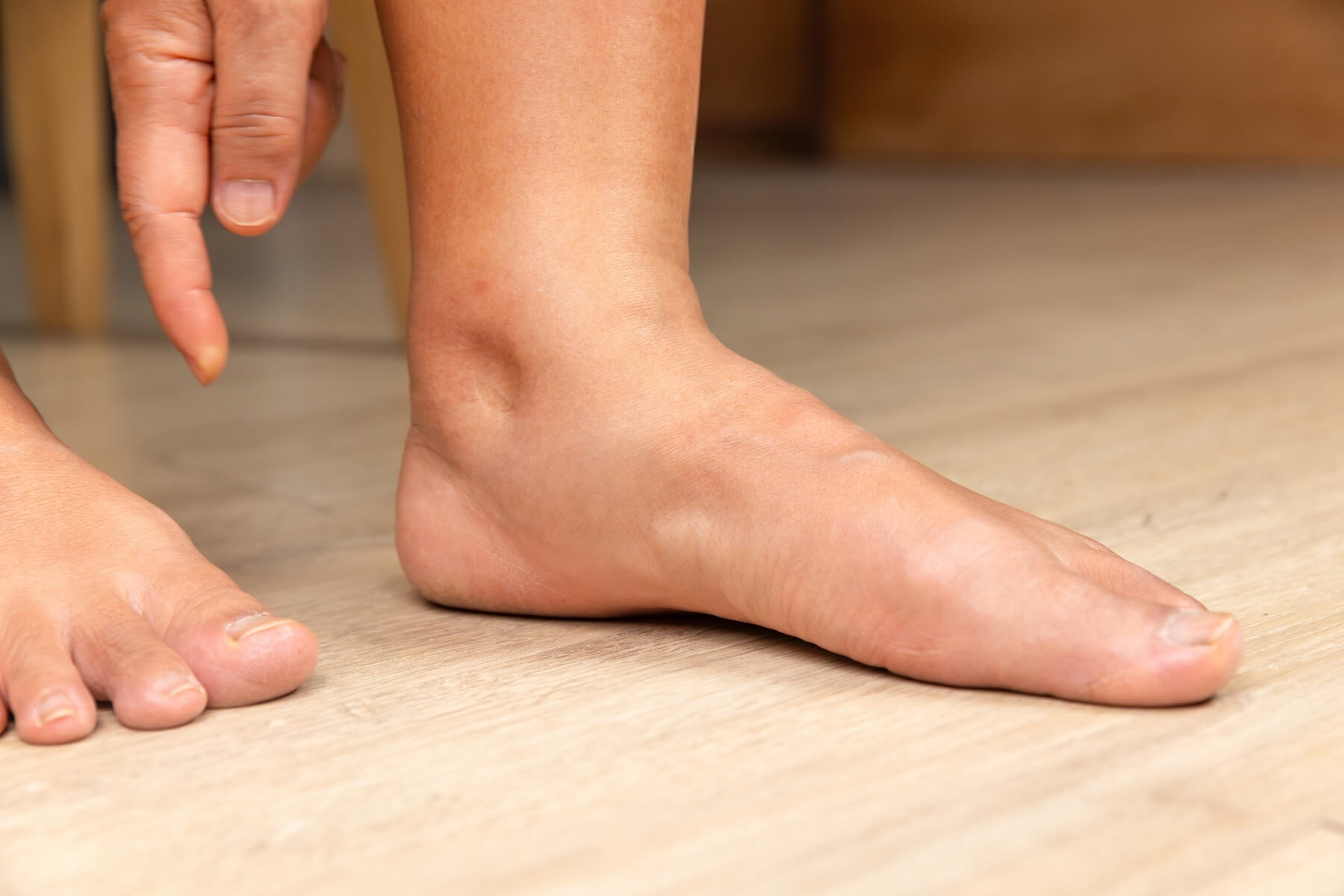
Lipedema is a chronic condition that causes abnormal fat accumulation in the lower body, almost exclusively affecting women. It is often triggered by a major hormonal shift like puberty, pregnancy, or menopause.
Unlike typical body fat that spreads throughout the body, lipedema fat is symmetrical, often painful to the touch, and is prone to easy bruising. A tell-tale sign of lipedema is that the swelling ends at the feet, creating a cuff-like appearance at the ankle. Lipedema fat is resistant to improvements in diet, exercise, or leg elevation. The condition is often mistaken for obesity or primary lymphedema.
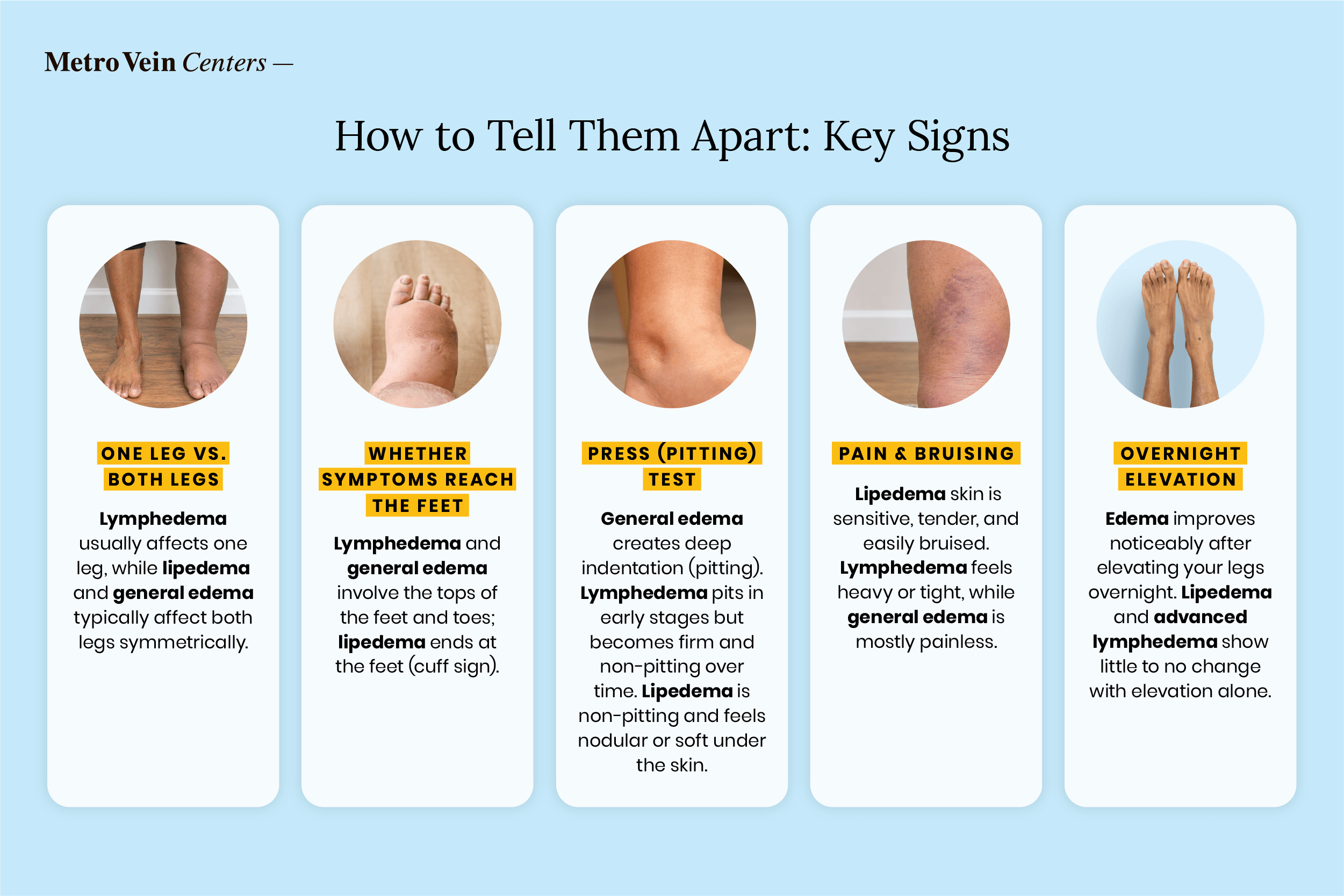
How to Tell Them Apart: Key Signs
One Leg vs. Both Legs – Lymphedema usually affects one leg, while lipedema and general edema typically affect both legs symmetrically.
Whether Symptoms Reach the Feet – Lymphedema and general edema involve the tops of the feet and toes; lipedema ends at the feet (cuff sign).
Press (Pitting) Test – General edema creates deep indentation (pitting). Lymphedema pits in early stages but becomes firm and non-pitting over time. Lipedema is non-pitting and feels nodular or soft under the skin.
Pain & Bruising – Lipedema skin is sensitive, tender, and easily bruised. Lymphedema feels heavy or tight, while general edema is mostly painless.
Overnight Elevation – Edema improves noticeably after elevating your legs overnight. Lipedema and advanced lymphedema show little to no change with elevation alone.
Because of overlapping health and venous conditions, an evaluation by a vein specialist or other healthcare provider is essential to ensure an accurate diagnosis.
Can Vein Disease Play a Role?
Yes, venous disease can lead to chronic swelling. When vein valves fail as a result of CVI, blood pools in the lower legs, increasing pressure and forcing fluid into surrounding tissues.
Over time, this concentration of fluid taxes the lymphatic network. When the lymphatic system can no longer handle the volume, it develops into phlebolymphedema, a form of lymphedema. Venous disease can also occur with lipedema, worsening leg aching and swelling.
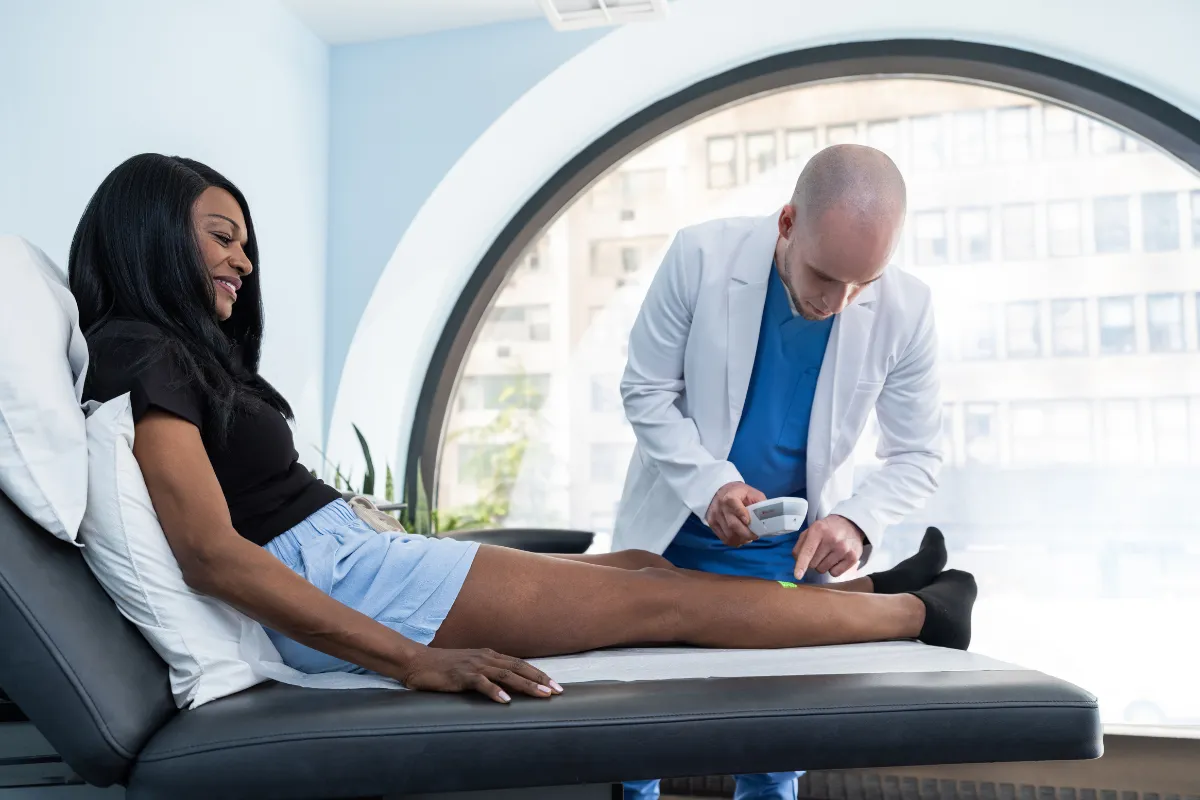
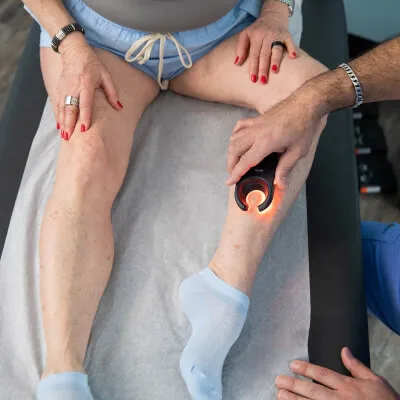
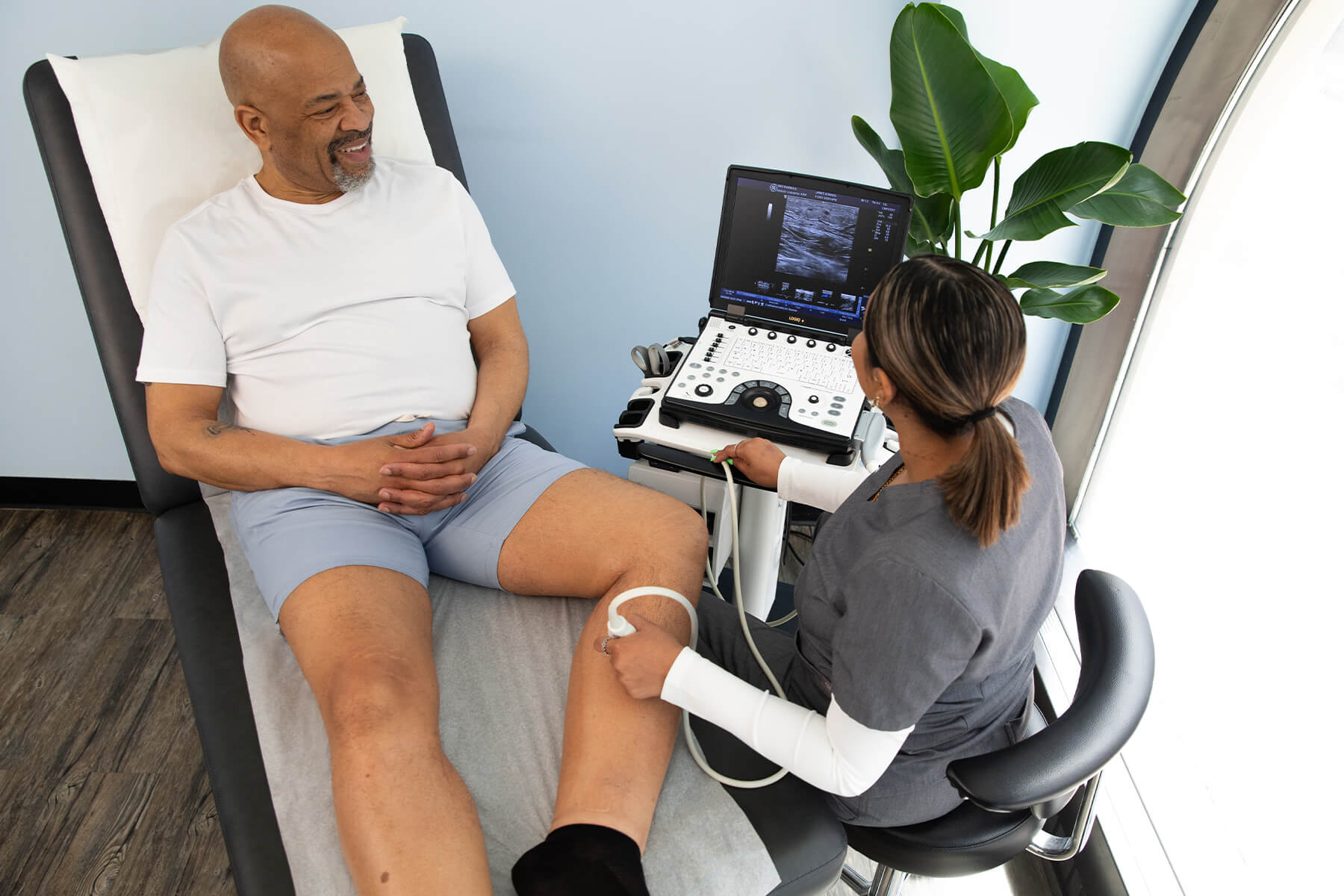
Vein specialists can assess venous function, fluid retention, and circulation with a non-invasive duplex ultrasound. You can read more about the link between varicose veins and lymphedema in our guide on lymphedema vs. venous insufficiency.
Treatment Options for Each Condition
General Edema Treatment
Edema treatment is focused on treating the underlying root cause (e.g., managing vein disease, adjusting medications, or salt intake), as well as leg elevation, exercise, and medical-grade compression stockings.

Lymphedema Treatment
Treatment of lymphedema is often managed through Complete Decongestive Therapy (CDT) provided by a certified lymphatic therapist. CDT combines manual lymphatic drainage (MLD) massage, multi-layer compression wraps, targeted exercises, and rigorous skin care to prevent infections.
Lipedema Treatment
Lipedema treatment usually involves symptom management with compression therapy to ease pain and prevent secondary fluid buildup, low-impact exercise (such as swimming), surgical options, and guidance from specialized clinical care teams.
When to See a Vein Specialist
You should seek an evaluation with a vein specialist if you experience:
- Persistent leg swelling accompanied by visible varicose veins or spider veins
- Chronic leg heaviness, aching, or fatigue that worsens by the end of the day
- Skin discoloration, inflammation, or hardening near the ankles
- Swelling that does not resolve after elevating your legs overnight
Note: Sudden, severe swelling in one leg, especially when accompanied by pain, redness, or sudden shortness of breath, requires emergency medical attention.
Frequently Asked Questions
Yes. As lipedema progresses into later stages, the accumulation of fat tissue can compress nearby lymph vessels, restricting lymphatic fluid flow. This combined presentation is known as lipo-lymphedema.
No, lipedema itself does not transform into lymphedema, but advanced lipedema fat deposition can damage or obstruct the lymphatic system, giving rise to secondary lymphedema (lipo-lymphedema).
No. General edema is the buildup of watery fluid in tissue spaces from various temporary or systemic causes. Lymphedema is a chronic disorder specifically caused by damaged or blocked lymphatic channels accumulating protein-rich fluid.
Yes, medical-grade compression garments assist fluid movement and reduce swelling in all three conditions. However, the compression level, garment type, and application method differ, so medical guidance is recommended.
A physician usually diagnoses lymphedema or lipedema with a physical exam and medical history, and lymphedema may be confirmed with lymphoscintigraphy. Since vein disease can also cause leg swelling, a vein specialist can check for it with a duplex ultrasound and help guide next steps.
References
Ashforth, Karen. “Identifying Fibrosis in Every Stage of Lymphedema.” Lymphatic Education & Research Network. https://lymphaticnetwork.org/news-events/identifying-fibrosis-in-every-stage-of-lymphedema.
Ashforth, Karen. “Understanding Lower Extremity Phlebolymphedema Fibrosis.” Lymphatic Education & Research Network, June 15, 2019. https://lymphaticnetwork.org/news-events/understanding-lower-extremity-phlebolymphedema-fibrosis.
Cleveland Clinic. “Lipedema: Symptoms, Causes, & Treatment.” Cleveland Clinic Health Library. https://my.clevelandclinic.org/health/diseases/17175-lipedema.
Cleveland Clinic. “Lymphedema: Symptoms, Causes, & Treatment.” Cleveland Clinic Health Library. https://my.clevelandclinic.org/health/diseases/8353-lymphedema.
Goss, Jeremy A., and Arin K. Greene. “Sensitivity and Specificity of the Stemmer Sign for Lymphedema: A Clinical Lymphoscintigraphic Study.” Plastic and Reconstructive Surgery – Global Open, vol. 7, no. 6, 2019, p. e2295. https://doi.org/10.1097/gox.0000000000002295.
Greene, Arin K., and Jeremy A. Goss. “Diagnosis and Staging of Lymphedema.” Seminars in Plastic Surgery, vol. 32, no. 1, Feb. 2018, pp. 12–16. https://doi.org/10.1055/s-0038-1635117.
National Lymphedema Network. “Lymphedema Therapy: Complete Decongestive Therapy (CDT).” 2026. https://lymphnet.org/education/lymphedema-therapy/.

Dr. Philip LoPresti
Meet Dr. Philip LoPresti, DABVLM, FACS, a board-certified surgeon and vein specialist and surgeon with over 20 years of experience. Schedule an appointment with him in Queens, NY today.
Meet Dr. Philip LoPresti
Trusted insight from the nationally accredited, board-certified vein doctors at Metro Vein Centers.