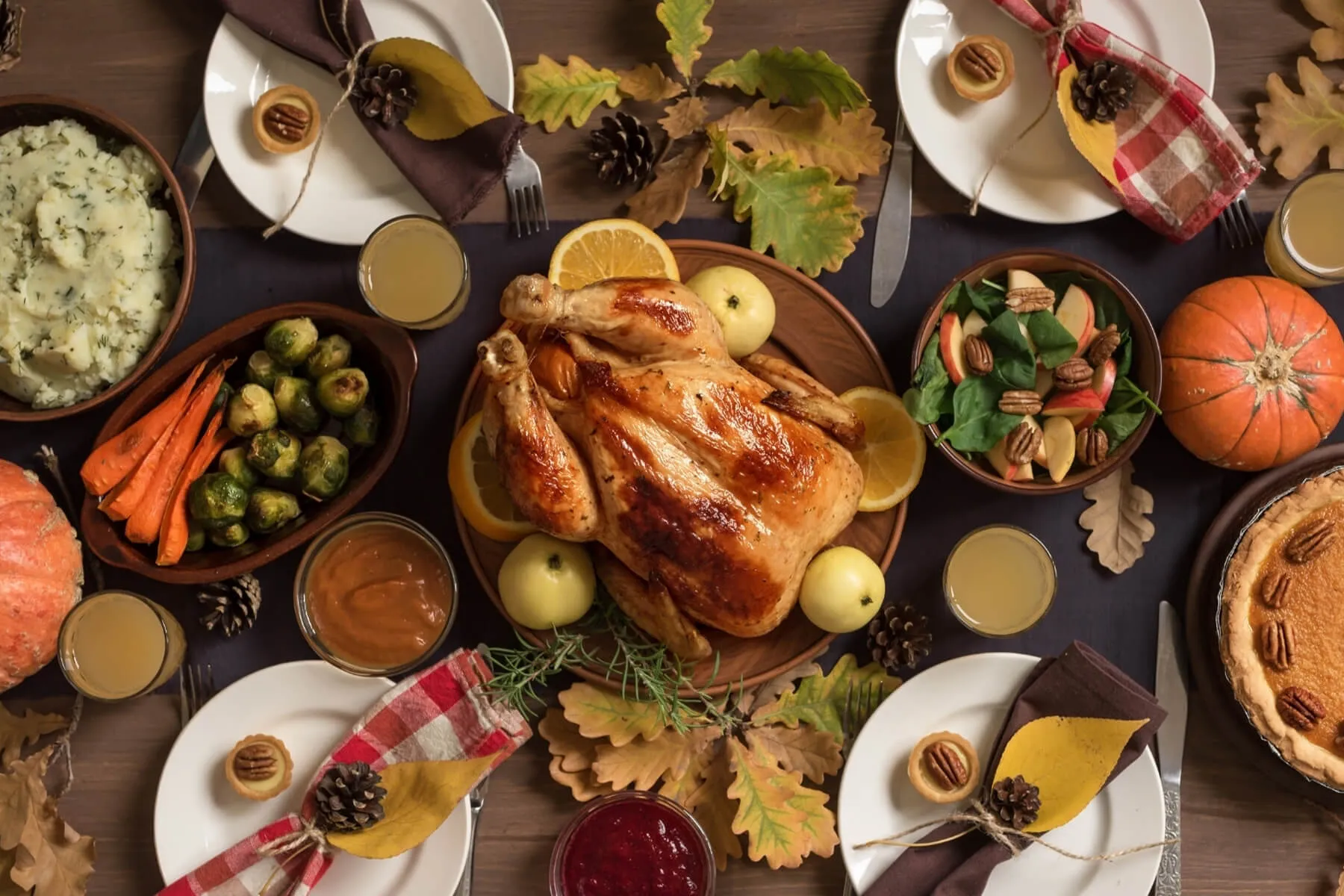
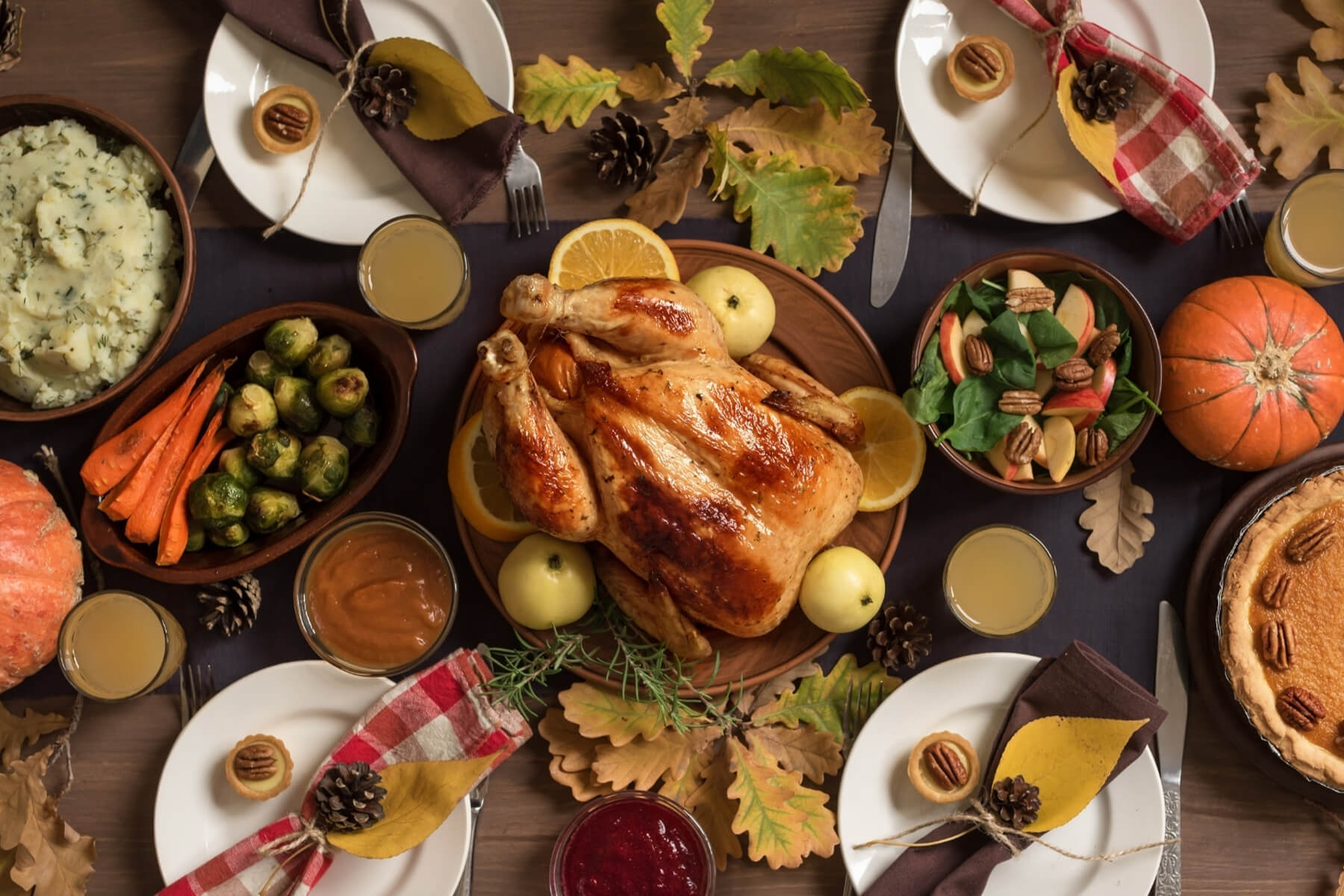
A vein-friendly Thanksgiving starts with foods that support vein health: colorful fall produce like pumpkin, sweet potatoes, cranberries, and Brussels sprouts, plus lean turkey and less salt on your plate.
These tasty swaps boost your fiber and potassium intake while cutting sodium, helping support healthy circulation. Remember, while a nutrient-packed diet can support vein health, nutrition alone can’t treat vein disease.

What Makes a Thanksgiving Dish Vein-Friendly?
Building a Thanksgiving menu that promotes vein health comes down to three nutritional focus areas:
- Fiber: Most Americans eat only about 15 grams of fiber daily, well below the recommended 25–35 grams. High-fiber foods keep your digestive system running smoothly. Staying regular prevents constipation and extra abdominal pressure that can strain your leg veins.
- Potassium: Nutrient-dense choices like winter squash, potatoes, spinach, and beans are packed with potassium. Potassium helps balance fluid levels in your body and supports healthy blood flow.
- Lower Sodium: With the Daily Value for sodium set under 2,300 mg, it’s easy to go overboard—especially since over 70% of dietary sodium comes from packaged and prepared foods. Salty side dishes can really add up, encouraging fluid retention, puffy ankles, and fatigue by the end of the night.
Pair smart nutrition with simple daily habits like staying active with the best exercises for vein health and keeping a healthy weight, and your body will thank you all season long.
Healthy Thanksgiving Sides
Roasted Sweet Potatoes with Cinnamon and Walnuts
Sweet potatoes are naturally flavorful and taste even better when roasted with warm autumn spices and topped with crunchy toasted walnuts. This dish satisfies your sweet tooth without adding extra sugar.
Ingredients: Sweet potatoes, olive oil, ground cinnamon, nutmeg, toasted walnuts.
The swap: Skip the marshmallow topping and brown sugar, and use spices and nuts instead.
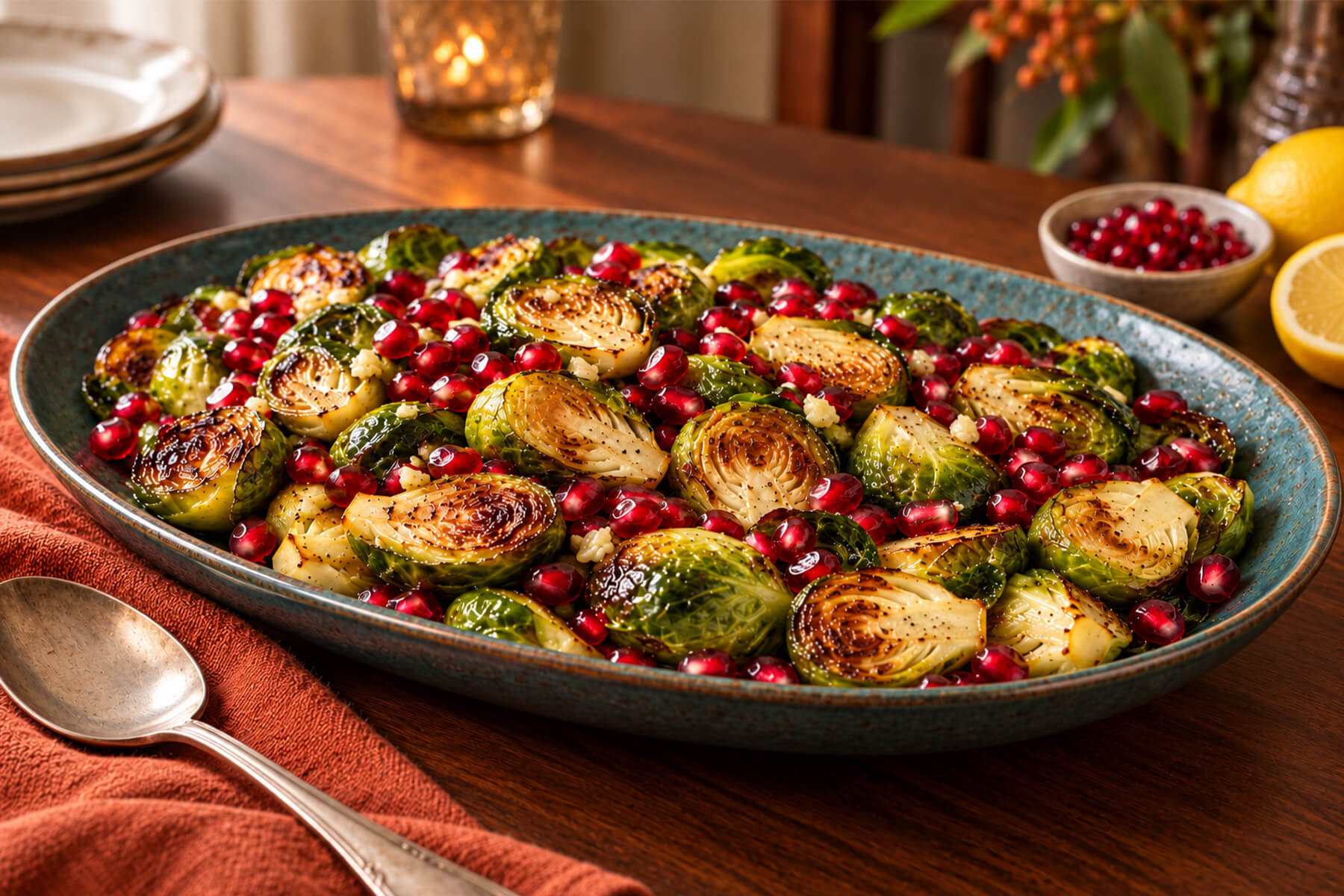
Roasted Brussels Sprouts with Pomegranate
Crispy roasted Brussels sprouts with pomegranate seeds offer a bright pop of color, crunch, and antioxidants for your Thanksgiving table.
Ingredients: Brussels sprouts, olive oil, minced garlic, fresh lemon juice, pomegranate arils, black pepper.
The swap: Enhance the flavor with fresh lemon juice and garlic instead of heavy bacon and extra salt.
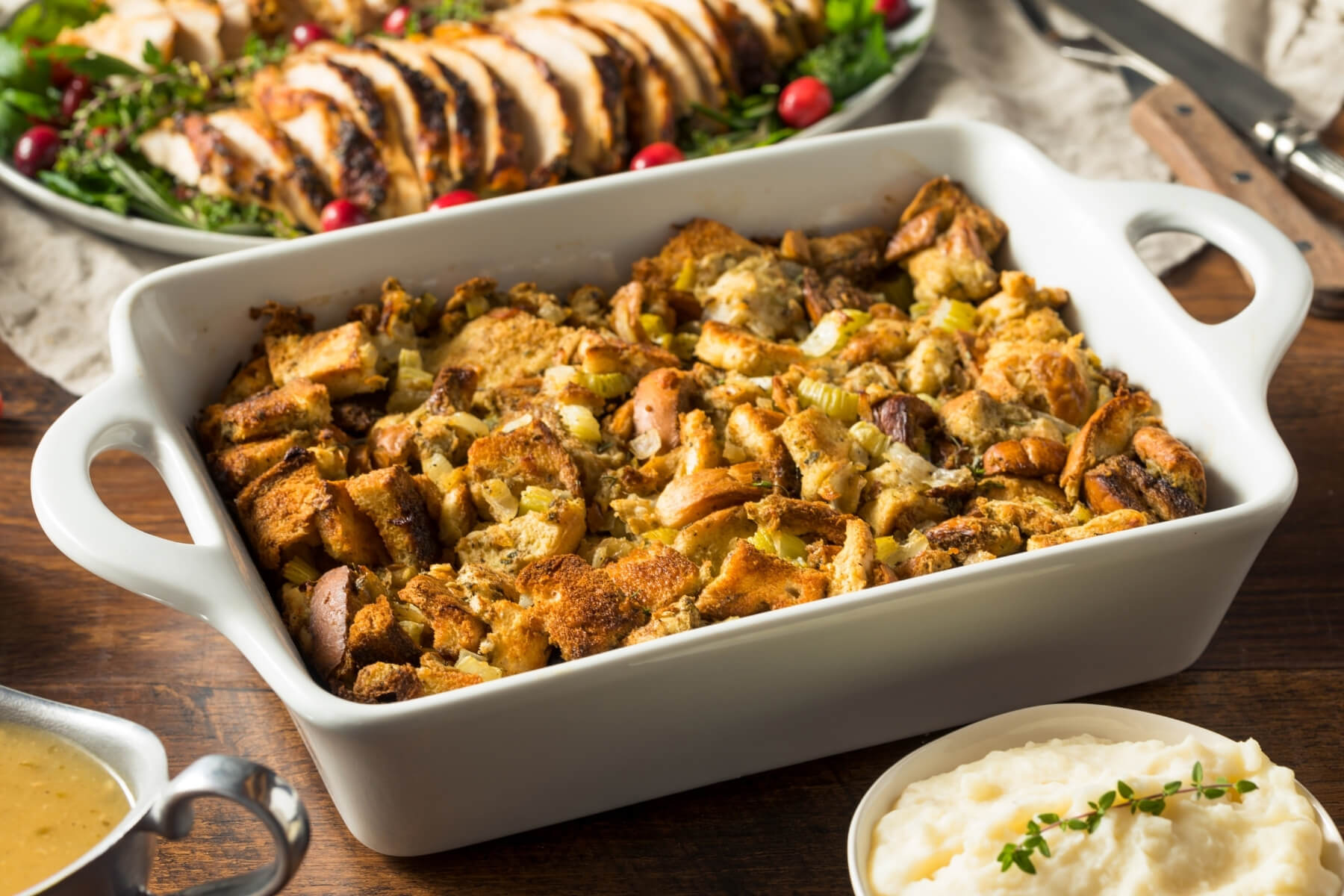
Whole-Grain Herb Stuffing
Enjoy all the traditional savory herbs of Thanksgiving stuffing with a fiber-rich twist.
Ingredients: Whole-grain or sprouted bread cubes, diced celery and onions, fresh sage, thyme, low-sodium vegetable or chicken broth, olive oil.
The swap: Trade refined white bread for whole-grain bread to boost fiber, and moisten with low-sodium broth.
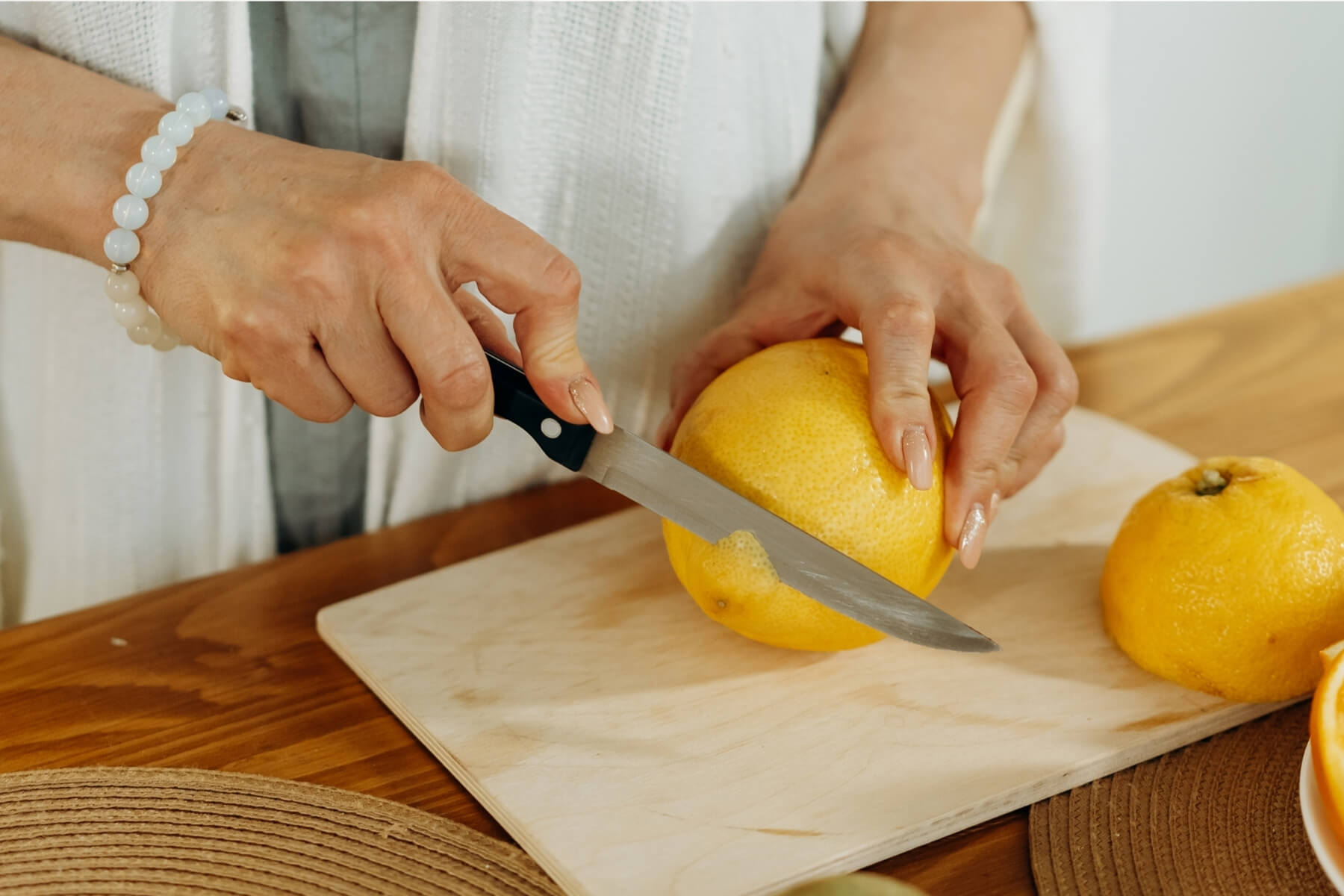
Fresh Cranberry-Orange Relish
Count on this zesty relish to add tart sweetness and a serving of vitamin C to your feast.
Ingredients: Fresh cranberries, fresh orange zest and juice, a touch of honey, chopped pecans (optional).
The swap: Replace high-fructose canned cranberry sauce with fresh fruit lightly simmered with a touch of honey.
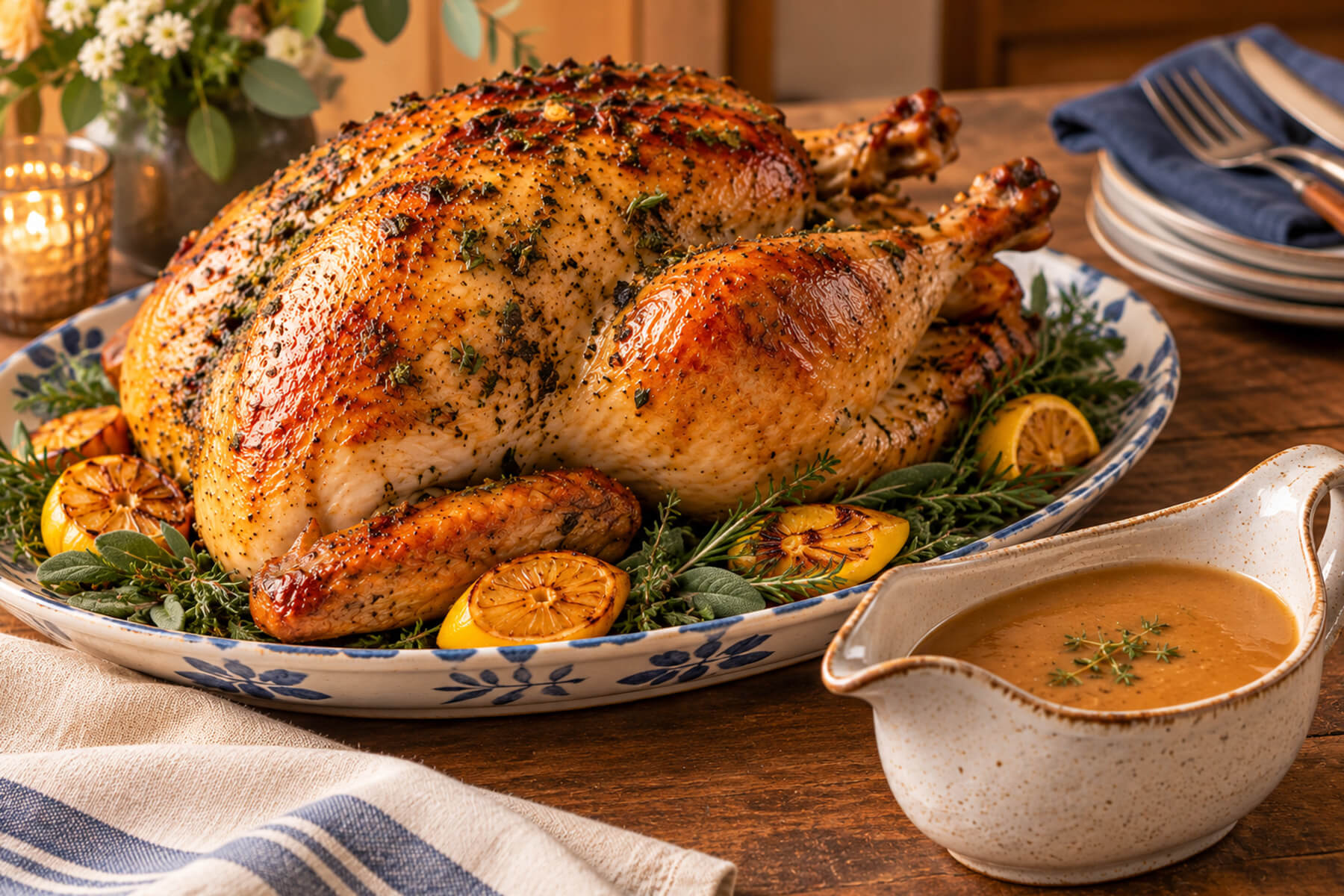
Herb-Roasted Turkey and Low-Sodium Gravy
Turkey breast is a great source of lean protein that helps keep you feeling full without adding excess saturated fat. To keep sodium in check, season your bird with fresh rosemary, sage, minced garlic, lemon zest, and freshly cracked black pepper instead of a high-salt brine.
Label tip: Always check the packaging on raw poultry, as some store-bought turkeys are pre-treated or injected with added salt water or broth.
For a delicious low-sodium gravy, skim the fat from your pan drippings, whisk in a little whole-wheat or all-purpose flour, and slowly add unsalted turkey or vegetable stock. Simmer with fresh herbs, and taste before reaching for the salt shaker.
Healthy Pumpkin Recipes for Dessert
Lighter Pumpkin Pie
You don’t have to skip pumpkin pie to keep things light! Pumpkin is a nutritious winter squash packed with fiber and potassium. With a few quick adjustments, you can still enjoy this holiday classic dessert with fewer calories.
The swap: Use pure canned pumpkin puree (not pre-sweetened pie filling), egg whites or whole eggs, low-fat milk or almond milk, warm pie spices, oat-and-nut crust.
Holiday Habits That Help Your Veins
Eating well is just one piece of the puzzle. Help keep your legs feeling light and lean with these daily circulation boosters:
- Take a post-dinner stroll: A relaxed walk after eating engages your calf muscles, which act as natural pumps to move blood back up toward your heart. Learn more about exercise and vein health.
- Hydrate often: Sip water between festive drinks, and ease up on alcohol and overly salty party snacks.
- Put your feet up: Elevate your legs above heart level after dinner to relieve pressure while unwinding on the couch.
- Take care while traveling: If you're driving or flying, take breaks to stretch or walk every hour or two, and wear compression socks to help prevent blood clots.

When to See a Vein Specialist
Healthy lifestyle changes can support overall circulation, but diet and exercise alone cannot reverse existing varicose veins or chronic venous insufficiency.
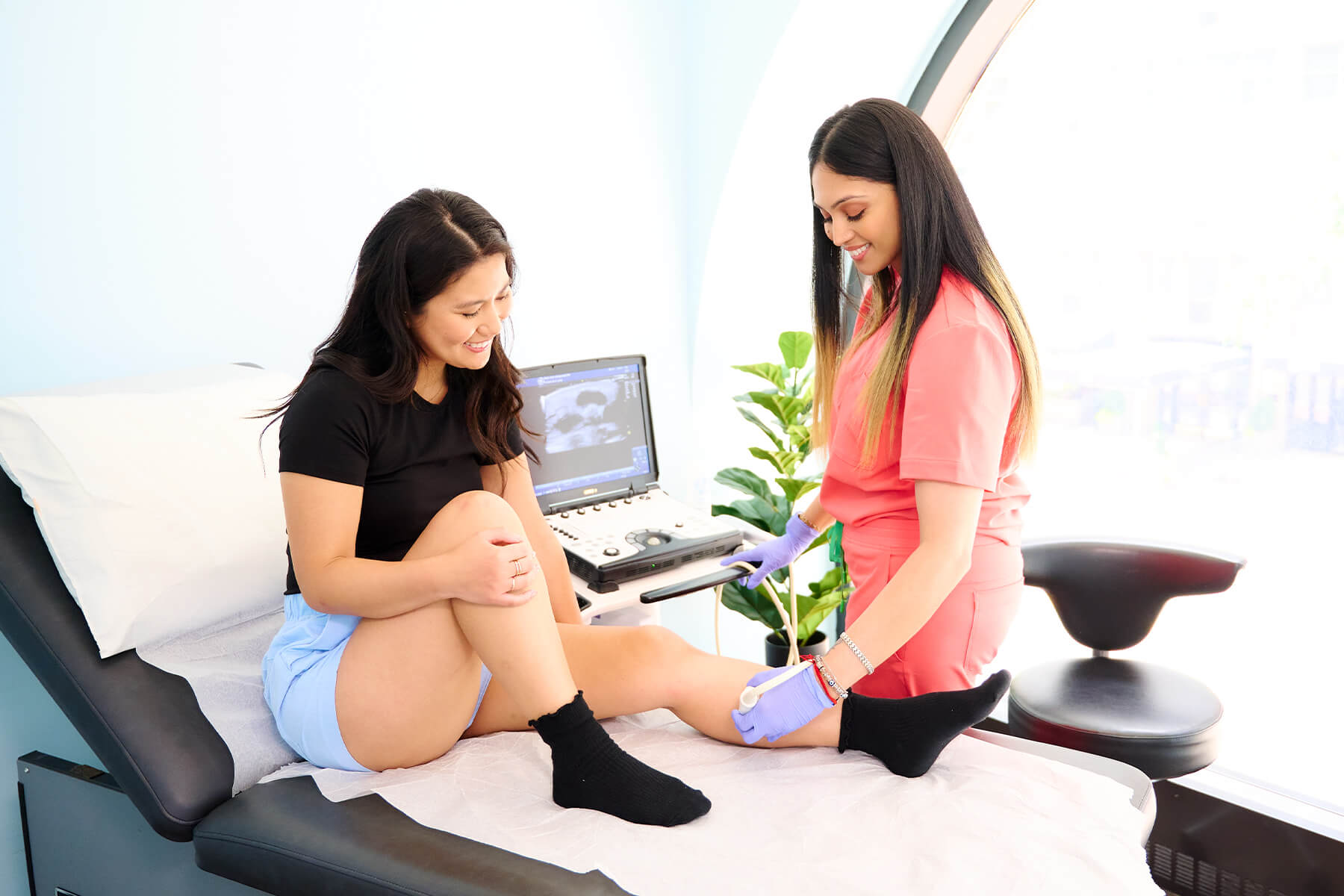
If your legs frequently ache, swell, feel heavy or tired, or if you notice bulging veins, it may be time for a professional medical evaluation. Take our quick vein health quiz to check your symptoms, or schedule your free vein evaluation with a Metro Vein Centers specialist today!
Frequently Asked Questions
Yes! Pumpkin is a winter squash rich in fiber and potassium, both of which support healthy blood pressure and overall circulation. However, eating pumpkin or pumpkin-based dishes will not cure or treat underlying vein disease.
Yes, high-sodium meals can make your body retain excess fluid, which often pools in the lower legs and ankles and can cause temporary swelling and puffiness. While occasional heavy meals can cause temporary bloating, frequent swelling is a sign to consult with a vein specialist.
If you experience sudden swelling in just one leg accompanied by pain, warmth, or redness, seek prompt medical attention, as this could indicate a deep vein blood clot (DVT).
No. While a balanced, fiber-rich, low-salt diet supports vascular wellness and reduces uncomfortable pressure, it can't repair damaged vein valves or eliminate varicose veins. A qualified vein specialist can explain your options and recommend the best treatment for you.
Healthy Thanksgiving sides include roasted vegetables, whole-grain and low-sodium options, and fresh ingredients made with real fruit.
References
- Harvard T.H. Chan School of Public Health. Fiber. The Nutrition Source. https://nutritionsource.hsph.harvard.edu/carbohydrates/fiber/
- National Institutes of Health, Office of Dietary Supplements. Potassium: Fact Sheet for Consumers. https://ods.od.nih.gov/factsheets/Potassium-Consumer/
- U.S. Food and Drug Administration. Sodium in Your Diet. https://www.fda.gov/food/nutrition-education-resources-materials/sodium-your-diet
- Mayo Clinic. Edema. https://www.mayoclinic.org/diseases-conditions/edema/symptoms-causes/syc-20366493

Dr. Philip LoPresti
Meet Dr. Philip LoPresti, DABVLM, FACS, a board-certified surgeon and vein specialist and surgeon with over 20 years of experience. Schedule an appointment with him in Queens, NY today.
Meet Dr. Philip LoPresti
Trusted insight from the nationally accredited, board-certified vein doctors at Metro Vein Centers.