The right vein treatment depends on your specific symptoms, an ultrasound diagnosis, your vein anatomy and severity, your personal lifestyle priorities, and a vein specialist’s recommendation.
There is no single "best" vein treatment that fits everyone. In this guide, we’ll explore the best vein treatment options available and help you decide which one is best for you.
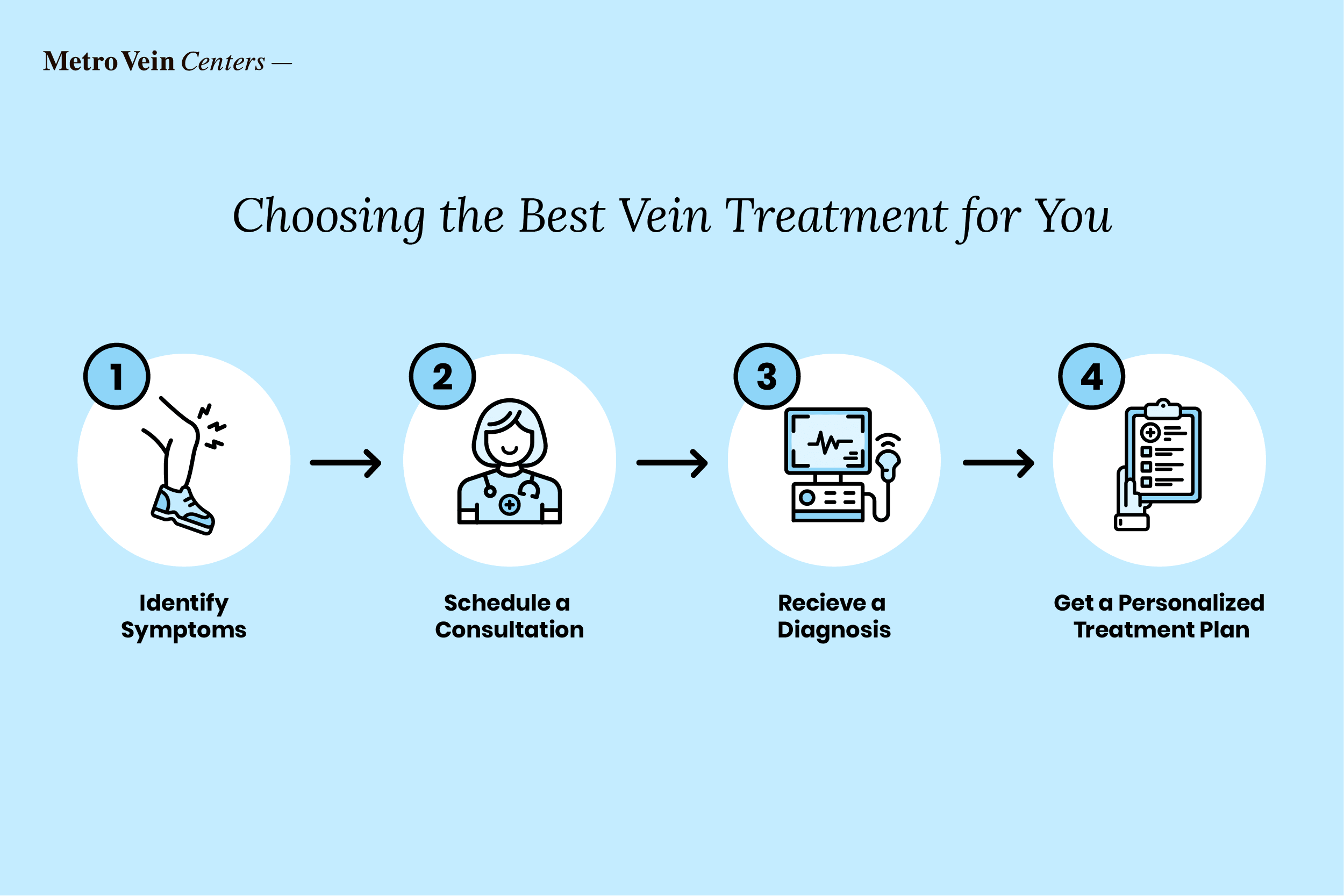
Step 1 – Start With Your Symptoms and Goals
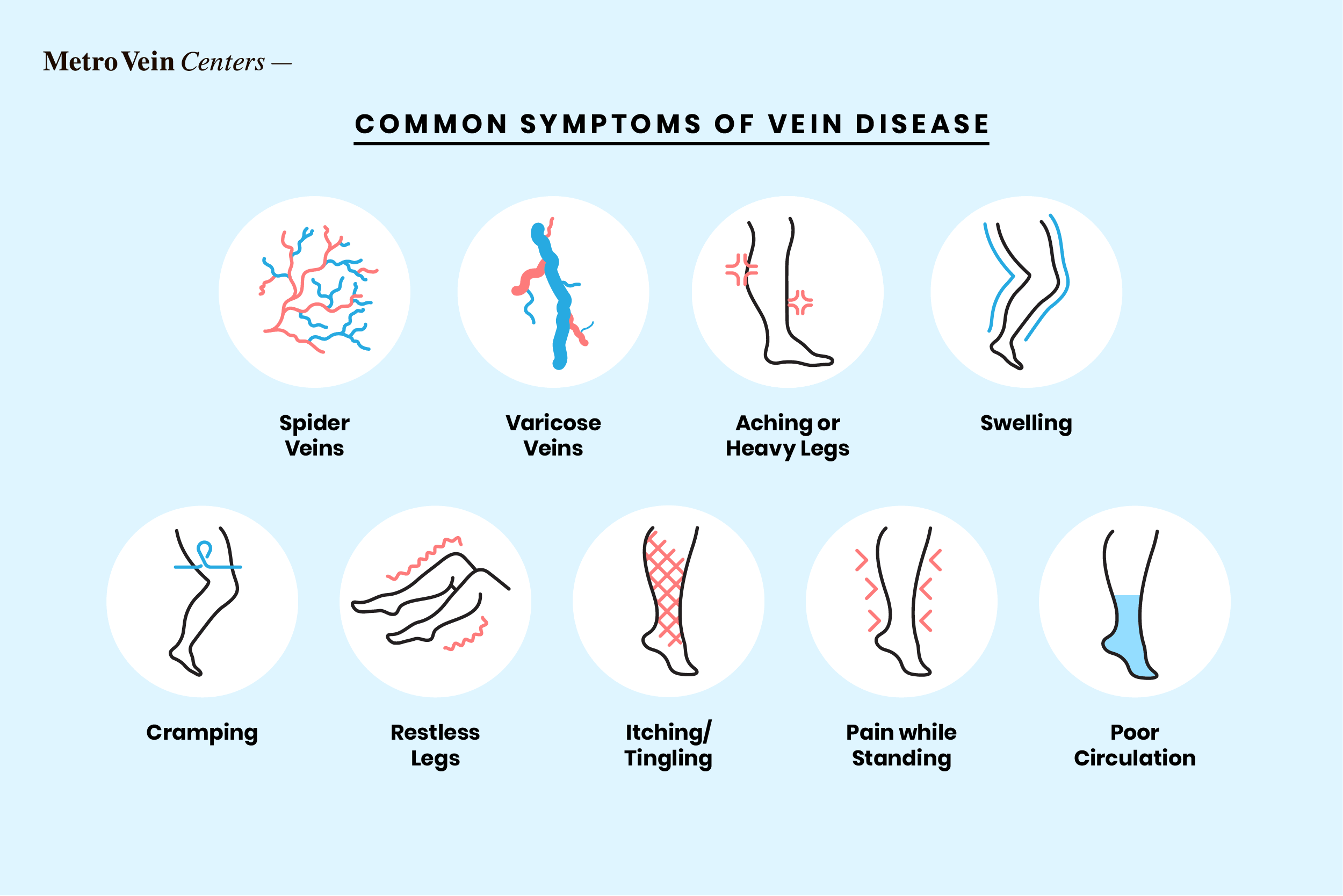
Before looking at treatment options, identify what is driving you to seek care. Are you mainly concerned about visible spider veins or bulging varicose veins, or are other common symptoms of vein disease affecting your daily routine? These can include:
- Aching or heavy legs
- Swelling
- Cramping
- Restless Legs
- Itching/Tingling
- Pain while standing
- Poor circulation
Many patients experience a mix of both cosmetic and medical symptoms or concerns.
Cosmetic Concerns vs. Underlying Vein Disease
Visible vein changes are often the surface-level symptom of an underlying condition called chronic venous insufficiency (CVI), also called venous reflux or vein disease. When internal vein valves fail, blood pools downward rather than flowing efficiently back to the heart. A vein specialist can help determine whether your symptoms are purely cosmetic or are linked to an underlying condition, helping to ensure you get the right vein treatment plan.
Step 2 – Get a Proper Diagnosis Before Deciding on Treatment
Unfortunately, you can’t choose a vein treatment by looking in the mirror or comparing notes with someone else. A proper treatment plan relies on an accurate assessment of what is happening under the skin.
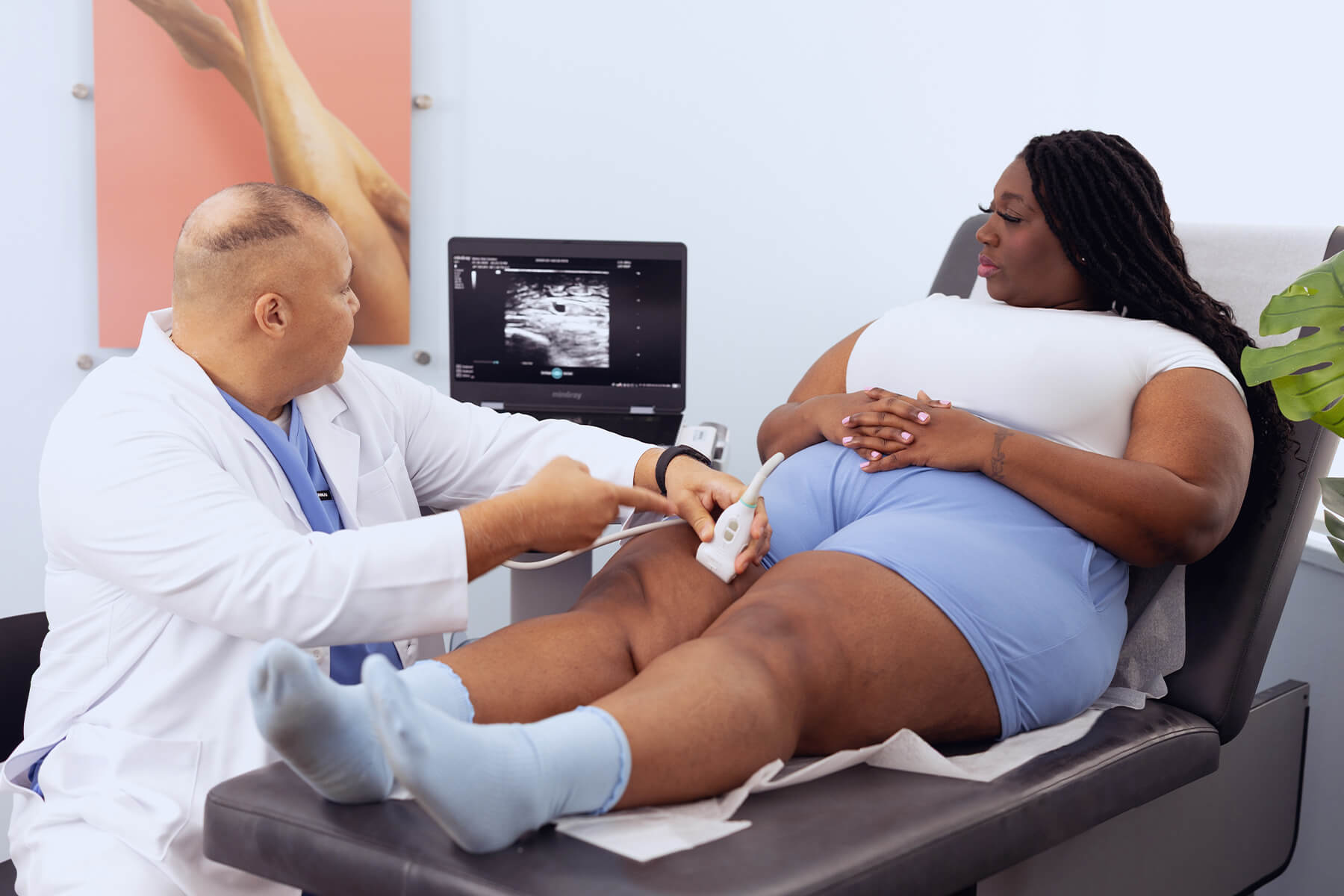
A vein doctor will likely perform a duplex ultrasound evaluation, a non-invasive imaging test that measures blood flow direction and pinpoints exactly where veins are failing. For a walkthrough of what happens during your evaluation, read our guide on what to expect at your appointment with a vein specialist.
Step 3 – Understand How Your Vein Anatomy Shapes Your Options
Your vein size, depth, location, and the severity of any vein issues are key factors in determining which treatment options are viable for you.
Smaller, surface-level veins, like spider veins or small reticular veins, sit close to the skin and are typically treated with targeted local options. Larger, bulging veins or deeper venous reflux may require procedures that seal larger, deeper vessels to redirect blood flow to healthy veins.
For a detailed overview of each treatment and how they work, refer to our post on the best varicose vein treatment options.
Step 4 – Weigh What Matters Most to You: Downtime, Comfort Or Number of Visits
Once you've narrowed down your treatment options, your personal preferences should come into play. Think about your priorities when discussing your options with your vein doctor:
- An aversion to needles
- Willingness to wear medical-grade compression stockings
- Recovery time
- Number of appointments necessary
Many minimally invasive treatments are so fast and easy that it’s possible to return to normal activity the same day. Recovery time varies by treatment and patient, so make sure to discuss the specifics with your vein doctor.

Step 5 – Factor In Insurance Coverage and Cost
Insurance coverage for vein treatment is often determined by confirmation of conditions such as chronic venous insufficiency, symptomatic varicose veins, ulcers, skin changes, swelling, or pain. Procedures performed purely to improve appearance, without underlying vein disease, are considered cosmetic and are not typically covered by insurance. However, when cosmetic vein issues stem from an underlying medical condition, many health insurance plans (including Medicare) will cover treatment costs.
Step 6 – Let a Vein Specialist Build Your Personalized Plan
As discussed in steps 1-5, your personal symptoms, priorities, and diagnosis all lead to the specific vein treatment options available to you. Your vein doctor will consider these factors when recommending a treatment plan tailored for you, including which techniques can deliver the best medical and aesthetic outcomes.
If you haven't chosen a provider yet, read our guide on how to choose the best vein treatment clinic.
Step 7 – Questions to Ask So You Can Choose With Confidence
Once you’ve chosen a vein clinic you feel good about, bring these questions to your first consultation to help you feel fully informed:
- Why is this specific treatment or combination recommended for my vein condition?
- What alternative options did you consider, and why are they less suited for my case?
- What results and recovery timeline can I expect?
- How many sessions or visits do you estimate my complete plan will require?
- What post-procedure requirements (such as compression wear or activity modifications) will I need to follow?
- How and when will we know whether the treatment was effective?
Step 8 – Plan for the Long Term
Vein disease is progressive, so while modern treatments can permanently close or remove unhealthy veins, they do not prevent new problem veins from developing over time as you age or experience lifestyle changes.
You can help maintain your long-term vein health by:
- Wearing compression therapy during long periods of standing or sitting, and during travel.
- Maintaining low-impact physical activity like walking to promote lower-leg circulation.
- Elevating your legs at the end of the day.
- Monitoring your legs for new symptoms and attending routine follow-up checkups.
- Eating a vein-healthy diet, including proper hydration.

Your Next Step Toward the Right Vein Treatment
There is no universal "best" vein treatment, only the best treatment for your goals and daily routine. Together, you and your vein specialist can choose a path to healthy, more comfortable legs that makes sense for you. Schedule a free consultation with a vein specialist to begin the journey to relief through personalized care.
Frequently Asked Questions
There is no single “best” treatment overall. The right option depends on your vein size, depth, location, medical symptoms, and lifestyle goals, all confirmed through a consultation with your vein specialist and a diagnostic duplex ultrasound.
A vein specialist evaluates your duplex ultrasound results, maps your blood flow, assesses your symptoms, and considers your schedule and comfort preferences to build a tailored treatment plan.
Yes. Vein specialists can combine treatments, such as an ablation or closure procedure like Varithena or VenaSeal to seal a deeper primary vein, paired with sclerotherapy to resolve visible surface veins. It ultimately depends on what your vein doctor recommends as the safest option for your individual case.
Minimally invasive treatments are now the standard for vein care. Older, more aggressive procedures like vein stripping require incisions, longer recovery, and a higher risk of complications. Modern vein treatment options close the diseased vein just as effectively, with far less downtime and discomfort. Your vein specialist will recommend the treatment that best matches your evaluation.
Initial relief from symptoms like heaviness or aching often occurs within days to weeks. Visible improvements progress over several weeks to months as your body naturally absorbs the closed veins.
References
Campbell, B., Chinai, N., Hollering, P., Wright, H., & McCarthy, R. (2017). Factors influencing the choice of treatment modality for individual patients with varicose veins. The Annals of The Royal College of Surgeons of England, 99(8), 622–628. https://doi.org/10.1308/rcsann.2017.0122
Park, I. (2026). Which modality for which vein? A narrative review of strategic modality selection for chronic venous disease treatment. Phlebology: The Journal of Venous Disease, 0(0). https://doi.org/10.1177/02683555261469018

Dr. Philip LoPresti
Meet Dr. Philip LoPresti, DABVLM, FACS, a board-certified surgeon and vein specialist and surgeon with over 20 years of experience. Schedule an appointment with him in Queens, NY today.
Meet Dr. Philip LoPresti
Trusted insight from the nationally accredited, board-certified vein doctors at Metro Vein Centers.