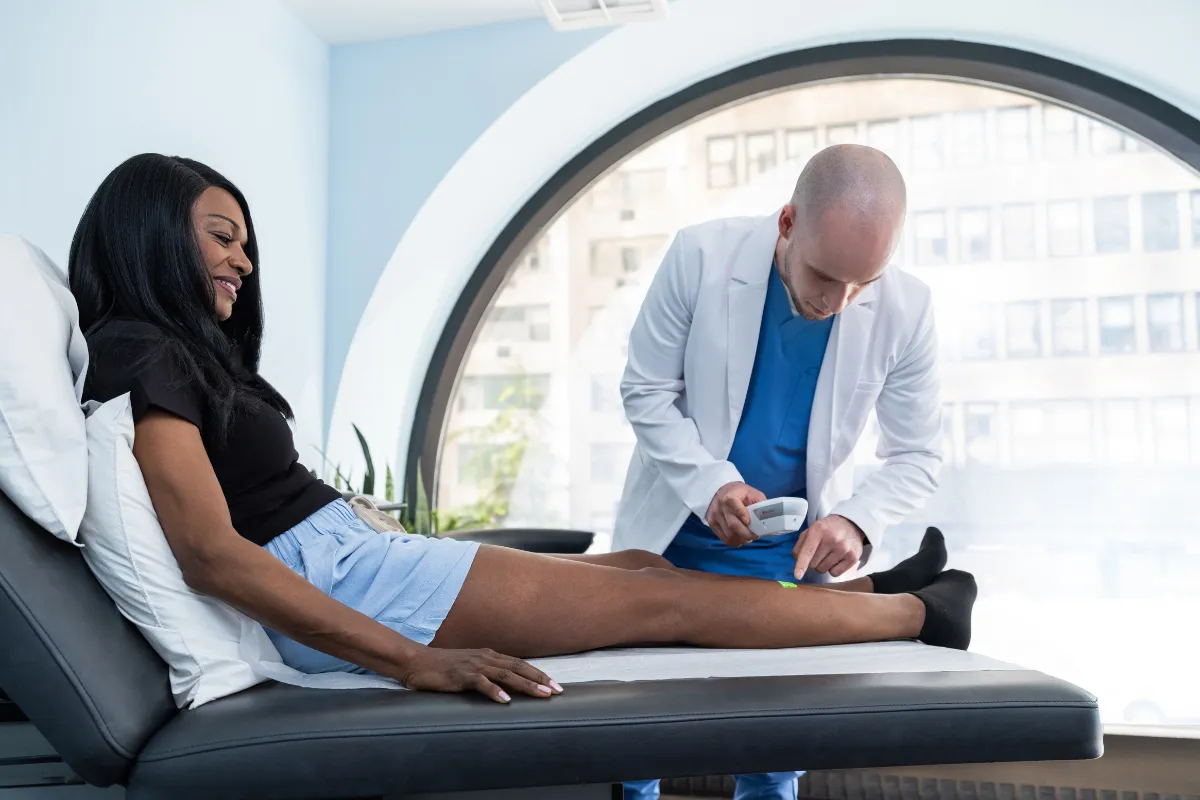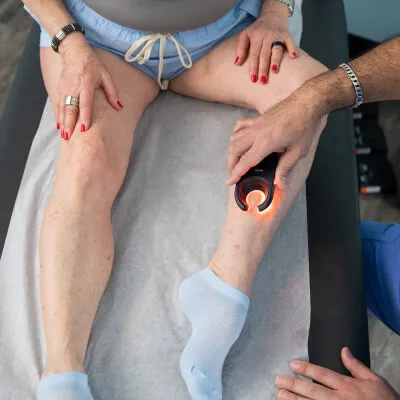

Most people with varicose veins or spider veins see a vein specialist, a board-certified physician who focuses on diagnosing and treating vein disease. Vein specialists are sometimes called phlebologists. They use minimally invasive treatments done right in the clinic. Vascular surgeons treat arteries and veins throughout the body, and many also diagnose and treat vein disease with these same in-clinic treatments. They’re also the right fit for artery disease and complex cases that need open surgery.
If your legs ache, swell or feel heavy, or you've noticed bulging or web-like veins, choosing the right doctor helps you start with the right test and the right treatment. This guide explains what each type of doctor does, the credentials that matter and how to decide where to start.
Key Takeaways
- A vein specialist (phlebologist) is the doctor most patients see for varicose veins, spider veins and chronic venous insufficiency.
- Vascular surgeons treat arteries and veins throughout the body, including common vein conditions like varicose veins, and they also care for arterial disease, aneurysms and cases that need open surgery.
- Look for a board-certified physician with dedicated vein training, such as certification from the American Board of Venous & Lymphatic Medicine (ABVLM).
- Most vein treatments are minimally invasive, take place in the clinic and let you get back to your day quickly.
- Spider veins aren't always just cosmetic. A vein evaluation with ultrasound shows whether there's an underlying vein problem, and treatment for vein disease is usually covered by insurance.
What Kind of Doctor Treats Varicose Veins?
Three types of physicians commonly treat varicose veins:
- Vein specialists (phlebologists): physicians whose practice centers on vein disease. They come from backgrounds such as family medicine, internal medicine, surgery, radiology or emergency medicine and add focused training in venous care.
- Vascular surgeons: physicians trained to diagnose and treat the full vascular system, including arteries and veins. Many treat vein disease as a regular part of their practice.
- Interventional radiologists: physicians who use imaging to guide minimally invasive treatments. Some focus part of their practice on veins.
For the large majority of patients, the deciding factor isn't the doctor's original specialty. It's whether the physician is board-certified, treats vein disease every day and works with accurate ultrasound diagnostics.
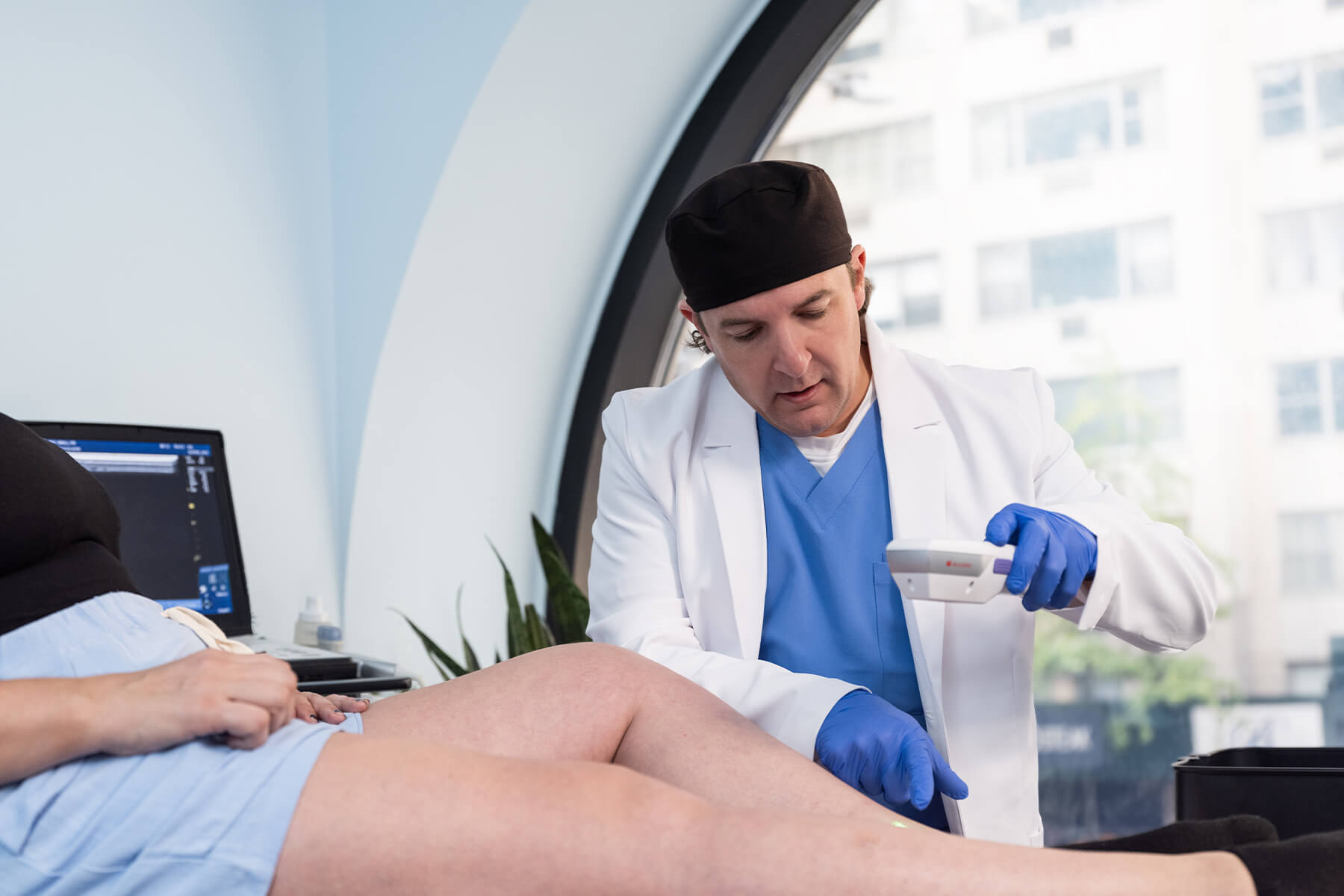
What Is a Vein Specialist (Phlebologist)?
A vein specialist is a physician who focuses on diagnosing and treating disorders of the veins, especially the legs. The medical field is called phlebology, or venous and lymphatic medicine.
Vein specialists treat conditions such as:
- Varicose veins
- Spider veins
- Chronic venous insufficiency (CVI), when damaged valves let blood pool in the legs
- Leg swelling, aching or heavy legs and restless legs linked to vein disease
- Venous ulcers, slow-healing wounds near the ankle
What is ABVLM certification?
The American Board of Venous & Lymphatic Medicine (ABVLM) certifies physicians in vein care. To qualify, a physician must already hold board certification in a primary specialty, document hands-on venous training or clinical experience and pass a certification exam. Physicians who earn it are called Diplomates of the ABVLM, often written as DABVLM.
Who's on the care team at a vein clinic?
A dedicated vein clinic brings the whole team under one roof. Alongside the physician, you'll typically meet:
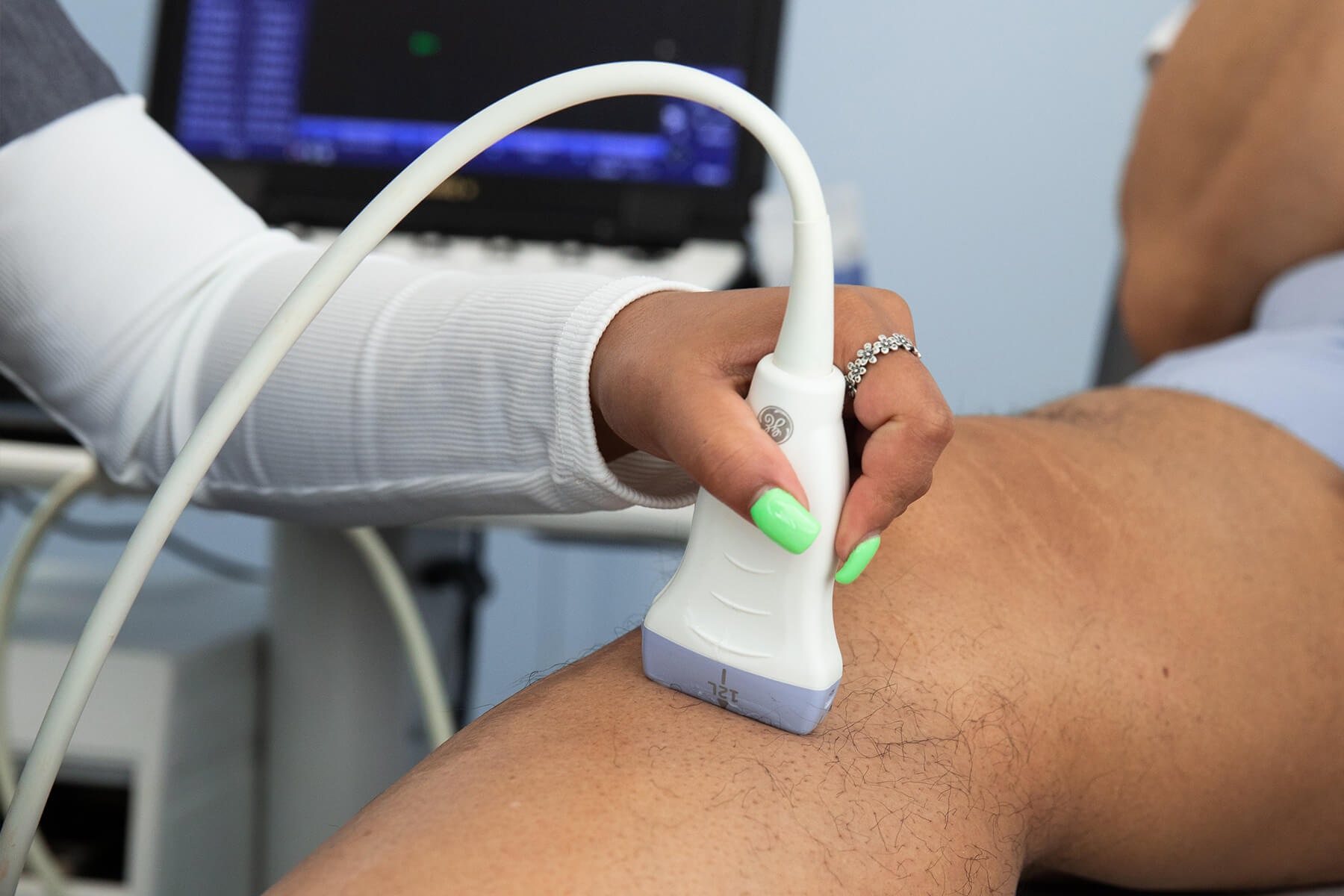
- Registered vascular technologists, who perform the duplex ultrasound (a painless scan that shows how blood flows through your veins)
- Nurse practitioners or physician assistants who support evaluations and follow-up care
- Insurance specialists who check your coverage before treatment
At Metro Vein Centers, vein care is all we do. Our board-certified physicians, vein specialists, and vascular surgeons treat vein disease every day across 80+ clinics, so patients get focused expertise rather than a single service on a long menu.
What Does a Vascular Surgeon Do?
A vascular surgeon diagnoses and treats diseases of the arteries and veins throughout the body, outside the heart and brain. Their work includes:
- Vein disease, such as varicose veins, spider veins, chronic venous insufficiency (CVI) and venous ulcers
- Peripheral artery disease (PAD), including blockages that threaten a limb
- Aortic aneurysms
- Carotid artery disease, which affects blood flow to the brain
- Dialysis access
- Complex vein conditions that need open surgery
Vascular surgeons train through one of two paths. One is a five-year integrated vascular surgery residency. The other is a general surgery residency followed by a two-year vascular fellowship, according to the Society for Vascular Surgery. Board certification comes from the American Board of Surgery.
Many vascular surgeons do treat varicose veins. Because their practice also covers urgent and complex artery disease, vein care may be a smaller share of their practice.
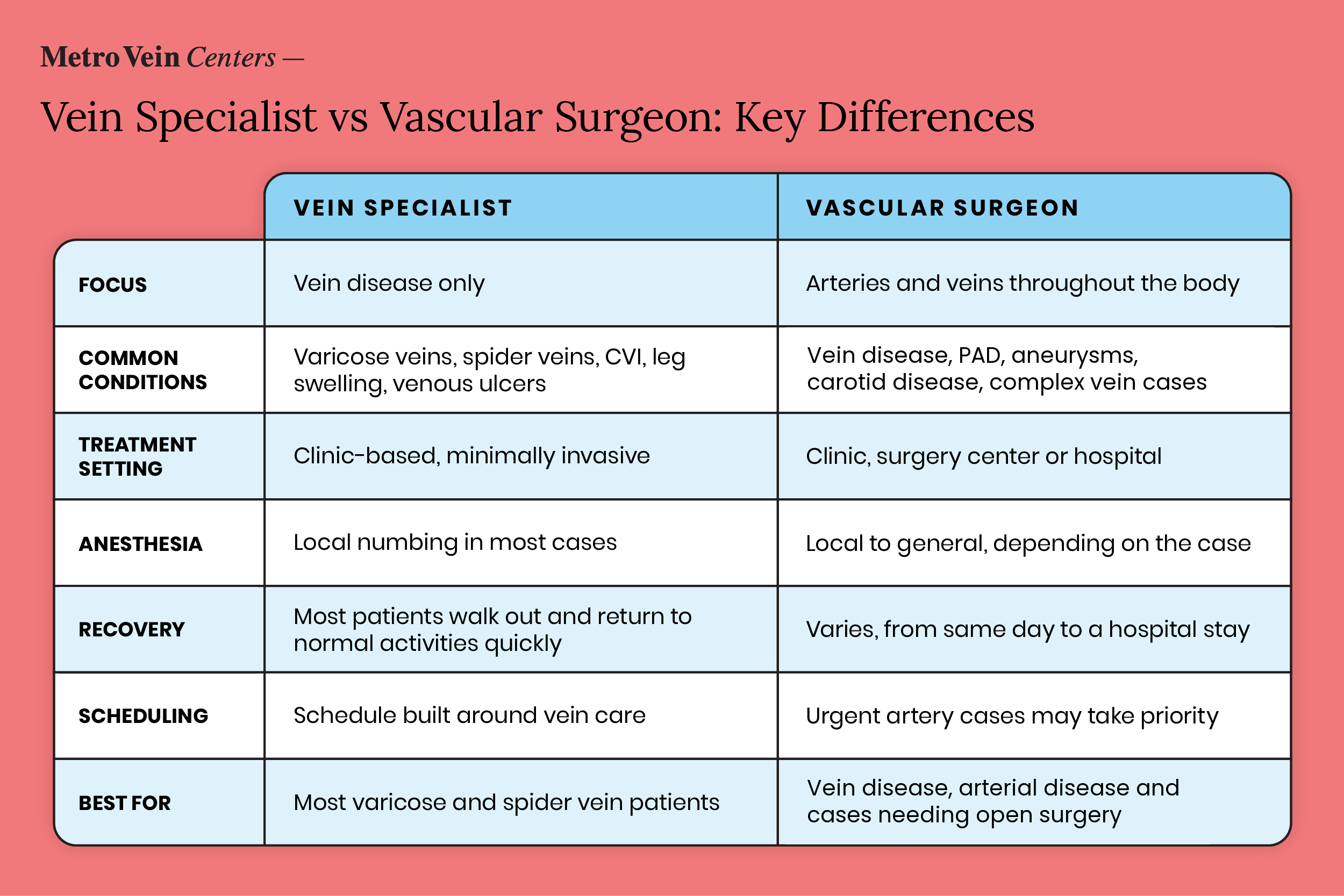
Vein Specialist vs Vascular Surgeon: Key Differences
| Vein specialist | Vascular surgeon | |
|---|---|---|
| Focus | Vein disease only | Arteries and veins throughout the body |
| Common conditions | Varicose veins, spider veins, CVI, leg swelling, venous ulcers | Vein disease, PAD, aneurysms, carotid disease, complex vein cases |
| Treatment setting | Clinic-based, minimally invasive | Clinic, surgery center or hospital |
| Anesthesia | Local numbing in most cases | Local to general, depending on the case |
| Recovery | Most patients walk out and return to normal activities quickly | Varies, from same day to a hospital stay |
| Scheduling | Schedule built around vein care | Urgent artery cases may take priority |
| Best for | Most varicose and spider vein patients | Vein disease, arterial disease, or cases needing open surgery |
When a Vein Specialist Is the Right Choice
Start with a vein specialist if you have:
- Varicose veins with symptoms such as aching, heaviness, swelling, cramping or itching. These are the cases vein specialists treat most often.
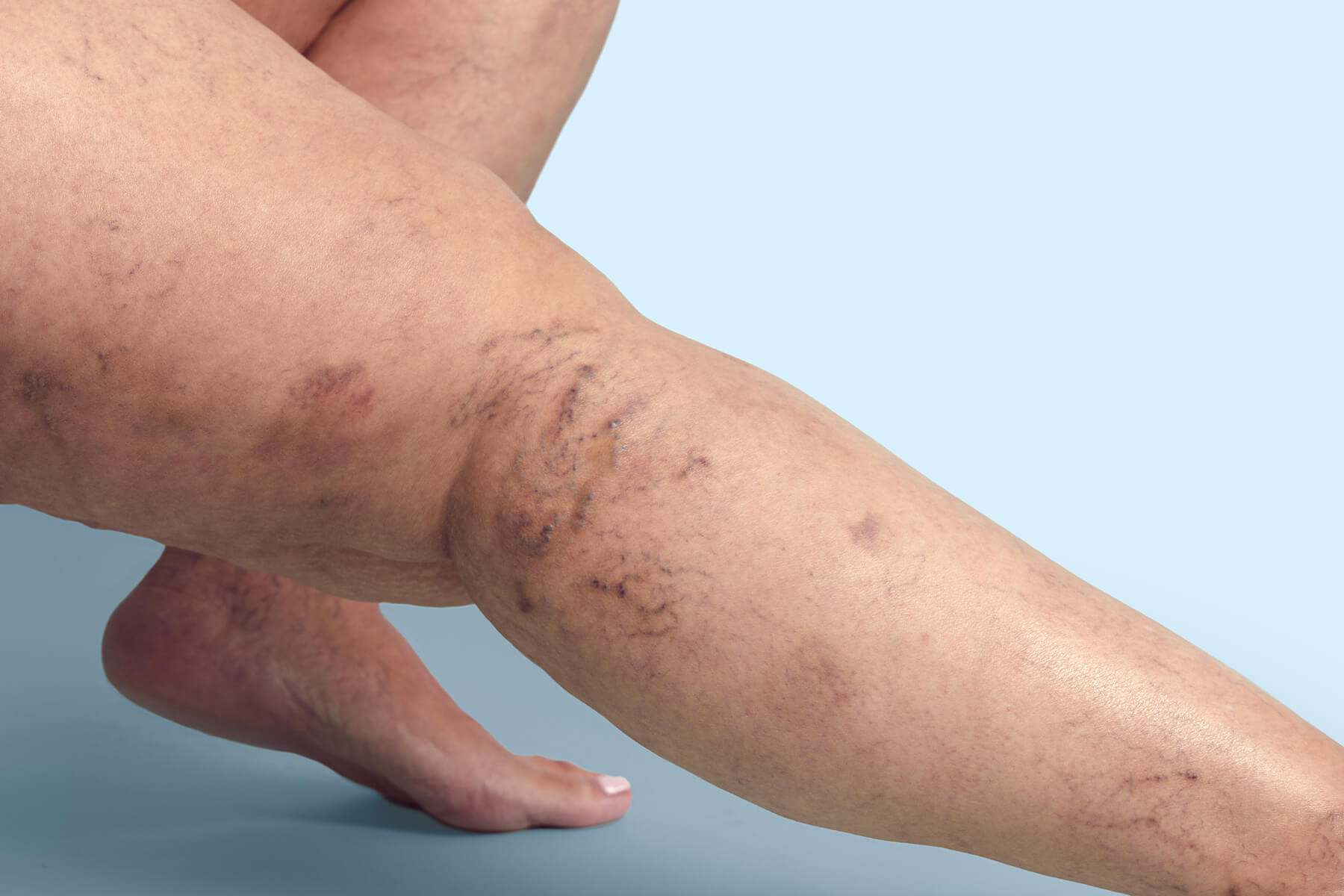
- Spider veins. They can be a visible sign of venous insufficiency underneath. A vein evaluation with ultrasound shows what's happening below the skin and whether treatment is medically necessary.
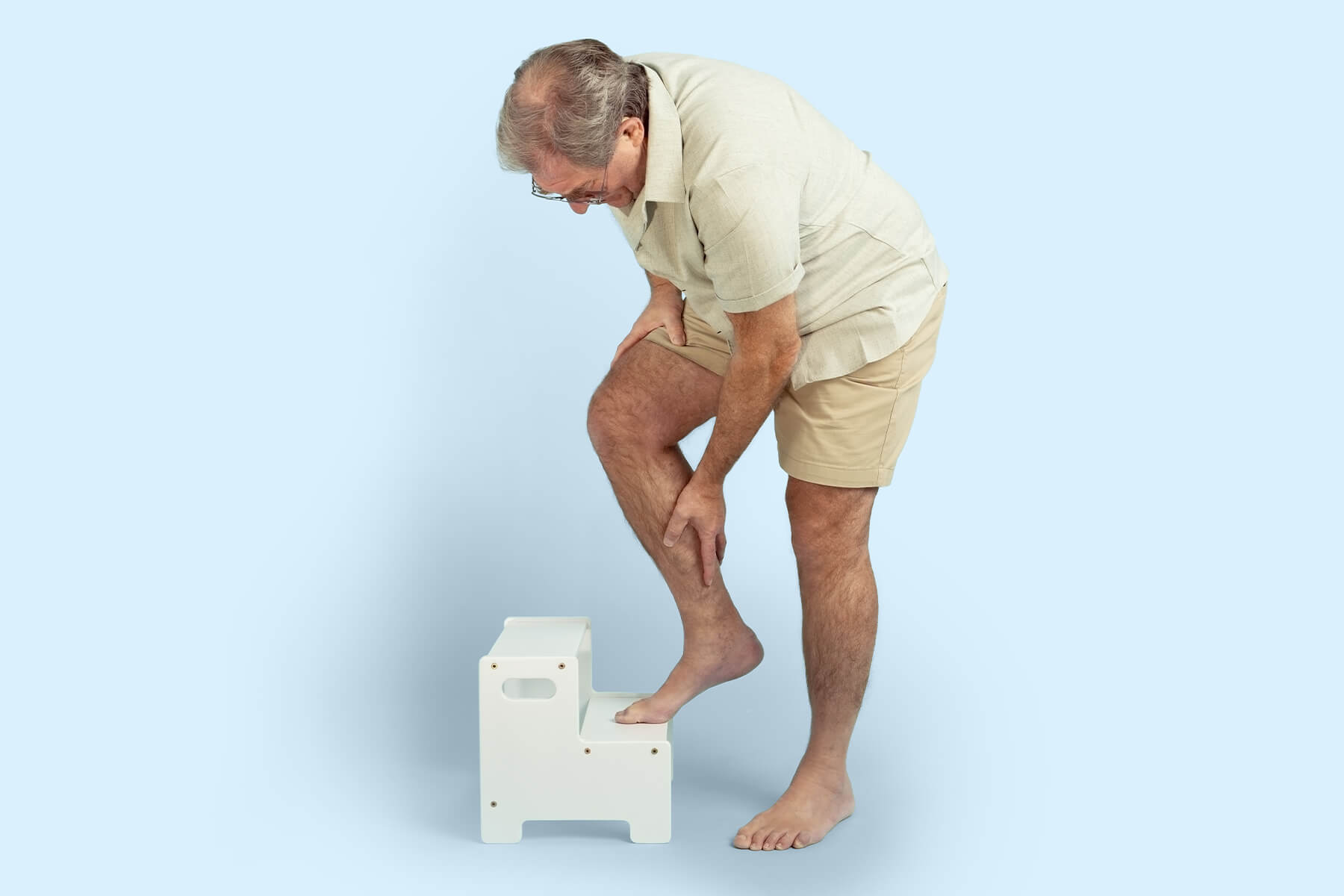
- Leg symptoms that get worse as the day goes on, especially after long periods of standing or sitting.
- Skin changes near the ankles, such as darkening, thickening or a wound that is slow to heal.
- Varicose veins that have returned after earlier treatment.
Compression stockings, leg elevation and regular activity can ease symptoms for a while. They don't repair a damaged vein. Because vein disease tends to progress, medical treatment is the only way to permanently treat a diseased vein. A treated vein stays closed, though new problem veins can develop over time.
When to See a Vascular Surgeon
A vascular surgeon is the better fit when:
- You have signs of artery disease, such as leg pain while walking that eases with rest, cold or pale feet, or toe and foot wounds that won't heal.
- You've been diagnosed with an aneurysm or carotid artery disease.
- Your case needs open surgery, which is uncommon for vein disease today.
- You have a complex vascular history that involves both arteries and veins.
When to get help right away: sudden swelling, pain, warmth or redness in one leg can be a sign of a blood clot called deep vein thrombosis (DVT). Get same-day medical care. If you also have chest pain or trouble breathing, call 911.
Vein specialists also refer patients to vascular surgeons and other doctors when a case falls outside vein care. A good evaluation tells you which path fits your situation.
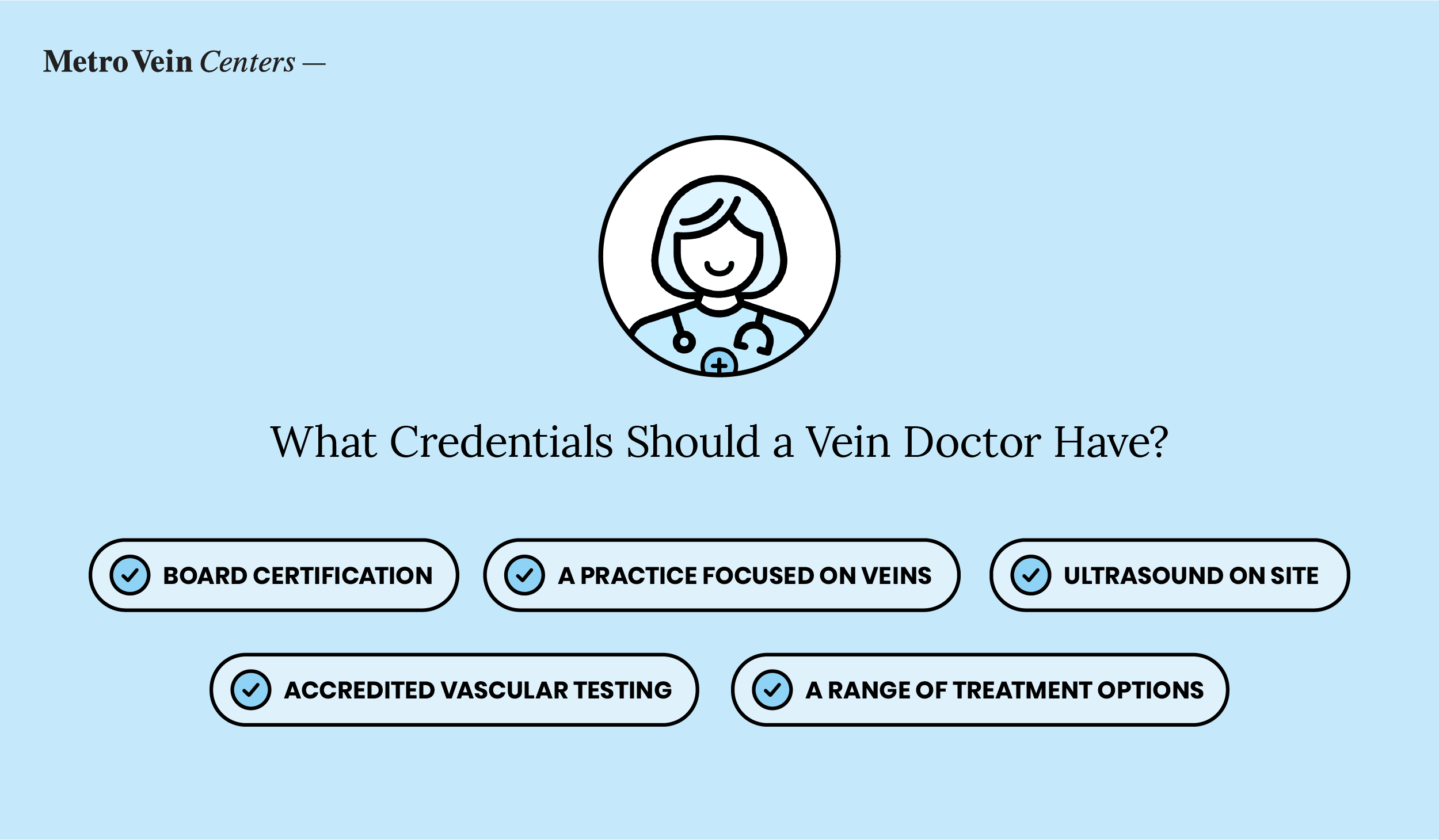
What Credentials Should a Vein Doctor Have?
Whichever doctor you choose, check these points:
- Board certification. Confirm your physician's primary board certification at CertificationMatters.org. For vein-specific certification, check the ABVLM directory.
- A practice focused on veins. Ask how much of the physician's practice is dedicated to vein care.
- Ultrasound on site. A duplex ultrasound performed by a registered vascular technologist should guide the treatment plan.
- Accredited vascular testing. The Intersocietal Accreditation Commission (IAC) accredits vascular testing labs that meet its standards. Many Metro Vein Centers clinics have earned IAC accreditation for vascular testing.
- A range of treatment options. A clinic that offers several treatments can match the right one to your veins.
For a full checklist, see how to choose the best vein treatment clinic.
What Treatments Do Vein Specialists Offer?
Modern vein treatments are minimally invasive. Most take place in the clinic with local numbing, and most patients get back to their usual routine the same day. Clinical practice guidelines from the Society for Vascular Surgery, American Venous Forum and American Vein & Lymphatic Society recommend duplex ultrasound to evaluate varicose veins and favor minimally invasive treatments for most patients with reflux in the main leg veins (Gloviczki et al., 2022).
- Radiofrequency ablation (RFA): gentle heat closes the damaged vein from the inside.
- Endovenous laser ablation (EVLA): laser energy seals the problem vein.
- VenaSeal: a medical adhesive closes the vein without heat.
- Varithena: a medicated microfoam treats twisted or hard-to-reach veins.
- Sclerotherapy: an injected solution closes spider veins and smaller varicose veins.
- Microphlebectomy: bulging surface veins are removed through tiny openings in the skin.
Once a vein is closed, blood naturally reroutes through healthy veins. Your vein specialist will recommend a personalized treatment plan based on your ultrasound results. Treatment availability can vary by clinic.
Take the Next Step Toward Healthier Legs
For most people with varicose or spider veins, a dedicated vein specialist offers focused expertise, minimally invasive treatment and little to no downtime. If your evaluation shows you need a different kind of care, your vein specialist will tell you and point you in the right direction.
Metro Vein Centers has 80+ clinics led by board-certified physicians who focus only on vein care. Schedule your free vein evaluation today.
Frequently Asked Questions
A vein specialist is often called a phlebologist, a physician who focuses on vein disease. Many vein specialists are certified by the American Board of Venous & Lymphatic Medicine (ABVLM). Vascular surgeons and interventional radiologists also treat veins as part of a broader practice.
Not necessarily. For most varicose and spider veins, a board-certified vein specialist offers the same minimally invasive treatments with a practice focused entirely on veins. A vascular surgeon can also offer minimally invasive vein treatments, but is the better choice for arterial disease, aneurysms or the uncommon vein case that needs open surgery.
It depends on your insurance plan. Many patients can book directly with a vein clinic. Some plans, especially HMOs, require a referral from your primary care physician. A vein clinic's insurance team can help you check before your visit.
References
- Society for Vascular Surgery, Vascular Surgery Training Pathways: https://vascular.org/trainees-students/training/vascular-surgery-training-pathways
- American Board of Venous & Lymphatic Medicine: https://www.abvlm.org/
- American Board of Surgery: https://www.absurgery.org/
- American Board of Medical Specialties, CertificationMatters: https://www.certificationmatters.org/
- Intersocietal Accreditation Commission: https://intersocietal.org/
- Gloviczki P, et al. The 2022 SVS/AVF/AVLS clinical practice guidelines for the management of varicose veins of the lower extremities, Part I. J Vasc Surg Venous Lymphat Disord. https://doi.org/10.1016/j.jvsv.2022.09.004
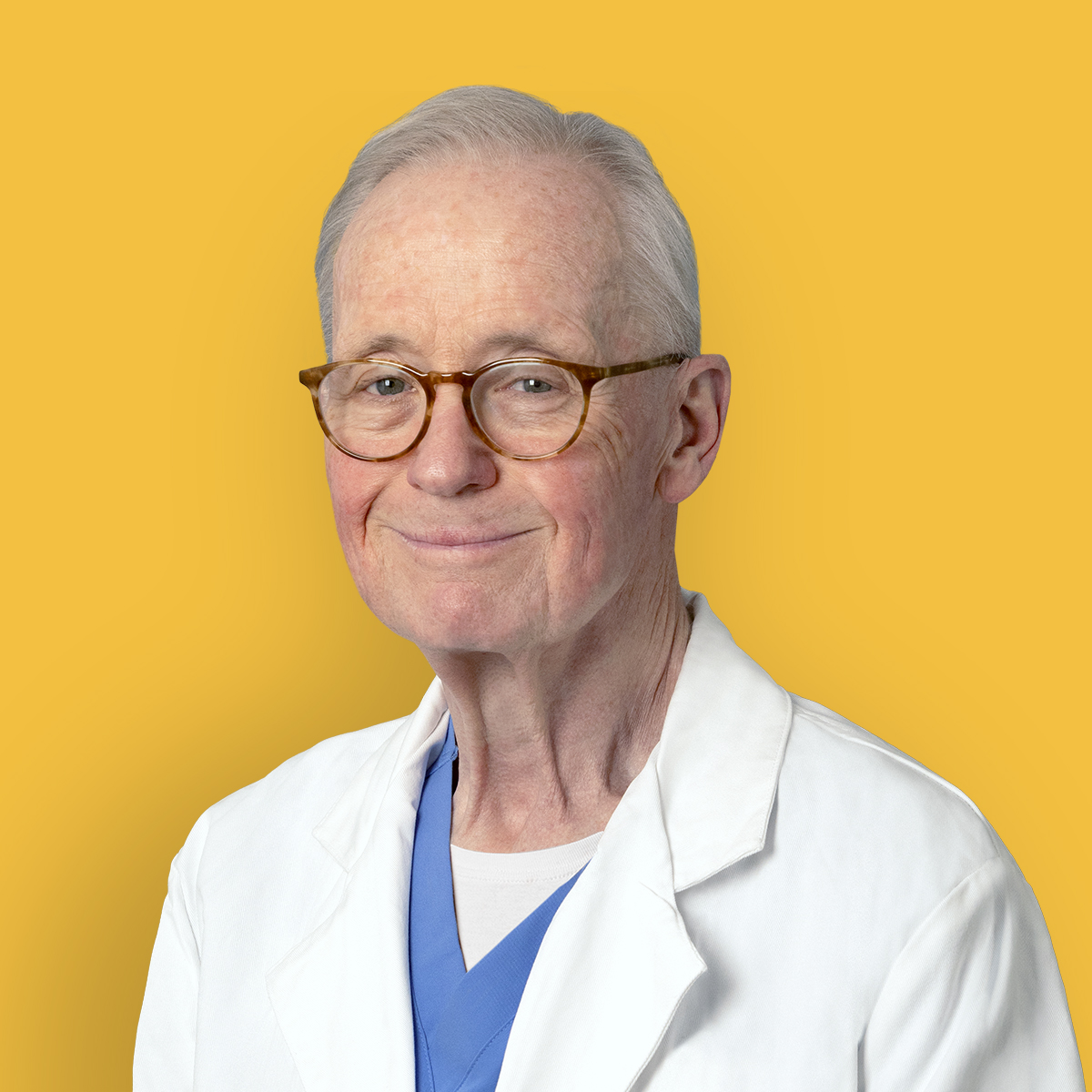
Dr. Patrick McGovern
Meet Dr. Patrick McGovern, a double-board-certified vascular surgeon with over 35 years of experience. Schedule an appointment with him in Marlboro, NJ.
Meet Dr. Patrick McGovern
Trusted insight from the nationally accredited, board-certified vein doctors at Metro Vein Centers.